Reconciling Spinning Mill Mass Balance Ledgers during Origin Audits
Reconciling spinning mill mass balance ledgers requires verifying raw intake certificates against physical machine yields, waste rates, and packaged yarn sales.

Shed
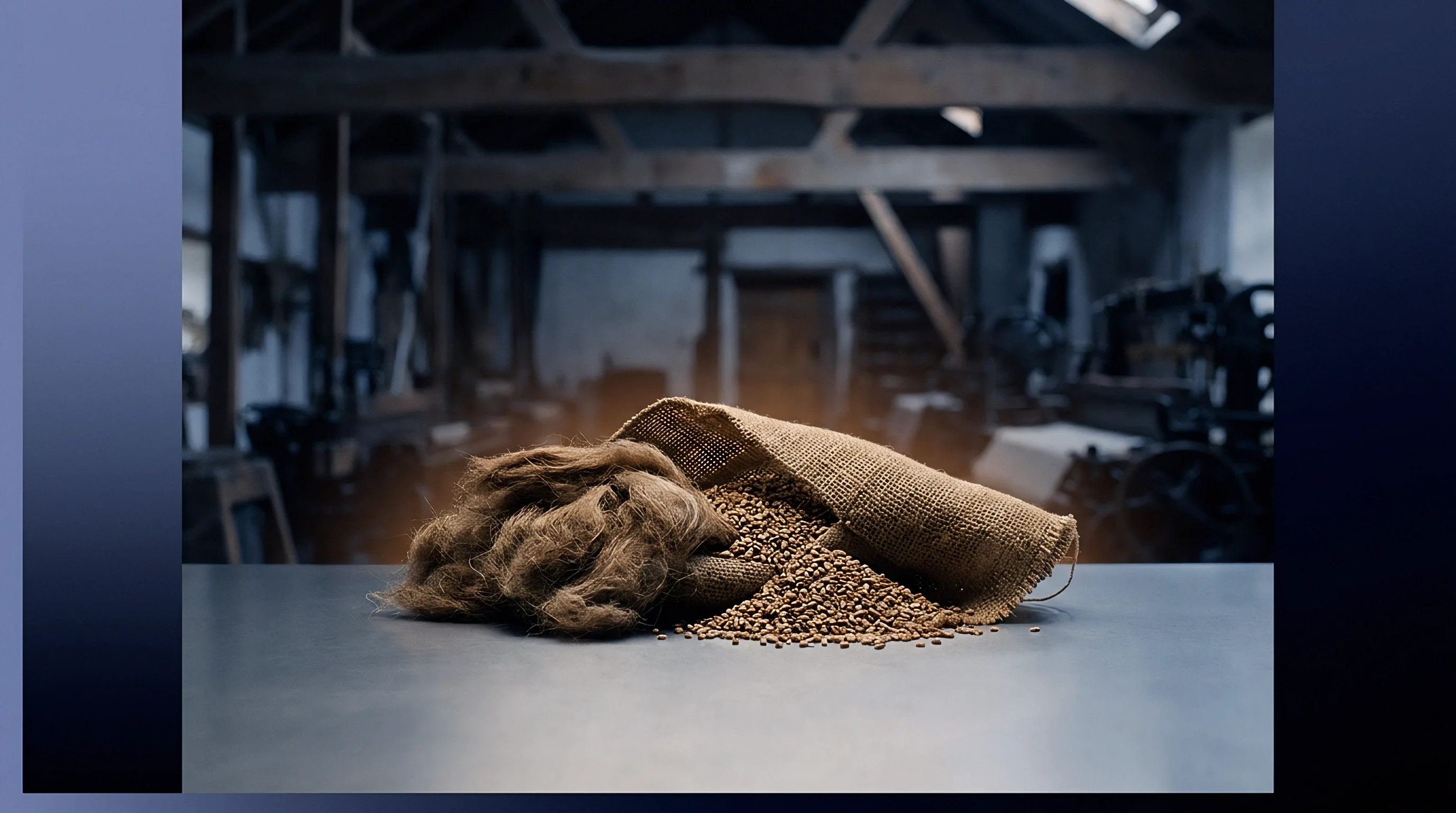
Bale stack registers on the receiving dock of a wet spinning mill reveal the physical state of raw inventory long before an office clerk enters lot numbers into enterprise software. When inspectors step onto the warehouse floor, raw material rests in compressed blocks bound with steel strapping or polypropylene banding. Every individual parcel carries tags indicating harvest year, scutching mill identification, lot sequence, gross mass, and initial moisture percentage at departure.
Auditors compare physical bale tags against the supplier delivery note and the corresponding certified lot declaration. Discrepancies between physical tallies and digital receipts emerge immediately when mill staff assign arbitrary internal batch codes that sever the direct alphanumeric lineage back to the primary cooperative.
Wet spinning facilities processing long-staple linen operate under extreme humidity variations that alter raw material mass across every conversion phase. Scutched flax enters the opening line with moisture content fluctuating between nine percent and fourteen percent depending on seasonal ambient conditions and storage transit. The official commercial moisture regain standard under international commercial rules stands at twelve percent.
Mill balances that record gross weight without conditioning corrections introduce systemic ledger drifts across multi-month accounting cycles. When raw fibre enters preparation without verified dry-weight normalization, mass balance ledgers immediately compound baseline errors across hackling, drawing, roving, and ring spinning stages.
A mass balance origin audit inspects the physical boundary of the spinning facility to verify whether certified European flax inputs remain segregated or blend into uncertified origins during mechanical processing. The audit verifies whether total output volume of claimed provenance yarn matches physical inputs after accounting for operational tare, processing waste, moisture adjustments, and roving loss. Where mills run physical segregation lines, raw flax from certified farms passes through dedicated carding sets and hackling machines.
In mass balance bookkeeping regimes, certified and non-certified stocks process through shared machinery, relying entirely on input-output percentage allocation arithmetic.
Under European Flax scheme rules, certified inventory balances expire twelve calendar months after the physical entry date recorded on incoming transaction certificates.
Auditing the spinning line begins at the hackling frames where long flax bundles undergo sequential combing through pins of increasing fineness. Hackling separates long-staple stricks from the short unaligned fibres known as hackled tow. Operational yield at hackling dictates the financial and volume ledger for the entire production order.
Industrial long flax hackling yields range from fifty-five percent to sixty-eight percent line flax, leaving thirty-two percent to forty-five percent tow and fine dust. The auditor calculates whether the spinning mill credited this secondary tow output back to certified tow yarn accounts or improperly discarded the mass credit to inflate primary line yarn allocations.

Opening Stage Verification Mechanics
Receiving inspection logs capture delivery weighbridge tickets against bill of lading entries. Mill receivers log incoming shipments into physical bin cards hung directly on storage racks before updating digital enterprise resource planning software. The physical bin card records incoming bale serial numbers, container seals, gross tare weights, and scutching facility European Flax certificate numbers.
When digital warehouse modules record aggregate weights while bin cards record discrete lot numbers, the chain of custody breaks at the warehouse threshold. Auditors verify that internal transfer vouchers match physical movements from storage to opening lines.
Physical bale sampling validates raw fibre quality parameters against commercial invoices. Moisture meters applied across twenty individual bales per shipping container yield an average lot moisture index. If measured moisture sits at fourteen percent while the commercial invoice claims twelve percent standard regain, the mill purchases water weight that vanishes during processing.
The accounting ledger must reflect a two percent baseline mass deduction before opening bundles to prevent artificial yarn volume claims. Failure to adjust baseline moisture leads directly to paper volume surpluses that mills distribute across high-value certified yarn lots.
Flax bundles move from hackling into spreading and drawing lines where multiple slivers combine to achieve density uniformity. Sliver doublings and drafting operations generate fallen fibres known as drawer waste. Spinners collect drawer waste in floor cans for re-carding or tow blending.
Mass balance auditors scrutinize whether the mill records drawer waste as lost mass or reintroduces the volume into uncertified low-count yarns while maintaining full certified weight credits on the primary drawing sliver.
Where Do Invisible Mass Losses Accumulate?
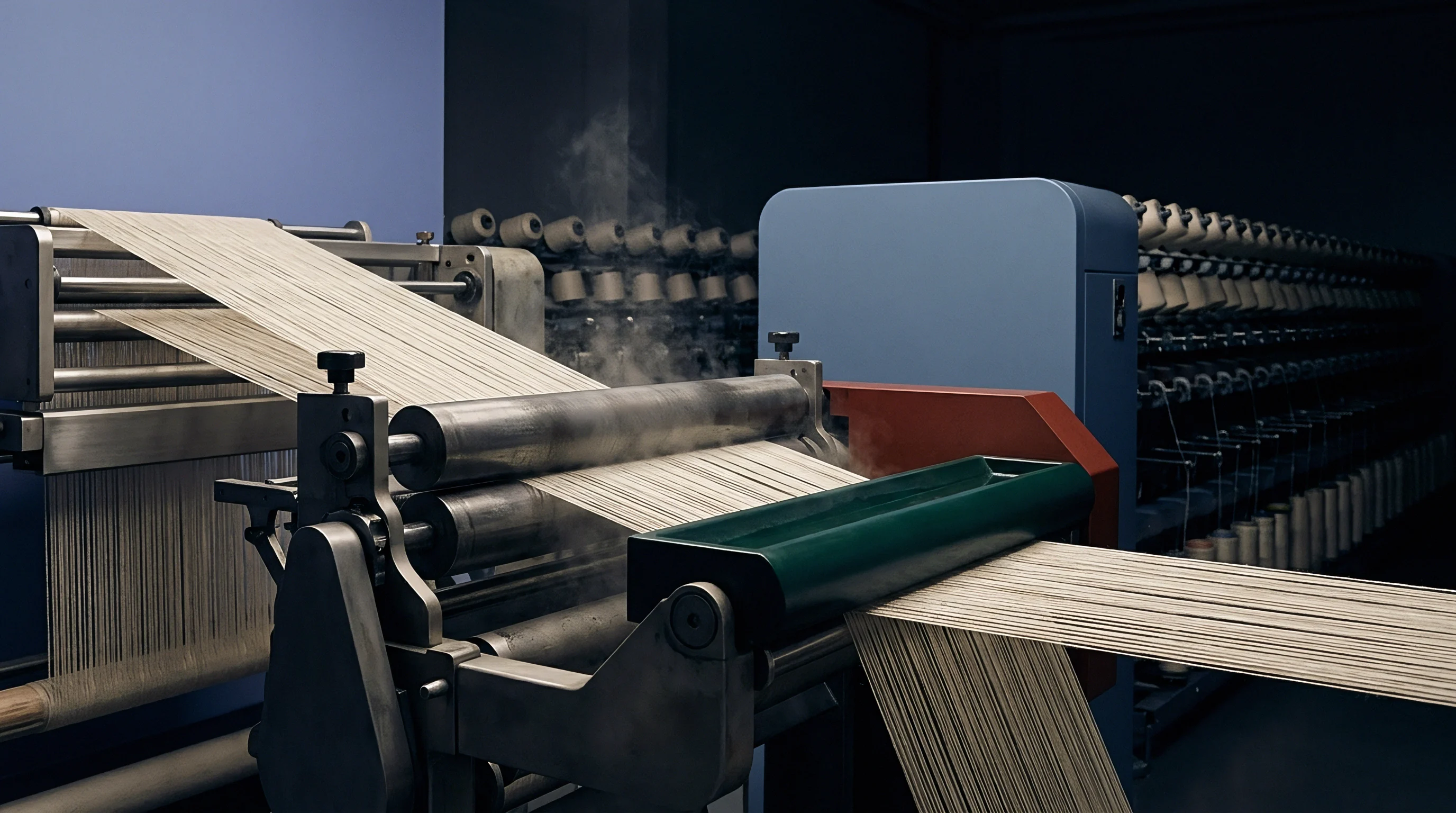
Mechanical combing lines generate airborne lint and floor waste that escape conventional batch collection boxes. Particulate evacuation ducts route fine vegetable matter and dust directly to central cyclonic filtration units. In modern flax preparation plants, exhaust filtration waste accounts for 1.8 percent to 3.2 percent of gross processed flax weight.
Mill accountants frequently omit filter extraction mass from balance sheets, treating the discrepancy as normal processing variance. Auditors calculate cyclonic filter clearance weights over the target audit period to verify that total system outputs align with incoming raw fiber mass.
Roving frames insert slight protective twist into combed slivers before winding onto bobbins for wet spinning troughs. Wet roving operations introduce chemical and thermal variables that further distort simple mass tracking. Roving bobbins enter hot water basins maintained between fifty and sixty-five degrees Celsius to soften the natural pectin binding individual ultimate fibers.
Hot water extraction dissolves water-soluble pectins, hemicelluloses, and mineral salts, leaching between two percent and four percent of dry matter weight directly into the processing bath. A mass balance reconciliation must account for this biochemical extraction mass loss alongside mechanical fiber drops.
Bobbin drying and ring spinning frames complete the yarn formation process under strictly regulated temperature and humidity conditions. Water-laden wet spun yarn undergoes industrial drying, reducing moisture from over one hundred percent saturation down to standard commercial regain. Yarn packaging winding lines inspect yarn continuity, cutting out slubs, thin spots, and spinning joins.
The resulting winding waste gathers in dedicated suction bins beside auto-coners. Inspectors cross-reference automated suction waste weights against final yarn packing slips to confirm that every kilogram of raw input resolves into either saleable cone mass or documented waste streams.
Spinning documentation requires matching machine run-time logs with specific operator shifts and material lots. Ring frame spinning logs note spindle counts, gear ratios, target yarn count expressed in metric count or Lea, and total kilograms doffed per shift. Discrepancies emerge when doff sheets record higher metric counts than lot specifications permit, allowing mills to spin longer yarn lengths from less physical mass while claiming standard weight allocations.
Auditors verify spindle rotation counters and energy consumption metrics against total declared output tonnage to detect unrecorded machine run time.
Raw inventory records remain vulnerable to retroactive ledger adjustments when physical counts fail to match financial statements. Unscrupulous operators adjust historical hackling yield coefficients to create artificial certified inventory buffers that absorb future uncertified fibre additions. When ledger balances drift from physical storage realities, external documentation checks become entirely ineffective.
A physical stock count confirms that certified raw bales sitting on pallets equal the unreconciled ledger credits shown in the enterprise system.
Uncalibrated scales across preparatory stages invalidate all downstream inventory calculations.

Intake
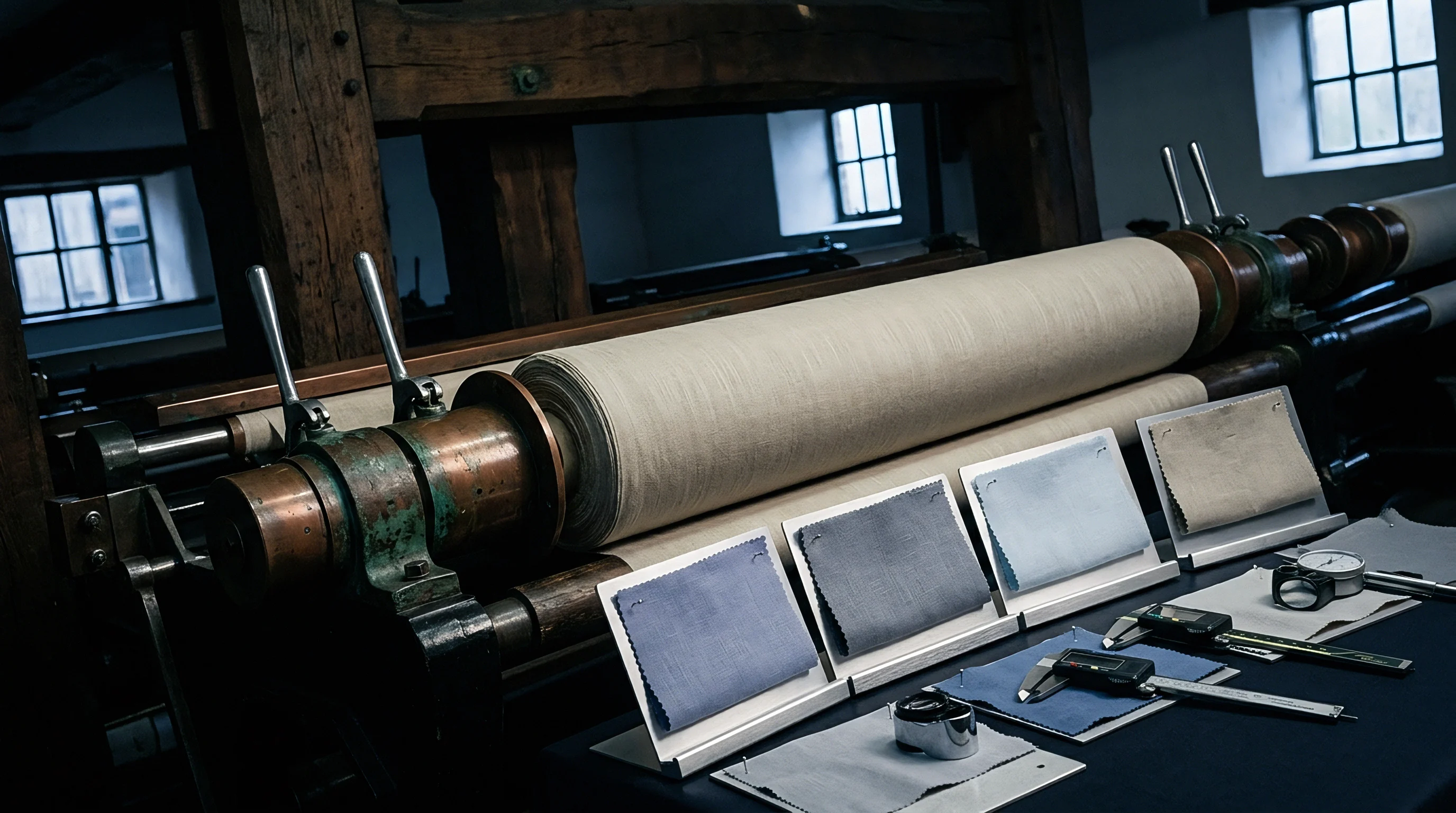
Raw fibre entering the spinning mill arrives accompanied by shipping documentation that establishes its legal, geographic, and certifying origin. Transaction certificates issued by independent certification bodies such as Control Union or Peterson represent the official medium of provenance transfer under the European Flax standard. Each transaction certificate specifies the seller, buyer, gross mass, net mass, harvest country, scutching mill accreditation code, and commercial invoice references.
The auditor inspects incoming certificates to verify that the named receiving entity matches the operating business unit of the spinning mill rather than an uncertified regional trading intermediary.
A frequent failure point in chain-of-custody verification involves latency between physical fibre arrival and transaction certificate issuance. Scutching cooperatives frequently ship raw flax bundles weeks before certifiers issue official transaction paperwork. Spinning mills operating lean production schedules feed raw material into opening machinery before receiving transaction certificates.
Mass balance protocols require mills to hold uncertified material in provisional quarantine ledgers, preventing the allocation of certified yarn sales until certifying bodies issue valid transaction documents. When mills issue commercial yarn invoices with certified claims against provisional intake, the downstream chain of custody collapses.
Customs declaration documents provide an independent regulatory check against private transaction certificates. Import customs entries specify Harmonized System tariff codes, country of origin declarations, gross container weights, and cleared commercial invoice values. For imports into Asian spinning hubs, long-staple flax enters under HS code 5301.21 for scutched flax or 5301.29 for hackled sliver and line flax.
Auditors cross-reference customs entry weights against transaction certificate masses. If customs declarations show lower net weights than transaction certificates, excess certified mass represents fraudulent paper credit added to mill ledgers.

Documentary Alignment across Transport Tiers
Transport documentation completes the verification triad alongside transaction certificates and customs declarations. Clean on-board ocean bills of lading confirm loading ports, discharge ports, shipping container numbers, and seal integrity records. Auditors match container numbers on bills of lading directly to weighbridge tickets generated at the mill gate upon delivery.
When container numbers on customs releases deviate from factory weighbridge records, third-party transshipment or unauthorized material substitution during regional trucking becomes an acute operational risk.
Commercial invoices issued by European scutchers contain critical lot-level data that must match transaction records exactly. The invoice specifies commercial grade, staple length, harvest year, and payment terms tied to certified parcel references. Invoices bearing generic commodity descriptions like raw flax fiber without referencing registered farm group codes or certificate numbers fail traceability criteria.
Auditors verify that financial payment receipts match invoice values through bank swift transfer confirmations, ensuring the transaction represents genuine trade rather than circular accounting entries designed to manufacture documentation.
Warehouse management systems log physical goods receipt through automated barcode scanning or manual entry forms. The inventory system assigns an internal lot number that binds the physical bale pile to the supplier lot number and incoming transaction certificate. Mass balance integrity demands that internal inventory systems maintain strict database relational rules, preventing operators from manually over-allocating certified raw stocks across multiple simultaneous production work orders.
Database audit trails record all manual quantity adjustments, user modifications, and retroactive allocation changes.
| Document Type | Issuing Authority | Primary Data Field Checked | Acceptance Threshold | Audit Risk Indicator |
|---|---|---|---|---|
| Transaction Certificate | Accredited Certification Body | Net Certified Weight | Matches commercial invoice within 0.5 percent | Issued post-processing date |
| Customs Entry Document | National Customs Authority | HS Tariff Classification | Matches declared fiber specification (HS 5301) | Country of departure mismatch |
| Ocean Bill of Lading | Maritime Carrier | Container and Seal Serial | Identical to factory gate intake ticket | Intermediate off-manifest routing |
| Scutcher Delivery Note | Primary Processing Mill | Bale Serial Sequences | One hundred percent match to physical tags | Handwritten or missing lot codes |
| Factory Weighbridge Slip | Mill Logistics Station | Gross and Tare Weight | Weighbridge calibration within 30 days | Net weight exceeds manifest weight |
Physical bale inspections reveal discrepancies between documented fibre grades and actual parcel contents. When opening containers, auditors count individual bales, checking for damaged straps, moisture ingress, or missing origin markings. Bales lacking permanent weather-resistant scutching mill tags indicate repacking or lot aggregation by regional traders.
In wet spinning operations, uncertified lower-grade flax cannot be substituted for premium European dew-retted line flax without causing substantial ring spinning end-break rates, yet subtle five-to-ten percent blending remains undetectable without rigorous document-to-floor reconciliation.

What Triggers Mass Balance Ledger Rejection?
Disqualifying ledger discrepancies appear when the rate of certified fibre consumption outpaces incoming raw material deliveries over a given accounting quarter. Mill ledgers showing negative inventory balances at any point during the audit period indicate that the facility sold certified yarn before possessing the qualifying raw material inputs. Retroactive reconciliation using subsequent fiber deliveries violates established chain-of-custody standards.
Mass balance credits cannot be borrowed against future shipments; every production run must draw upon documented stock physically present in the warehouse at the exact moment of spinning.
Conversion factor manipulation presents another common ground for audit disqualification. Mills often apply inflated yarn conversion efficiency rates, claiming that ninety percent of raw scutched line flax converts directly into fine yarn. Realistic wet spinning conversions for metric yarn counts between Nm 24 and Nm 39 range from fifty-eight to sixty-six percent total yield from scutched stricks.
By claiming unrealistically high yield factors in accounting ledgers, mills generate synthetic certified yarn volume credits that allow them to certify yarn spun from uncertified local tow or alternative bast fibres.
Documentary discrepancies often stem from transaction certificate delays by regional certifying bodies when spinning deadlines require immediate processing of unverified fiber.


Comb
Hackling operations constitute the core mechanical sorting stage where spinning mills separate high-value line flax from lower-value hackled tow. The hackling machine consists of vertical sheets of pinned aprons that comb through suspended stricks of scutched flax, progressively removing tangled fibers, residual shives, and short broken fragments. The resulting line flax sliver forms a parallel assembly of long-staple fibers suitable for fine yarn counts, while dropped tow fibers collect in bins beneath machine combs.
Accurate ledger accounting requires individual batch tracking of both primary line sliver output and secondary tow co-products.
Yield calculations during hackling vary based on raw fiber quality, moisture content, and machine pin density settings. Standard industrial hackling of Western European dew-retted flax yields fifty-eight to sixty-four percent line flax sliver and thirty-two to thirty-eight percent hackled tow, with three to four percent dust and unrecoverable short waste. If a spinning mill’s mass balance ledger records a line flax yield of seventy-five percent, the ledger violates mechanical physical limits.
Auditors calculate mass balances across the hackling room by measuring input fiber mass against the combined mass of combed stricks, grouped tow slivers, and collected waste matter.
A spinning mill cannot assign long-staple provenance credits to yarn spun from hackling tow unless the original transaction certificate explicitly covers tow fractions.
Hackled tow represents a legitimate byproduct that possesses significant economic and manufacturing value. Mills process hackled tow through carding and combing sets to spin coarse-count yarns ranging from Nm 6 to Nm 14, utilized in heavy upholstery, apparel blends, or industrial fabrics. In rigorous chain-of-custody systems, certified provenance credits split proportionally between line flax and tow based on actual output mass weights.
A mill cannot attribute one hundred percent of incoming certified fiber mass to its line yarn ledger while simultaneously selling the resulting tow yarn as certified under a separate transaction.
Mechanical Fractionation and Byproduct Allocation
Preparation departments maintain hackling shift logs detailing raw batch inputs, machine operational hours, and output weights. Operators weigh line flax bundles immediately after doffing from hackler clamp bars, applying identification tags that record the hackling lot number, machine line, operator ID, and gross kilogram weight. The auditor compares these hackling logs directly against raw bale opening sheets.
Any delay or disconnect between bale staging and hackler doffing creates opportunities for unrecorded lot blending or substitution with cheaper uncertified tow stock.
Carding operations for short flax fibers generate substantial particulate waste and flat strips that require precise mass ledger entries. Revolving flat carding machines process scutched tow and hackling drops into card slivers, dropping four to six percent lickerin waste and two to three percent card cylinder fly. Carding waste contains high concentrations of woody core fragments known as shives, which carry zero fiber value.
Auditors verify that mills deduct shive tare weights from carded tow balances to prevent woody contamination from being calculated as usable certified fiber mass.
Combing machines applied to carded tow extract noils, which represent short fibers under twenty millimeters in length. Tow combing increases fiber parallelization, raising the spinning limit of the tow sliver up to Nm 26 wet spun yarn. Extracted tow noils account for twelve to twenty percent of card sliver input mass.
These noils exit the primary textile chain into paper manufacturing, insulation nonwovens, or technical composite applications. The mass balance ledger must formally record tow noil sales invoices to substantiate the reduction in textile-grade certified fiber credits.
| Processing Stage | Input Material | Primary Output | Primary Yield (pct) | Byproduct Stream | Byproduct Yield (pct) | Waste Stream | Waste Loss (pct) |
|---|---|---|---|---|---|---|---|
| Hackling | Scutched Long Flax | Combed Line Flax | 58.0 – 64.0 | Hackled Tow | 32.0 – 38.0 | Dust and Shive | 3.0 – 4.5 |
| Tow Carding | Hackled / Scutched Tow | Carded Tow Sliver | 86.0 – 90.0 | Card Drops | 4.0 – 6.0 | Filter Dust | 4.0 – 6.0 |
| Tow Combing | Carded Tow Sliver | Combed Tow Sliver | 78.0 – 84.0 | Tow Noils | 12.0 – 18.0 | Fly Waste | 2.0 – 4.0 |
| Line Spreading | Combed Line Flax | Drawn Line Sliver | 96.0 – 98.0 | Drawer Tow | 1.5 – 2.5 | Floor Sweepings | 0.5 – 1.5 |
| Roving Preparation | Drawn Line Sliver | Twisted Roving Bobbins | 95.5 – 97.5 | Roving Waste | 1.5 – 2.5 | Basin Dissolution | 1.0 – 2.0 |
Sliver drawing and doubling stages combine multiple hackled slivers across four intersecting head gill boxes to equalize linear density. Drafting action aligns individual fibers, reducing mass variance along the sliver length. At each drawing pass, broken fibers accumulate on faller bars and rubber draft rollers, requiring periodic manual or pneumatic cleaning.
Spinning mills operating mass balance ledgers must maintain standardized waste collection protocols where roller waste is weighed per machine shift rather than dumped into unmetered scrap bins.

Drafting Zone Losses and Rework Loops
Modern flax mills recycle clean preparation waste by reintroducing soft drawing sliver fragments back into the blending line. While this practice maintains high material utilization, it complicates mass balance origin accounting. If clean waste originating from an uncertified flax lot enters a certified drawing sliver blend, the integrity of the certified line collapses.
Chain-of-custody standards allow waste reintroduction only when rework waste originates from the exact same certified production lot and machine sequence.
Auditing floor cans across the preparation hall involves cross-referencing their traveling lot cards against active digital production orders in the central server. Each sliver can carries a traveling lot card detailing blend composition, drawing pass number, sliver weight in grams per meter, and originating hackling lot number. Discrepancies between traveling cards and server records indicate unmonitored lot mixing or unregistered machine allocations.
Roving frames draw finished drawing sliver down to a thin strand, inserting five to fifteen turns per meter of false or true twist before winding onto perforated plastic tubes. Roving bobbin weights must equal sliver input mass minus drafting zone fly and pneumatic suction waste. Roving bobbin tare weights require regular physical verification because degraded or cracked bobbin tubes introduce weight distortions during subsequent wet spinning checks.
The operational consequence of failing to track hackling yields precisely is the immediate invalidation of all downstream certified yarn volumes, forcing custom authorities to reclassify shipments as uncertified commodity textile products.

Balance
Mass balance bookkeeping in textile spinning operations operates on strict conservation of mass principles adapted for mechanical, chemical, and atmospheric losses. The fundamental equation requires that total mass of certified raw inputs equals total mass of certified finished yarn plus allocated co-products, documented processing waste, and verified biochemical extraction losses. The reconciliation window spans a defined production accounting period, typically one quarter or one calendar year, depending on certification scheme governance.
Auditors evaluate the balance sheet across every physical processing boundary within the manufacturing plant.
A mass balance ledger functions as an inventory ledger that records physical units entering and leaving production accounts. When certified long-staple flax enters the spinning mill, the ledger receives a volume credit based on net delivered dry mass. As production work orders execute, the ledger debits raw fiber stocks and credits intermediate sliver, roving, and yarn accounts according to verified conversion ratios.
In a compliant mass balance system, the ratio of certified yarn sales cannot exceed the physical proportion of certified raw inputs after applying empirical waste factors.
The primary calculation mechanics governing mass balance reconciliation require quantitative accounting across four distinct parameters:
- Gross Certified Input Mass incorporates all incoming raw fiber parcels supported by valid transaction certificates, adjusted for standard commercial moisture regain and verified container tare deductions.
- Empirical Processing Yield establishes the verified baseline conversion factor from raw scutched flax to packaged yarn, calculated through historical machine batch records and continuous waste stream monitoring.
- Allocated Co-product Mass accounts for secondary fiber outputs including hackled tow, combed noils, and carded slivers that diverge into secondary product lines with corresponding fractional credit reductions.
- Verified Processing Waste reconciles non-recoverable losses including cyclonic filter dust, wet basin pectin dissolution, floor sweepings, and packaging trimming scrap confirmed by waste disposal logs.
A worked example illustrates the arithmetic reconciliation required during an origin audit. Consider a wet spinning facility receiving 50,000 kilograms of net scutched European long flax at twelve percent moisture regain. The mill enters this volume into its mass balance ledger under a dedicated certified account.
The targeted yarn product is wet-spun Nm 39 line linen yarn intended for premium apparel weaving. The entire input undergoes hackling, line drawing, roving preparation, wet spinning, drying, and cone winding.
During hackling, the 50,000 kilograms of raw scutched flax yields sixty-one percent combed line flax sliver (30,500 kilograms), thirty-five percent hackled tow (17,500 kilograms), and four percent unrecoverable waste and dust (2,000 kilograms). The mill allocates the 17,500 kilograms of tow to its coarse yarn spinning line, crediting that separate ledger with certified tow mass. The remaining 30,500 kilograms of long line sliver moves to drawing and roving departments.
Drawing and roving stages exhibit an empirical recovery rate of 96.5 percent, generating 29,432.5 kilograms of roving bobbin mass, 762.5 kilograms of recyclable rework sliver, and 305 kilograms of floor and filtration waste.
The 29,432.5 kilograms of roving enters wet spinning frames, where warm water basins dissolve 1.5 percent of water-soluble matter (441.5 kilograms). Spinning, drying, and autoconer winding achieve an overall mechanical efficiency of 94.0 percent from dry roving to packaged cone yarn. The final yield of saleable wet-spun Nm 39 yarn equals 27,251.5 kilograms.
Autoconer suction waste, yarn breaks, and packaging off-cuts account for 1,739.5 kilograms. Total physical conversion yield from raw scutched stricks to finished wet-spun line yarn equals 54.503 percent.
| Processing Phase | Input Mass (kg) | Phase Yield (pct) | Output Product | Output Mass (kg) | Waste/Loss Type | Loss Mass (kg) |
|---|---|---|---|---|---|---|
| Hackling | 50,000.0 | 61.00 | Combed Line Flax | 30,500.0 | Tow and Shive Dust | 19,500.0 |
| Drawing and Doubling | 30,500.0 | 98.00 | Finished Sliver | 29,890.0 | Drafting Waste | 610.0 |
| Roving Preparation | 29,890.0 | 98.47 | Roving Bobbins | 29,432.5 | Roving Fly and Scrap | 457.5 |
| Wet Spinning Frame | 29,432.5 | 98.50 | Wet Spun Yarn | 28,991.0 | Basin Dissolution | 441.5 |
| Drying and Winding | 28,991.0 | 94.00 | Finished Cone Yarn | 27,251.5 | Cone Suction/Cuts | 1,739.5 |
| Total Net Saleable Nm 39 Line Yarn: 27,251.5 kg (Overall Process Conversion Yield: 54.503 percent). | ||||||
If the spinning mill issues transaction certificates claiming 32,000 kilograms of certified Nm 39 line yarn from this 50,000-kilogram input lot, the ledger contains 4,748.5 kilograms of unsupported synthetic yarn credits. The audit team flags this discrepancy as an unverified volume surplus. The mill must demonstrate where the additional 4,748.5 kilograms of certified long-staple flax originated, supported by corresponding intake transaction certificates and customs releases.
Reconciliation requires balancing physical inventory remaining in the mill at the close of the audit period. Auditors perform physical stock counts of unspun raw fiber, work-in-progress cans, roving bobbins, and packaged yarn cones. Physical inventory count is added to total certified yarn sales volume during the period.
This sum must match opening inventory balance plus incoming certified receipts, adjusted for empirical processing loss factors. If total sales plus closing inventory exceed available raw mass, the mill fails the reconciliation gate.
Standard audit provisions require that certified mass balance ledgers maintain zero negative stock carryover between reporting quarters, prohibiting facilities from anticipating deliveries to cover open sales allocations.


Discount
Commercial contracts for certified linen yarn trade at a clear price premium over uncertified commodity bast fiber yarns. European Flax certified long-staple wet-spun yarns carry a market premium ranging from 1.20 to 2.80 US dollars per kilogram over uncertified yarns of equivalent metric count. This price differential reflects higher raw material procurement costs in Western European scutching regions, certification licensing fees, and internal chain-of-custody administrative overhead.
When spinning mills fail origin audits or cannot substantiate mass balance ledger entries, buyers face commercial and financial losses across their supply chains.
Downstream fabric weavers, knitters, and home textile brands that purchase compromised yarn face direct product reclassification risks. If customs authorities or certification scheme bodies invalidate a spinning mill’s mass balance ledger, transaction certificates issued under that ledger are revoked. Brands cannot legally market finished products using registered trademarks like European Flax or Masters of Linen without valid upstream certificates.
Retailers caught marketing uncertified linen under certified labels face consumer protection fines, regulatory advertising sanctions, and mandatory product recalls.
A transaction certificate revoked by a certifying body eliminates legal provenance claims across all downstream finished goods regardless of manufacturing stage.
When mass balance discrepancies come to light during cross-border trade audits, commercial buyers apply immediate financial penalties and price adjustments. The standard industry remedy involves recalculating the invoice value of delivered goods, stripping the certified origin premium, and applying a compensatory discount. An uncertified commodity valuation discount typically ranges from fifteen to twenty-five percent of the total invoiced yarn or fabric price.
Purchasing agreements are structured to mandate full retroactive compensation for all landed shipments containing unverified mass allocations.

Contractual Indemnities and Proof Mechanics
Sourcing organizations mitigate origin failure exposure by embedding specific chain-of-custody warranty clauses directly into yarn procurement contracts. These clauses establish that spinning mills bear total commercial and legal liability for documentary failures, certifier audit rejections, or customs classification penalties resulting from ledger manipulation. The contract dictates that the mill must maintain physical segregation logs and mass balance records for a minimum of seven years, accessible to third-party auditors on forty-eight hours notice.
Sourcing agreements enforce origin compliance through four structured commercial mechanisms:
- Escrow Payment Holdbacks retain ten to fifteen percent of the total order value until independent auditors verify transaction certificates and approve factory mass balance ledgers.
- Retroactive Invoice Debits permit buyers to deduct provenance premium surcharges from open accounts payable upon discovery of ledger reconciliation failures.
- Full Audit Expense Shifting transfers all third-party engineering, inspection, and laboratory verification costs directly to the mill if ledger discrepancies exceed two percent.
- Liquidated Damages Schedules establish predetermined financial penalties per kilogram of unverified yarn delivered, compensating buyers for consequential regulatory exposure.
Laboratory analytical methods provide secondary confirmation of fiber origin when documentary ledgers show borderline compliance. Stable isotope ratio mass spectrometry measures carbon, nitrogen, oxygen, and hydrogen isotopic signatures within flax cellulose. Because isotopic ratios reflect regional precipitation, temperature, and soil chemistry, analytical laboratories can distinguish Western European flax from fibers cultivated in Eastern Europe, Central Asia, or Northern China.
The cost of isotopic testing ranges from 350 to 600 US dollars per yarn sample, a cost that procurement contracts routinely shift to suppliers failing mass balance audits.

What Recourse Remains When Ledgers Fail?
When an audit reveals irreconcilable ledger divergences, buyers must immediately segregate physical yarn inventory in destination warehouses. Sourcing directors notify legal and trade compliance teams to evaluate customs disclosure obligations. If goods entered the destination country under preferential tariff regimes or specific origin declarations supported by invalid certificates, the importer of record must submit prior disclosures to customs authorities to avoid severe fraud penalties.
Importers reclassify inventory under non-preferential commodity headings and pay applicable duty differences.
The spinning mill’s operating certification status faces immediate suspension upon confirmation of intentional ledger falsification or gross accounting negligence. Scheme administrators revoke the facility’s scope certificate, publishing the cancellation on public accreditation registries. Public revocation prevents the mill from issuing transaction certificates to any international clients, effectively cutting the facility off from premium export markets.
For mills processing thousands of tons annually, a single mass balance audit failure threatens core commercial viability.
Will international trade compliance authorities establish unified digital mass balance ledgers to eliminate private paper-based transaction certificate latency entirely?

Sanction
Customs administrations and international trade enforcement agencies view chain-of-custody documentation through the lens of legal compliance, anti-fraud enforcement, and trade preference verification. Under United States customs regulations enforced by Customs and Border Protection, textile goods entering domestic commerce require documentation demonstrating lawful origin, accurate fiber content labeling, and compliance with special import restrictions. Sourcing linen yarn or fabric through mass balance ledger systems requires importers of record to maintain complete audit-ready dossiers that substantiate every physical and documentary link in the upstream transformation chain.
Import compliance for bast fibers demands comprehensive recordkeeping extending from raw agricultural production through intermediate spinning, weaving, and finishing. The United States Textile Fiber Products Identification Act mandates precise disclosure of generic fiber names, country of origin, and registered identification numbers on finished consumer goods. If a garment carries a label claiming European flax linen while the underlying spinning mill mass balance ledger contains undocumented local fiber blends, the label constitutes false advertising and misbranding under federal law.
Regulatory penalties include product seizures, civil fines, and permanent commercial exclusion.
European Union customs frameworks govern origin through the Union Customs Code, establishing specific non-preferential and preferential origin rules for textile products classified under Harmonized System Chapter 53 and Chapter 63. Non-preferential origin determination for yarn depends on the location of the primary manufacturing transformation, defined legally as the spinning process that converts raw bast fibers into finished yarn. Even if raw flax originates in France or Belgium, spinning the fiber into yarn inside a Chinese facility confers Chinese non-preferential origin on the resulting yarn.
Mass balance origin audits verify the fiber provenance claim rather than replacing the legal country-of-origin determination governing tariff classification.
Auditors assemble complete traceability binders containing five core document groups to withstand customs scrutiny:
- Primary Agricultural Extraction Records confirm raw fiber purchase from verified farming cooperatives, including field harvest coordinates, grower member lists, and cooperative scutching delivery receipts.
- Scutching Mill Output Statements verify the conversion of raw unretted straw into scutched line flax and tow, detailing scutching machine line logs, lot numbers, and certifying scope certificates.
- Cross-Border Freight and Clearance Packs contain ocean bills of lading, commercial freight invoices, container seal validation logs, and national import customs clearance declarations.
- Spinning Mill Mass Balance Books record shift-level raw material opening weights, hackling yield sheets, roving and spinning logs, winding waste records, and finished cone packaging manifests.
- Independent Transaction Certificates provide formal third-party certification of chain-of-custody transfer, linking specific raw input deliveries directly to finished yarn shipment invoices.
Failure to maintain this complete documentary chain leaves the importer of record legally vulnerable during post-entry customs audits. Customs authorities conduct targeted verification audits up to five years after initial import clearance, demanding immediate production of original mill ledgers and transport manifests. If an overseas spinning mill refuses to provide unredacted mass balance records or if presented ledgers contain arithmetic gaps, customs authorities issue notices of redelivery, assess retroactive import duties, and impose civil monetary penalties against the domestic importer.
International sourcing practices protect their commercial standing by institutionalizing mandatory mill audit schedules, strict documentary qualification gates, and enforceable contract indemnities. Origin is not an abstract marketing claim; it represents a legally binding specification verified through physical engineering mass balance checks and rigorous ledger reconciliation. Buyers who enforce systematic audit controls ensure that the premium paid for certified provenance reflects genuine physical fiber moving through verifiable transformation stages.
Spinning mills that maintain transparent, real-time mass balance ledgers secure enduring commercial partnerships across global supply chains.