Wet-Spun and Dry-Spun Counts Priced per Kilo at Chinese Spinners
Wet-spun flax yarn commands higher per-kilo pricing due to hackling loss, while dry-spun tow yarn offers cost efficiency for counts under twenty metric.

Sliver
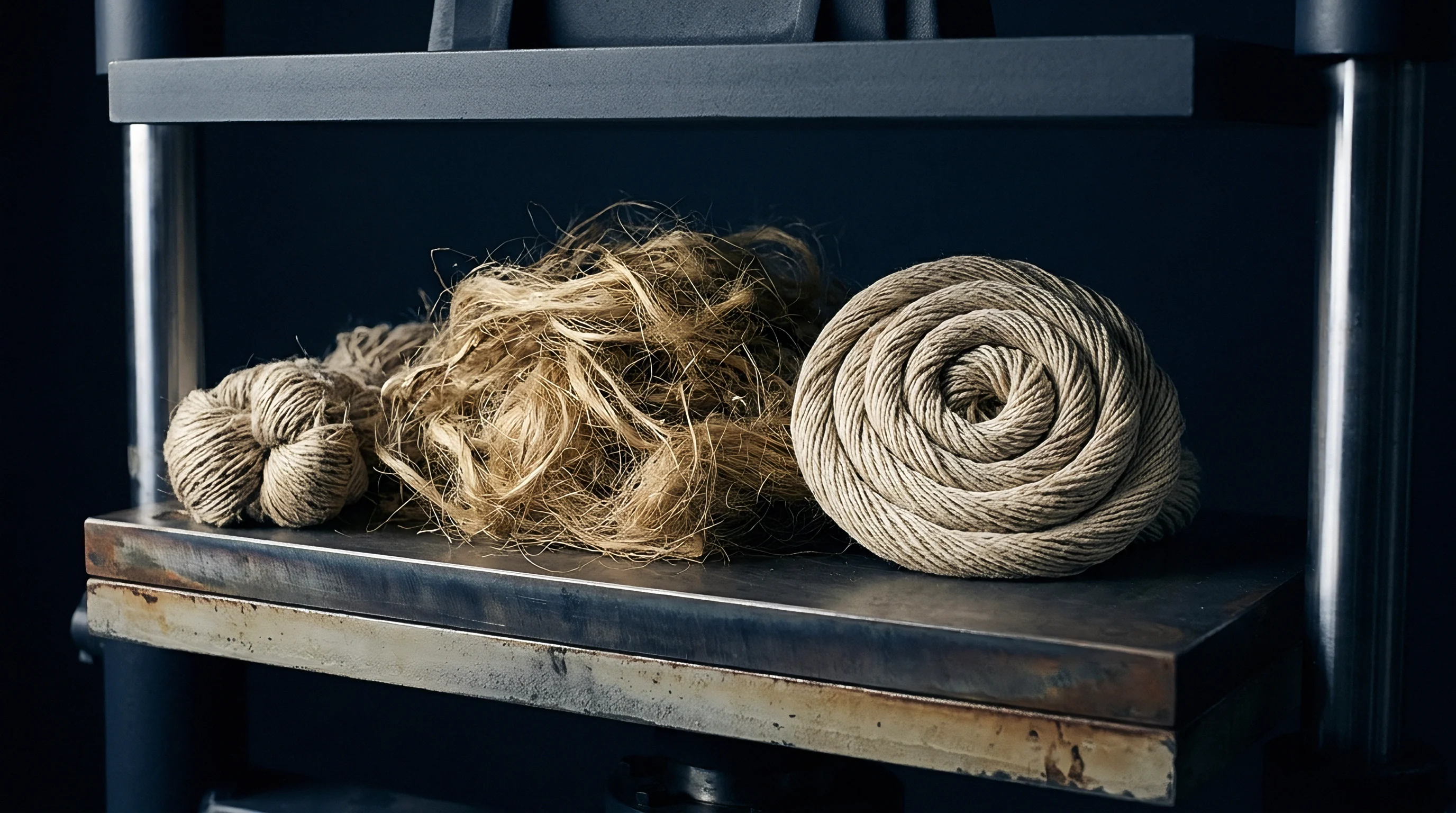
Raw material selection determines the operational boundary between wet and dry flax processing systems. Scutched long-staple ribbons destined for wet spinning undergo intensive mechanical hackling to align bundles, eliminate short fibers, and split coarse technical fibers into fine sub-units. Hackled line flax yields clean sliver with staple lengths ranging from 500 to 800 millimetres, achieving metric fibre fineness values between Nm 1200 and Nm 2000.
Dry spinning relies on tow fibers ~ short, disorganized fibers separated during scutching and hackling that carry higher shive levels and broader length distributions between 100 and 250 millimetres. The choice between long line and short tow fixes the ultimate yarn linear density before roving enters the spinning frame.

Staple Length Requirements across Processing Routes
Long-staple flax ribbons entering the mill measure between 500 and 800 millimetres after scutching. Hackling machines pass these bundles through progressively finer pin sets, removing unaligned fiber fractions and residual cortical tissue. Hackled line sliver maintains high parallel alignment, allowing uniform attenuation during drawing steps.
Wet-spinning frames draw this combed sliver down to fine linear densities without introducing severe strand irregular cross-sections. Short tow fibers cannot withstand the draft ratios applied on wet frames without breaking continuous strand flow.
Scutched tow and hackling tow enter carding sets designed to open tangled fiber masses into continuous web structures. Carded tow sliver contains mean staple lengths of 120 to 180 millimetres. Combing operations remove residual shive particles and fibers shorter than 50 millimetres, elevating mean fineness to Nm 600 or Nm 800.
Dry-spinning drafting zones process these shorter strands at lower draft ratios, relying on fiber crimp and higher mechanical twist to hold the drafting bundle intact.
Contracts referencing ISO 6741-1 apply an official moisture regain factor of 12.0 percent to dry yarn mass when determining commercial net invoice weight.
Fibre Fineness and Carding Yield Differentials
Carded strands generated from short-staple tow exhibit metric fibre numbers ranging from Nm 400 to Nm 800. Fine long line stock reaches Nm 1500 after repeated combing passages. Fiber fineness dictates the minimum number of fibers needed in a yarn cross-section to maintain continuous tensile cohesion.
Standard spinning practice specifies a minimum of 25 to 30 individual fibers per cross-section for wet-spun line yarns, whereas dry-spun tow yarns require 60 to 80 fibers to prevent strand separation during twisting.
Hackling yield measures the proportion of long line flax recovered from raw scutched ribbons. Typical Chinese hackling rooms achieve line flax yields between 55 percent and 65 percent, converting the remaining 35 percent to 45 percent into hackling tow. Lower hackling yields increase raw material costs for wet spinning, directly raising the per-kilo price of finished line yarn.
Dry spinning utilizes this secondary tow stream, achieving lower raw material unit costs while accepting higher nep density in the spun strand.
| Processing Route | Fibre Type Input | Mean Staple Length (mm) | Fibre Fineness (Nm_f) | Shive Content Limit (%) | Typical Hackling Yield (%) |
|---|---|---|---|---|---|
| Wet Spinning | Hackled Long Line | 500 to 800 | 1200 to 2000 | 0.20 to 0.50 | 55.0 to 65.0 |
| Dry Spinning | Carded Tow | 100 to 250 | 400 to 800 | 1.20 to 2.50 | 35.0 to 45.0 |
| Semi-Wet Spinning | Combed Tow Line Blend | 180 to 350 | 700 to 1100 | 0.60 to 1.10 | 45.0 to 52.0 |
Count variation often traces to seasonal retting inconsistencies in domestic Heilongjiang raw flax or shipping delays for imported French water-retted line stock.


Spindle
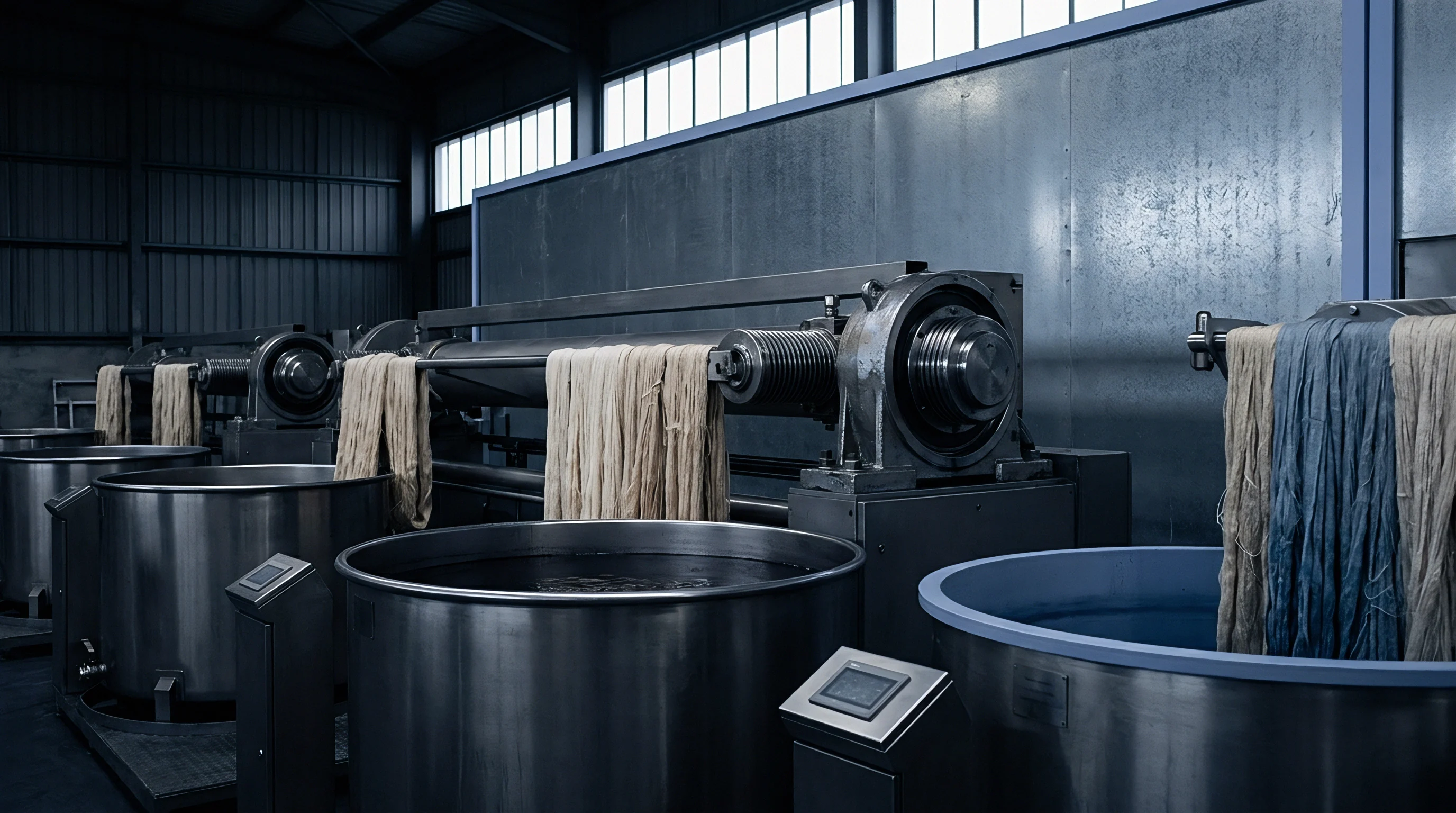
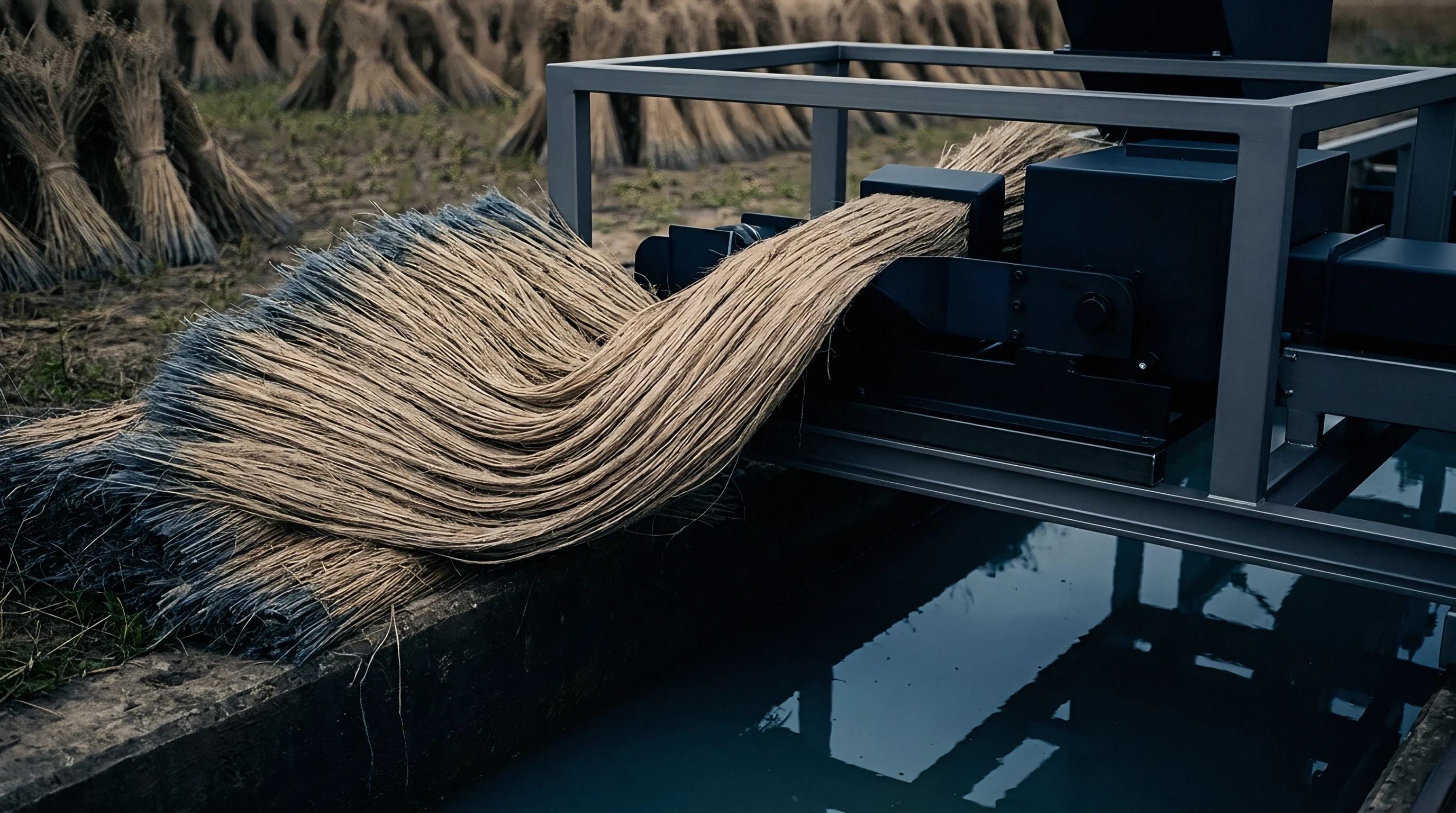
Mechanical attenuation of flax strands relies on distinct physical states during drafting. Wet-spinning frames submerge untwisted flax roving into hot water troughs positioned directly above the drafting rollers. Water temperatures inside the trough soften intercellular pectins binding individual ultimate fibers within technical fiber bundles.
This pectin softening allows single ultimates, measuring 10 to 30 millimetres in length and 15 to 20 micrometres in diameter, to slide smoothly past each other during roller drafting. Attenuation ratios on wet frames reach values between 12 and 22, producing uniform strands suitable for fine metric counts.

Thermal Pectin Softening in Hot Water Troughs
Water temperatures inside the spinning trough are maintained between 60°C and 70°C. Lower trough temperatures prevent full pectin plasticization, increasing drafting force and causing yarn thin places or frame end breaks. Higher water temperatures degrade natural fiber lubricants and accelerate rust formation on roller mountings. The softened pectin acts as a natural adhesive that re-hardens after twisting as the wet yarn dries on plastic bobbin tubes, creating a smooth, hairless strand structure.
Dry-spinning ring frames process carded or combed roving without thermal liquid preparation. Drafting rollers grip intact technical fiber bundles, drafting them through mechanical nip pressure alone. Because intercellular pectins remain firm and unsoftened, individual ultimate fibers cannot slip within bundles; drafting occurs exclusively through bundle-on-bundle slippage.
Attenuation ratios on dry frames are restricted to values between 4 and 8, limiting dry-spun production to coarse yarn linear densities.
Wet-spun Nm 26 line yarn exhibits a mean single-strand tenacity of 28.5 cN/tex under ISO 2062 testing conditions at 65 percent relative humidity.
Drafting Zone Dynamics for Untwisted Roving
Roller nip pressures in dry processing frames clamp incoming material under mechanical springs. Higher nip pressure prevents uncontrolled bundle slippage, maintaining count evenness across the bobbin build. Dry drafting zones utilize shorter front-to-back roller gauge distances to manage short tow fiber lengths, preventing false drafting and mass accumulation before the twist insertion point.
Processing disruptions on spinning floors follow specific mechanical breakdown patterns across both wet and dry processing configurations.
- Trough temperature drops below 55°C cause incomplete pectin softening, increasing drafting force and causing yarn thin places.
- Excessive spindle speeds on wet frames generate water slinging, creating uneven strand tension and frequent end breaks.
- Dry drafting roller wear produces periodic thick spots due to slipped sliver bundles in unheated drafting zones.
- Roving twist variance alters drafting resistance, yielding unacceptable weight variation along the spinning cop.
A simple operational guideline indicates that increasing roving twist multipliers on water-retted flax lots balances drafting resistance when hot water trough temperatures fluctuate during seasonal mill shifts.
Twist
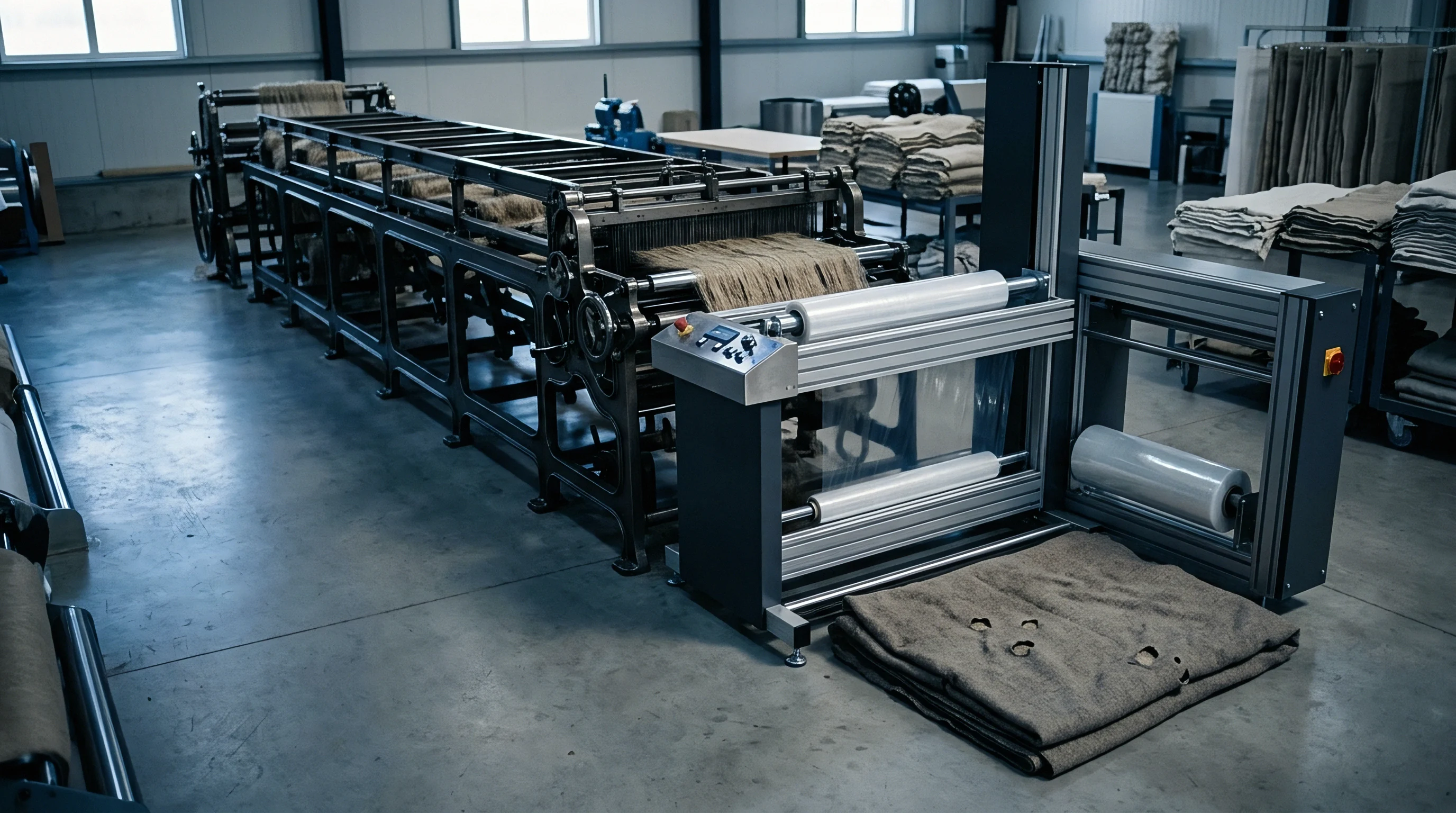
Structural differences between wet-spun and dry-spun strands determine downstream fabric characteristics. Wet-spun yarns display compact cylindrical cross-sections, smooth surface topologies, and low hairiness metrics. The re-solidified pectin matrix binds surface fiber ends tightly into the yarn core during drying.
Wet-spun yarn exhibits high lustre and superior single-strand tensile strength, making it suitable for woven warp yarns, fine apparel fabrics, and high-density bed linens.
Consolidated Filament Geometry and Hairiness Profiles
Wet-processed yarns display a compact cross-sectional profile with minimal surface projection. Testing under ISO 16549 optical hairiness standards confirms that wet-spun line yarns generate low numbers of protruding fiber ends longer than 3 millimetres. Smooth surface geometry reduces friction during high-speed weaving warping operations, minimizing sizing chemical add-on requirements for grey cloth preparation.
Dry-spun yarns display open, bulky, irregular structures with elevated surface hairiness. Because pectins remain unsoftened during drafting, technical fiber ends spring outward from the yarn axis after twist insertion. The elevated hairiness index gives dry-spun linen a soft hand, high moisture absorption, and distinct rustic texture.
Primary applications include coarse upholstery fabrics, heavy decorative drapery, coarse knitting yarns, and industrial twine.

Tensile Behavior under Uniaxial Stress Testing
Single-strand breaking force measurements follow standard laboratory procedures under controlled humidity. Wet-spun line yarns achieve breaking tenacities between 24 and 32 cN/tex, driven by uniform fiber alignment and intimate inter-fiber contact inside the compacted core. High tensile strength allows wet-spun warp strands to endure cyclic tension peaks on high-speed air-jet looms without excessive end breaks.
Dry-spun tow yarns achieve lower breaking tenacities, typically ranging from 11 to 16 cN/tex. Structural strength relies entirely on friction generated by inserted twist, as no pectin re-bonding occurs. To compensate for lower intrinsic tenacity, spinners apply higher twist multipliers to dry-spun strands, which increases yarn stiffness and reduces spinning frame output rates.
| Yarn Count Range | Spinning Method | Tensile Strength (cN/tex) | Hairiness Index (S3) | Uster CV (%) | Primary End Use |
|---|---|---|---|---|---|
| Nm 26 to Nm 80 | Wet Spun Line | 26.0 to 32.0 | 15 to 40 | 10.5 to 13.5 | Woven Apparel Warp |
| Nm 10 to Nm 24 | Wet Spun Tow | 18.0 to 23.0 | 50 to 90 | 13.5 to 16.5 | Weft Fabrics and Home Textiles |
| Nm 2.5 to Nm 14 | Dry Spun Tow | 11.0 to 16.0 | 120 to 280 | 16.5 to 21.0 | Upholstery, Heavy Knit, Twine |
Specifying dry-spun yarn for high-density warp applications causes severe reed friction, massive fly accumulation in weaving sheds, and prohibitive loom stop rates that destroy weaving line efficiency.
Margin
Commercial quotations from Chinese mills reflect underlying fiber costs, processing energy, and frame throughput speeds. Wet spinning demands long-staple line flax costing $4.50 to $6.50 per kilogram as raw fiber input, alongside thermal energy expenditure to heat water troughs and operate yarn drying rooms. Frame delivery speeds on wet ring frames run between 12 and 22 metres per minute per spindle.
These operational factors establish high baseline per-kilo prices for wet-spun yarn across Chinese manufacturing hubs in Zhejiang, Jiangsu, and Heilongjiang provinces.
Is Wet Spun Yarn Economical below Twenty Metric Count?
Coarse flax yarn production below Nm 20 creates an overlap where both processing routes compete for market share. Wet-spun Nm 14 line yarn commands prices between $12.50 and $14.50 per kilogram at Chinese spinners, whereas dry-spun Nm 14 tow yarn sells between $8.50 and $10.00 per kilogram. The price gap stems directly from raw material costs and frame throughput differentials.
Dry-spinning ring frames run at delivery speeds between 25 and 45 metres per minute per spindle, doubling output per frame hour compared to wet frames.
Consider a 1,000-kilogram lot comparison between Nm 14 wet-spun line yarn and Nm 14 dry-spun tow yarn produced in a Tongxiang mill. Assume raw line flax costs $5.20 per kilogram with a 60 percent hackling yield, while raw tow costs $2.40 per kilogram with an 82 percent carding yield. Raw fiber input cost per net kilogram of yarn equals $8.66 for wet line stock and $2.92 for dry tow stock.
Spinning conversion charges, including energy for water heating and post-spin drying, add $3.80 per kilogram for wet frames versus $2.10 per kilogram for dry frames. Net ex-mill production costs compute to $12.46 per kilogram for wet-spun Nm 14 against $5.02 per kilogram for dry-spun Nm 14, establishing the economic boundary between processing choices.
Coarser dry-spun sliver derived from unhackled tow demands higher twist multipliers to prevent inter-fibre slippage during high-speed unwinding.

Cost Allocation across Spinning Hubs in China
Regional spinners in Zhejiang and Jiangsu operate under distinct power tariffs and labor cost structures. Coastal mills in Zhejiang focus on fine wet-spun counts from Nm 36 to Nm 80, utilizing imported European line flax to maximize value added per spindle hour. Northern mills in Heilongjiang process local dew-retted flax into coarse wet-spun and dry-spun tow counts, benefiting from lower local raw material transport costs.
Processing steps for calculating net yarn yield and cost allocation follow a structured sequence during commercial valuation.
- Calculate net fibre intake mass by subtracting tare weight and adjusting for certified moisture regain.
- Deduct hackling and carding waste fractions based on sieve analysis and comb yield reports.
- Apply energy heating Surcharges for hot-water trough operations on wet frames.
- Convert raw spinning frame yield to net package mass after winding and clearing defects.
Shifting power tariffs in northern manufacturing zones create ongoing uncertainty regarding how mill energy expenses will balance the price differential between unheated dry drafting and heated trough spinning lines over coming production cycles.
Customs
International trade in linen yarn requires exact tariff classification and commercial mass determination. The Harmonized System divides linen yarn under Chapter 53 based on fiber composition, count, and processing state. Importers calculating landed costs account for ex-mill pricing, inland freight to Chinese departure ports such as Ningbo or Shanghai, ocean freight, customs tariffs, and moisture content adjustments upon port entry.

Tariff Classification under Chapter Fifty Three
Harmonized System heading 5306 governs single and multiple flax strands entering cross-border trade. HS subheadings separate unbleached yarns from bleached or dyed variants, and single yarns from plied structures. Customs authorities demand accurate declaration of yarn count and fiber origin to verify trade policy compliance and applicable duty rates.
Customs duties apply to gross mass. Proper classification depends on verifying pure flax content. Blended yarns containing cotton, viscose, or synthetic fibers fall under separate HS code headings carrying different duty rates and import restrictions.
Customs inspectors collect random package samples to perform quantitative chemical analysis under ISO 1833-11, confirming whether non-flax fiber fractions exceed declared tolerances.

Commercial Mass Calculations and Regain Adjustments
Invoiced yarn weights require correction based on oven-dry testing and official moisture parameters. Flax possesses a standard commercial moisture regain factor of 12.0 percent under ISO 6741-1. Shipments departing humid coastal warehouses in China frequently carry moisture levels between 13.5 percent and 15.0 percent.
Buying organizations calculate commercial mass by drying sample yarn skeins to constant mass at 105°C, then adding the official 12.0 percent regain allowance to the dry fiber mass.
Overpaying for excess water weight occurs when buyers settle invoices on raw scale weight rather than certified commercial mass. An unadjusted 10,000-kilogram container shipment arriving at 14.5 percent moisture content contains 250 kilograms of excess water, equivalent to $3,250 in lost value on a wet-spun Nm 26 shipment priced at $13.00 per kilogram.
| Yarn Specification | HS Code | Ex-Mill Price (USD/kg) | Freight & Duty (%) | Adjusted Landed Price (USD/kg) | Yield per Metre (m/kg) |
|---|---|---|---|---|---|
| Nm 14 Wet Spun Line | 5306.10.10 | 13.50 | 8.5 | 14.65 | 14,000 |
| Nm 26 Wet Spun Line | 5306.10.90 | 16.80 | 8.5 | 18.23 | 26,000 |
| Nm 14 Dry Spun Tow | 5306.10.10 | 9.20 | 8.5 | 9.98 | 14,000 |
| Nm 6 Dry Spun Tow | 5306.10.10 | 6.80 | 8.5 | 7.38 | 6,000 |
| Freight and duty calculations assume a 3.5 percent ocean freight factor and a 5.0 percent standard import tariff rate applied to net commercial mass. | |||||
Verification steps during commercial reception protect buyers against billing errors and quality discrepancies.
- Moisture testing protocols require immediate core sampling of unopened packages upon container destuffing to establish actual regain against ISO 6741 standards.
- Blend ratio verification mandates chemical quantitative analysis under ISO 1833-11 to confirm pure flax status before customs declaration.
- Yarn count verification relies on skein reel measurements under ISO 2060 to ensure declared linear density matches customs manifest classifications.
- Invoice weight reconciliation adjusts gross manifest weight based on oven-dry mass plus official moisture regain allowances.
A standard sales contract clause stating that invoice settlement shall be computed strictly on ISO 6741-1 commercial mass adjusted for oven-dry weight prevents buyers from paying fiber prices for excess water weight picked up during ocean transit.

Audit
Receiving procedures at converted weaving or knitting facilities depend on systematic physical verification. Quality managers inspect incoming yarn lots to verify count accuracy, single-strand strength, twist per metre, mass variation, and cone package winding density. Laboratory testing validates whether delivered yarn meets agreed specification sheets before packages enter weaving creels or knitting feeders.
Laboratory Verification Methods for Linear Density
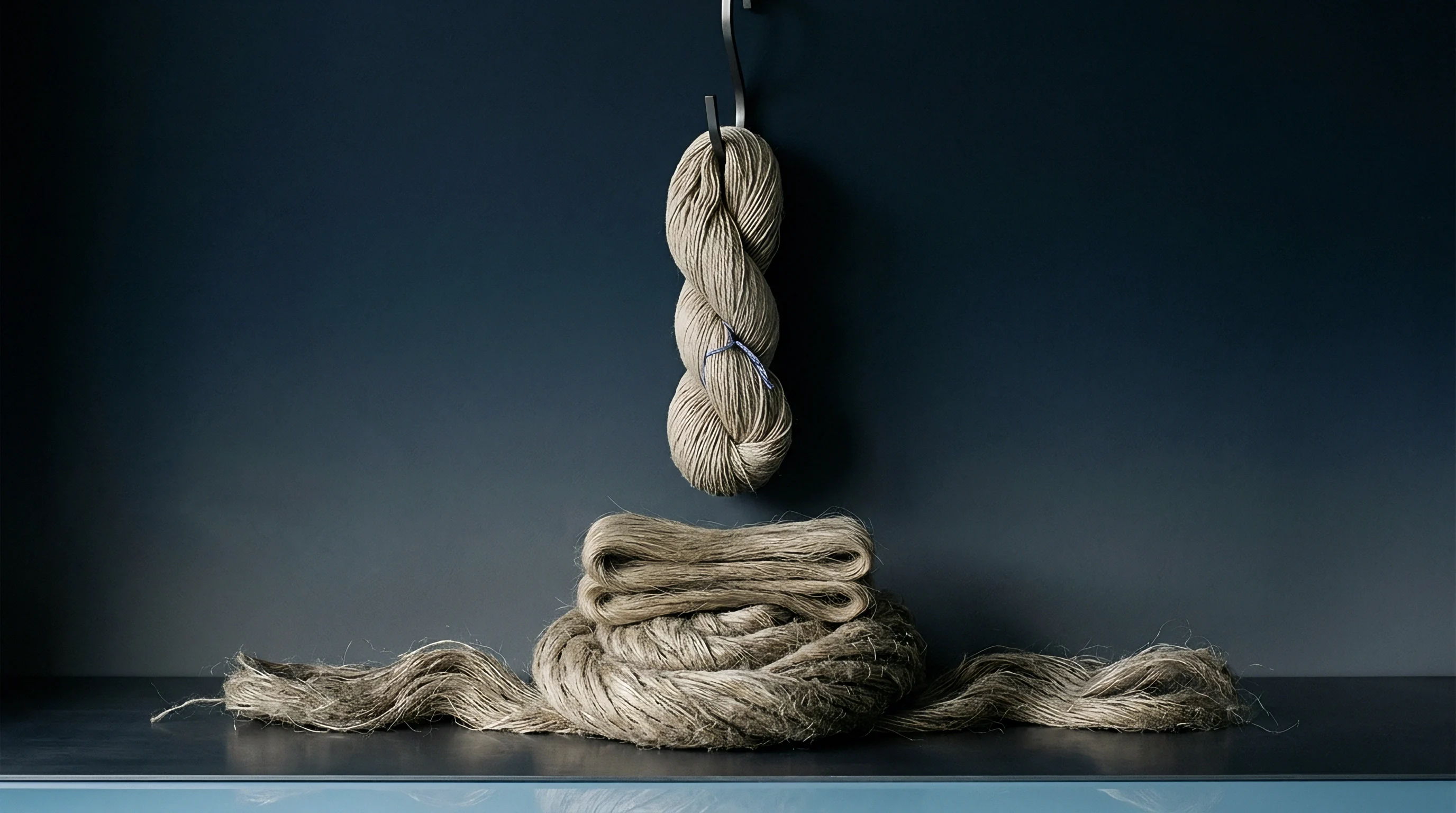
Skein reel sampling procedures measure yarn mass per unit length under ISO 2060 guidelines. Technicians wind 100-metre skeins from randomly selected cones across the delivery lot using conditioned room atmospheres maintained at 20°C and 65 percent relative humidity. The skeins are weighed on analytical balances to calculate actual metric count (Nm) or tex linear density.
Count variation exceeding +/- 3.0 percent from specified values causes uneven fabric weight and barre defects in woven cloth.
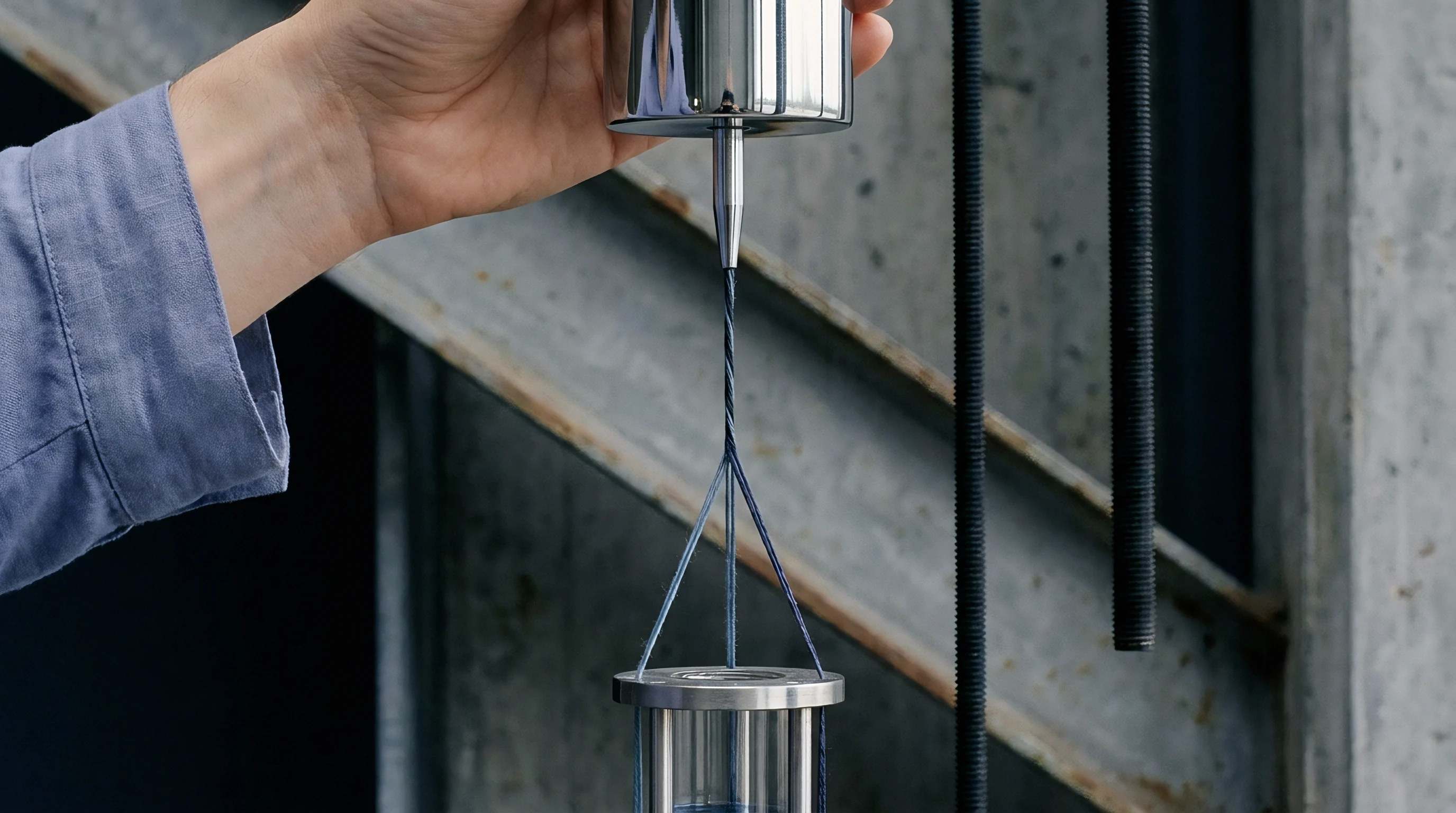
Single-strand tensile testing under ISO 2062 evaluates breaking force and elongation at break. Automatic tensile testers pull yarn strands at constant rates of extension until rupture occurs. Wet-spun line yarns demonstrating sudden drops in breaking tenacity indicate thermal damage during trough processing or excessive drafting tension during ring spinning.
Mass variation testing using capacitive Uster testers records mass fluctuations along the strand length, reporting overall coefficient of variation (Uster CV%) and periodic defect counts including thin places, thick places, and neps.
Acceptance Sampling and Defect Tolerance Thresholds
Statistical sampling plans establish lot acceptance limits based on critical quality criteria. Technicians select sample packages according to ISO 2859-1 sampling tables based on total container package counts. Testing targets check key performance thresholds, rejecting lots that exceed pre-determined failure rates for count deviation, low single-strand strength, or excessive mass variation.
When laboratory testing identifies non-conforming yarn lots, technical managers issue formal quality claim reports backed by certified laboratory test sheets. Discrepancies in metric count, low tenacity, or elevated Uster CV values justify financial debits or lot returns, ensuring that weaving lines receive yarn capable of running without excessive loom stops.