
Flax Wet Spinning Attenuation Bath Temperature Control Procedures
Maintain attenuation bath liquor between 58°C and 64°C with indirect heat exchange to plasticize flax pectins uniformly and prevent fiber bundle breakdown.

Maintain attenuation bath liquor between 58°C and 64°C with indirect heat exchange to plasticize flax pectins uniformly and prevent fiber bundle breakdown.
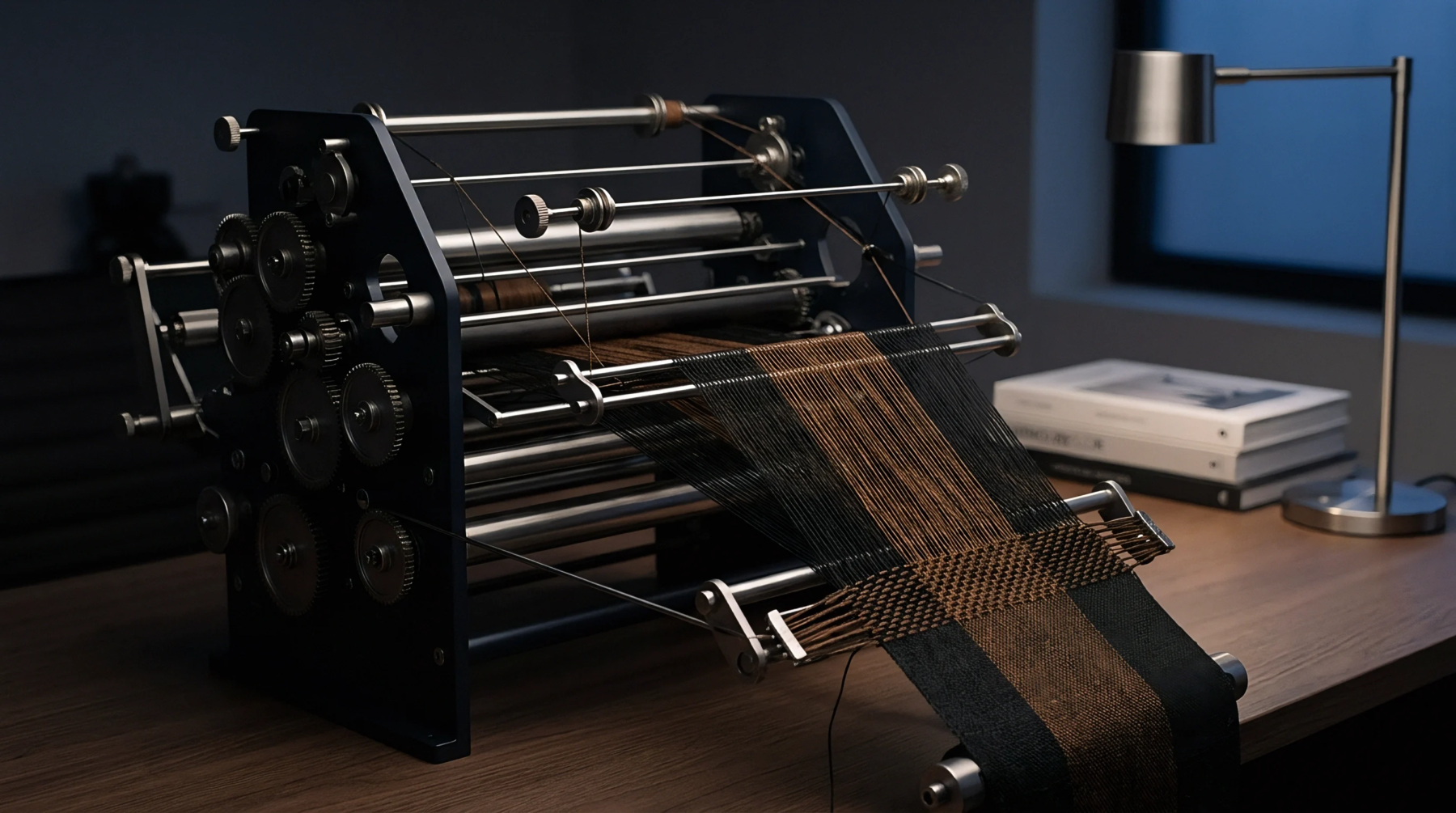
Dynamic viscoelastic friction transitions in wet bast yarns trigger severe stick-slip stops, demanding rigid moisture control to protect loom efficiency.
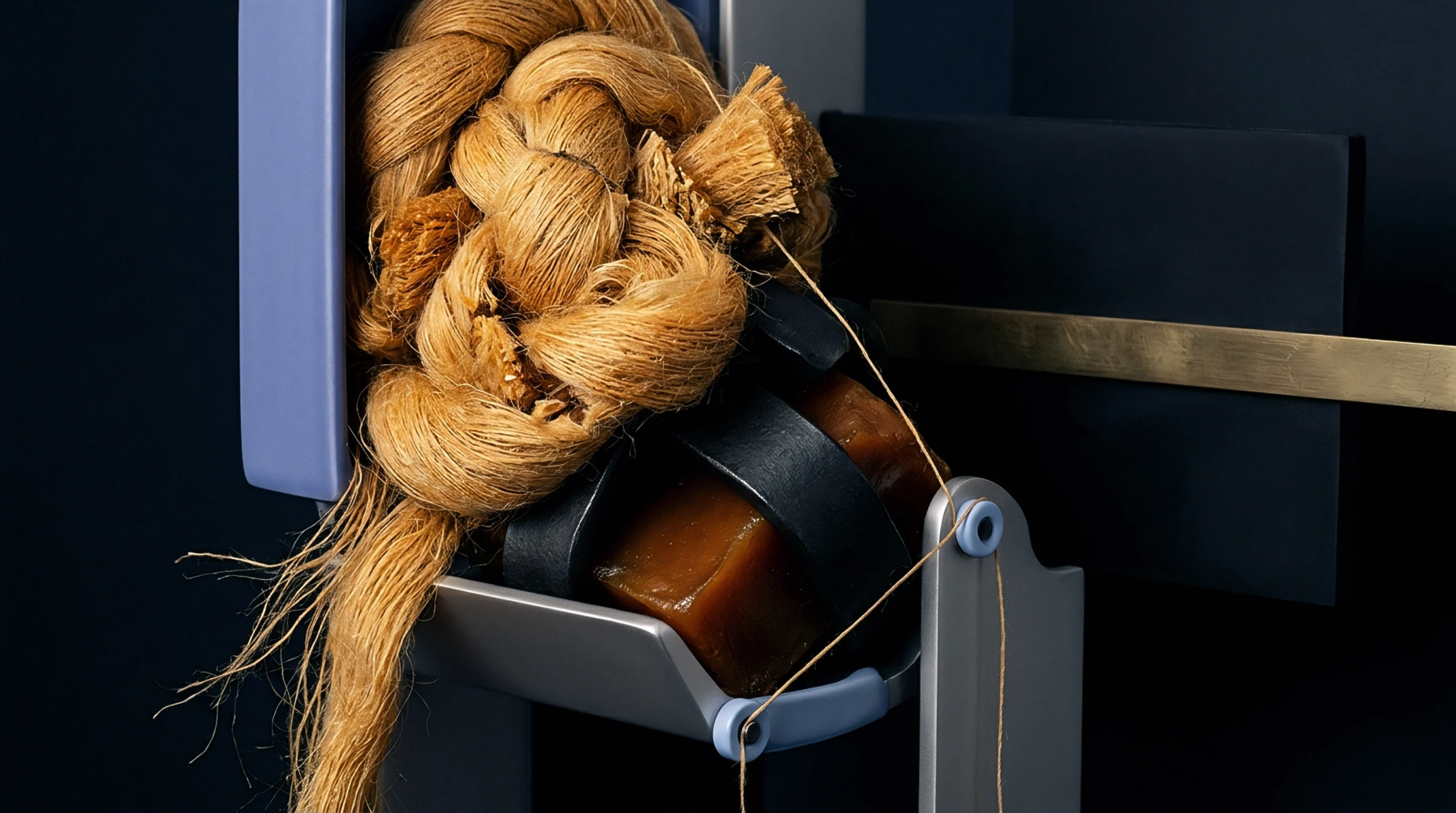
Trough liquor at 55 to 75 degrees Celsius softens flax pectin lamellae, allowing low-tension drafting of elementary cells into high-count linen yarns.
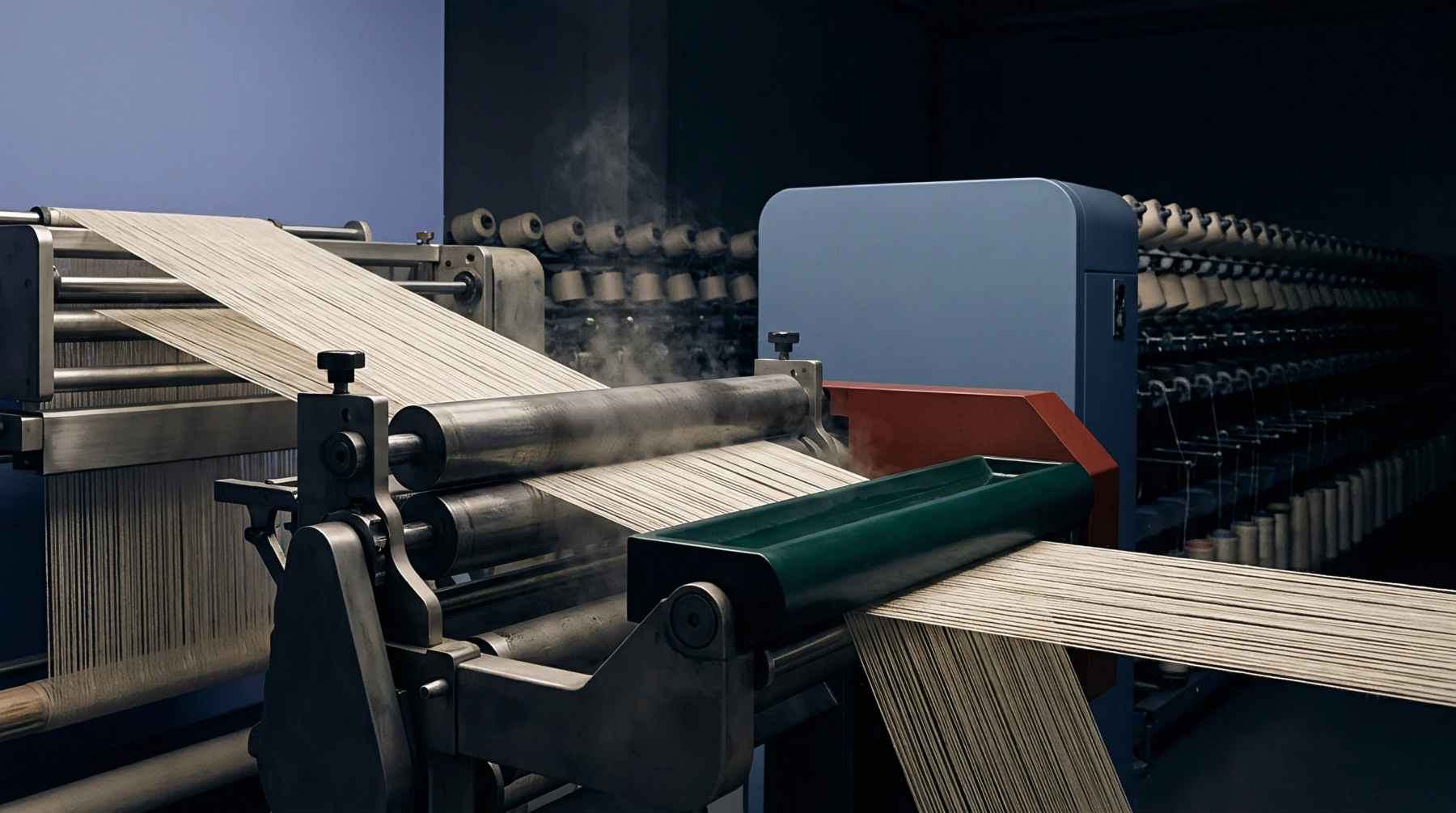
Targeting 1.8 to 2.4 percent residual pectin optimizes line yarn void fraction at 0.48 to 0.52, preserving drafting stability without bundle collapse.

Isotopic testing of bast fibers provides strong origin verification but requires chemical purification to eliminate retting and finishing noise.

Tuning wet-spun flax inter-yarn static friction to 0.22-0.28 enables yarn clustering at the tear apex, doubling jacquard linen tear resistance over 45 N.
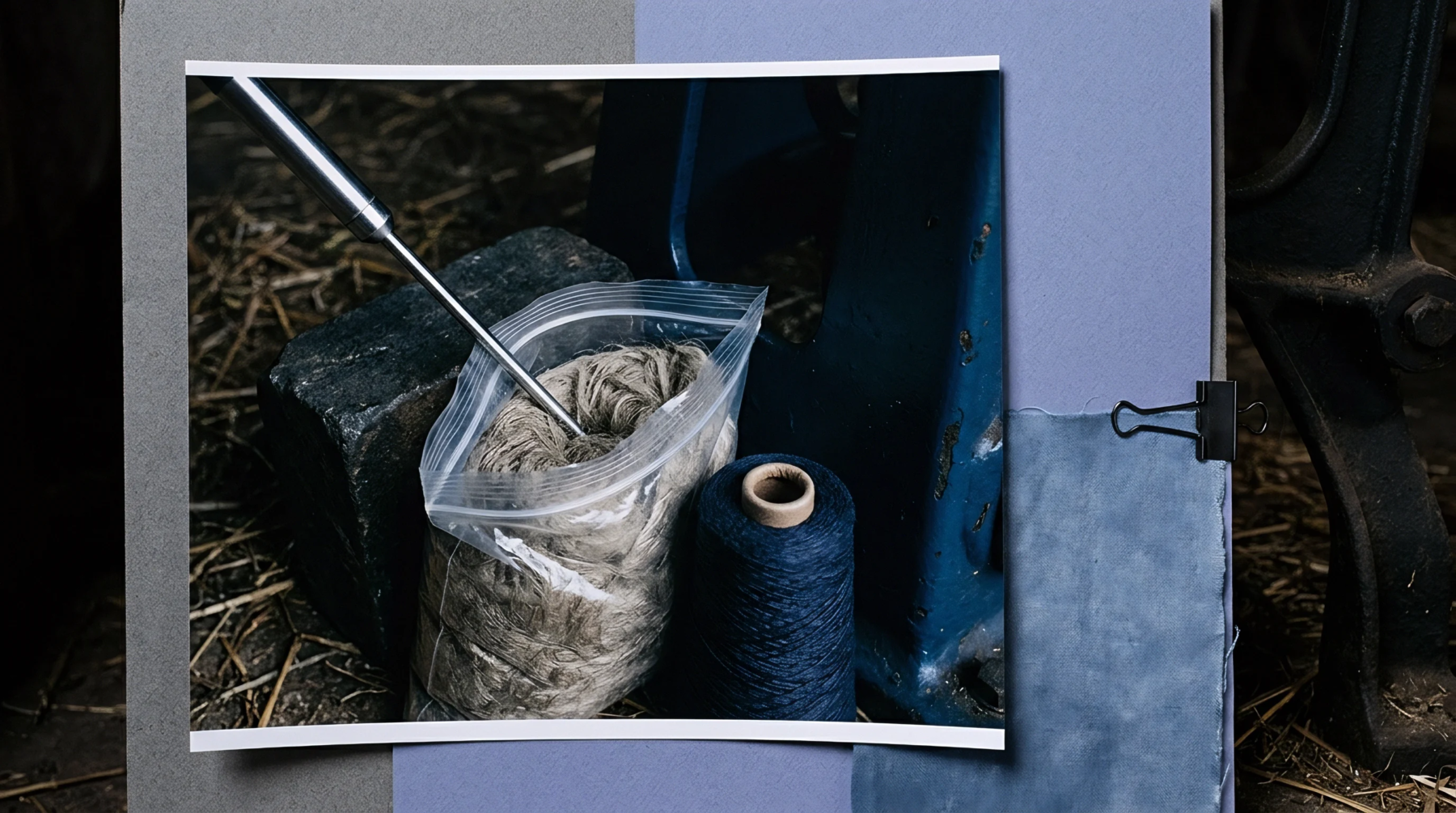
Residual pectin between 1.3 and 1.8 percent maximizes yarn tenacity by enabling technical bundles to divide for tight packing while preserving axial shear cohesion.
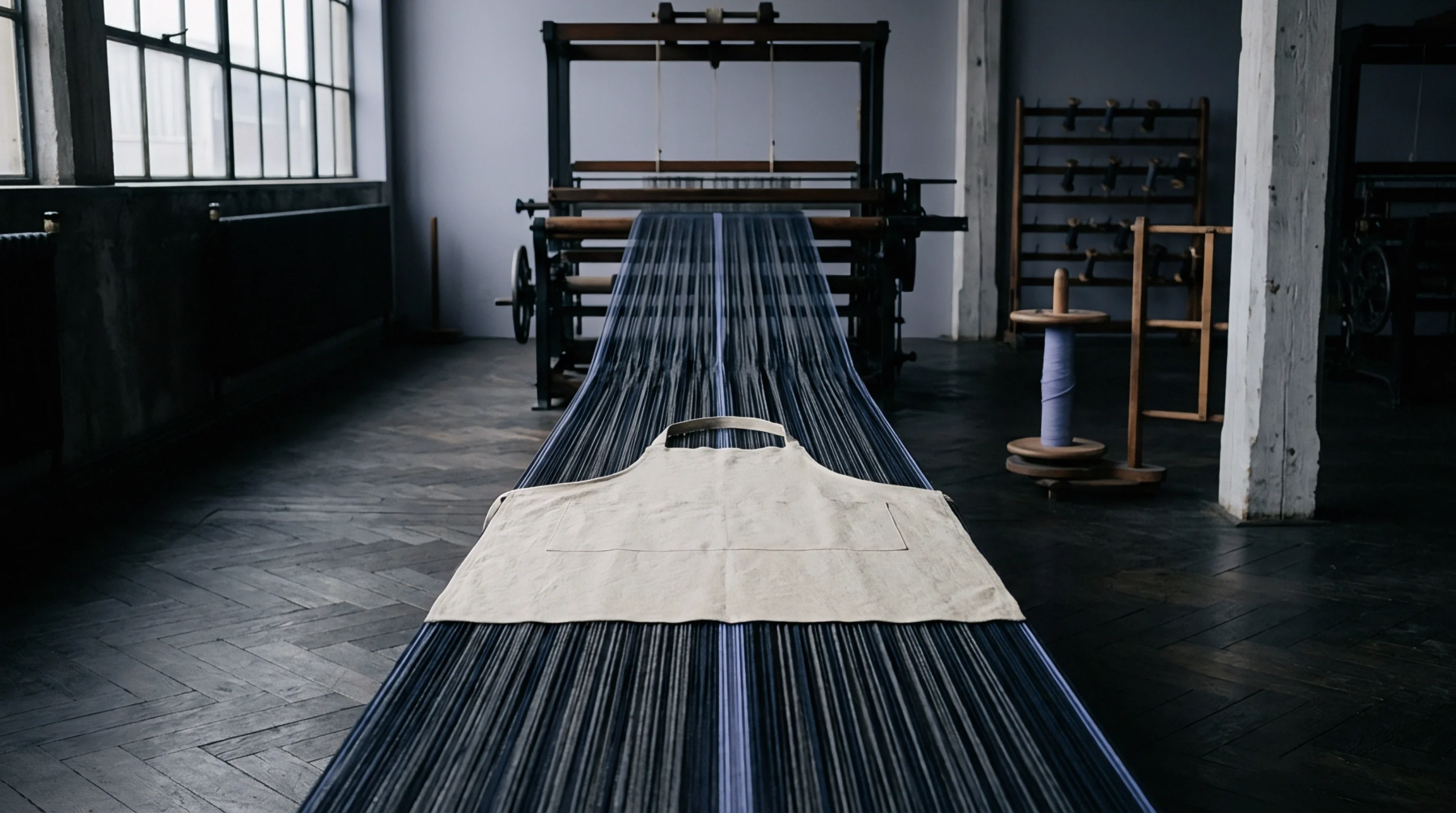
Linen yarn mass balance requires bone dry calculations that account for three to six percent pectin extraction and fourteen percent moisture regain variance.
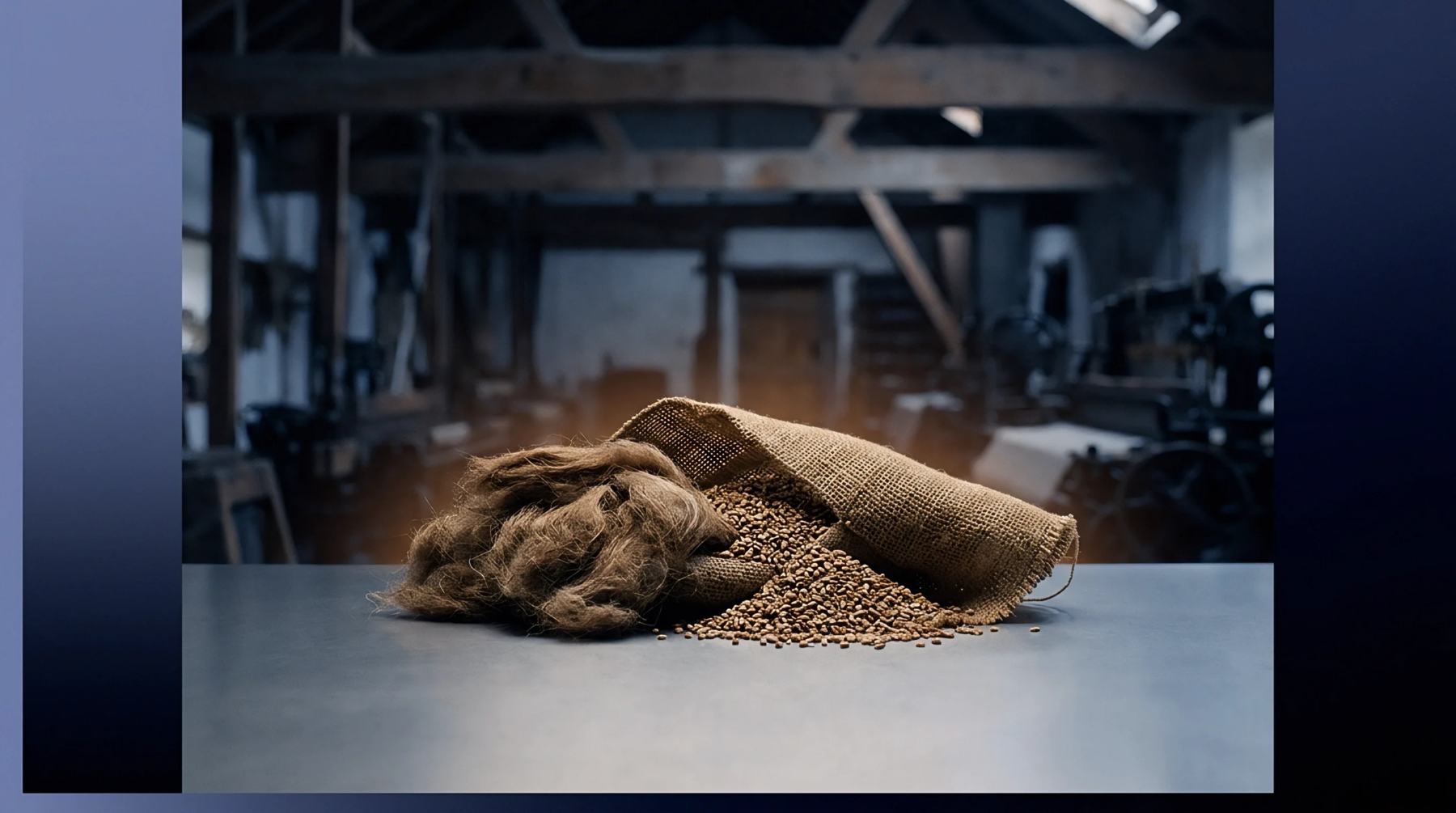
Elementary bundle separation balances pectin removal against cellulose damage to fix hackling yield and the finest spinnable wet-spun yarn count.

Polyuronide extraction kinetics dictate middle lamella shear failure, establishing draft speed ceilings to prevent yarn delamination and mass variation.
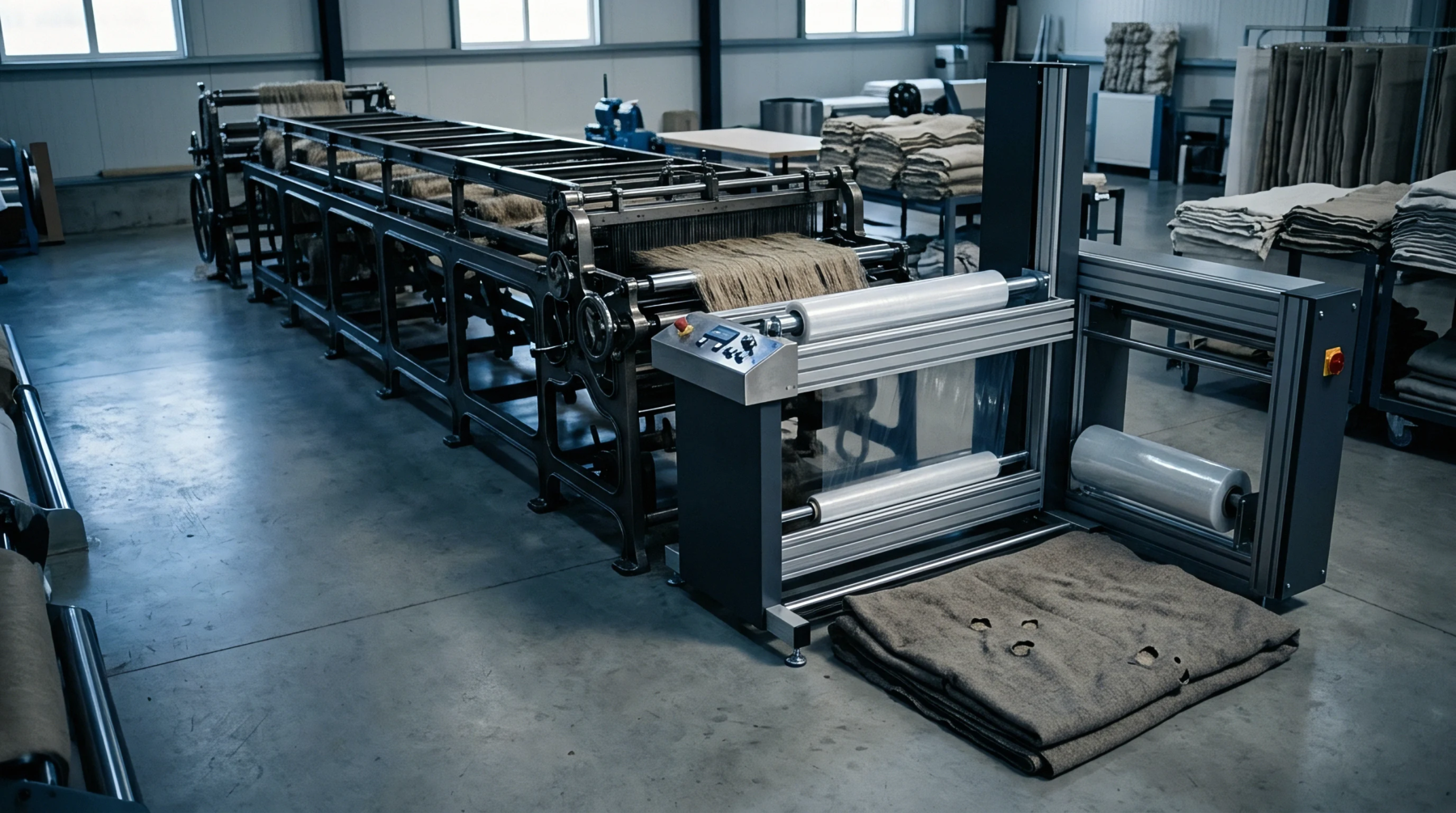
Controlled hydrothermal pectin dissolution in wet-spinning troughs unlocks elementary flax filaments, enabling drafting beyond 80 Lea counts.
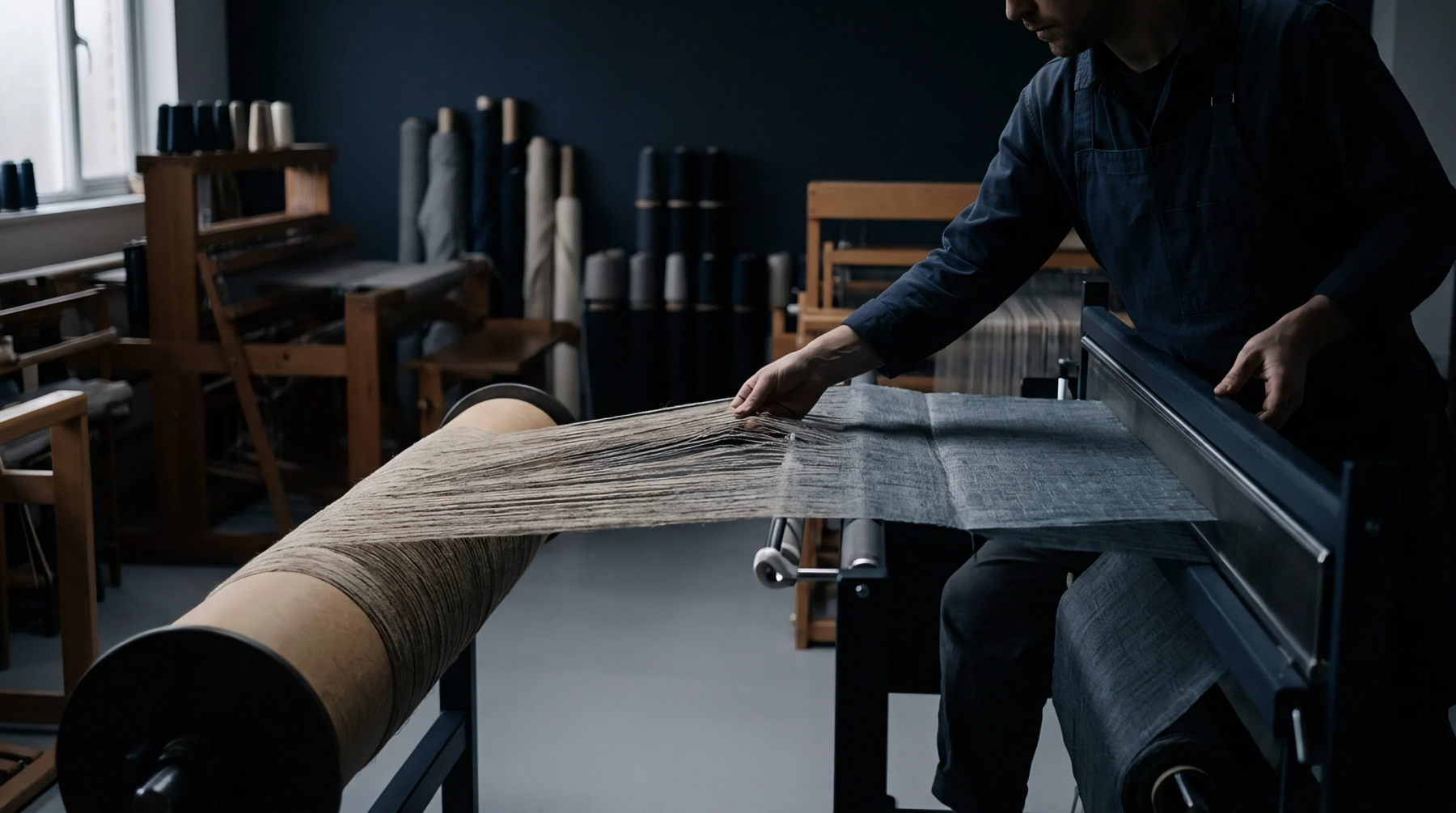
Plain interlace linen hits mechanical jamming when warp and weft cover factors exceed twenty-eight, demanding twill structures for higher densities.

Polymer clamp degradation causes dynamic slip and weft transfer failure at high picks per minute, demanding hydrolysis-resistant inserts and scheduled renewal.
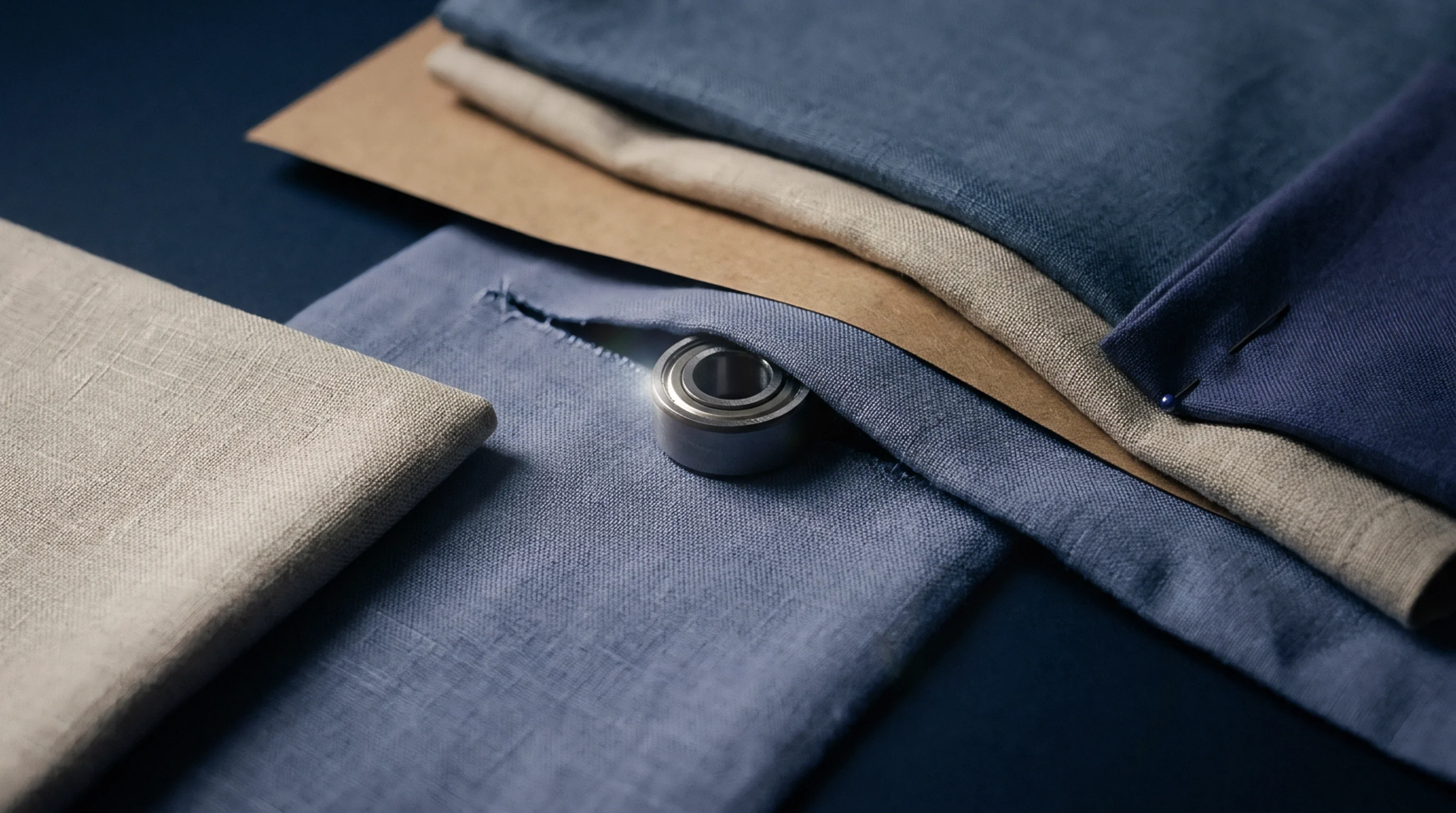
Ocean microclimates generate steep radial moisture gradients in dense flax bales, rendering single-core regain tests inaccurate for invoicing and spinning prep.

Physical segregation requires verified transaction certificates, moisture-adjusted mass reconciliation, secure cordons, and core sampling before warehouse release.
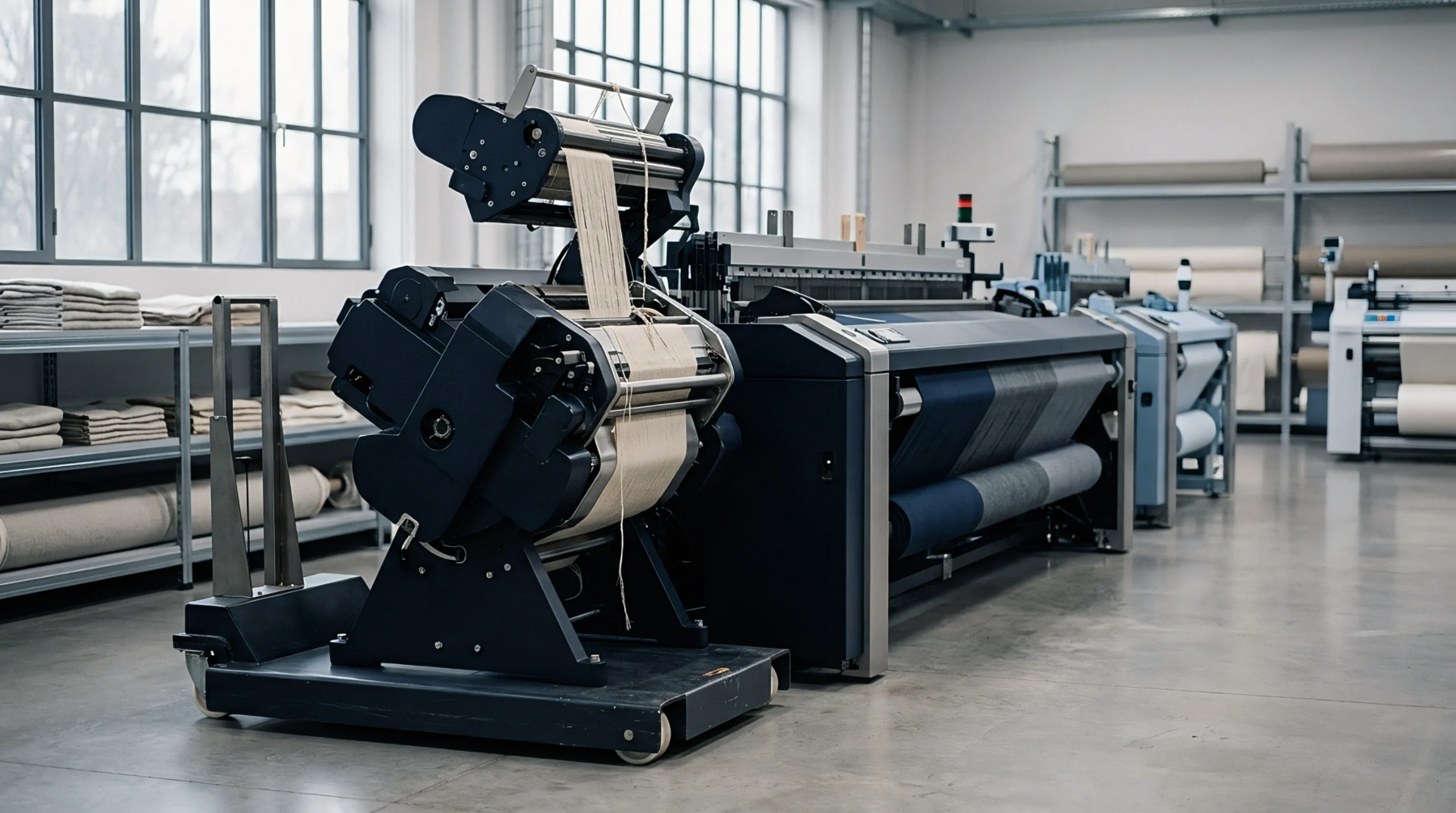
Dynamic viscoelastic hysteresis induces middle lamella shear slip, causing warp slack and fabric defects unless machine kinematics and sizing mitigate tension spikes.

Controlled hot-water flume immersion softens pectin middle lamellae, enabling technical bundle splitting into fine elementary fibrils for high-count wet spinning.
Spinning European flax fibre into yarn in Asian facilities constitutes substantial transformation, assigning non-preferential customs origin to the spinning country.

Dynamic tensile impulse peaks during rapier transfer can exceed static yarn strength and destroy brittle linen unless microsecond braking dampens peak shocks.
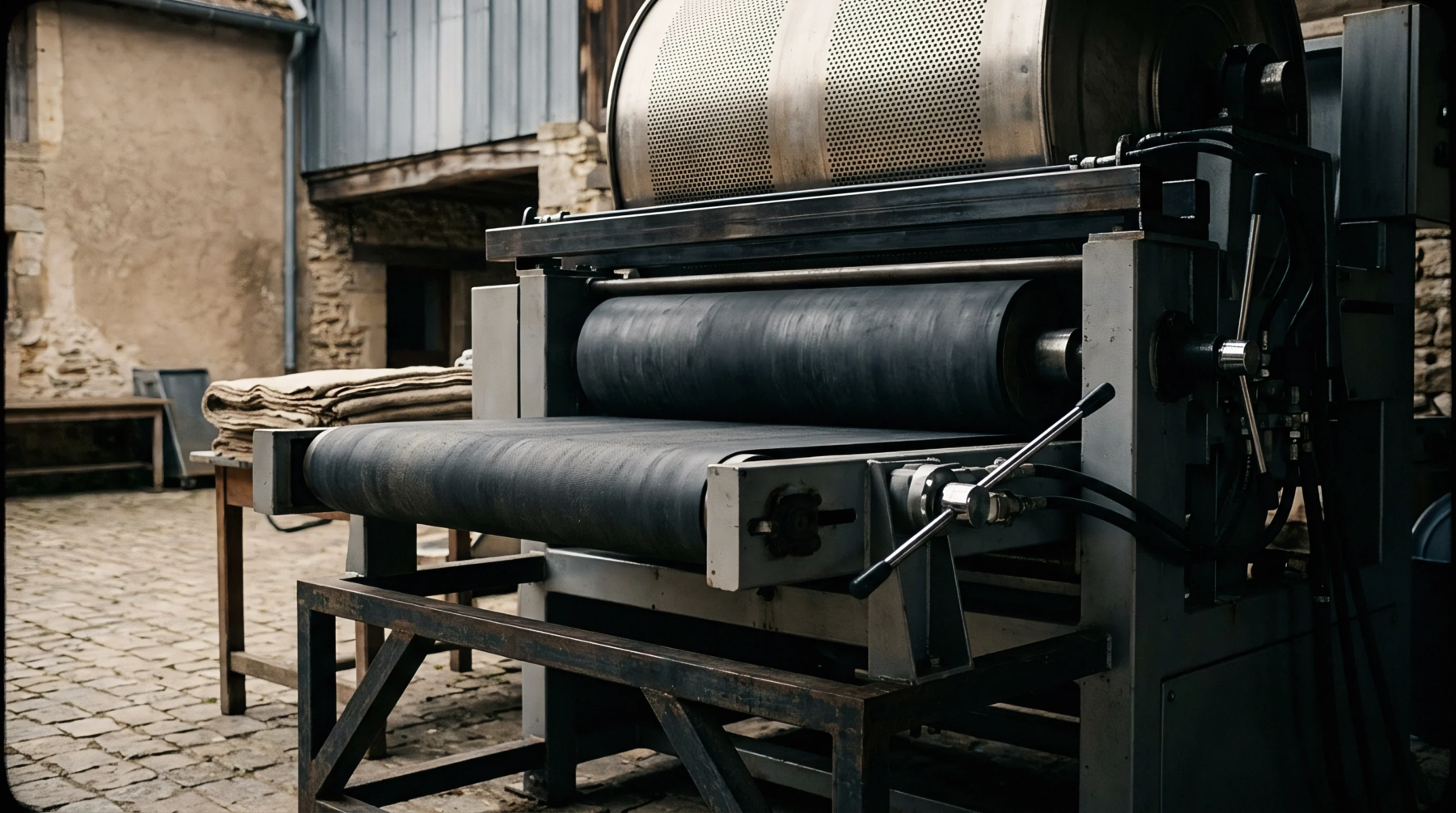
Landed weight adjustments convert raw weighbridge bale mass to certified dry cellulose plus twelve percent commercial regain to settle cross border flax invoices.

Dynamic catch cord tension decay causes filling tail retraction, forcing wider cutter clearances that expand primary trim waste and inflate production costs.

Weft waste penalties scale with linear yarn mass and machine cut-off clearance, requiring multi-width loom optimization to keep coarse flax losses below five percent.
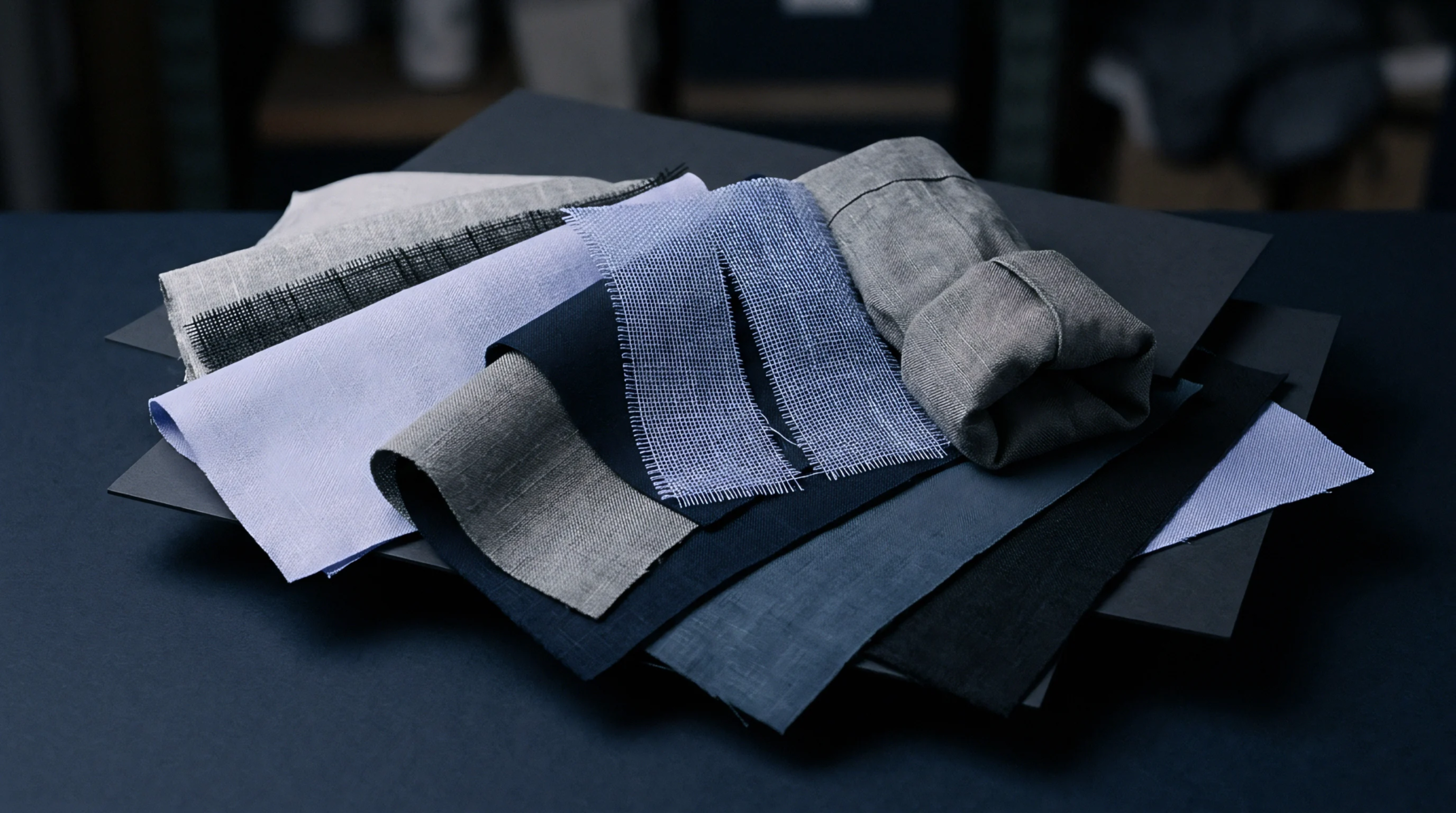
Cohesive zone modeling prevents flax warp cleavage by matching shed opening acceleration to pectin shear yield limits.

Standard commercial mass in scutched flax trading converts oven-dry weight to invoice mass using the agreed twelve percent moisture regain factor under ISO 6741.

Validate transaction certificates by reconciling net yarn weights, moisture regain, and issuing body databases against Chinese mill customs import records.

Calculate left and right rapier scrap by summing side mechanical clearances over total insertion length to determine true weft mass requirements.
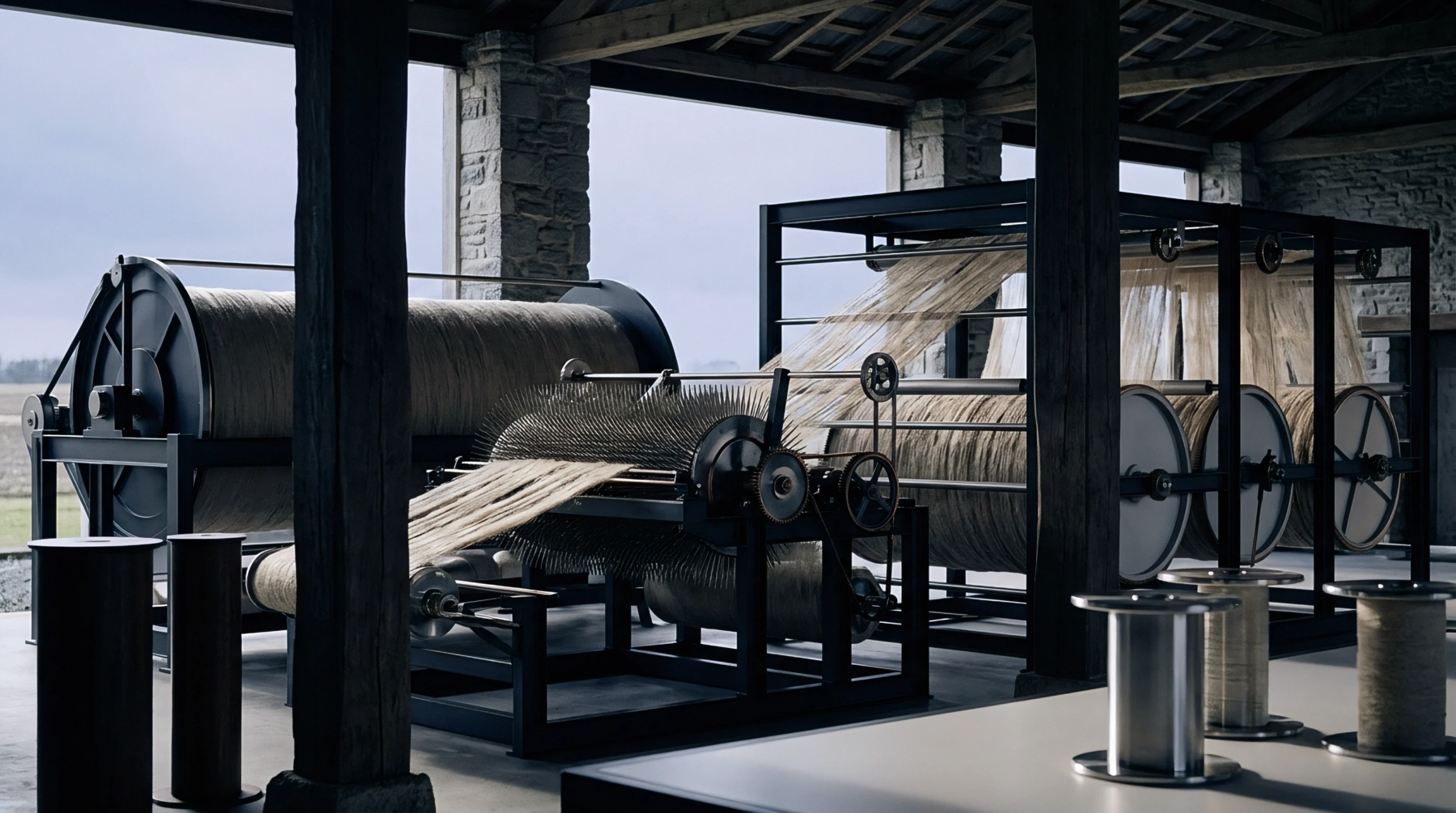
Hydrodynamic shear and hydrothermal pectin dissolution in high-speed wet drafting zones extract 4 to 8 percent of dry flax mass into unmonitored effluent streams.
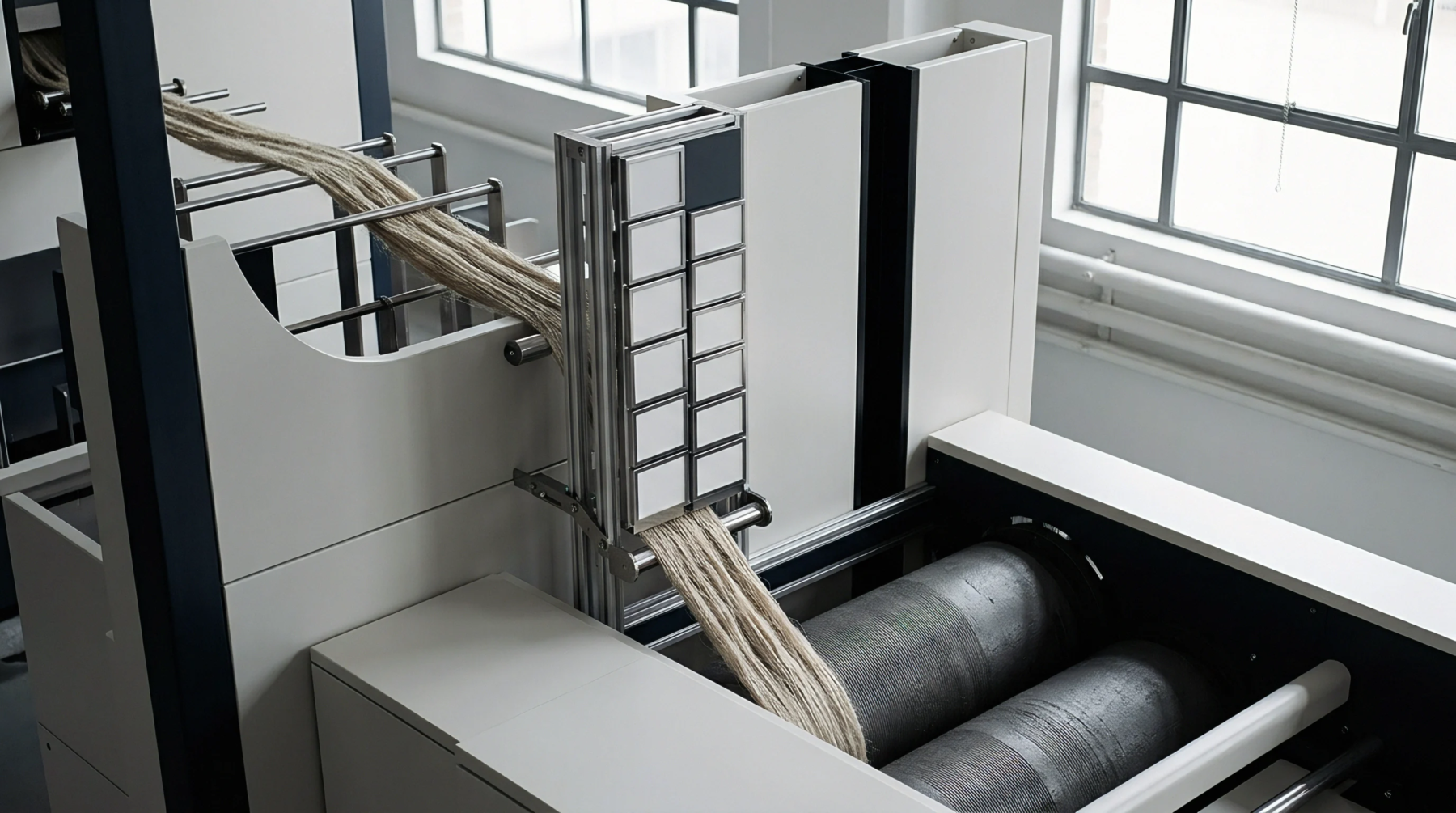
Wet spun linen yarn conversion ratios from hackled sliver range from 68 to 82 percent, governed by chemical boil mass loss and wet spinning drafting waste.

Scutched flax line yarn suitability requires bundle fineness below 1.8 tex, shive under two percent, and uniform retting to prevent comb tow losses.

European Flax chain of custody requires physical lot segregation and batch-level transaction certificates from scutching to finished fabric.
Expertise is a utility, not a secret. sentiention™ publishes its working knowledge as open reference: intelligence layer covering the materials it sources, the markets it enters, and the reference that serves both.