Wave Formation
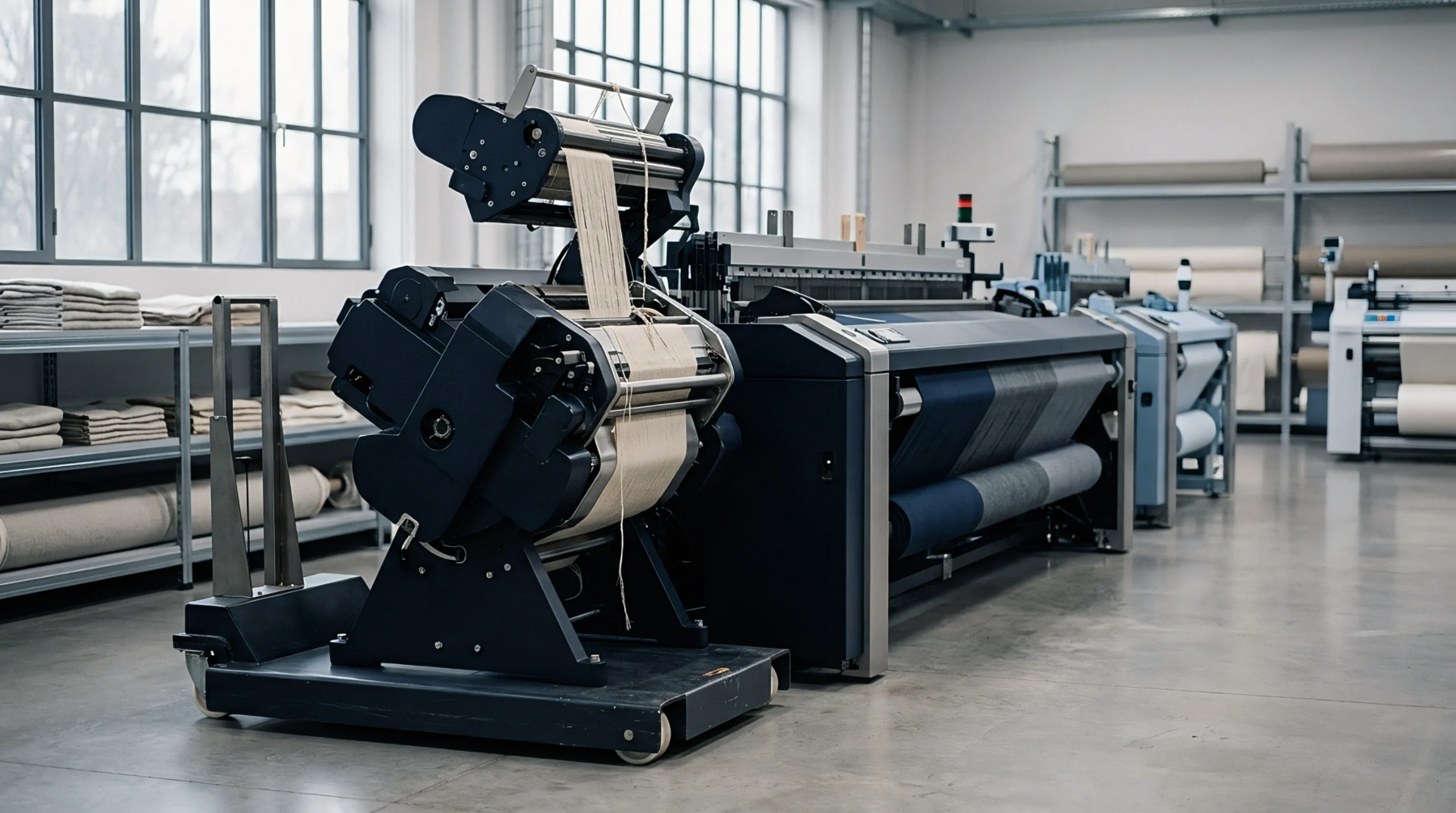
Wave patterns characterize the stationary oscillations that form on a string or yarn held under tension when it is subjected to periodic transverse forces. The standing waves appear in the long sections of yarn running between the creel and the warping beam in a textile mill. These stationary peaks and valleys indicate regions of concentrated stress and slack.
Tension Variation
Mill engineers observe that standing waves often develop at specific winding speeds where the frequency of the drive motor aligns with the natural harmonics of the flax thread. These waves cause uneven tension across the width of the warp, which leads to visible defects such as stripes in the finished linen cloth. Adding ceramic guides or tension rollers breaks the path of the yarn and disrupts the wave formation.
Precise calibration of the winding speed is required to keep the thread vibration within acceptable limits for high quality export fabrics.
Mitigation Tactic
Fabric uniformity requires the elimination of these oscillations during the high speed warping process. Because the amplitude of the standing waves is proportional to the distance between supports, reducing the length of open yarn segments is an effective way to maintain control. This technical adjustment ensures that every inch of the warp beam carries an identical load.