
Flax Middle Lamella Composition and Enzyme Retting Fundamentals
Controlled enzymatic cleavage of middle lamella calcium-pectate networks boosts hackled line yield by eight percent, unlocking high-count wet-spun linen yarns.
Controlled enzymatic cleavage of middle lamella calcium-pectate networks boosts hackled line yield by eight percent, unlocking high-count wet-spun linen yarns.

Controlled pectate lyase hydrolysis splits coarse flax bundles to 25 micrometres, raising wet-spun limits to Nm 60 while keeping hackling waste below 18 percent.

Calibrating flax hackling requires balancing pin density against bundle retting depth, directly fixing spinnable line yield and finished metre costs.

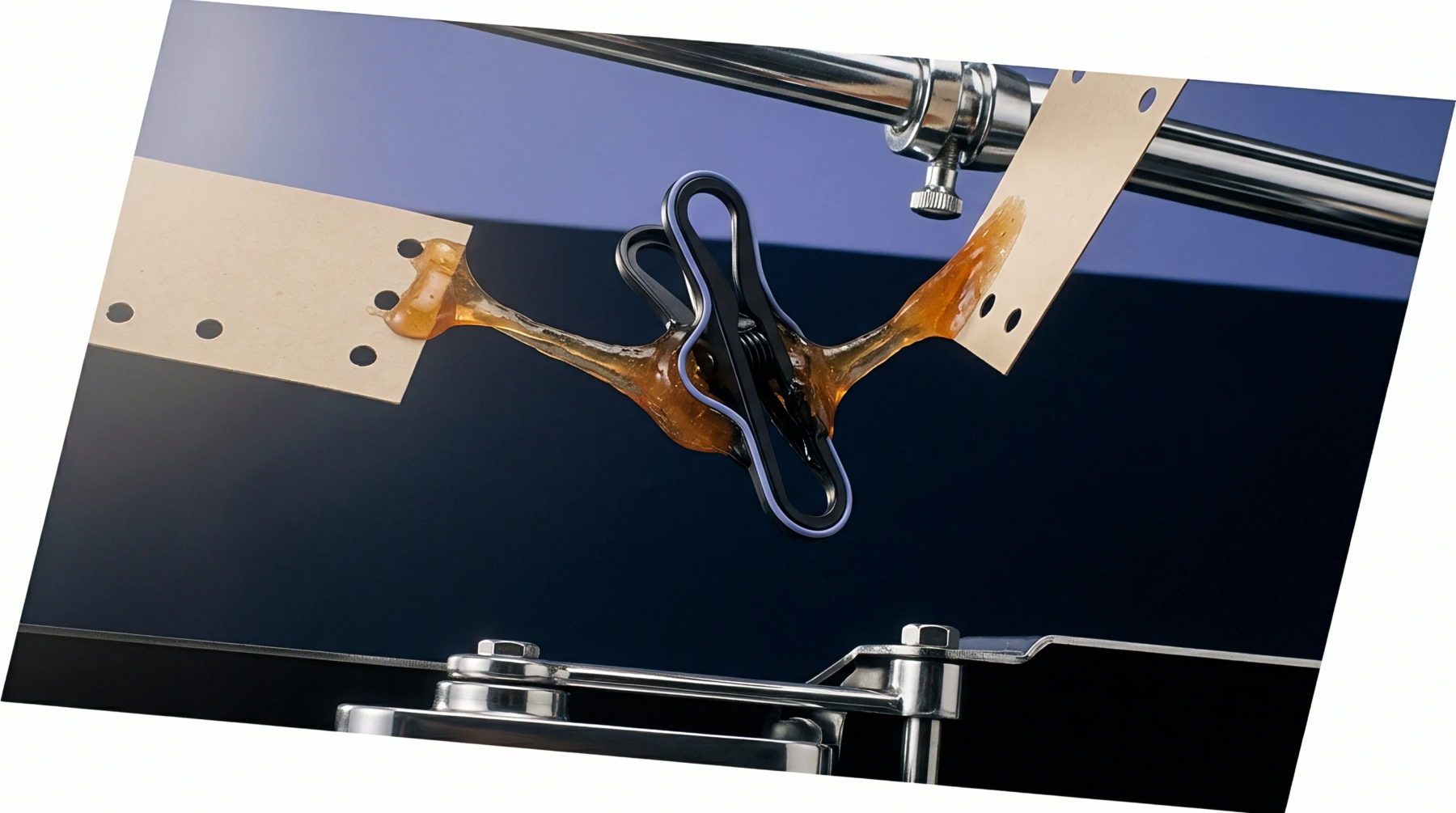
Selecting an 11.8-millimetre Pressley clamp gauge over zero gauge measures inter-filament pectin shear, yielding tenacity figures that predict flax spinning performance.

Elementary bundle separation balances pectin removal against cellulose damage to fix hackling yield and the finest spinnable wet-spun yarn count.

Physical segregation requires verified transaction certificates, moisture-adjusted mass reconciliation, secure cordons, and core sampling before warehouse release.

Flax technical bundle fineness dictates maximum spinnable yarn count while 3.2 millimetre gauge tenacity governs wet-spinning end breaks and hackling yield economics.

Graduated hackling pin density increases flax sliver tenacity by splitting bundles until needle pitch falls below bundle diameter, causing fiber truncation.
Steep secondary cell wall microfibril orientation maximizes bast fiber axial tenacity, reducing yarn breakages and lower landed spinning costs.

Climate-driven microfibril angle increases lower bast fibre tenacity, requiring adjusted wet-spinning draft ratios and altered contract strength limits.

Dynamic intake tenacity calibration against climate-induced microfibril degradation requires Weibull-adjusted bundle testing to prevent severe hackling yield loss.

Bale opening routines verify dry mass, bundle tenacity, and shive content under ISO standards to lock in spinnable count and true fibre value before payment.

Long staple flax tenacity and scutcher loss dictate yarn spinning limits and processing economics, requiring standardized ISO gauge length testing and mill-level mass balance verification.
Expertise is a utility, not a secret. sentiention™ publishes its working knowledge as open reference: intelligence layer covering the materials it sources, the markets it enters, and the reference that serves both.