
Optimizing Chemical Chelation Bath Parameters for Fine Count Flax Spinning
Optimizing chelation bath pH to 9.8 at 70 °C with EDTA drops residual fiber calcium below 400 mg/kg, enabling stable wet spinning up to Nm 100.
Optimizing chelation bath pH to 9.8 at 70 °C with EDTA drops residual fiber calcium below 400 mg/kg, enabling stable wet spinning up to Nm 100.
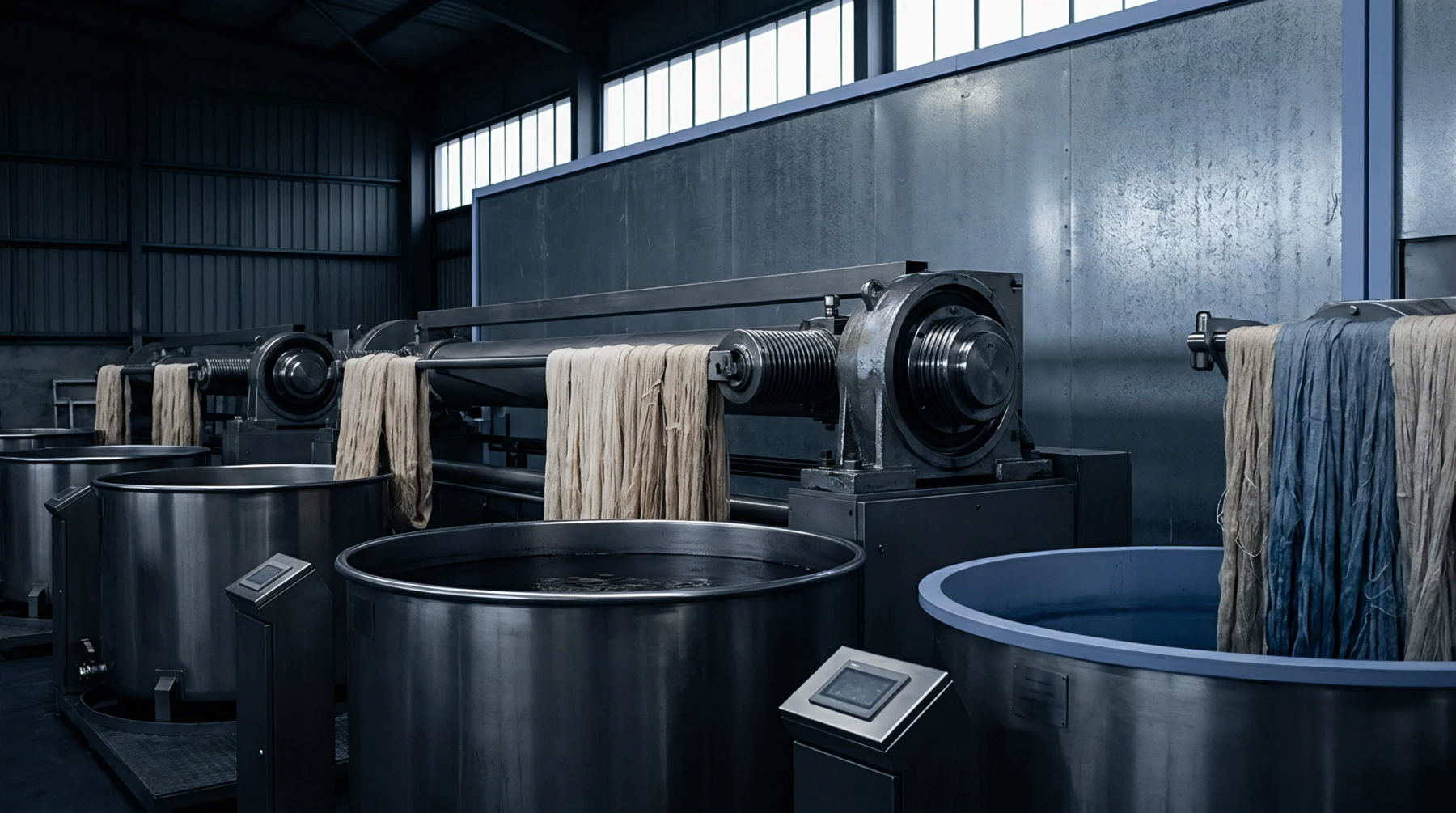
Optimal wet flax spinning requires bath temperatures between 60 C and 70 C with tailored non-ionic wetting agents to soften middle lamella pectins evenly.

Enzymatic retting using selective pectin lyase degrades middle lamella pectin to achieve 1.3 dtex fiber fineness for ultra-fine Nm 100 wet-spun line yarn.

Reconciling physical wet-spinning conversion yields against transaction certificates prevents uncertified tow blending and defends cross-border origin claims.

Controlled enzymatic pectin cleavage in bast middle lamellae dictates line fiber yield, hackling waste, and wet-spun drafting stability in linen production.
Insoluble pectin variations across flax shipments dictate hackling yield and wet spinning break rates, requiring chemical screening to prevent cost overruns.

Correcting yarn oxygen isotope ratios for local process water exchange isolates authentic field signatures and prevents false origin rejections in linen audits.

Gravimetric cut-and-weigh bundle testing under ISO 2370 defines line flax linear density in tex, controlling hackling yield and wet-spinning count limits.

Dynamic calcium pectate dissolution limits drafting speeds; optimized chelation prevents strand breakage and preserves yarn count uniformity.
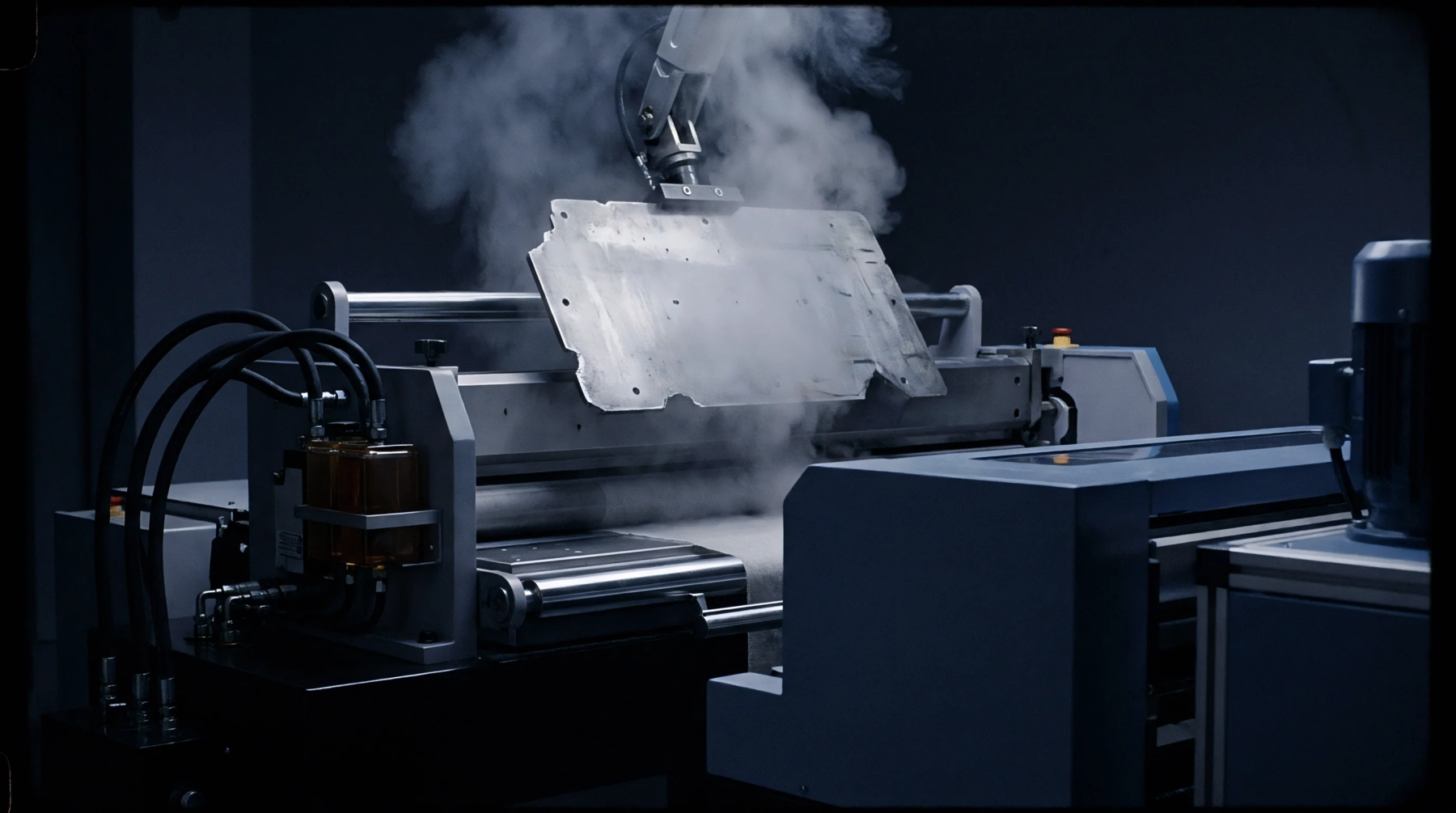
Dynamic multi-port thermal calibration of wet spinning troughs eliminates cold fluid zones, maintaining pectin viscosity to reduce fine yarn breakage by 80%.
Mass balance reconciliation for flax ring spinning requires adjusting incoming fiber mass to standard regain dry weights before issuing yarn credits.

High-speed wet spinning requires trough bath temperature control above 65°C and pH 5.5 to sustain homogalacturonan demethylesterification before drafting.

Export linen yarn transaction certificates require digital certifier validation, net mass reconciliation, and moisture regain checks before customs entry.

Multijurisdictional flax conversion triggers unexpected tariff shifts and retroactive duties when private sustainability certifications diverge from statutory origin laws.

Reconciling linen Transaction Certificates requires matching mill-floor yield loss ratios against yarn count yield curves to spot uncertified fibre substitution.

Enzymatic retting creates a bimodal fibre area distribution that increases hackling line yield to 65% and enables wet spinning to fine Nm 60 yarn counts.

European Flax certificates verify raw fibre origin but cannot grant European tariff origin to yarn or fabric transformed in third-country mills.
Cross sectional fineness variation in flax bundles dictates wet spinning draft limits, yarn mass evenness, end breakage rates, and delivered metre costs.
Expertise is a utility, not a secret. sentiention™ publishes its working knowledge as open reference: intelligence layer covering the materials it sources, the markets it enters, and the reference that serves both.