Quantifying Dynamic Tensile Impulse Peaks in High Speed Rapier Insertion Systems
Dynamic tensile impulse peaks during rapier transfer can exceed static yarn strength and destroy brittle linen unless microsecond braking dampens peak shocks.

Sensor
Direct mechanical measurement of insertion transients in high-speed rapier machinery demands instrument response frequencies above ten kilohertz. A rapier loom running at 650 picks per minute completes a single insertion cycle in roughly 92 milliseconds. Inside that window, the acceleration of the giver rapier, the central yarn transfer to the taker rapier, and the presentation of the weft yarn produce discrete tensile load spikes lasting between 0.8 and 2.5 milliseconds.
Conventional mechanical ring tension meters or standard strain gauge bridges calibrated for steady-state yarn transport dampen these dynamic pulses. Low-frequency instrumentation smooths genuine peaks into broad, artificial curves, creating an illusion of operational safety while yarn accumulates sub-yield structural damage.
Piezoelectric quartz transducers positioned immediately upstream of the loom entry eyelet resolve microsecond transients without mechanical deflection. The quartz crystal responds to compressive shear with negligible displacement, preserving the true kinetic profile of the yarn as it leaves the pre-winder. The transducer requires direct inline positioning with an absolute wrap angle between 15 and 20 degrees around a low-inertia ceramic guide pin.
Deviations in wrap geometry introduce friction artifacts that distort the measured impulse magnitude.
Piezoelectric quartz transducers record transient peak values exceeding 850 centinewtons during center-shed handoff at 650 picks per minute on 26 tex linen.
Signal acquisition hardware pairs with charge amplifiers exhibiting bandwidths up to 50 kilohertz to prevent peak clipping. A signal sampled at two kilohertz truncates the highest tension peaks by up to 42 percent, converting a 900-centinewton destructive shock into a benign 520-centinewton recording. The data logging system matches the loom main encoder output to map tensile force against degrees of main shaft rotation.
- Piezoelectric quartz pins convert microsecond compressive shocks into proportional electrical charges with zero inertial lag.
- Low-inertia ceramic guides maintain fixed yarn trajectory angles across high-velocity insertion cycles while resisting grooving from abrasive flax fibers.
- High-speed charge amplifiers condition raw millivolt signals without phase distortion across the primary fifty-kilohertz measurement bandwidth.
- Shaft encoder synchronization modules index tensile data points directly to crank angle degrees at half-degree resolution intervals.
Calibration relies on dead-weight verification combined with an electrodynamic shaker table to confirm dynamic linearity. Static calibration alone overestimates dynamic sensitivity by five to eight percent due to structural resonance shifts under operating vibration. Tension peaks generate localized acoustic noise within the loom frame, requiring differential signal cables to isolate transducer voltages from electromagnetic motor interference.
Unshielded cabling introduces synthetic spikes that mimic yarn arrest events. The exact mechanical transfer function connecting yarn core tension to the external transducer surface remains an unresolved question under variable yarn hairiness.
Grip
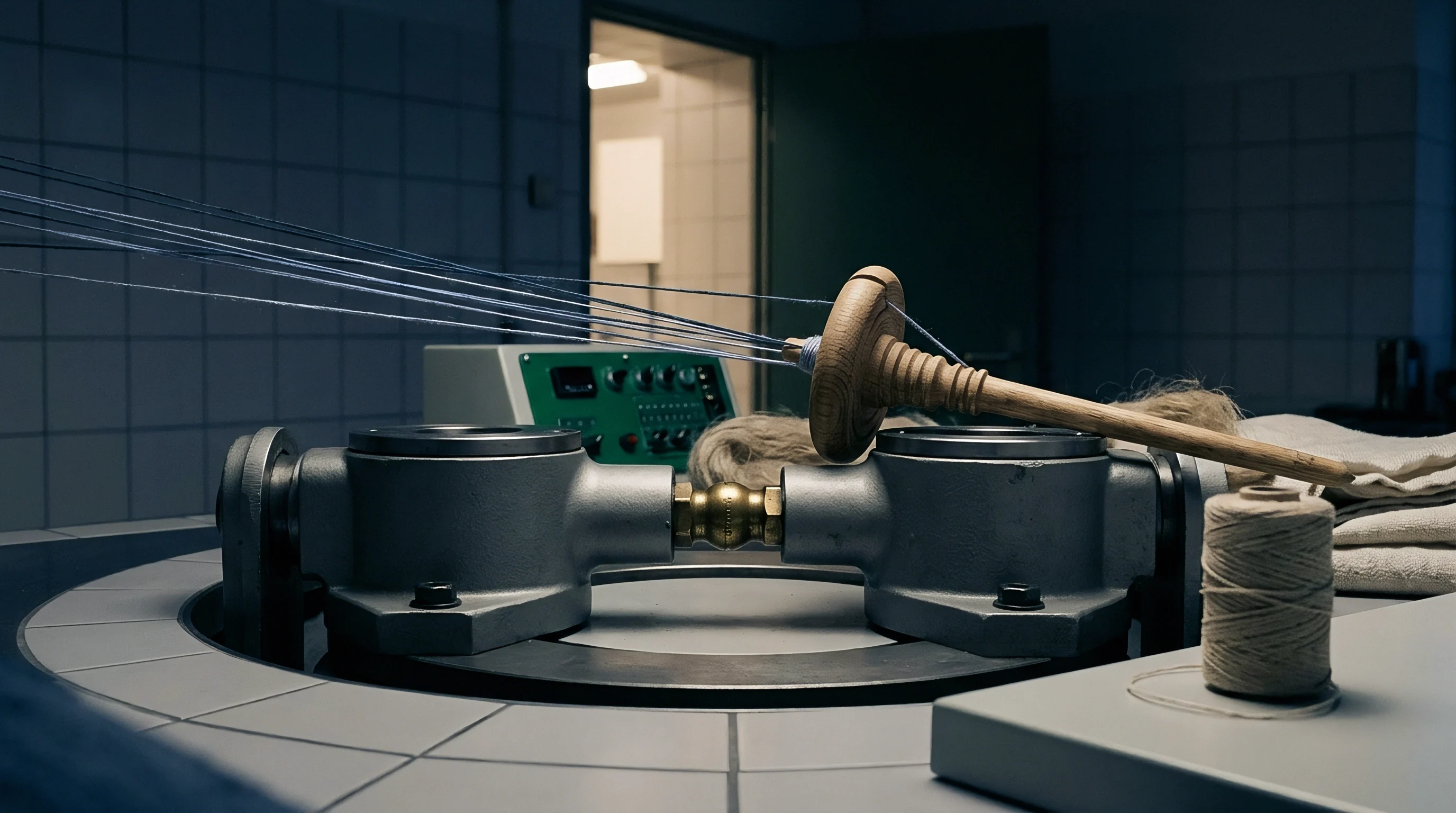
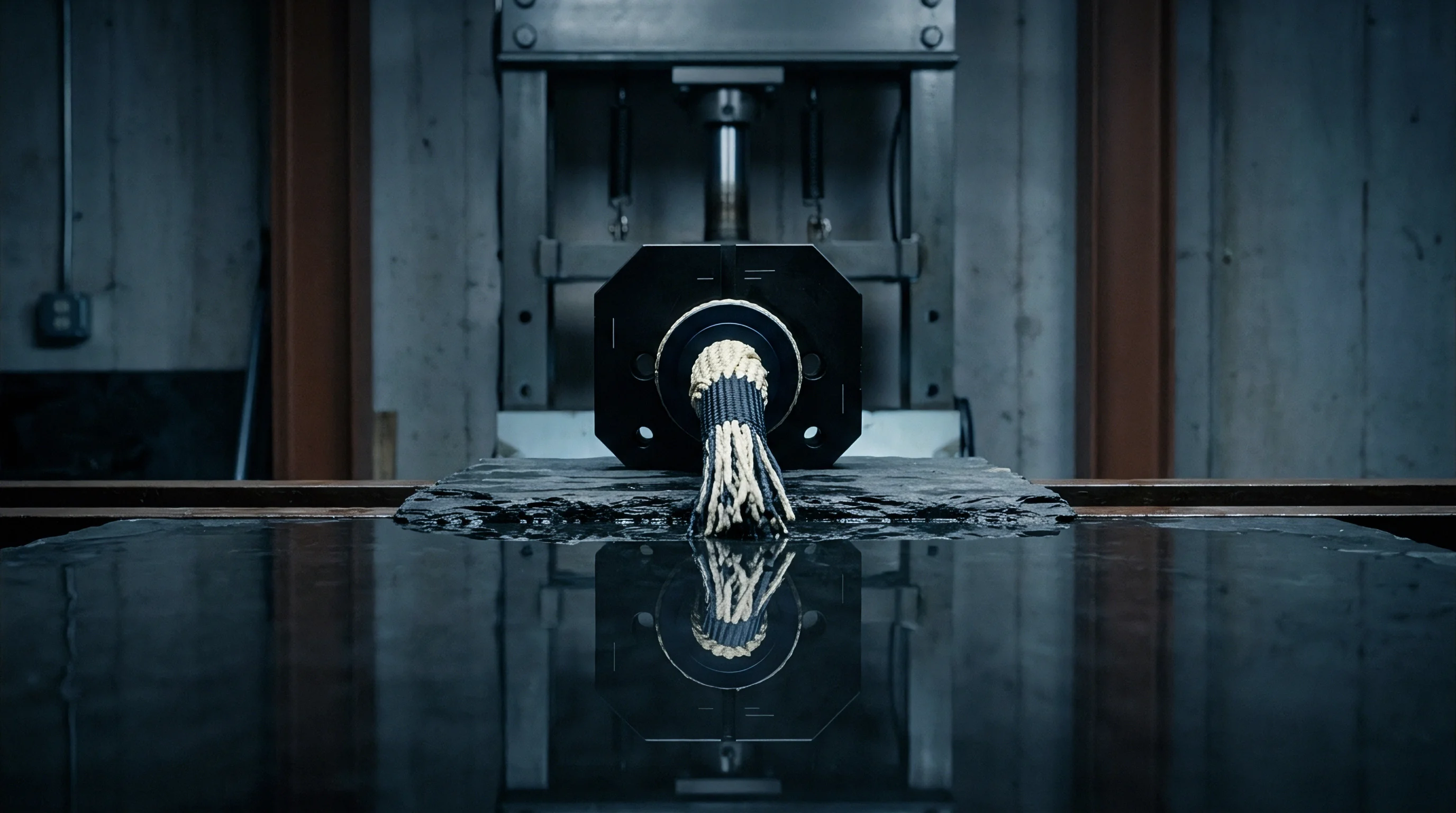
Mechanical clamping within the giver rapier head initiates the insertion cycle through rapid positive displacement. The yarn rests stationary on the selector finger before the advancing rapier clamp closes under leaf-spring or cam-actuated pressure. When the clamp engages the yarn at an insertion velocity of 25 meters per second, the sudden velocity step imparts an instantaneous tensile shock wave that travels upstream toward the pre-winder spool at the longitudinal acoustic velocity of the fiber.

What Dynamic Kinematics Induce Peak Tension Spikes?
Main shaft rotation drives the spatial trajectory of both insertion rapiers through spatial crank mechanisms or complementary cam drives. The highest tensile stress develops during the center-shed handoff between 175 degrees and 185 degrees of main shaft rotation. At this position, the giver rapier releases the yarn while the taker rapier clamp bites and accelerates the yarn toward the receiving selvedge.
The synchronization of clamp opening and closing tolerances controls the amplitude of this impulse. A timing overlap of merely two crank degrees forces the yarn into simultaneous engagement with both rapier heads, producing an immediate spike that exceeds the yield point of bast yarns.
Rapier head deceleration transfers kinetic energy directly into the clamped yarn segment.
Loom builders specify clamping forces tailored to synthetic continuous filaments, but natural staple fibers respond with localized cross-sectional crushing. Excessive clamping pressure severs the outer cortical fibers of linen, while insufficient clamping pressure allows slippage that creates irregular pick arrival times.
| Cycle Phase | Shaft Angle (Deg) | Mean Tension (cN) | Impulse Peak (cN) | Peak Duration (ms) |
|---|---|---|---|---|
| Yarn Presentation | 70 to 85 | 45 | 120 | 4.2 |
| Giver Grip Entry | 90 to 105 | 110 | 480 | 1.8 |
| Center Shed Transfer | 175 to 185 | 180 | 860 | 0.9 |
| Taker Deceleration | 260 to 275 | 95 | 340 | 2.6 |
| Beat-up Release | 310 to 325 | 35 | 160 | 3.1 |
Kinematic acceleration curves dictate the baseline force profile. Modern rapier drives utilize modified trapezoidal or cycloidal motion laws to limit maximum acceleration values to 600 meters per square second. Even with mathematically optimized cam profiles, the mechanical clearance in rapier drive linkages introduces jerk values exceeding 15,000 meters per cubic second.

Brake
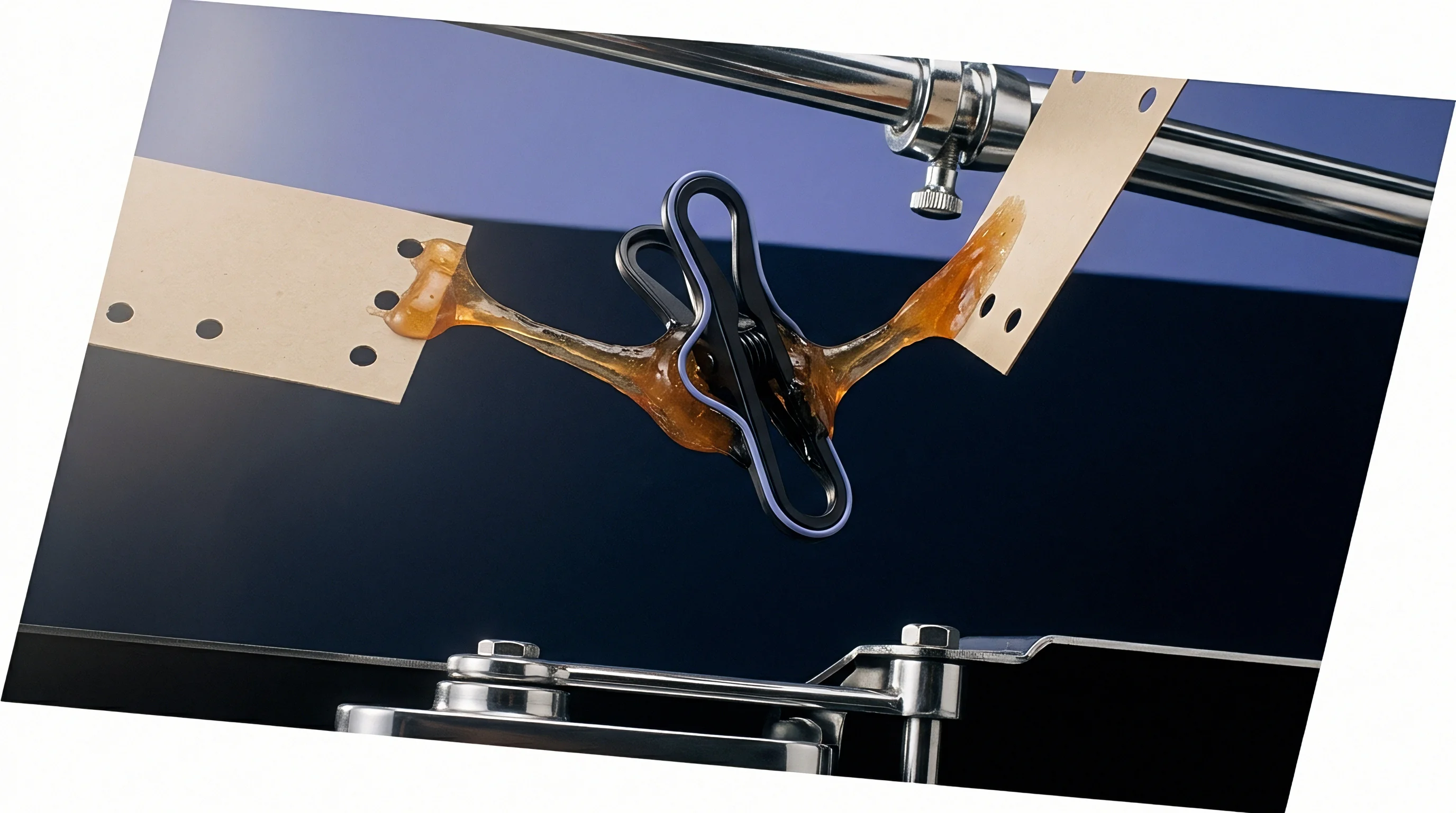
Weft storage units discharge accumulated yarn coils through dedicated braking assemblies positioned downstream of the winding drum. As the rapier head enters the shed, yarn uncoils over-end from the stationary accumulator drum, generating a ballooning envelope subject to centrifugal expansion. The mechanical resistance introduced by the brake counteracts balloon instability and maintains consistent yarn arrival tension.
Excessive braking elevates baseline tension, which compounds with insertion acceleration peaks to cross the fiber rupture threshold.
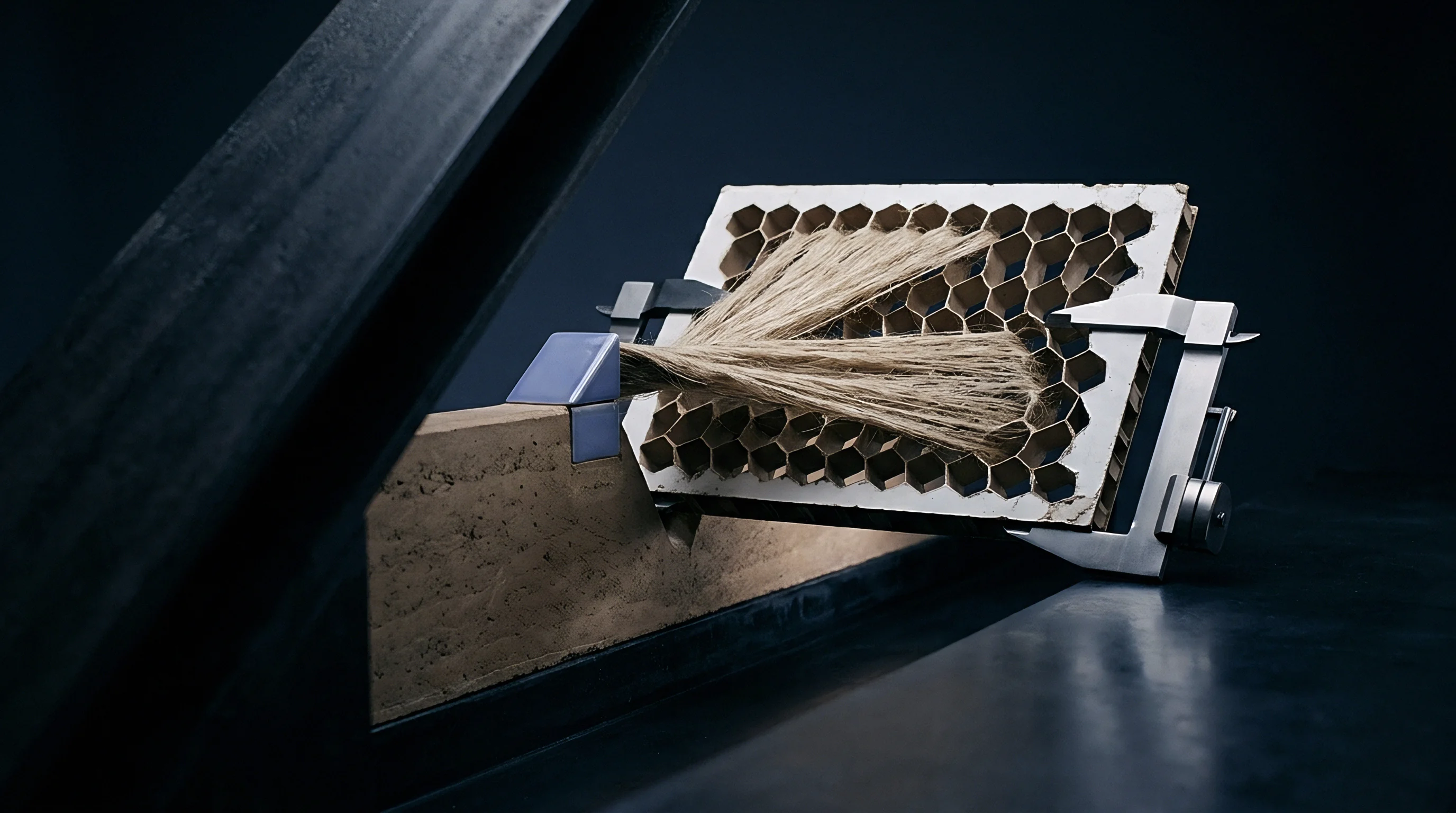
Is Active Electromagnetic Braking Superior to Passive Rings?
Variable braking systems alter applied normal force in direct synchronization with the loom cycle angle. Passive brush rings or leaf springs exert static friction across the insertion cycle, delivering uniform drag during both low-velocity yarn presentation and high-velocity mid-shed transit. Microprocessor-controlled electromagnetic leaf brakes modulate clamping force according to a programmable profile.
The controller unloads normal force during the acceleration phase between 90 and 130 degrees of shaft rotation. Force increases instantly at the center-shed transfer point to suppress balloon collapse, then releases before final rapier exit. Wider sheds amplify pick insertion peaks faster than higher insertion velocities.
- Microprocessor brake actuators apply dynamic clamping pulses within two milliseconds to counteract uncoiling surges.
- Wear-resistant ceramic leaves transfer mechanical braking loads without generating localized thermal hotspots along dry linen yarns.
- Sensorized feedback loops correct applied braking resistance in response to real-time drum uncoiling speed variations.
Frictional heating inside the braking zone alters fiber surface lubrication. Sizing agents and natural plant waxes migrate onto braking surfaces under sustained friction, changing the coefficient of friction from 0.18 to 0.32 over continuous four-hour shifts. The loom technician balances drag resistance against balloon geometry to prevent yarn snarls at low speeds while protecting tensile reserves at production rates.
The running yarn runs smoothest when the brake touches the fiber least.
Flax
Bast fibers possess mechanical properties that render them vulnerable to high-frequency kinetic loading. Linen yarns exhibit an elongation at break ranging between 1.5 and 2.5 percent, offering minimal viscoelastic buffer against sudden displacement steps. Synthetic yarns like polyamide yield plastically under dynamic peaks, redistributing stress across adjacent molecular chains through slip mechanisms.
Flax fibers consist of highly crystalline cellulose fibrils embedded in an amorphous pectin and lignin matrix.
Dynamic testing indicates that flax yarn tenacity increases by 15 to 20 percent under elevated strain rates due to rapid fibrillar alignment, but elongation at break drops toward 1.2 percent. A 26 tex wet-spun linen yarn exhibiting a static breaking force of 580 centinewtons will shatter under a dynamic impulse peak of 520 centinewtons if that load arrives in less than one millisecond. The short load duration prevents internal molecular rearrangement, concentrating shear stresses at natural fiber dislocation nodes called kink bands and leaving unsized linen vulnerable at higher insertion speeds.
In high-speed processing, yarn behavior mirrors structural mechanics seen in rigid materials. The behavior of high-modulus fibers under rapid impulse loading mirrors the stress-wave reflection phenomena observed in high-rate composite manufacture during aerospace tow placement, where unmitigated shock fronts cause premature micro-cracking across brittle matrix interfaces. In rapier insertion, that reflected stress wave returns to the clamp boundary, initiating local fiber fragmentation.
| Yarn Type | Count (tex) | Static Tenacity (cN/tex) | Dynamic Tenacity (cN/tex) | Dynamic Elongation (%) | Critical Peak Limit (cN) |
|---|---|---|---|---|---|
| Wet-Spun Linen | 26 | 22.5 | 26.1 | 1.4 | 540 |
| Dry-Spun Linen | 36 | 14.8 | 16.5 | 1.2 | 460 |
| Combed Cotton | 20 | 18.2 | 22.4 | 4.8 | 580 |
| Tow Linen Blend | 42 | 12.1 | 13.8 | 1.1 | 450 |
Shed humidity modifies bast fiber dynamics directly. Standard test conditions require 65 percent relative humidity at 20 degrees Celsius, but loom-shed floors running pure linen warps maintain 75 to 80 percent relative humidity to plasticize the pectin matrix. A drop of ten percent in relative humidity reduces dynamic rupture resistance by 35 percent.
A baseline dynamic peak limit of 540 centinewtons drops by up to 15 percent when coarse autumnal crops carry higher lignin content. Operating beneath optimal moisture levels accelerates mechanical damage, yielding multiple filling breaks that compromise physical roll integrity across inspection stations.
Sett
Cloth density and reed sett govern the mechanical resistance confronting the insertion mechanism. High warp density creates a closed, abrasive shed corridor through which the rapier heads and the clamped weft must pass. In a heavy plain cloth constructed with 24 ends per centimeter of 26 tex wet-spun linen warp and 22 picks per centimeter of identical weft, yarn-to-yarn friction inside the shed elevates insertion drag by 28 percent relative to open scrim constructions.
The shed opening profile dictates rapier clearance. A shed angle set too low forces the rapier heads to abrade the warp sheet, inducing dynamic bounce in the rapier guides. This mechanical bounce travels directly into the gripping jaws, creating erratic tension spikes that cannot be corrected through pre-winder braking.
Each filling stop on an industrial rapier loom running at 600 picks per minute consumes between 45 and 90 seconds of shed capacity.
ASTM D5430 inspection protocols penalize intermittent filling breaks with four-point demerits that reduce commercial roll yield.
Financial calculations reveal the penalty imposed by insertion impulse mismatches. Consider a manufacturing program booking 500 loom hours across ten high-speed rapier machines running a 150-centimeter width linen cloth at 20 picks per centimeter. At an operating speed of 600 picks per minute, theoretical cloth production reaches 18 meters per loom hour, totaling 9,000 finished meters across the run.
A rise in peak tension spikes that lifts stop rates from 1.2 stops per 100,000 picks to 4.8 stops per 100,000 picks depresses overall loom efficiency from 91 percent down to 78 percent.
That efficiency decline sacrifices 1,300 meters of planned output within the booked slot, elevating overhead charges and machine amortization costs per delivered meter by 16.6 percent. The published dynamic impulse ceiling of 540 centinewtons contains an unverified safety margin under varying loom frame vibration, obliging technical buyers to run five-loom pilot verifications before committing multi-beam production runs. International supply contracts invoking ISO 7211 construction tolerances penalize these downtime losses by transferring unfulfilled pick capacity costs directly onto the mill invoice whenever mechanical stop rates exceed agreed thresholds.