
Calculating Hackled Flax Linear Density under Standard Moisture Regain Baseline
Standard hackled flax linear density multiplies bone-dry sliver mass by 1.12 to enforce the twelve percent statutory moisture regain baseline per meter.

Standard hackled flax linear density multiplies bone-dry sliver mass by 1.12 to enforce the twelve percent statutory moisture regain baseline per meter.

Commercial regain calculations correct long flax sliver invoice mass to a twelve percent standard moisture level using validated oven dry weight testing.
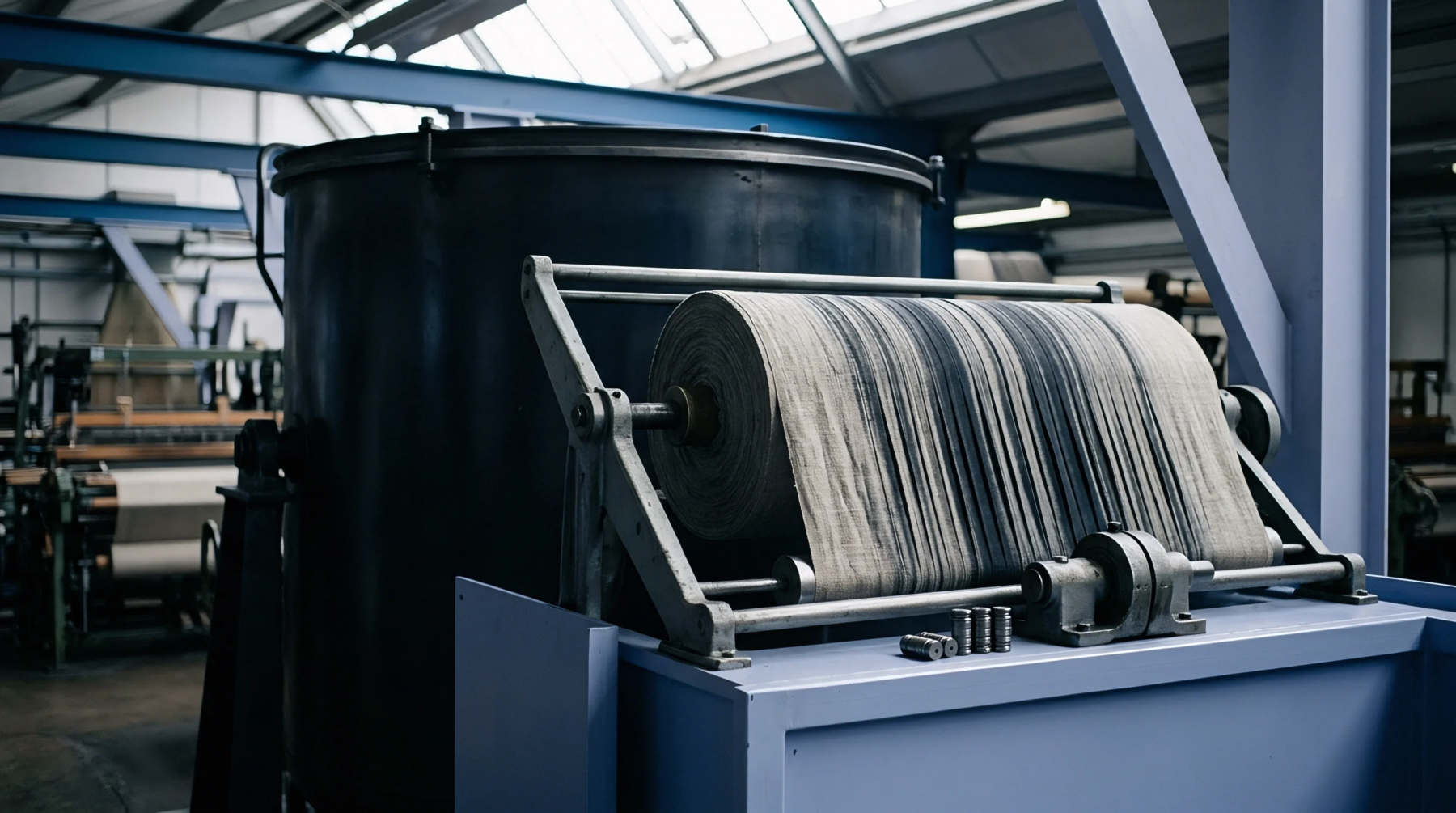
Calculate harness splay via inverse tangent of lateral heald-to-dent displacement over longitudinal reed clearance to keep angular friction below four degrees.

Chemical pectin extraction loss on linen warp yarn must hold between 8.5% and 10.5% to prevent shed cling, high stop rates, and lost high-speed rapier loom hours.

Reconciling runtime bills against mass yields converts raw pick totals to theoretical yarn mass before deducting desizing losses and finishing shrinkage.

Linen finished GSM equals unsized greige GSM multiplied by mass retention yield and divided by combined longitudinal and transverse area contraction factors.

Commercial mass adjustment isolates reversible hysteretic moisture desorption from true bast fiber shedding through certified oven-dry testing.

Forced convection during high speed shed execution strips moisture from linen yarns within ninety seconds, dropping regain below thresholds where breaks spike.

Gravimetric cut-and-weigh analysis of hackled flax sliver prevents catastrophic wet-spinning frame breaks and costly fabric rejection in fine counts above Nm 60.

Reconcile cross-border fiber logistics ledgers by converting gross weighbridge scale mass to certified commercial weight using ISO 6741 oven-dry core test values.

Mass balance yarn accounting requires empirical conversion factors adjusting for moisture regain, mechanical tow extraction, and customs processing loss limits.

Linen spinning yield calculates net long line yarn mass against raw scutched fiber inputs, bounded by a 42 to 52 percent mechanical and chemical conversion limit.
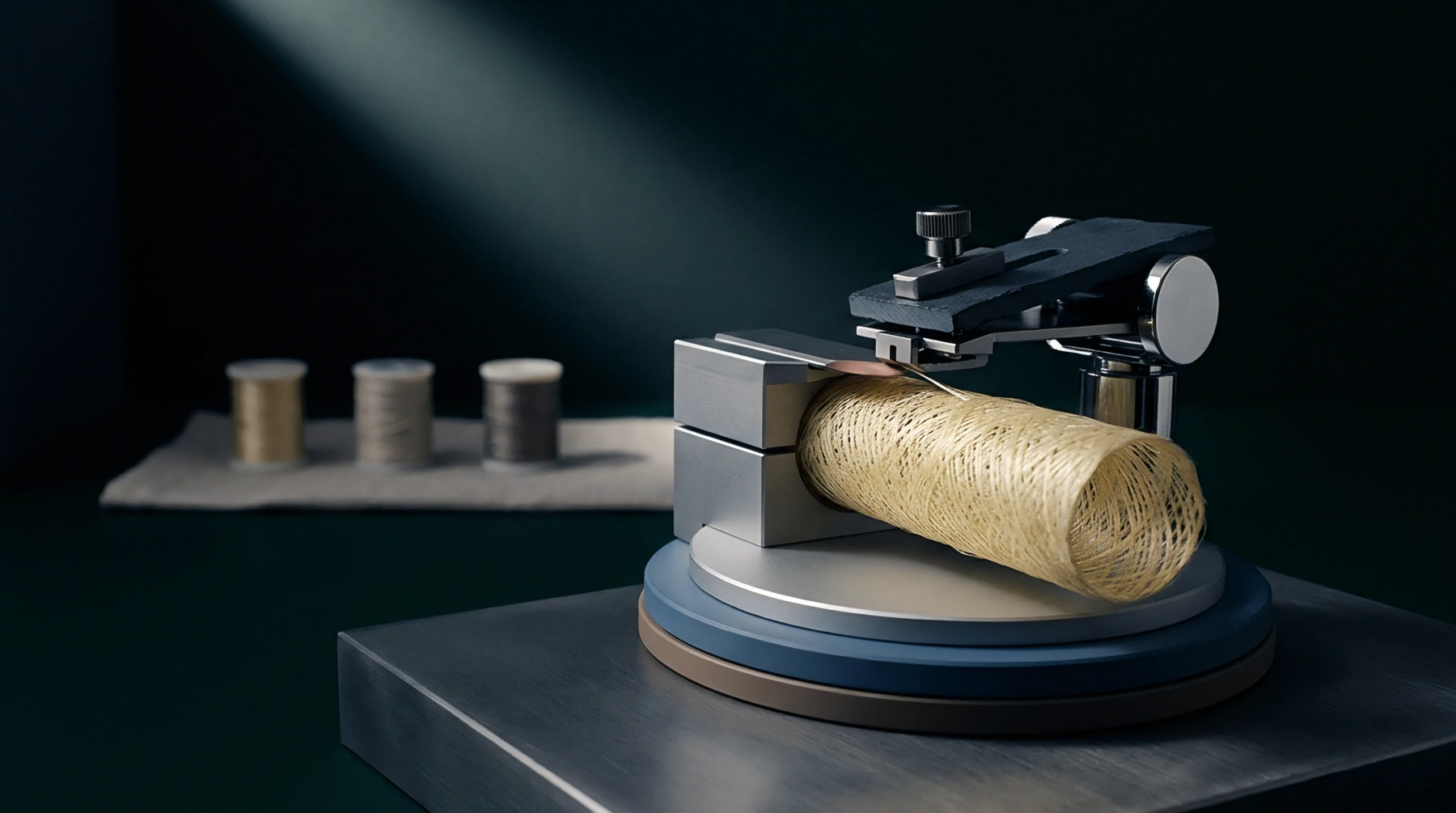
Dynamic shedding stress induces progressive plastic set in flax yarn, cutting elastic recovery and causing warp fatigue breaks that reduce loom efficiency.

Flax moisture disputes require oven-dry testing under ISO 6741, enforcing financial adjustments when measured regain exceeds contractual deadbands by over 0.50%.

Importers bear strict regulatory liability and unrecoverable commercial loss when overseas spinning mills commingle certified flax without batch transaction records.

Reconciling mill mass balances against transaction documents requires deducting mechanical tow, moisture variations, and chemical loss from raw intake weights.

Verify European Flax scope certificates against the official central registry, confirm valid expiry dates, and reconcile lot weights at intake.

Hackled flax sliver mass determination combines exact cut-length gravimetric sampling with oven-dry correction to verify linear density and commercial invoice mass.

Enzyme retting degrades middle lamella pectin to enable longitudinal bundle splitting, but requires matched pin velocities to prevent transverse fibre rupture.

Hackling tow loss derives from integrating mass-based staple length distribution curves below the eighty millimeter cutoff against pin density dynamics.

Non preferential origin for scutched flax depends on verifying where primary mechanical scutching transformed raw flax straw under specific tariff rule tests.

Decortication mass balance reconciliation standardises oven-dry flax weights to prevent yield inflation and secure cross-border chain of custody.

Establishing unspun flax origin requires reconciling scutching mass balances, valid Transaction Certificates, and isotope tests against strict customs rules.

Invoicing for international linen shipments adjusts scale weight to commercial mass using oven-dry testing and a standardized twelve percent moisture regain.

Hand comb sorters yield precise staple distribution curves, establishing upper quartile length to fix spinning frame ratch gaps and predict yarn yield.

Reconciling cross-border agricultural fibre metrics requires oven-dry mass testing under ISO 6741 and stage-by-stage mass balance audits to counter yield loss fraud.

True linen yarn count requires converting observed scale mass to standard commercial regain mass, preventing financial loss and loom efficiency drops.

Automated optical calibration differentiates flax slubs from faults by mass slope dM/dL, protecting air-jet loom efficiency and greige quality.

Linen twill defect scoring calculates points per 100 square metres to balance natural flax slubs against loomed structural faults for objective grading.

ASTM D5430 visual fabric inspection grades woven rolls by assigning 1 to 4 penalty points based on defect length, capped at 4 points per yard and evaluated per 100 square yards.
Expertise is a utility, not a secret. sentiention™ publishes its working knowledge as open reference: intelligence layer covering the materials it sources, the markets it enters, and the reference that serves both.