Speed Ratio
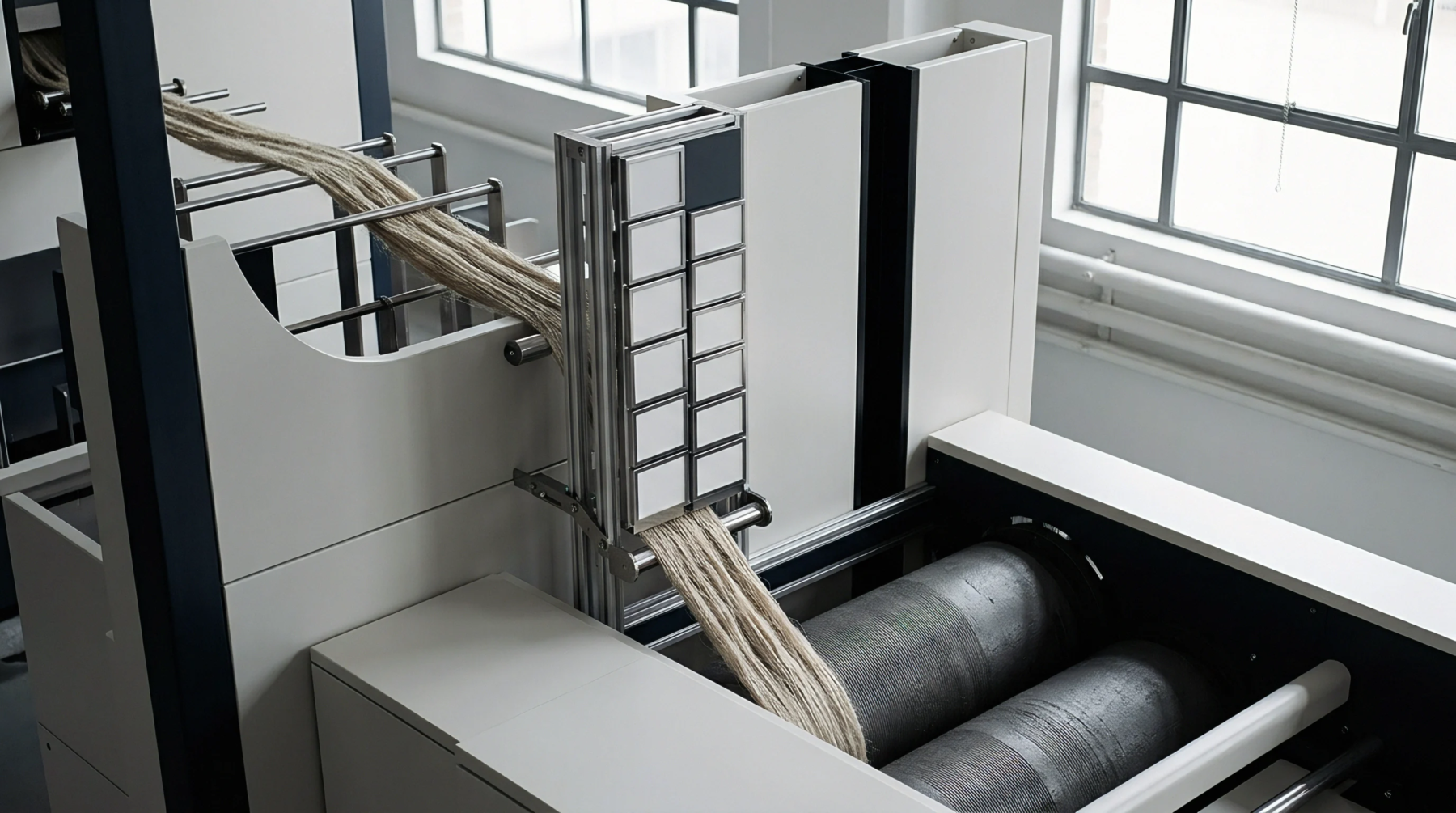
Rotational speed differentials between entry and exit roller pairs establish the theoretical linear extension ratio of a textile strand passing through a drafting zone. In flax spinning machinery, mechanical draft calculates the ratio of delivery roller surface speed to feed roller surface speed based strictly on gear train ratios. Machine specification plates display gear tooth numbers used to configure mechanical draft settings for specific yarn counts.
Drafting Behavior
Gear selection directly controls the rate at which roving strands are elongated before twist insertion on ring spinning frames. Actual draft differs slightly from mechanical draft due to fiber slippage and tension variations in the drafting zone. When wet spinning flax yarns, liquid lubrication inside the water bath alters fiber friction, requiring operators to compensate mechanical draft settings for slippage.
Technicians verify gear calculations against delivered yarn linear density using cut-and-weigh sampling protocols on the spinning floor.
Production Control
Precise draft adjustments govern the final count and linear density uniformity of exported linen yarns. Deviations in mechanical draft cause yarn count variations, leading to fabric weight defects and striping patterns in woven linen goods. Mill engineering logs record all gear change operations to ensure full traceability across production lots.