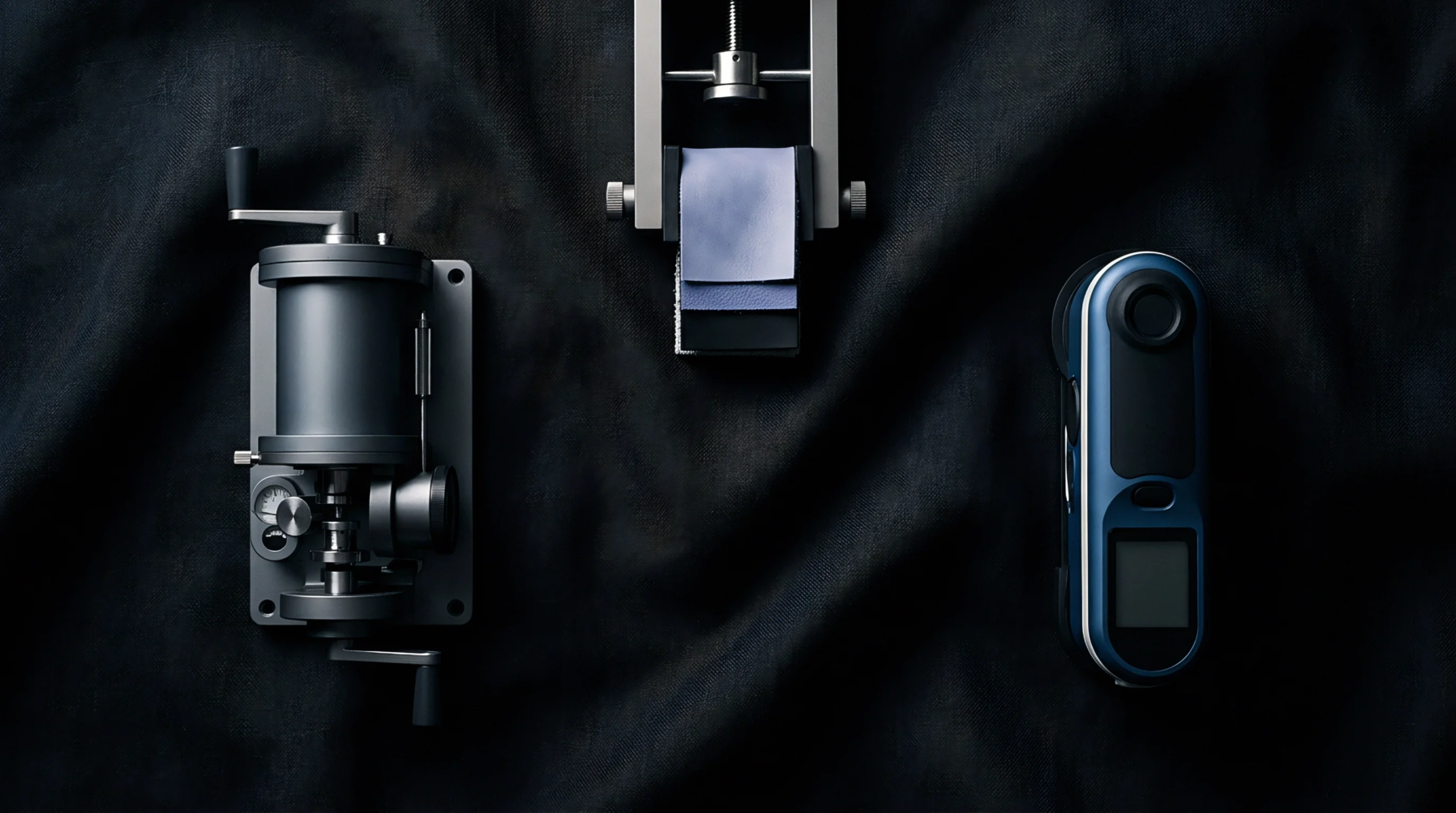
Relay Nozzle Firing Angles for Staple Linen Filling Insertion
Optimizing relay nozzle angles to 8 degrees toward the reed base stabilizes staple linen yarn flight and prevents tip unraveling during high-speed air-jet weaving.
Optimizing relay nozzle angles to 8 degrees toward the reed base stabilizes staple linen yarn flight and prevents tip unraveling during high-speed air-jet weaving.

European Flax chain of custody requires matching annual scope certificates to shipment transaction certificates and mass-balance yield logs at every mill.
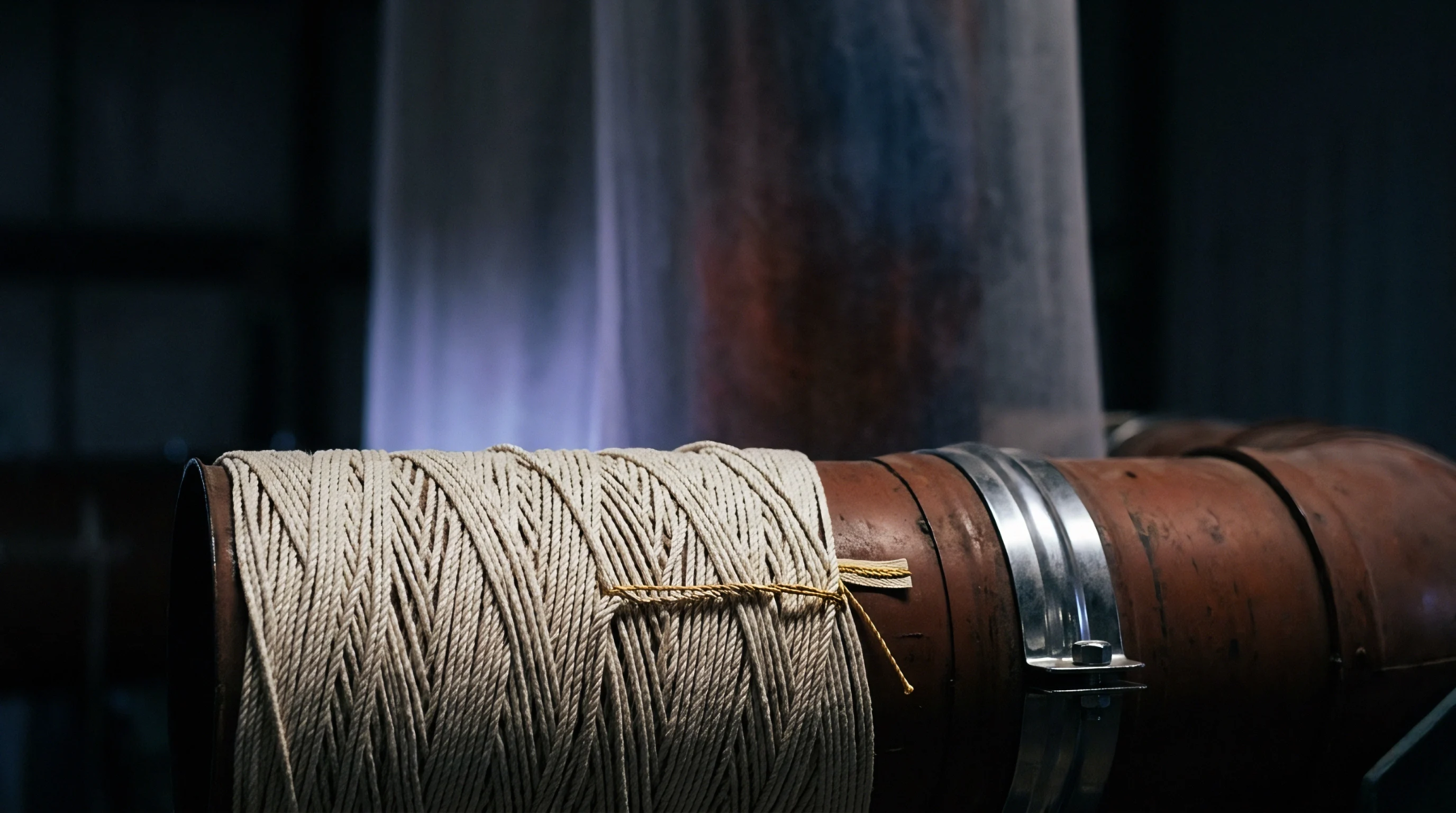
Active tension control and asymmetrical dobby dwell minimize stress spikes on low-stretch flax warps to prevent end breaks and starting marks.

Linen warps lose up to 30% of set tension during idle loom stoppages through viscoelastic creep, requiring automated reverse let-off to prevent pick barres.
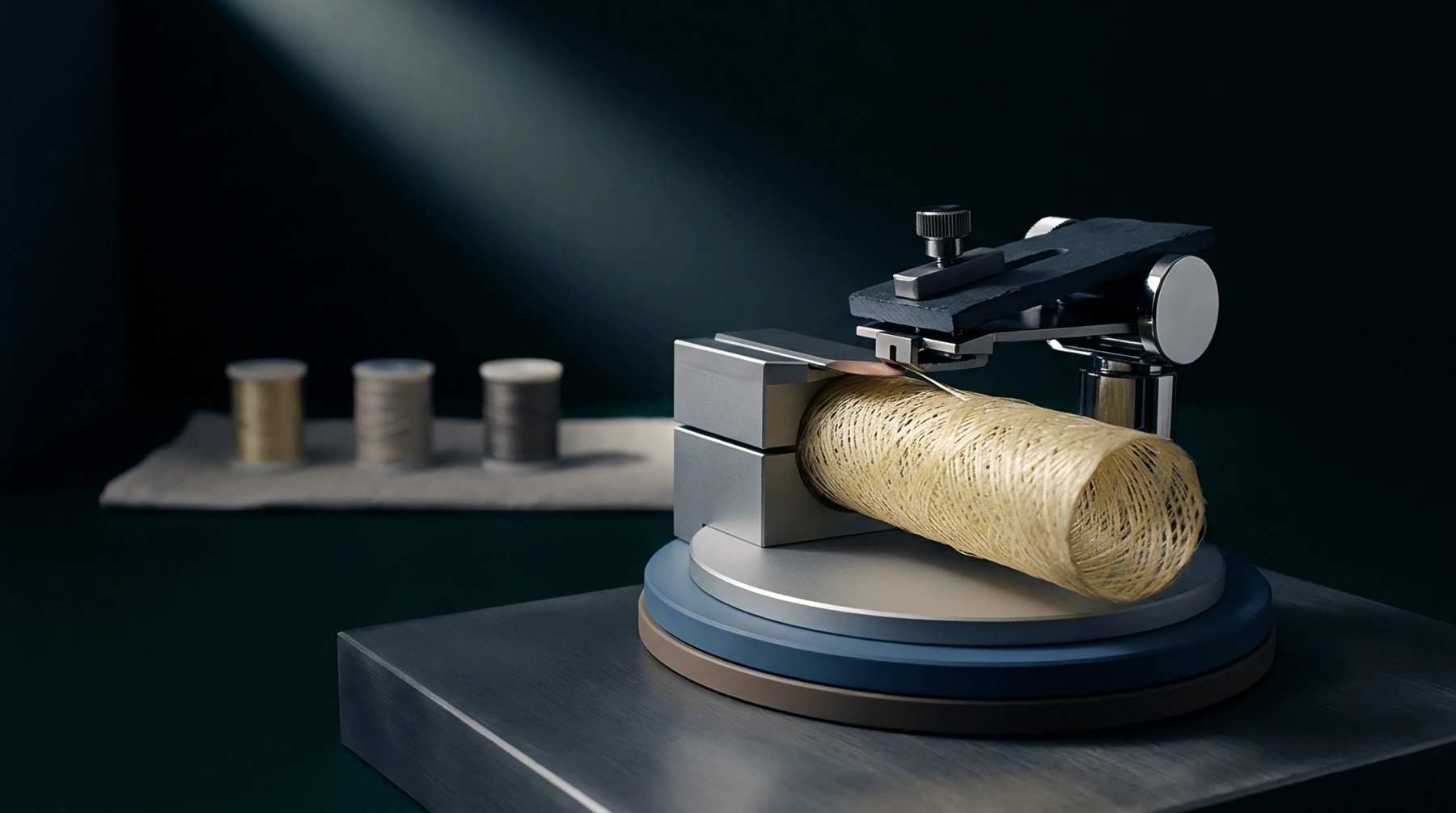
Optimizing flax warp size with modified starches and acrylic binders locks inner fiber bundles, preventing tensile decay and cutting loom stop costs.

Balancing inter-yarn friction via controlled finishing softeners enables high-density Jacquard linen to dissipate tear energy through localized yarn bundling.
Asymmetric high-tension shedding accelerates viscoelastic creep and microfibrillar fatigue in linen warp yarns, demanding precise dwell and stagger tuning to control breakage rates and fabric crimp imbalance.
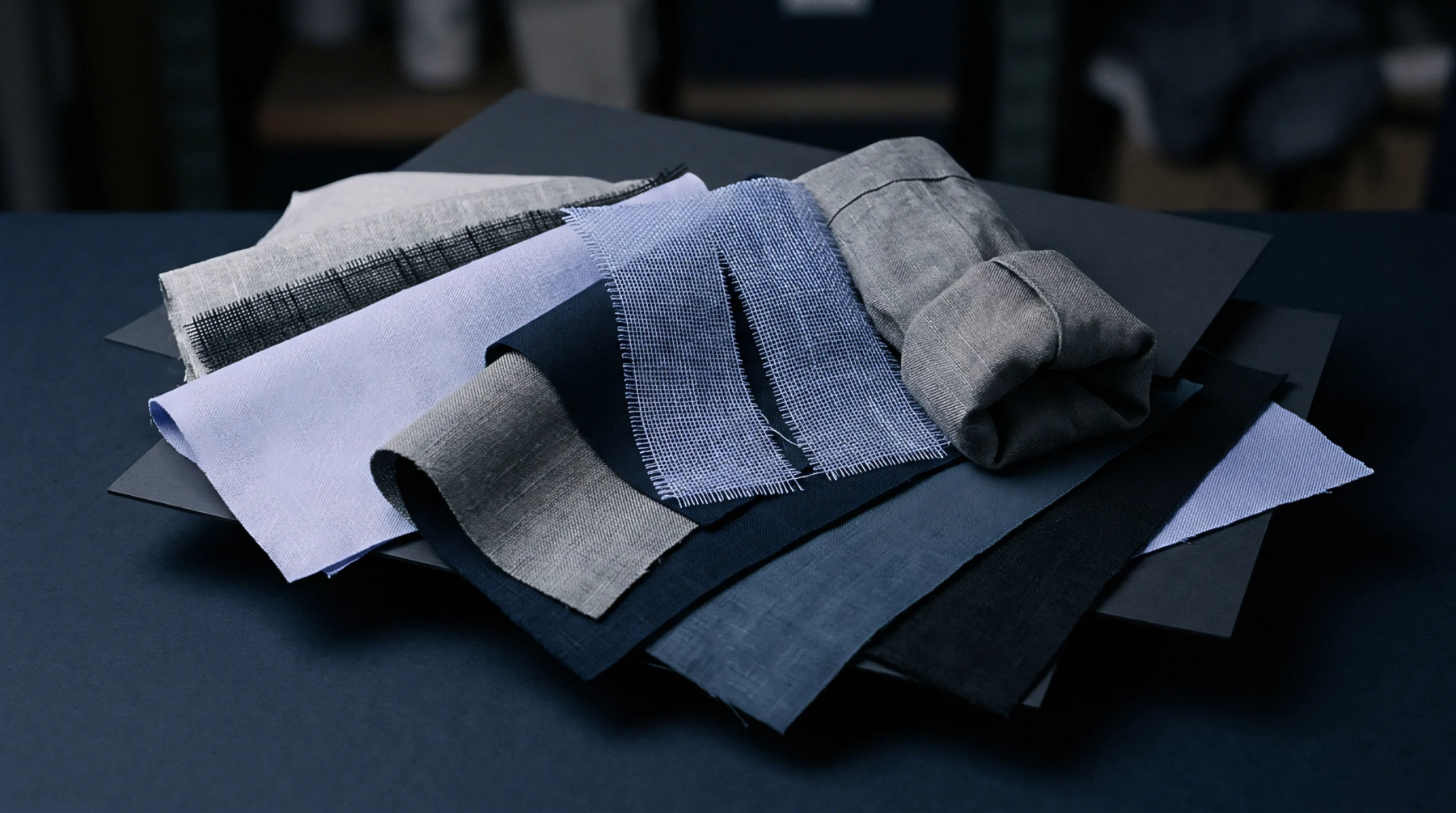
Landed linen costing requires dividing greige linear price by the net length yield factor while netting out chemical scouring mass loss from gross roll weight.

Linen yarn bending rigidity relies on pectin matrix relaxation, where balanced warp and weft crimp distribution controls fabric crease recovery and landed metre costs.
Expertise is a utility, not a secret. sentiention™ publishes its working knowledge as open reference: intelligence layer covering the materials it sources, the markets it enters, and the reference that serves both.