Grading Matrix
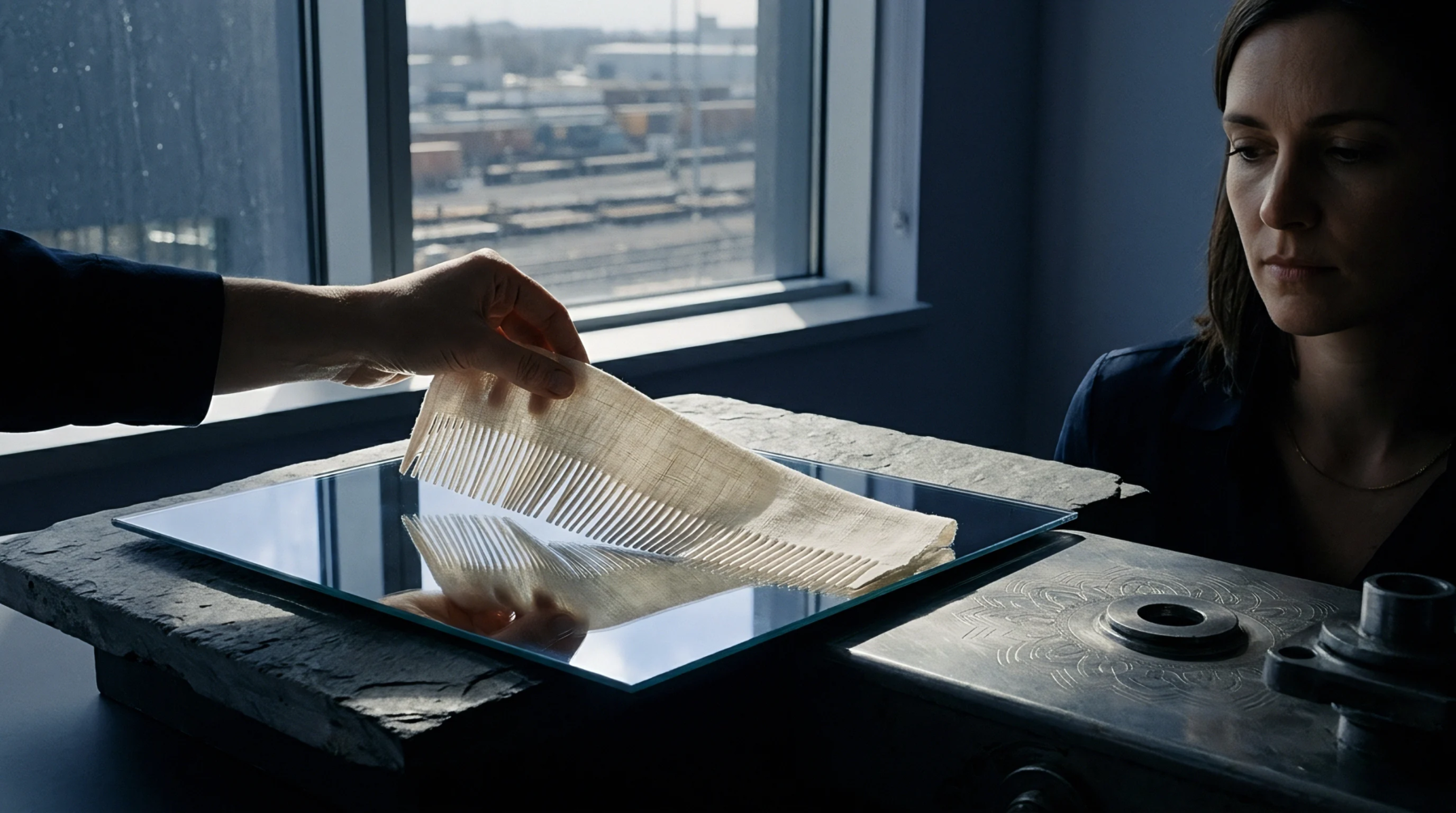
Mechanically sorted line material passing through manual drawing frames undergoes primary cleansing to separate long lines from short tow before final export documentation is issued. Hackled flax represents processed bast fibre combed through vertical steel pins inside a Fujian spinning facility, where technicians measure parallel alignment and residual shive content against strict internal tolerances. Line production depends on this preparatory stage to remove remaining woody matter without breaking the delicate strands destined for high-grade yarn creation.
Buyers verify the resulting bundles using mill certificates that record tensile strength, average length and moisture percentage prior to accepting batches for spinning lines. Acceptance criteria maintained by overseas buyers frequently diverge from the mill production standard because industrial consumers demand zero impurity for luxury apparel weaving. Every outgoing batch receives a classification code assigned by quality control inspectors who measure cleanliness under controlled laboratory lighting.
Pinning Sequence
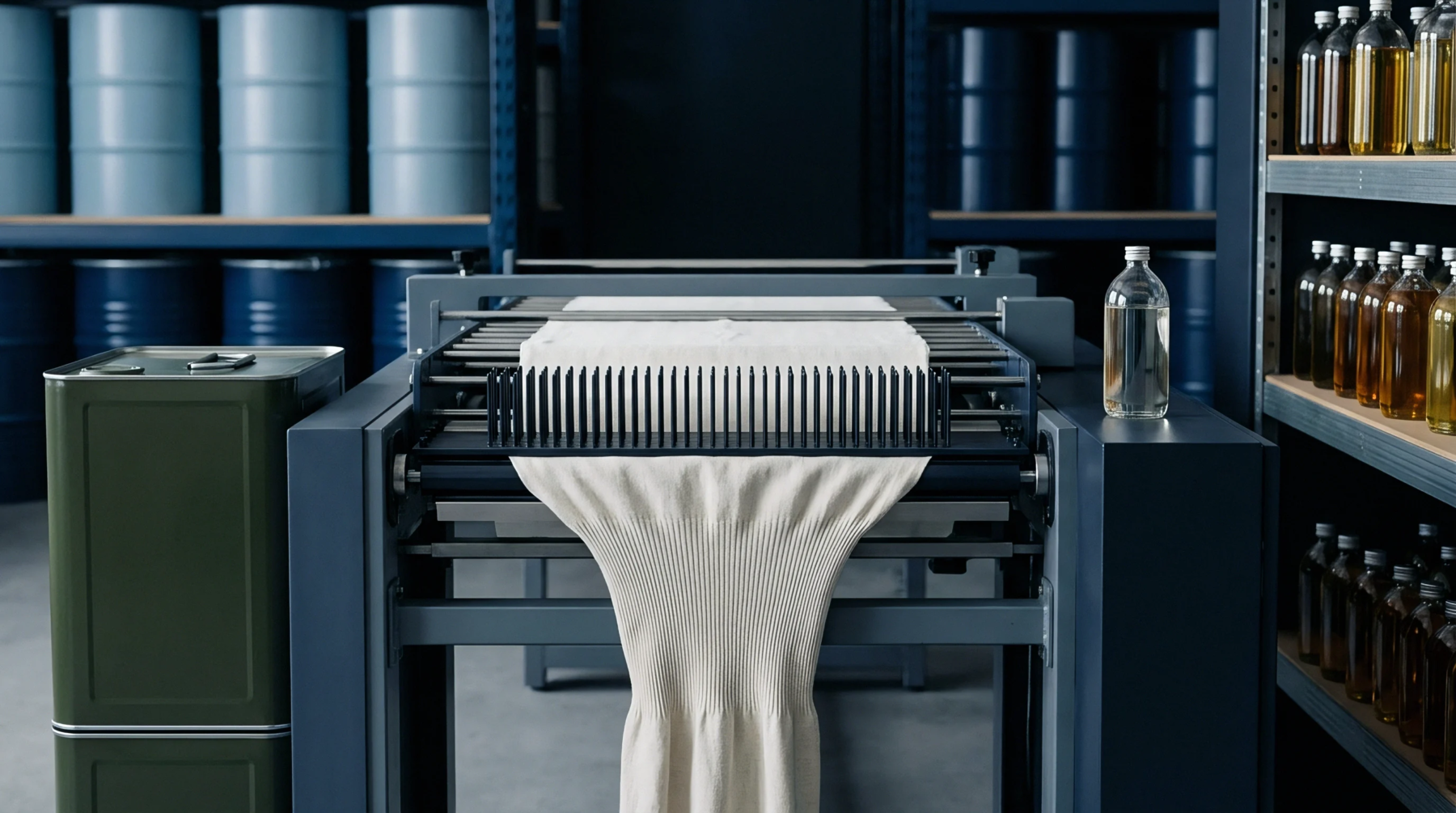
Parallel drawing operations depend on successive drafting passes where weighted rollers pull combed ribbons through progressively finer needle bars to reduce linear density. Hackled flax requires precise pin density calibration across three distinct drawing heads to prevent fibre breakage while straightening crooked ends. Operators adjust machine speed according to ambient humidity inside the mill shed because dry air causes static electricity accumulation during high-speed drafting.
Production logs record roller pressure settings and drafting ratios for each shift to ensure lot consistency across multi-ton export orders. Lower drafting speeds reduce fibre damage during high-humidity days, whereas faster machine settings maximize output during dry winter operating windows.
Yarn Translation
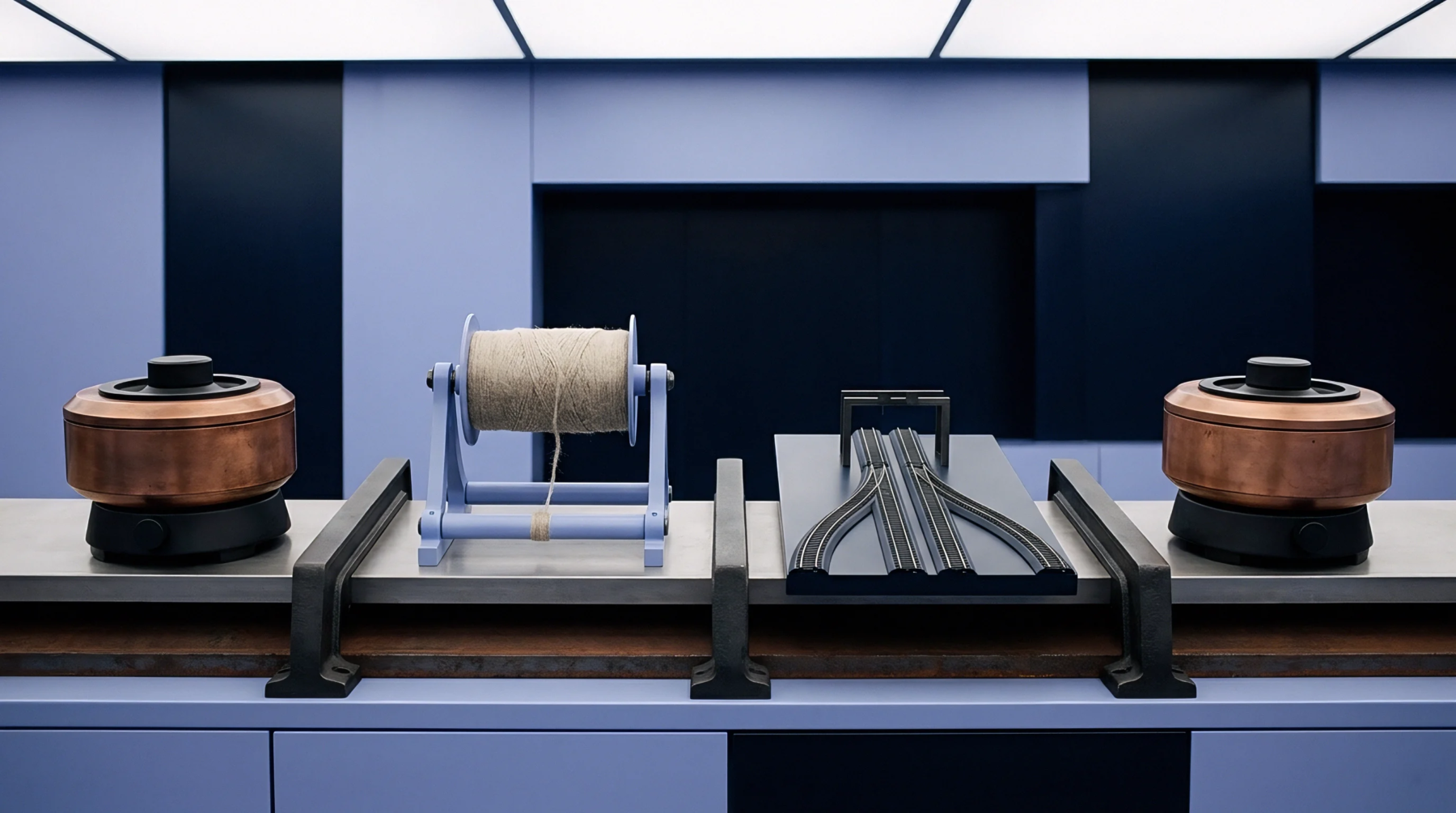
Final spinning preparation converts aligned slivers into continuous rovings through slight twisting action before ring frames draw the material down to commercial yarn numbers. Hackled flax transforms into durable warp and weft yarns only when drawing frames maintain exact tension ratios during the transition from combed sliver to roving bobbin. Weavers evaluate the resulting yarn on the basis of hairiness index and breaking length before committing the bobbins to mechanical looms.
Commercial export contracts stipulate maximum allowable thick places per kilometre of yarn to guarantee uniform cloth appearance during subsequent finishing stages. Strict adherence to drafting tolerances prevents uneven dyeing results in finished linen fabric.