Spinning Tension
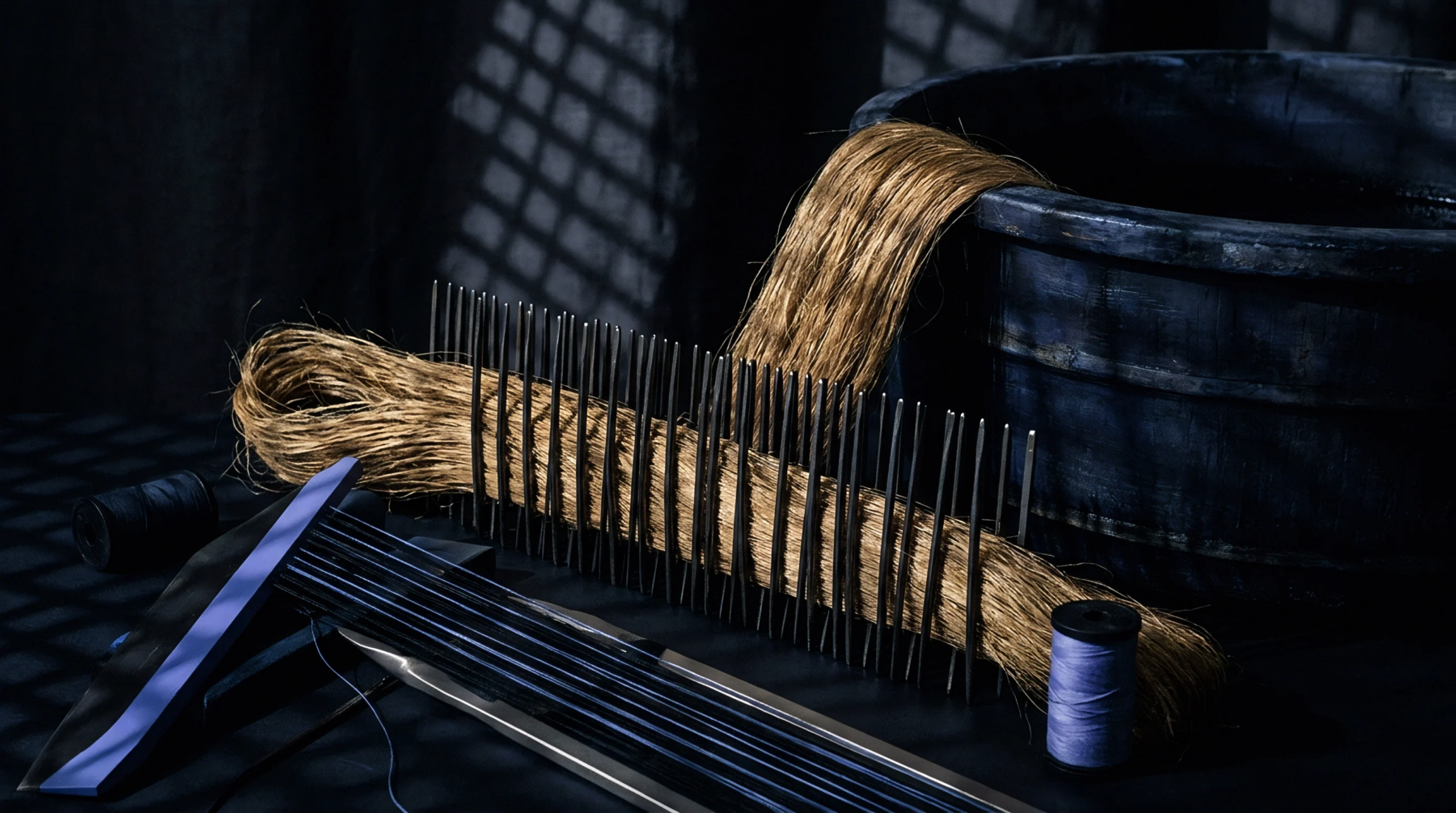
Long-staple flax preparation requires strict mechanical governance during drafting to align parallel bast fibers before final twist application enters the drawing frame. Continuous wet spinning produces line yarn by pulling combed hackled ribbons through hot water baths that soften natural plant pectins holding individual ultimate cells together. This specialized filament formation defines the foundational structural element of fine European and Asian linen goods.
Raw material preparation begins with hackling where short tow fibers separate from longer parallel strands destined for high grade textile manufacturing. Mechanical drafting rollers stretch the softened roving past specific friction thresholds while operators record metrics on the mill production docket.
Grade Variance
Filament classification separates spun flax products according to metric count standards and tensile strength measurements established during quality assurance audits. A certified fiber grade relies on diameter uniformity and impurity counts before wet processing begins, whereas finished yarn specifications depend entirely on twist per meter and breaking load thresholds. Mill inspectors evaluate spinning consistency by measuring mass variation across standardized sample lengths pulled directly from the spinning bobbins.
Export contracts demand strict adherence to buyer acceptance criteria rather than relying on internal factory tolerances alone. Lower grade outputs exhibit irregular hairiness indices that disqualify them from high end damask weaving operations.
Export Document
Final shipment clearance depends on technical inspection certificates issued by independent laboratories verifying moisture regain percentages and hairiness grades against agreed contractual thresholds. Commercial delivery schedules require detailed technical dockets recording package density and breaking length data for every lot leaving the spinning floor. Warehouse managers verify these inspection records against physical bale markings before authorizing customs release for international textile markets.
Technical specifications printed on the commercial invoice establish legal liability boundaries regarding moisture content allowances and allowable breaking load variances. Contractual disputes regarding tensile performance settle through reference to the primary testing certificate archived at the spinning facility.