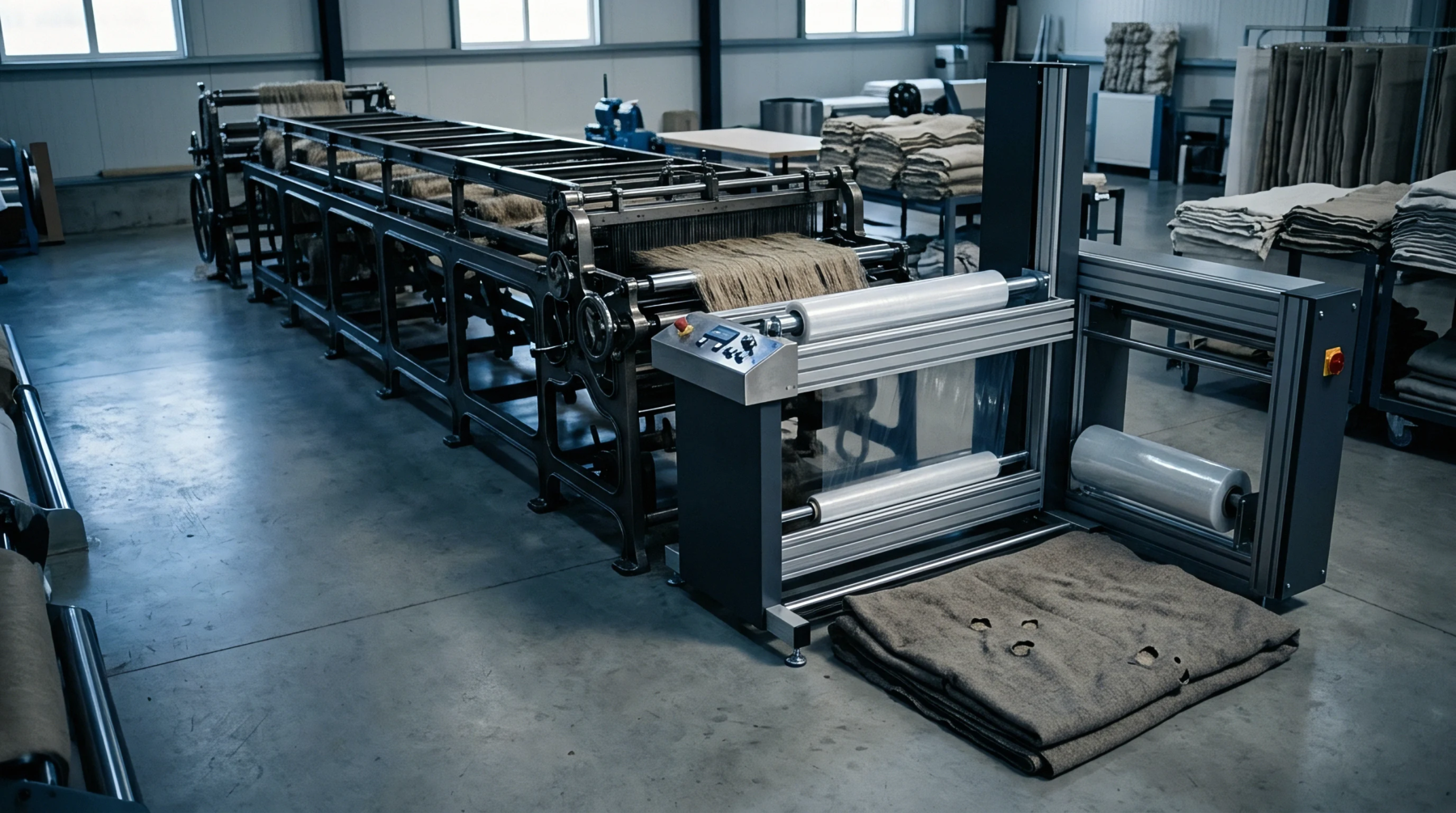
Hydrothermal Pectin Hydrolysis Impact on Wet-Spun Line Linen Count
Controlled hydrothermal pectin dissolution in wet-spinning troughs unlocks elementary flax filaments, enabling drafting beyond 80 Lea counts.
Controlled hydrothermal pectin dissolution in wet-spinning troughs unlocks elementary flax filaments, enabling drafting beyond 80 Lea counts.

Scutched flax line yarn suitability requires bundle fineness below 1.8 tex, shive under two percent, and uniform retting to prevent comb tow losses.

Excessive lamella degradation splits line flax prematurely, cutting yarn tenacity below 22 cN/tex and converting high-value line into low-margin hackling tow.

Flax technical bundle fineness dictates maximum spinnable yarn count while 3.2 millimetre gauge tenacity governs wet-spinning end breaks and hackling yield economics.

Scutched flax splitting efficiency directly dictates wet-spinning count limits by controlling the distribution of technical bundle diameters prior to roving draft.

Maintain combing halls at 70% RH and control pectin esterification below 58% to maximize high count line flax hackling yields and lower metre costs.

Fine wet-spun flax yarn tenacity depends on controlled pectin softening in the trough, allowing technical bundles to divide into fine elementary cells during draft.

Controlled pectin removal enables clean bundle cleavage, elevating metric fibre fineness above Nm 2000 while maintaining long line yield above 60 percent.

Ammonium oxalate extraction at ninety degrees solubilizes middle lamella pectins to isolate elementary flax fibres for accurate microbalance decitex audits.
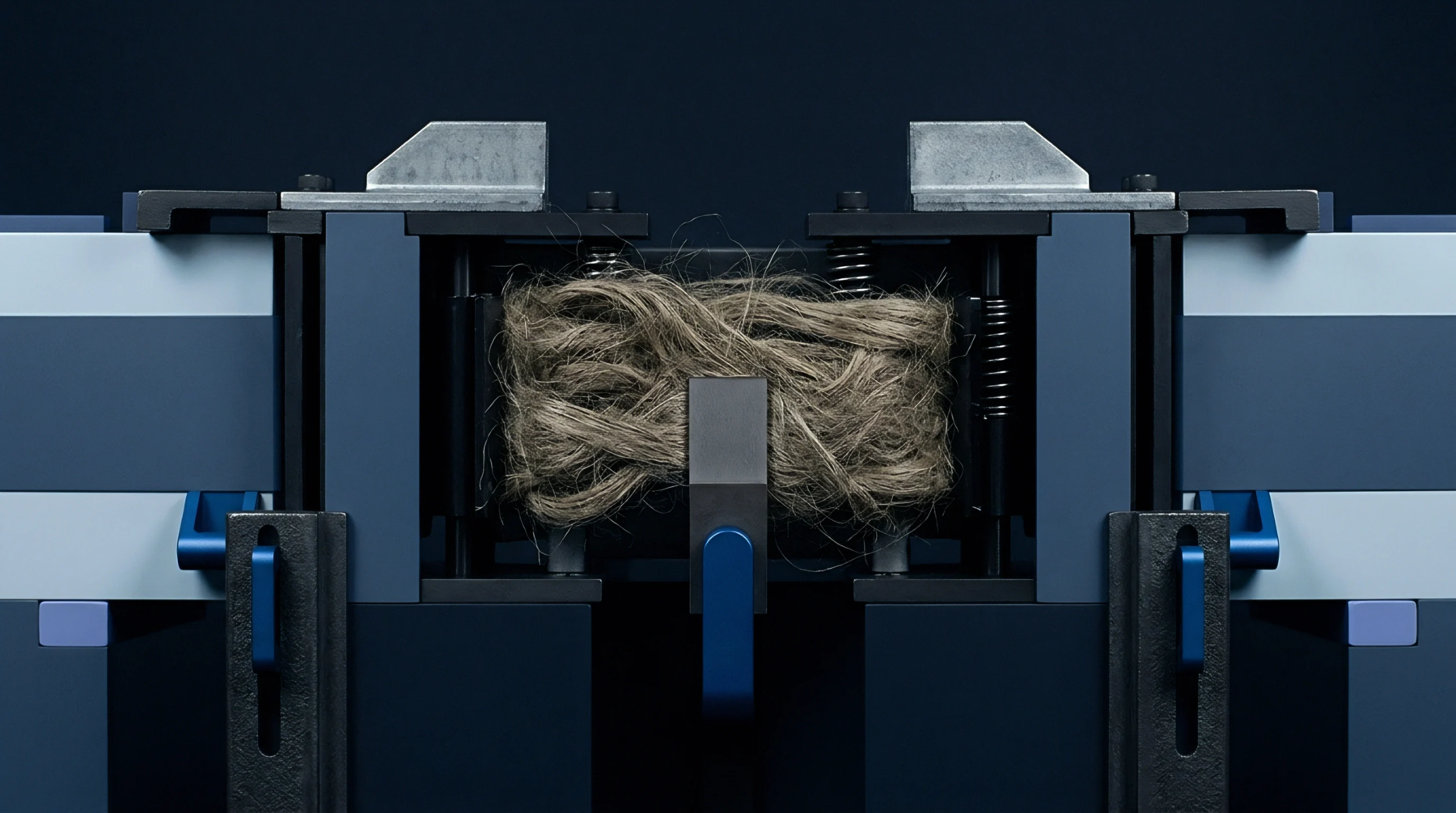
Targeted enzymatic cleavage of middle lamella homogalacturonan enables drafting down to elementary fibrils, yielding Nm 90 wet-spun flax yarns exceeding 38 cN/tex.

Optimizing hackling pin density requires matching pin pitch progression directly to the scutched flax length array to maximize fine line yield while preventing fibre breakage.
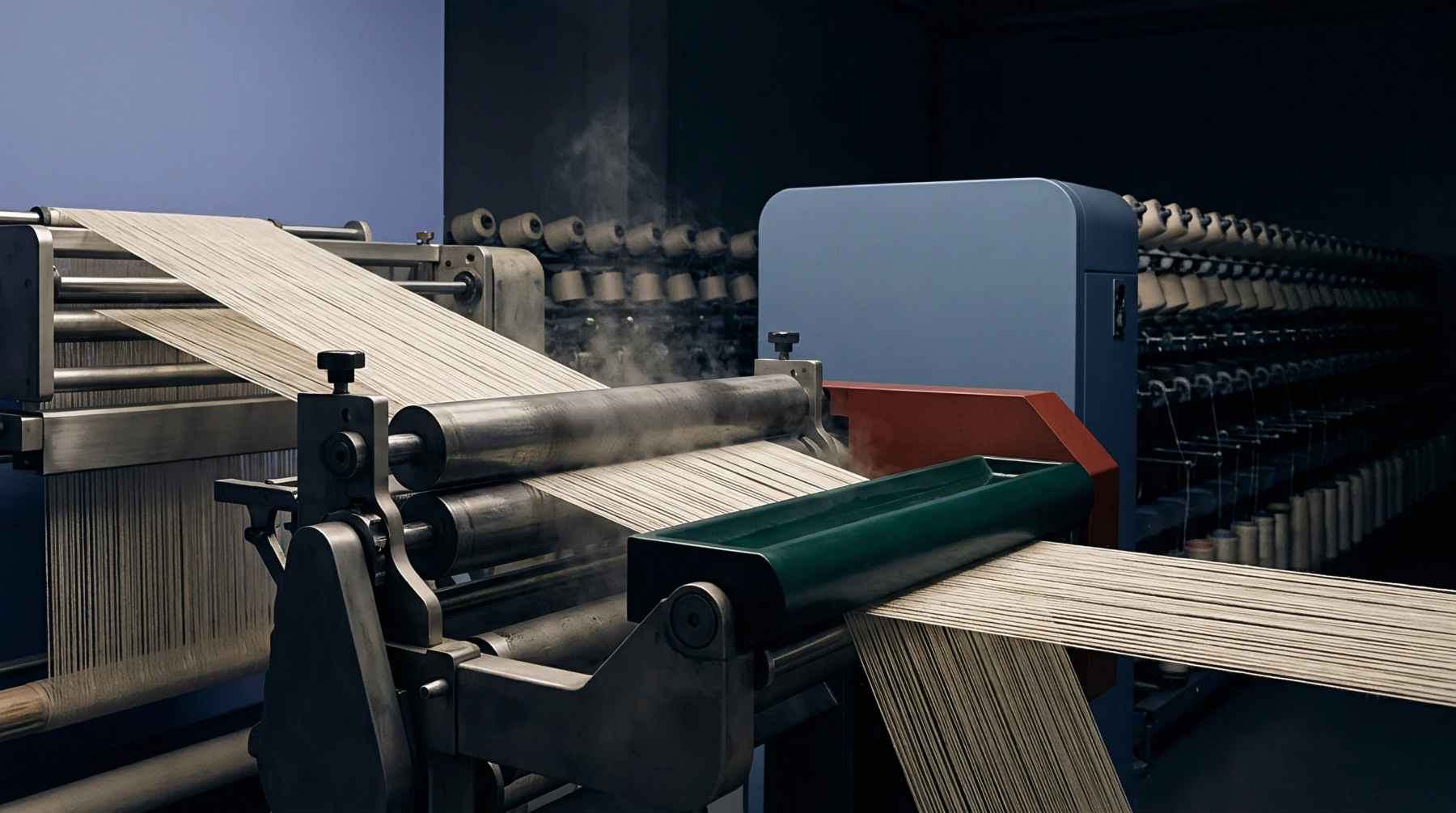
Commercial mass calculations based on ISO 6741 oven-drying protocols protect buyers from paying landed mass prices on sea-transit moisture uptake in flax.

Verify flax linear density using ISO 2370 cut length gravimetry on conditioned 50 mm bundles to prevent spinning end breaks and landed metre yield loss.

Standardized air permeability methods convert differential pressure across compressed flax plugs into specific surface area to predict spinnable yarn counts.

Verify flax linear density using ISO 1973 cut-and-weigh gravimetry at standard 12% regain to accurately forecast wet-spinning limits and enforce contract pricing.
Expertise is a utility, not a secret. sentiention™ publishes its working knowledge as open reference: intelligence layer covering the materials it sources, the markets it enters, and the reference that serves both.