Standard Practice
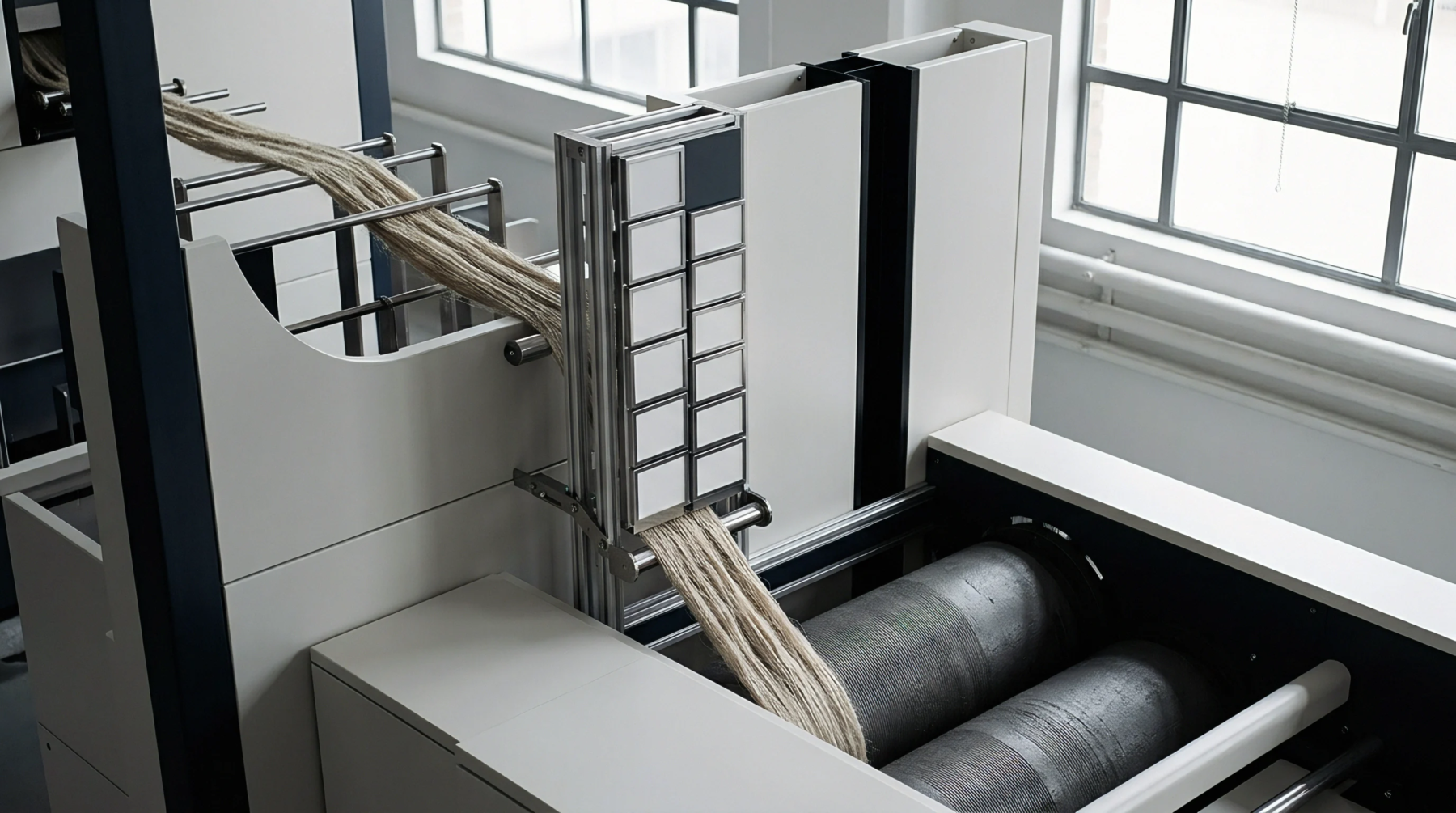
Environmental control specifications for laboratory testing environments define temperature and relative humidity parameters to bring hydroscopic textiles into physical equilibrium. Published by ASTM International, ASTM D1776 governs the preconditioning and conditioning of textiles prior to chemical, mechanical or physical evaluation. Flax bast fibres absorb atmospheric water vapor rapidly, altering specimen tensile properties, elongation characteristics and linear density measurements if ambient air fluctuates.
This procedure eliminates humidity-induced mass deviations during cross-border trade inspections. The standard applies universally to unspun fibres, spun linen yarns, woven greige cloth and finished goods.
Conditioning Sequence
Equilibrium protocols require specimen preconditioning in low-humidity zones before stabilization in primary test rooms. Technicians expose flax samples to dry chambers maintaining ten to twenty-five percent relative humidity at fifty degrees Celsius to clear desorption history effects. Subsequent exposure occurs inside standard conditioning zones controlled to twenty-one degrees Celsius, with permissible variations of plus or minus one degree, alongside sixty-five percent relative humidity, with allowable swings of plus or minus two percent.
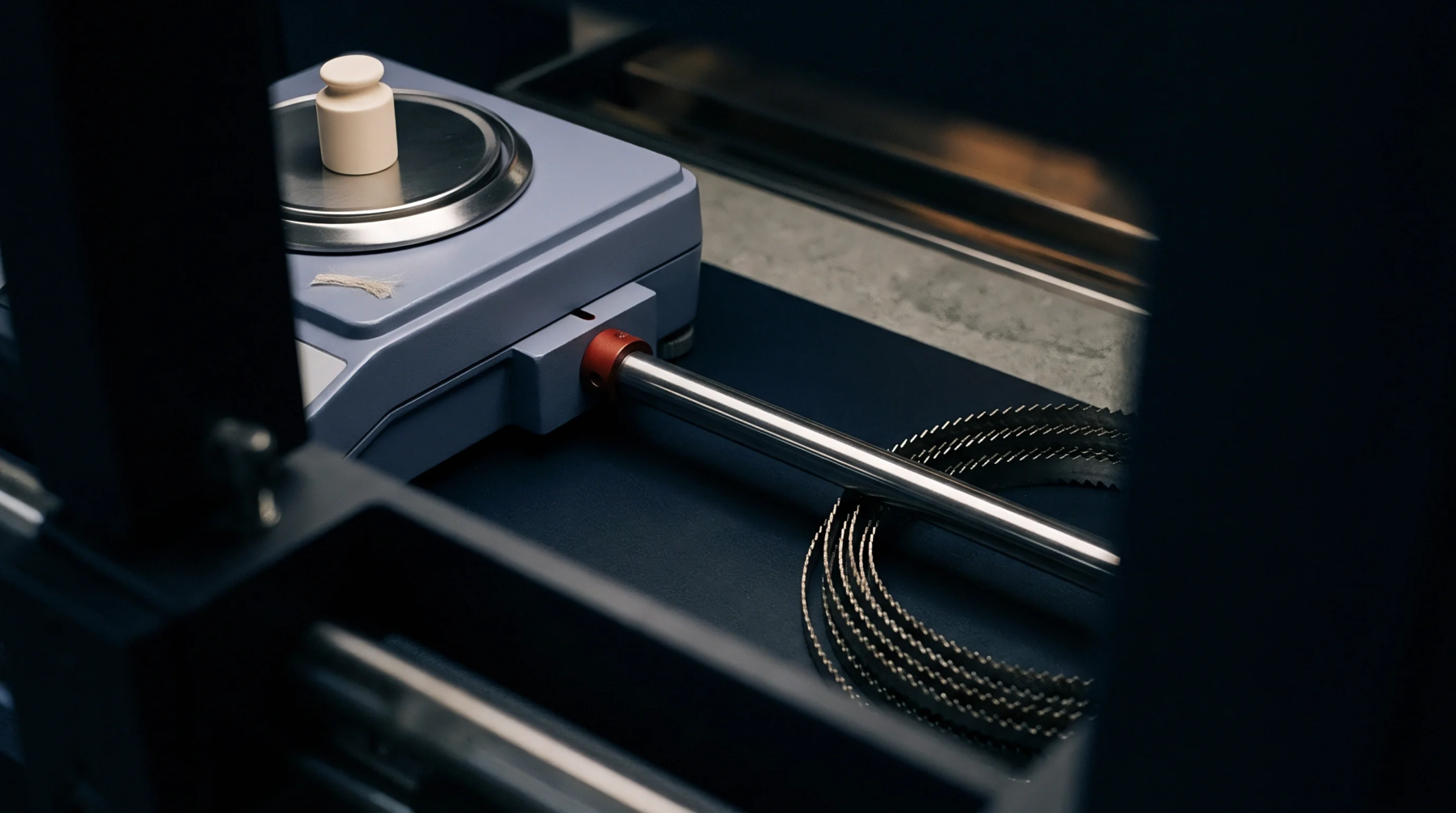
Laboratory staff track moisture sorption by weighing specimens at two-hour intervals until consecutive readings vary by less than zero point one percent of specimen mass. High pectin content in raw flax prolongs this absorption phase relative to carded cotton. Mill inspection rooms document these environmental intervals on laboratory control logs before initiating tensile tests.
Contractual Authority
Trade settlement disputes over linen fabric weight and break force rely on documented environmental compliance. Purchasing contracts specify ASTM D1776 conditioning for all technical verification procedures executed between Chinese spinning plants and international retail brands. Non-compliant conditioning temperatures introduce systematic bias into warp break tests, often resulting in unearned penalty deductions or erroneous shipment rejections.
Independent testing laboratories record chamber charts beside tensile test reports to prove regulatory adherence. ASTM D1776 provides the legal foundation for reproducible textile testing data.