Landed Weight Adjustments for Moisture Variance in Cross Border Flax Bales
Landed weight adjustments convert raw weighbridge bale mass to certified dry cellulose plus twelve percent commercial regain to settle cross border flax invoices.
Regain
Cross-border flax contracts bill raw bast fibre by weighbridge scales, even though moisture can make up sixteen percent of gross container weight. A mill paying five euros per kilogram on forty tonnes of scutched line flax easily pays tens of thousands of euros just for ambient humidity taken on at sea. Once container seals are cut at destination ports, buyers routinely unpack bundles whose physical weight bears little resemblance to baling manifests signed weeks before in Normandy or Flanders.
The porous cell structure of bast fibre is rich in hydrophilic cellulose and amorphous hemicellulose, where exposed hydroxyl groups draw in water molecules through hydrogen bonding. Baled flax constantly trades moisture with the surrounding atmosphere until it reaches equilibrium. Heavy baling pressure prevents that process from happening evenly, leaving sharp moisture differentials between the outer skin of the bale and its dense core.
Uncalibrated hydrometers deployed at maritime discharge create paper profits that evaporate the moment bast bundles enter drawing machinery.
Commercial Moisture Standards in Bast Fibre Trade
Trade rules handle these swings by substituting raw weighbridge tallies with an agreed contractual baseline: commercial moisture regain. Codified under ISO 6741, the standard commercial regain for scutched flax is fixed at twelve point zero zero percent. This figure represents the agreed allowance of water calculated against the bone-dry mass of the fibre, whereas moisture content expresses water as a share of total wet weight.
Mixing up the two adds an immediate distortion of more than one percent to settlement sheets.
The twelve point zero zero percent baseline in ISO 6741-4 comes out of European testing conducted in 1987 on scutched fibres held at twenty degrees Celsius and sixty-five percent relative humidity. Move ambient humidity to seventy percent, however, and equilibrium climbs past twelve point eight percent. Retting conditions introduce their own variables: dew-retted flax from Heilongjiang carries higher residual wax and pectin fractions than Normandy harvests, shifting sorption isotherms under otherwise identical transit conditions.
Physical Water Content against Contractual Allowance
Discrepancies between physical moisture and invoice regain arise from specific transport environments:
- Maritime Container Condensation occurs when thermal swings between tropical runs and cool unloading berths cause condensation on container ceilings, which drips down onto top tiers of cargo.
- Hygroscopic Hysteresis causes fibres giving up moisture on dry legs to hold a higher equilibrium moisture level than fibres taking on water under the exact same relative humidity.
- Dew Retting Variation changes the balance of amorphous polymers to crystalline cellulose from lot to lot, creating uneven absorption capacities within the same nominal commercial grade.
- Uneven Baling Compression leaves outer layers open to sea air while the dense interior keeps its original moisture levels from the press.
High moisture destroys drawing cohesion, causing wet bast fibres to resist drafting. Past fourteen percent moisture, softened pectin binds bundles to drafting rollers and throws thick faults into the roving. Below nine percent, the fibre turns brittle and shatters against hackling pins into short tow.
Accepting raw weighbridge receipts effectively pays freight on water while baking chronic count variations into the spinning room.


Probe
Accurate sampling of compressed flax bales requires coring into the geometric center of the pack. Surface readings from electronic pin meters give quick numbers, but outer layers equilibrate with ambient air within forty-eight hours of destuffing. Settling invoices accurately means pulling specimens from internal zones that stayed isolated from container humidity.
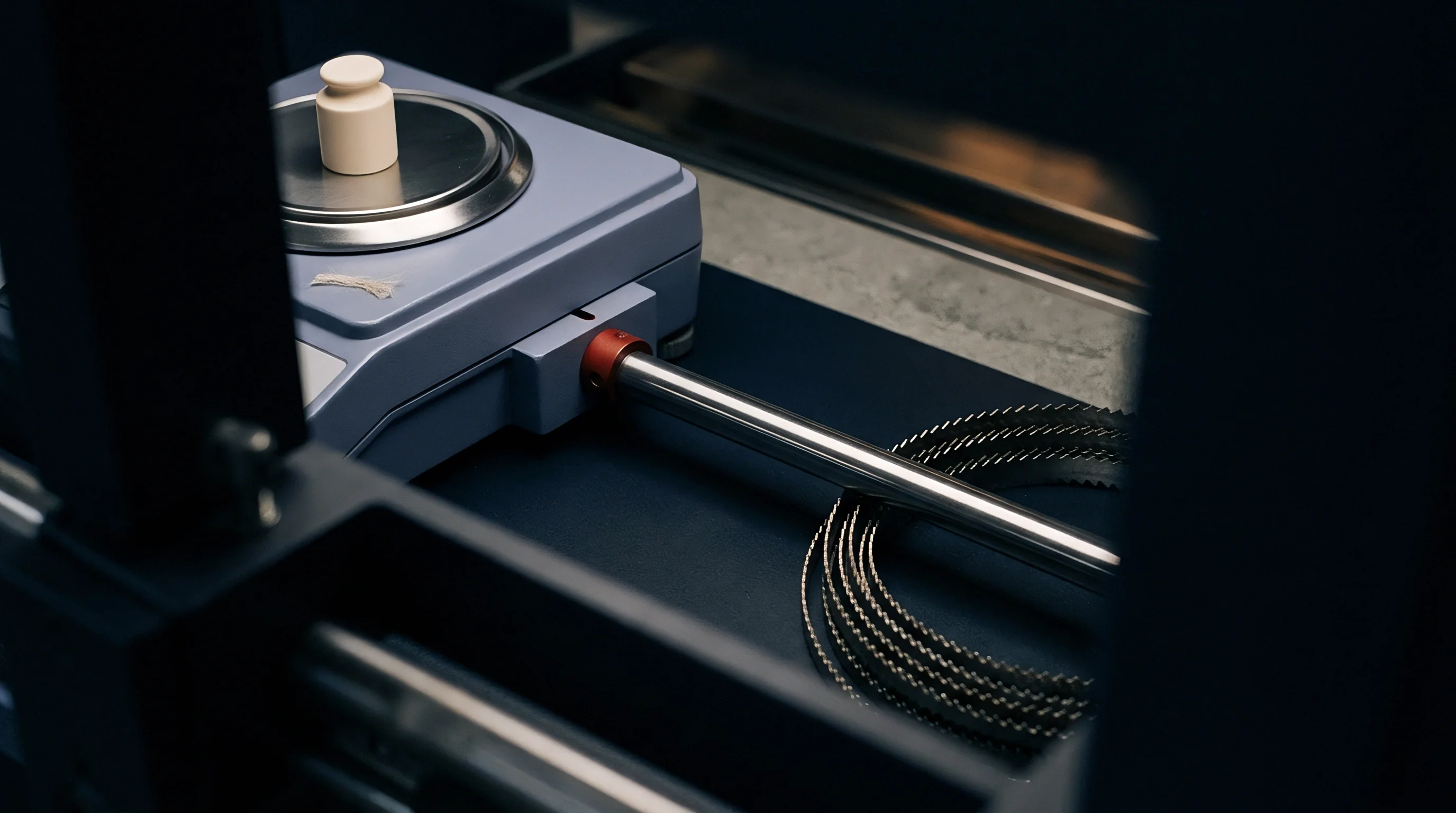
Technicians drive hardened steel coring tubes between bale ties to extract continuous specimen plugs. Because moisture distributes unevenly along the length of scutched stricks, sampling protocols take cores across multiple bale axes. Extracted fibre must be tested immediately or locked in vapor-tight containers until it can be weighed on analytical balances.
Interior specimens dried at one hundred and five degrees Celsius under ISO 6741 yield stable anhydrous readings within four hours of continuous ventilation.
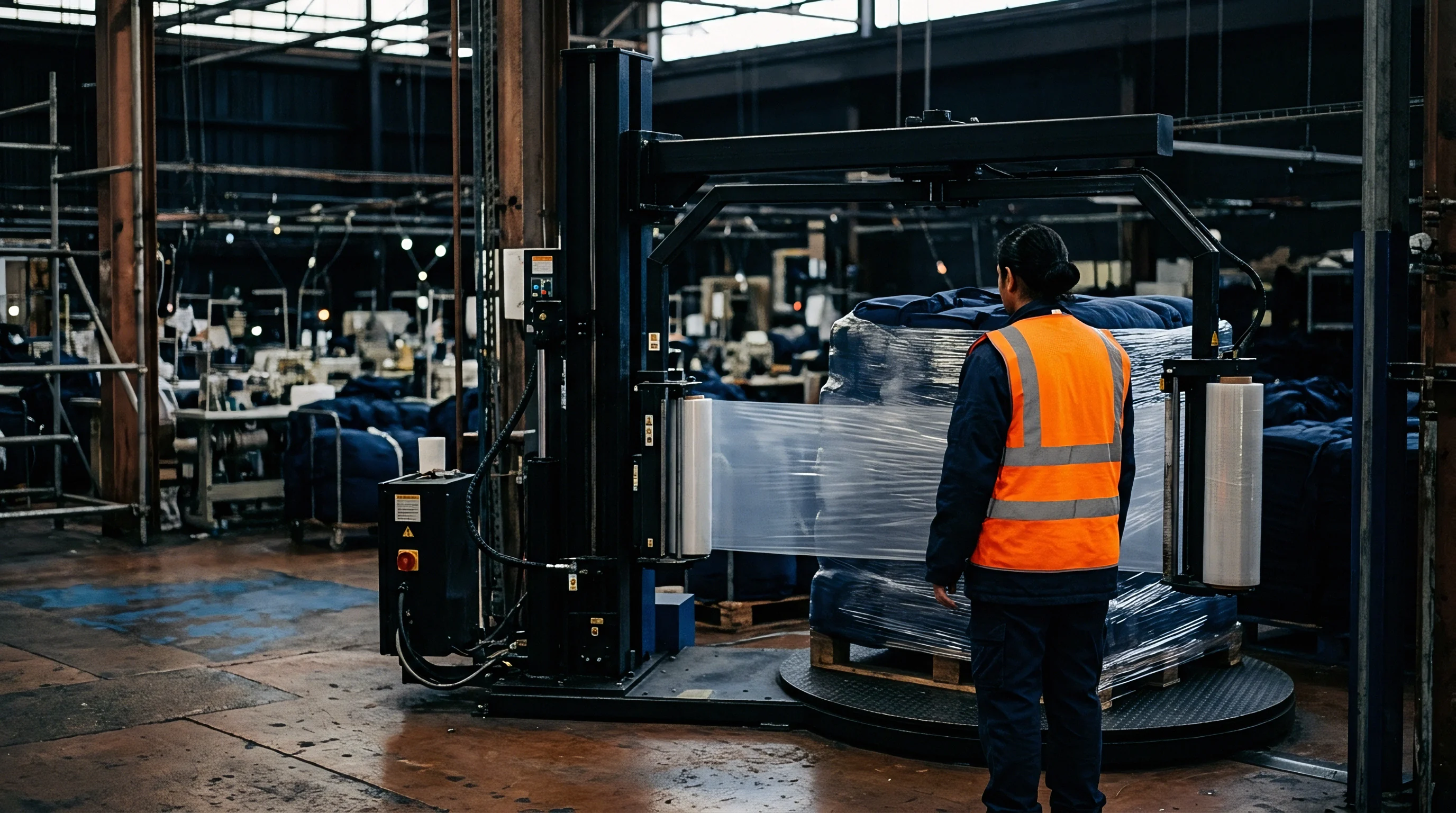
Interior Specimen Extraction in Baled Bundles
Accredited laboratories execute specimen extraction through a defined thermal dehydration sequence:
- Extract cylindrical plugs from opposing faces of ten percent of landed bales using a motorized hollow drill borer.
- Seal extracted bast bundles inside airtight aluminum canisters to arrest vapor exchange during transport to the conditioning room.
- Record gross sample wet weight on an analytical balance calibrated to one thousandth of a gram within fifteen minutes of collection.
- Transfer uncompressed bundles into a ventilated desiccation chamber operating at one hundred and five degrees Celsius.
- Repeat mass measurements at thirty minute intervals until consecutive weighings show mass changes below point zero five percent.
The final constant weight recorded in the oven gives the anhydrous mass ~ the dry cellulose and non-water plant matter. Dividing evaporated water weight by this anhydrous mass gives the true moisture regain, whereas dividing it by initial wet weight gives moisture content.
Should Importers Recondition Damp Bales upon Arrival?
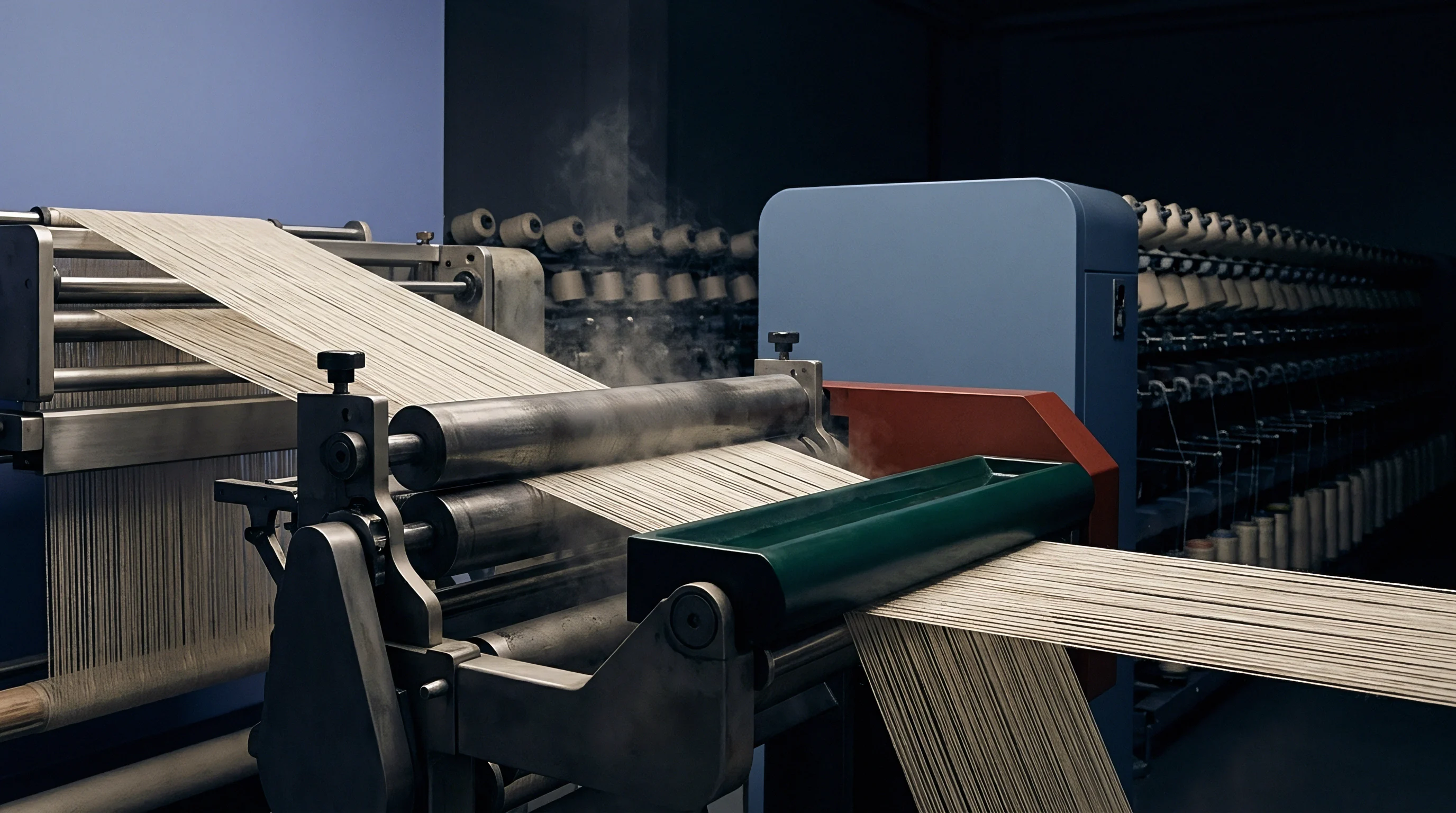
Mills receiving damp deliveries face severe drafting problems if they send fibre into production without conditioning. Wet flax increases friction between fibres, chewing through drafting aprons and throwing slubs into yarn. Holding unpacked stock in conditioning rooms at twenty degrees Celsius and sixty-five percent relative humidity brings bales to equilibrium over three to four weeks.
Leaving dense bales strapped under warehouse conditions will not even out the moisture, since vapor diffuses through compressed bast at negligible rates.
Forced hot-air drying strips water but degrades natural waxes, leaving the flax brittle and hurting yarn lea strength. Equilibrium regain benchmarks between dew-retted Heilongjiang line flax and French Normandy water-retted fibre remain an ongoing debate in commercial laboratories. Nominal trading assumes parity at twelve percent, yet published comparative trials report spreads between eleven point two and thirteen point four percent depending on residual pectin and wax content.
Buyers manage this margin by pegging payment directly to oven-dry anhydrous mass plus the negotiated regain constant rather than relying on unverified regional averages.

Formula
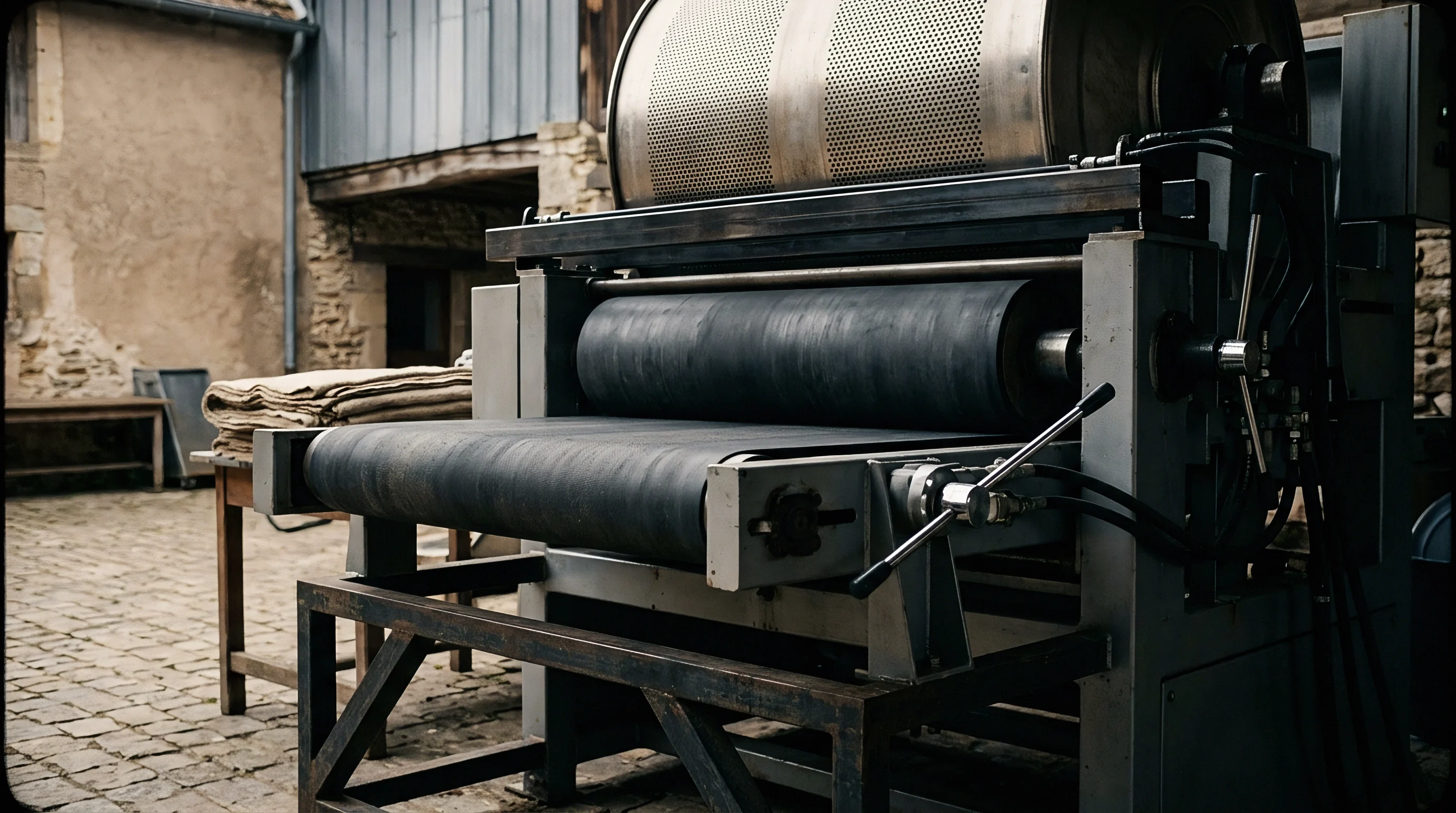
Settling landed consignments financially means converting laboratory moisture tests into invoice adjustments. Shipping manifests assume standard commercial regain, billing the bill-of-lading weight at the agreed price per kilogram. When third-party testing shows landed regain deviating from twelve point zero zero percent, final payable mass must be recalculated using standard commercial mass formulas.
Commercial mass calculations for bast fibres follow ISO 6741-1, deriving invoice weight by multiplying oven-dry anhydrous mass by one plus the commercial regain fraction. To calculate landed weight adjustments, actual received weight is divided by one plus physical moisture regain, and that anhydrous base is multiplied by one plus agreed commercial regain. This calculated mass is the sole figure the buyer pays for under the contract.
Application of the CELC Moisture Clause recalculates invoice tonnage by multiplying certified anhydrous mass by one point one two.

Commercial Mass Equations under International Standards
Calculating commercial mass follows a direct sequence. Anhydrous mass equals as-received gross weight divided by one plus actual moisture regain as a decimal:
Anhydrous Mass = Gross Wet Mass / (1 + (Actual Regain / 100))
Commercial mass is that anhydrous figure multiplied by one plus the official commercial regain of twelve percent:
Commercial Mass = Anhydrous Mass 1.12
The monetary adjustment is calculated by taking the difference between landed commercial mass and invoiced mass, multiplied by unit contract price:
Adjustment Value = (Commercial Mass – Invoiced Mass) Unit Price
| Landed Moisture Regain (%) | Gross As-Received Mass (kg) | Anhydrous Oven-Dry Mass (kg) | Corrected Commercial Mass (kg) | Invoice Adjustment Mass (kg) | Financial Variance (EUR) |
|---|---|---|---|---|---|
| 9.50 | 40,000 | 36,529.68 | 40,913.24 | +913.24 | +4,566.20 |
| 10.50 | 40,000 | 36,199.10 | 40,542.99 | +542.99 | +2,714.95 |
| 11.50 | 40,000 | 35,874.44 | 40,179.37 | +179.37 | +896.85 |
| 12.00 | 40,000 | 35,714.29 | 40,000.00 | 0.00 | 0.00 |
| 13.00 | 40,000 | 35,398.23 | 39,646.02 | -353.98 | -1,769.90 |
| 14.00 | 40,000 | 35,087.72 | 39,298.25 | -701.75 | -3,508.75 |
| 15.50 | 40,000 | 34,632.03 | 38,787.88 | -1,212.12 | -6,060.60 |
| Variance Span | 40,000 | -1,897.65 | -2,125.36 | -2,125.36 | -10,626.80 |

Spinning Yield Consequences across Wet Drawing Frames
Sliver preparation breaks down quickly when fibre moisture drifts away from the twelve percent spinning target. Spinning mills tracking production yields find that excess water behaves like phantom fibre through hackling and carding. If a mill purchases scutched line flax at fourteen percent regain without an invoice adjustment, two percent of billed tonnage simply evaporates into the mill air before drafting begins.
Damp fibres pack into dense, dead slivers that draft irregularly through gill boxes, driving up the coefficient of variation in roving weight. On dry-spun lines for upholstery or heavy apparel, excessive moisture pushes carding fly waste up by two point five percent. For wet-spun fine yarns at metric count fifty, uncorrected moisture variance shifts linear density, producing off-count yarn bobbins that fail winding checks.
Relying on the CELC Moisture Correction Clause bases final settlement on certified anhydrous mass multiplied by one point one two, bypassing gross weighbridge numbers entirely.


Tolerance
Flax contracts establish allowable deviation thresholds before financial claims apply. In practice, routine trade avoids administrative re-billing for minor laboratory fluctuations. European bast fibre contracts typically set a deadband corridor between point five and one point zero percent around the twelve percent baseline; within this range, original invoice totals stand.
The two percent deadband seen in some European flax contracts reflects historical baling scale discrepancies recorded in 2004 across forty-bale container shipments. Extending transit times through tropical routes beyond twenty-five days tests this tolerance, creating moisture gradients that easily breach the deadband. Bulk grain shipping exhibits the same thermodynamic behavior: sorghum and wheat vent moisture through container louvers, generating cargo shortfalls under bills of lading before dry grain ever reaches the silo.
Baled bast fibres exchange vapor in identical fashion.

Cross Border Tariffs and Port Entry Adjustments
Customs authorities levy ad valorem duties on the transaction value declared at port entry. When ocean shipments pick up three percent water weight during transit, dockside scales record an artificially inflated tonnage. Submitting raw weighbridge weights without certified regain adjustments means paying customs duties, harbor fees, and value-added tax on absorbed water rather than spinnable flax.
| Standard Designation | Governing Body | Official Moisture Regain (%) | Sample Selection Frequency | Permissible Tolerance Band (%) |
|---|---|---|---|---|
| ISO 6741-4 | International Organization for Standardization | 12.00 | Square root of lot size | 0.50 |
| CELC Trading Rules | European Confederation of Flax and Hemp | 12.00 | 10 percent of bales | 1.00 |
| GB/T 5882 | Standardization Administration of China | 12.00 | 5 to 10 percent of bales | 0.75 |
| ASTM D2495 | American Society for Testing and Materials | 12.00 | Pre-determined lot fraction | 0.50 |

When Does Desorption Skew Border Valuation?
Containers routed through dry trade corridors lose moisture rapidly through ventilation louvers. Bales packed during a damp Normandy autumn shed water while crossing the Mediterranean or the Suez, arriving lighter than bill-of-lading weights. Customs officials noting the gross weight shortfall frequently suspect pilferage or partial offloading, detaining containers at the terminal until the manifests are cleared.
Commercial contracts prevent regulatory disputes by embedding explicit administrative steps:
- Commercial Regain Verification sets the baseline calculation for cross-border duty assessments on landed weight.
- Consignment Sampling Protocols define whether individual container lots require separate moisture certificates or share pooled laboratory averages.
- Arbitration Clause Specification names the accredited testing facility whose oven-dry results bind both parties in commercial disputes.
Maritime logistics contracts leave unresolved whether carrier delays through humid shipping corridors constitute an insurable cargo loss or an ordinary commercial variance.

Settlement
Dispute resolution in bast fibre trade hinges on third-party laboratory analysis. When a consignment arrives waterlogged or over-dry at the core, the mill issues a claim within five business days of devanning. Coring proceeds under joint supervision of buyer and seller representatives or through sworn maritime surveyors.
Independent laboratories take custody of sealed canisters, run standard oven drying, and calculate commercial mass according to ISO 6741. Invoicing adjustments then clear through credit notes. Where landed commercial mass falls below invoiced tonnage, the seller credits the difference within thirty days.
Conversely, if commercial mass exceeds billed weight outside agreed tolerances, the buyer pays for the additional dry fibre received.
Neutral analytical certificates eliminate commercial friction before contested containers incur demurrage penalties at container depots.
Contract Clauses Governing Third Party Testing
Contracts should name the certified testing laboratories authorized to handle samples under chain-of-custody rules. Agreements typically specify who pays for testing: the claimant covers laboratory fees if variance falls within tolerance, whereas the seller reimburses those costs if moisture exceeds agreed boundaries. Writing the regain calculation formula directly into purchase contracts prevents subjective disputes over weighbridge variances.
Commercial settlements work when contract language aligns with fibre physics. Specifying grade, staple length, and strength without pinning down landed moisture regain leaves spinning yields exposed to whatever weather the cargo encountered at sea. Settling transactions on certified dry cellulose protects yarn output, whereas fighting over raw weighbridge numbers only erodes trading margins.