Drafting Resistance
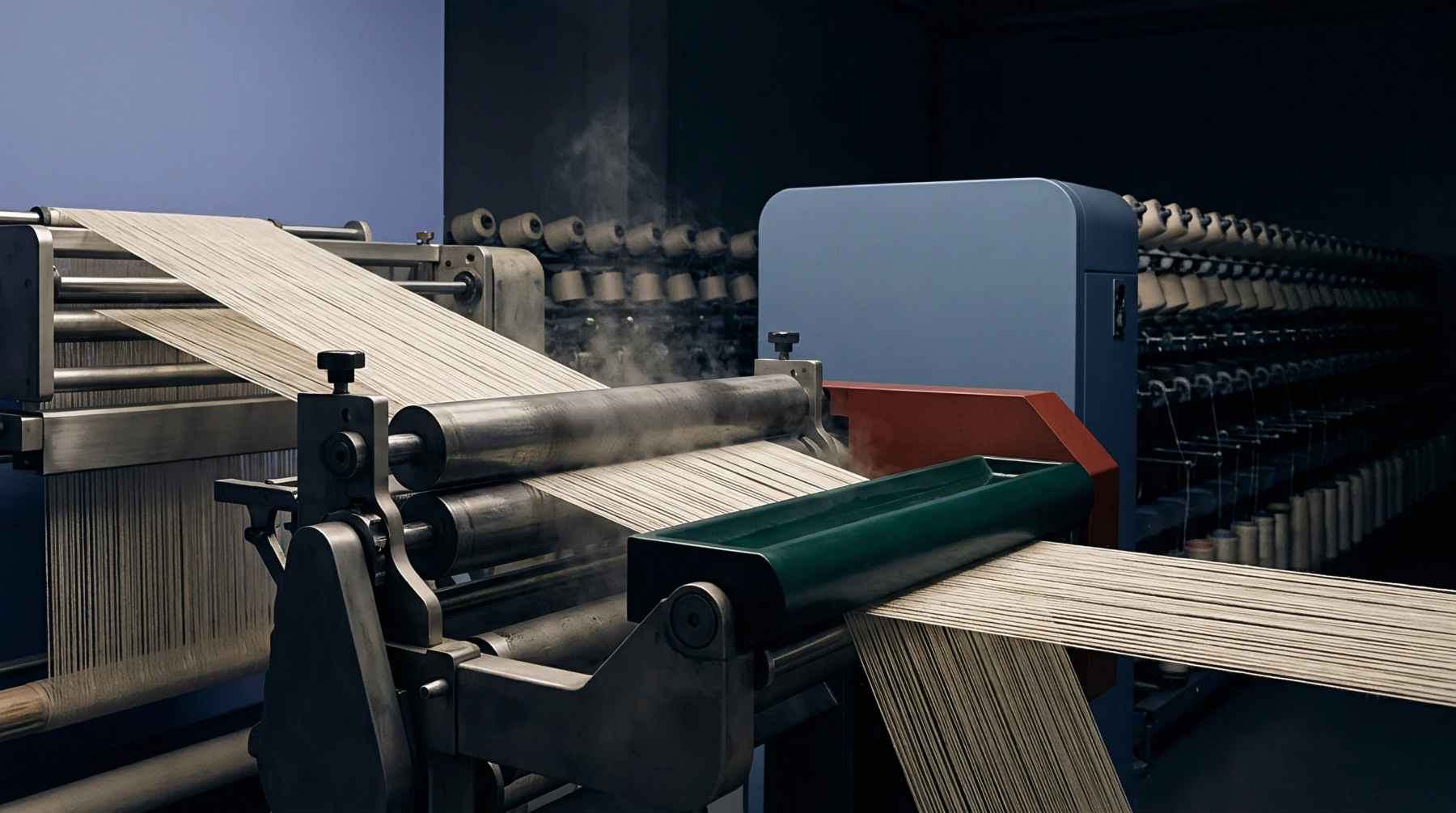
Mechanical resistance generated between unspun flax fibres moving past one another under tension defines the physical force required to maintain continuous drafting without strand failure. Measurable during high-speed drawing frame operations, dynamic sliver cohesion indicates how effectively pectin binders and micro-hooks hold the unspun linen material together under load. High friction prevents thin spots during drawing attenuate steps, whereas low friction causes strand slippage and unexpected breaks.
Testing equipment measures pull-out force across specified draft distances on unspun flax assemblies before twisting occurs. Standard laboratory protocol records maximum and mean resistance values during continuous strand extension. The measurement boundary ends once real twist is inserted at the roving frame or wet spinning frame.
Process Stability
Pectin content and moisture levels govern how individual flax strands interact during drafting operations. When relative humidity in the mill drops below target limits, static charge accumulates and dynamic sliver cohesion declines. Slippage occurs across drawing rollers, creating irregular mass variation along the running strand.
Adjusting roller gauge settings compensates for raw material variance in hackled line flax. Correct drafting forces keep strand thickness within acceptable technical tolerances.
Mill Control
Technicians monitor force charts to evaluate retting uniformity before production runs begin. Test dockets record tension values alongside environmental logs to set mill acceptance parameters. Unstable pulling resistance causes sliver breaks and reduces overall spinning efficiency.