Chemical Modification
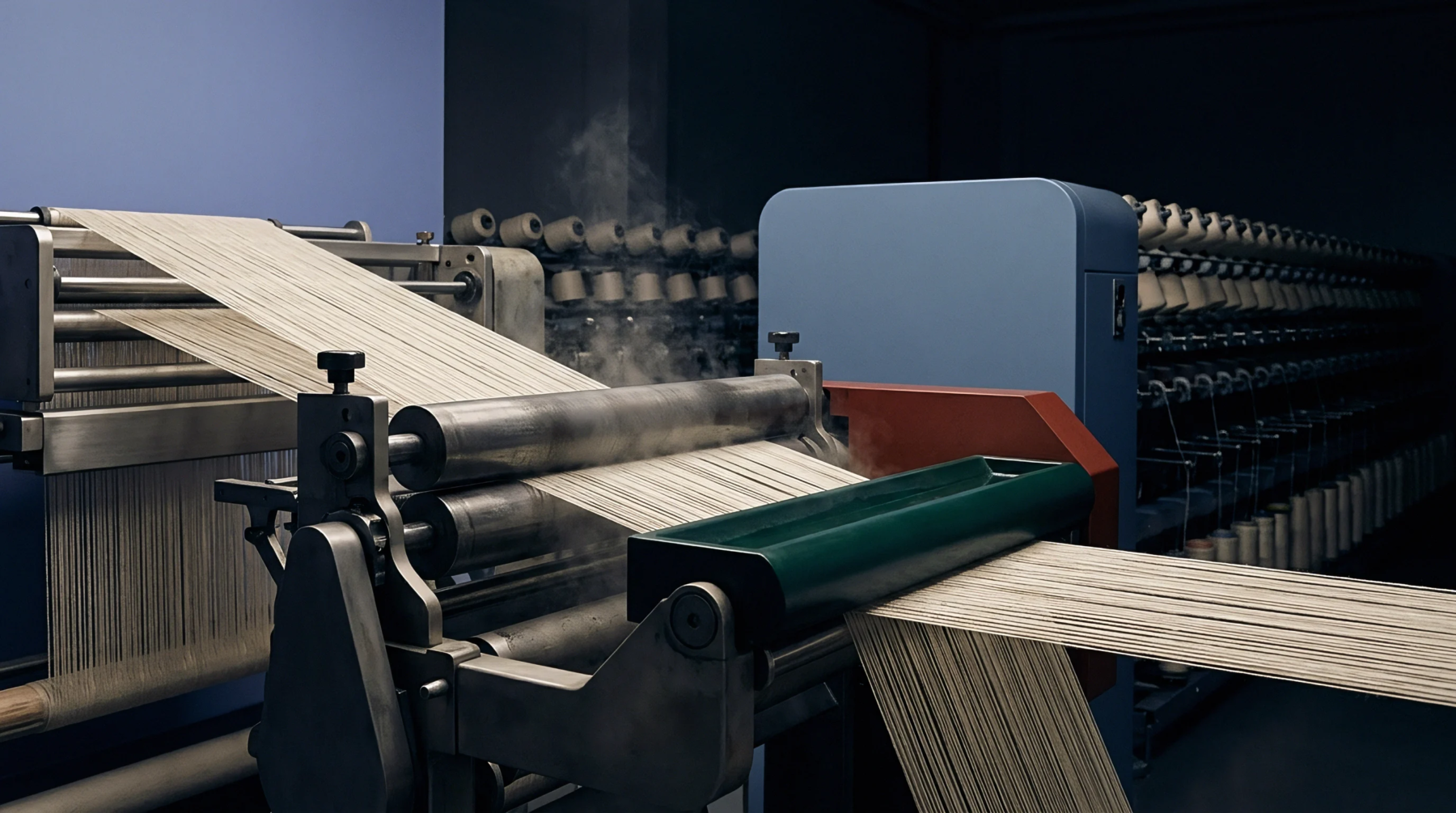
Moisture content regulates the physical state of flax fibres during the mechanical retting stage, where pectin plasticization alters the intercellular matrix to facilitate separation from the lignified stalk. This change occurs as water molecules disrupt hydrogen bonding between uronic acid groups, lowering the glass transition temperature of the binding material within the middle lamella. Extraction efficiency depends on the precise hydration level maintained during mechanical breaking and scutching, ensuring that the plant gums behave as a flexible lubricant rather than a brittle solid.
Processing Baseline
Humidity control within the primary production facility determines the success of fibre bundle dissociation by keeping the gummy coating in a compliant state. Operators monitor the moisture uptake against the dry weight of raw flax stalks to establish the optimal softening threshold for the specific harvest year. If the material remains too dry, the mechanical force required to fracture the stalk risks internal fibre damage, reducing the final staple length and yield.
High moisture levels conversely lead to excessive gum removal, causing the bundles to split into finer filaments than the spinning frames accommodate. Standards for this procedure appear in the internal quality manual of the mill, which requires periodic spot checks of raw material mass during storage and transit.
Performance Constraint
Final yarn strength fluctuates based on the completeness of this stage, because residues left after improper treatment degrade the subsequent spinning consistency. High residual pectin levels impede fibre slippage during drafting, while excessive plasticization creates surface tackiness that increases breakage rates on high-speed spindles. Automated sensors on the scutching line detect the moisture content, adjusting the ventilation settings to maintain the target range for ambient equilibrium.
Consistent performance of the fibre in downstream weaving relies on the stability of this state during the initial mechanical separation phase. Proper conditioning of the raw flax stalk provides a predictable foundation for all subsequent processing operations.