Mass Balance Conversion Arithmetic across Wet Spinning Flax Yarn Production
Linen yarn mass balance requires bone dry calculations that account for three to six percent pectin extraction and fourteen percent moisture regain variance.
Loss
Raw hackled flax entering a spinning mill carries organic impurities, natural pectins, and non-spinable fragments that drop out across transformation. Auditing the physical conversion into spun yarn demands continuous tracking through distinct chemical and mechanical stages, as each process zone alters both dry solid mass and lot moisture.
Mechanical Separation Dynamics in Flax Preparation
Initial batch allocations depend directly on hackling yields. During bundle combing, long line flax sheds between eight and fourteen percent of starting gross weight as hackling tow, while carding machines convert scutched line or tow into continuous sliver and drop short fibers into hoppers. Processing this tow through secondary carding shakes out heavy shive, mineral dust, and un-cardable dirt, removing another twelve to eighteen percent as mechanical waste.
In high-grade production, secondary combing cleans out fibers shorter than twenty-five millimetres, dropping seven to fifteen percent of sliver mass as comb noil. Spinners either route this noil into coarse open-end spinning lines or sell it into non-woven insulation manufacturing.
| Processing Zone | Mass Fraction Removed Range (%) | Dry Basis Mass Remaining (%) | Waste Component Identification |
|---|---|---|---|
| Hackling & Combing | 8.0 – 14.0 | 86.0 – 92.0 | Hackling tow, long lint waste |
| Tow Carding | 12.0 – 18.0 | 70.5 – 81.0 | Heavy shive, mineral dust, card fly |
| Sliver Combing | 7.0 – 15.0 | 60.0 – 75.0 | Comb noil, short fibril clusters |
| Drawing & Doubling | 1.0 – 2.5 | 58.5 – 74.0 | Sliver lap remnants, front-roller fly |

Chemical Extraction during Roving Bath Boiling
Untwisted sliver packages are boiled in heated alkaline baths to dissolve natural cementing compounds prior to wet spinning. Treating the roving with sodium carbonate and caustic soda at eighty-five degrees Celsius strips away water-soluble pectins, natural waxes, and hemicellulose matrices encasing the technical fiber bundles.
Chemical scouring of roving packages reduces dry fibre mass by 3.5 to 6.2 percent depending on alkali concentration and bath duration.
Mass balance accounting at the roving stage breaks down whenever auditors log wet package weights rather than bone-dry fiber content. The scouring bath leaches out non-cellulosic binder solids into the wastewater effluent; failing to correct raw mass figures for this liquid loss creates phantom inventory on mill ledgers.
- Scutcher dust and shive drops out during initial carding, comprising non-cellulosic wooden residues.
- Comb noils and short fiber extract during high-grade preparation to separate fibers under two centimeters.
- Pectin and water soluble matter dissolve during alkaline boiling, altering dry mass yield figures.
- Spinning fly and suction waste collect at ring frame drafting zones as fine particulate drift.
Mill managers frequently attribute excess weight reductions to abnormal harvest weathering rather than uncalibrated bath extraction times.

Draft
Roving packages are attenuated on wet ring spinning frames equipped with hot water troughs. Submerging the roving at sixty-five degrees Celsius softens residual intercellular pectin so individual ultimate fibers can slide past one another between drafting rollers.

Hot Water Trough Kinetics and Liquid Absorption
Immersion in 65°C water lubricates fiber bundles for drafting, but fibers leave the trough carrying between one hundred twenty and one hundred eighty percent liquid pickup relative to dry mass. Mechanical rollers squeeze out surface liquor, yet yarn packages doffed from the frames remain fully saturated.
Water trapped within package pores distorts weights taken immediately after spinning. Calculating mass yield at the spindle doff produces misleading recovery numbers unless packages are tracked along verified drying curves.

Moisture Regain Determination Procedures
Standardized oven-drying tests establish absolute dry fiber mass from wet packages, using the reference testing methodology set out in ISO 6741 for commercial weight calculations.
- Weigh the wet yarn package immediately after doffing from the spinning frame to capture raw gross mass.
- Place the sample inside a ventilated drying oven set to 105 degrees Celsius with continuous air circulation.
- Maintain heating until consecutive weighings at fifteen minute intervals show less than zero point one percent mass change.
- Calculate absolute dry mass by deducting container tare weight from the stabilized dry specimen reading.
- Apply the official twelve percent commercial regain factor to compute standard invoice trading weight.
Calculating mass balance on wet yarn state without bone dry conversion masks severe physical inventory gaps.
Accurate physical tracking relies on dry-fiber baselines rather than container scale readings taken on the mill floor.


Shrinkage
Mass yield equations and volume shifts diverge noticeably across fine and coarse count ranges. Spinning fine counts requires higher draft ratios, heavier nip pressures, and longer dwell times in the hot water troughs, all of which drive up waste.

Which Conversion Coefficients Govern Commercial Mass Balance Audits?
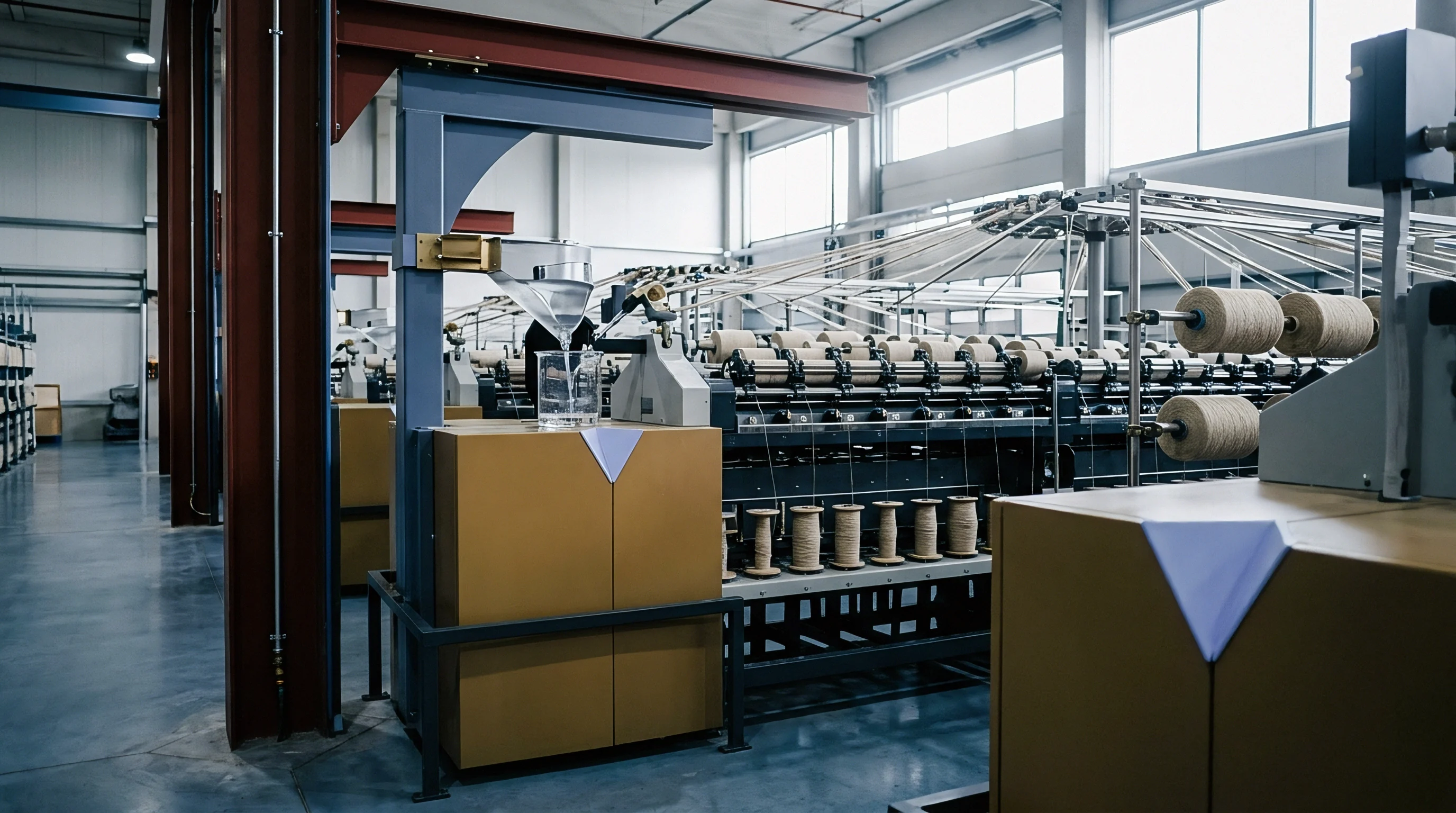
Standardized industry formulas trace cumulative material losses from hackled line to finished cones. Fine wet-spun yarns above Lea 60 or Nm 100 deliver lower net yields than coarse numbers like Lea 14 or Nm 24, largely because elevated draft ratios generate substantial suction fly waste at the spindle drafting zone.
Mass balance verification couples the incoming fiber grade to output yarn count using an empirical coefficient, scaling material utilization directly against target yarn fineness.
Commercial Regain Allowances in Trade Settlement
Invoices settle on commercial weight calculated from official moisture percentages: twelve percent regain for pure grey yarn and thirteen percent for bleached flax. Ambient relative humidity shifts during transit mean physical weight checked on warehouse arrival rarely matches invoiced figures.
Under ISO 6741-1 provisions, failure to correct wet spun yarn shipments for standard twelve percent regain invalidates commercial invoice mass claims.
- Fibre input weight tickets verify raw bale moisture contents prior to opening room intake.
- Boiling bath mass logs record chemical extraction percentage losses per treatment batch.
- Ring frame doff logs capture wet yarn package weights before package drying operations.
- Conditioned warehouse records establish baseline relative humidity during final winding and packing.
Incorporating European Flax Standard Section 4.2 into supply agreements mandates that mass balance credits match verified dry-weight yield tables rather than gross mill output logs.
Calculus
A rigorous tracking model establishes exact material flow from bale store intake to final inspection by tracing dry solids rather than gross floor readings.
Consider a 10,000 kg lot of hackled line flax fibre delivered to a wet spinning plant. With incoming inspection recording raw moisture at 12.0 percent, moisture accounts for 1,071.43 kg, leaving 8,928.57 kg of bone-dry fiber input.
The lot progresses through carding, sliver preparation, alkaline roving boiling, wet ring spinning, drying, and cone winding. Mechanical carding and combing drop 11.5 percent of initial dry fiber mass as tow and noil, leaving 7,901.78 kg of bone-dry fiber in combed sliver.
Caustic scouring dissolves pectins and waxes, shedding 4.8 percent of dry solid mass in the boiling baths and leaving 7,522.50 kg of dry fiber after chemical extraction.
Wet ring spinning and cone winding generate 3.2 percent hard waste through thread breaks, doff remnants, and clearer cuts, leaving 7,281.78 kg of bone-dry yarn on final cones.
Conditioning brings the yarn to the standard 12.0 percent commercial regain level. Multiplying 7,281.78 kg by 1.12 yields a commercial invoice mass of 8,155.59 kg of saleable yarn.
| Transformation Step | Physical Output Mass (kg) | Moisture Content (%) | Bone-Dry Mass (kg) | Cumulative Yield Ratio (%) |
|---|---|---|---|---|
| Bale Store Intake | 10,000.00 | 12.00 | 8,928.57 | 100.00 |
| Combed Sliver Output | 8,850.00 | 10.71 | 7,901.78 | 88.50 |
| Boiled Roving Output | 8,266.00 | 9.00 | 7,522.50 | 82.66 |
| Wound Yarn (Bone-Dry) | 7,281.78 | 0.00 | 7,281.78 | 72.82 |
| Invoiced Commercial Yarn | 8,155.59 | 12.00 | 7,281.78 | 81.56 |
| Calculations follow ISO 6741 dry-weight methods assuming 4.8% chemical extraction loss and 3.2% spinning waste. | ||||
- Unreconciled yarn mass surplus indicates unrecorded blending of lower-grade or conventional fibers.
- Pectin loss underreporting signals inadequate scouring or artificially inflated yield metrics.
- Unadjusted wet package weigh-ins exaggerate output volumes by counting process water as fiber.
Tracing this 10,000 kg consignment shows net mass loss reaching 18.44 percent of commercial fiber weight, yielding exactly 8,155.59 kg of certified yarn for fabric production.

Discrepancy
Reconciliation gaps between fiber transaction certificates and yarn deliveries appear whenever mill tracking systems fail to isolate individual runs, weakening the physical mass balance accounting designed to prevent conventional substitution.

Mass Balance Credit Allocation versus Physical Isolation
Chain-of-custody models permit mixing certified and conventional fiber under defined administrative limits. Under European Flax and GOTS guidelines, a mill purchasing twenty tonnes of certified raw flax receives twenty tonnes of volume credits, while conversion calculations determine the volume of certified yarn it may sell against that intake.
Applying inflated default yields during credit reconciliation creates openings for unearned credit generation. If an auditor applies a default ninety percent yield to an operation running at an actual eighty-one percent yield, nine percent of conventional output receives unearned certification credits.
Audit Mechanisms and Floor Control Vulnerabilities
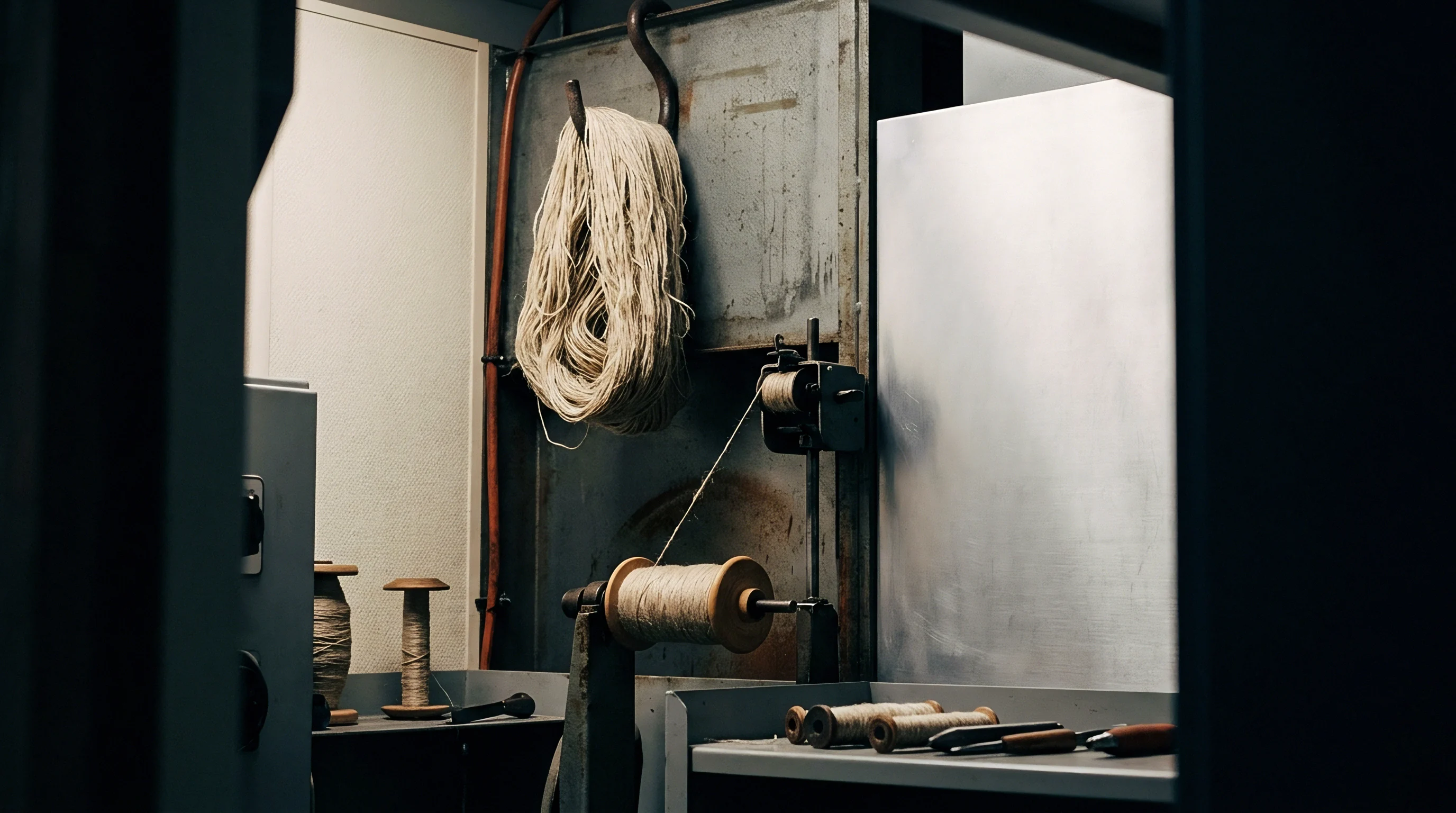
On-site auditors check weighbridge dockets against spinning lot logs to catch undocumented substitution, comparing transaction certificates, mill doff reports, tare receipts, and wastewater sludge volumes.
| Control Model | Physical Segregation Degree | Mass Balance Verification Method | Risk Profile for Substitution |
|---|---|---|---|
| Hard Segregation | 100% Dedicated Machinery | Physical lot weighing at every zone | Lowest risk, high operational cost |
| Batch Segregation | Temporal Separation | Time-stamped doff and cleaning logs | Moderate risk during line changeover |
| Mass Balance Credit | Blended Run Permitted | Dry-weight yield conversion ratios | Elevated risk if conversion ratios are inflated |
Unreconciled weight credits in spinning mills indicate blend contamination or undocumented fiber swapping.
Ignoring yield boundaries during transaction certificate audits leaves brands vulnerable to penalties under destination market fiber-labeling laws.