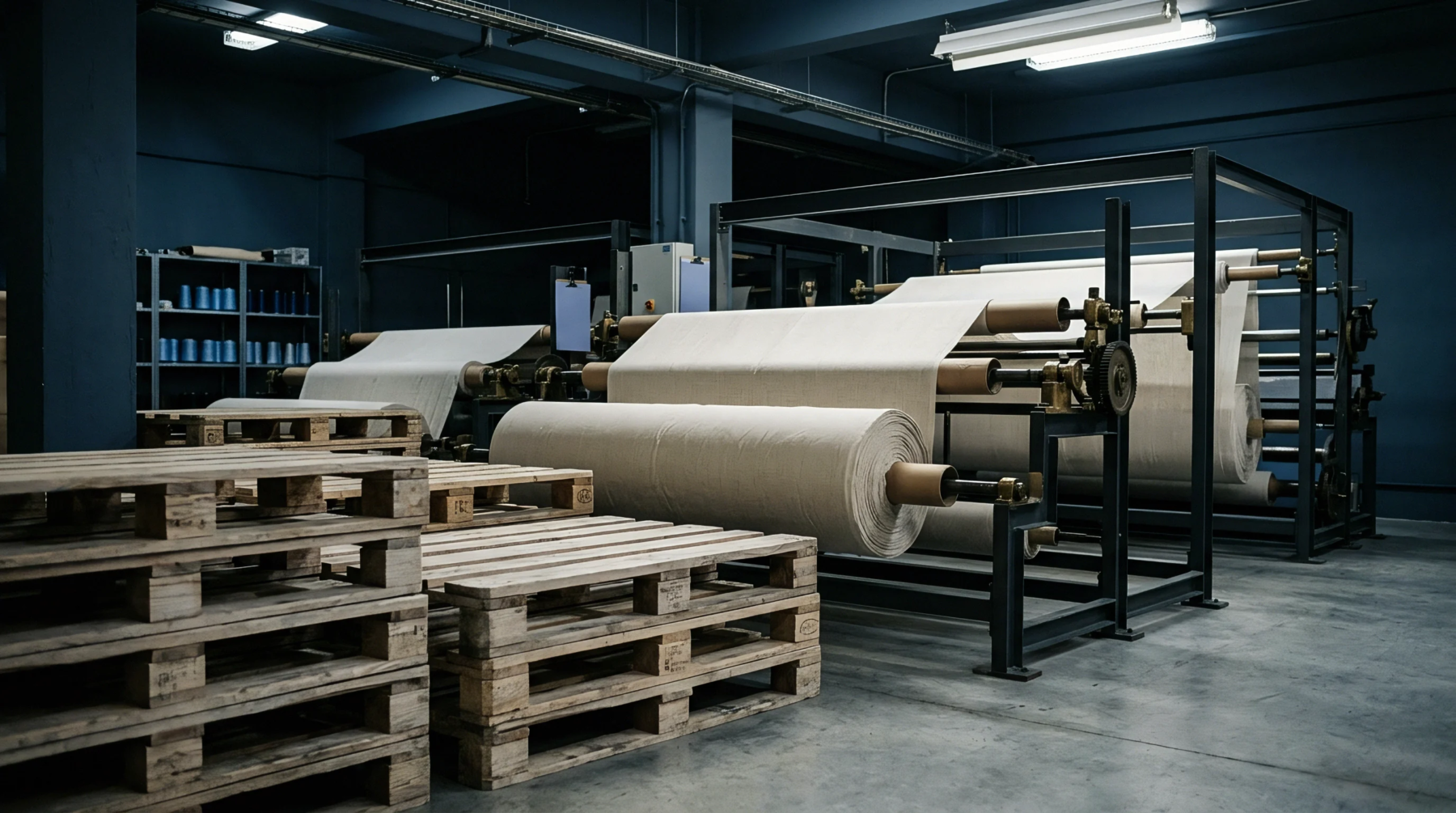
Optimizing Edge Crimp and Temple Settings for Wide Linen Warps
Balancing edge crimp on wide linen warps relies on matched temple pin inclination, selvedge denting gradients, and high ambient shed humidity.
Balancing edge crimp on wide linen warps relies on matched temple pin inclination, selvedge denting gradients, and high ambient shed humidity.
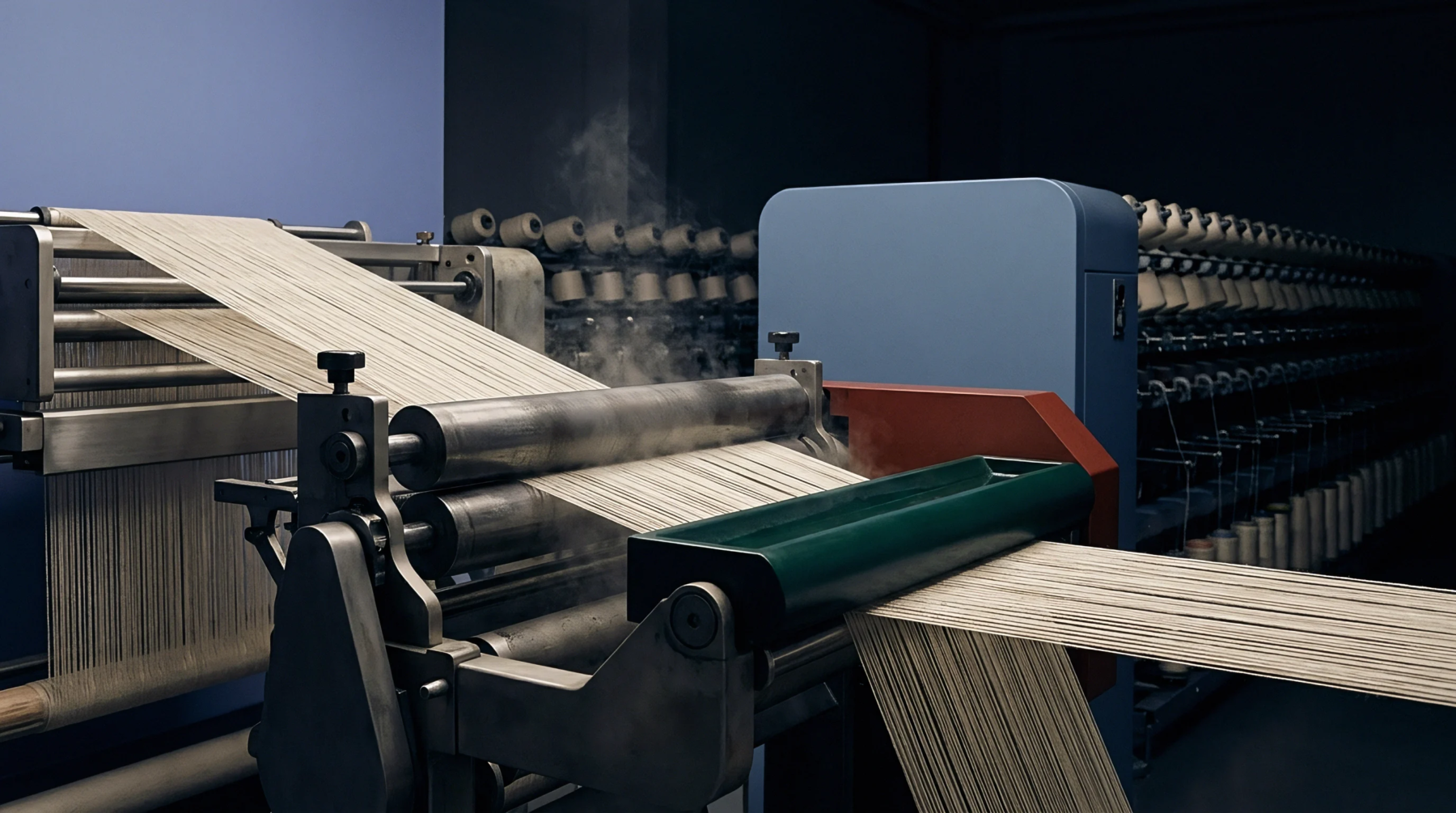
Active whip roll damping combined with lower shed crossover prevents bast yarn rupture while maintaining insertion speed on air-jet looms.

Discrepancies resolve by synchronizing encoder positions, normalizing tension relaxation shrinkage, and weighting telemetry clusters against ASTM D5430 point bands.
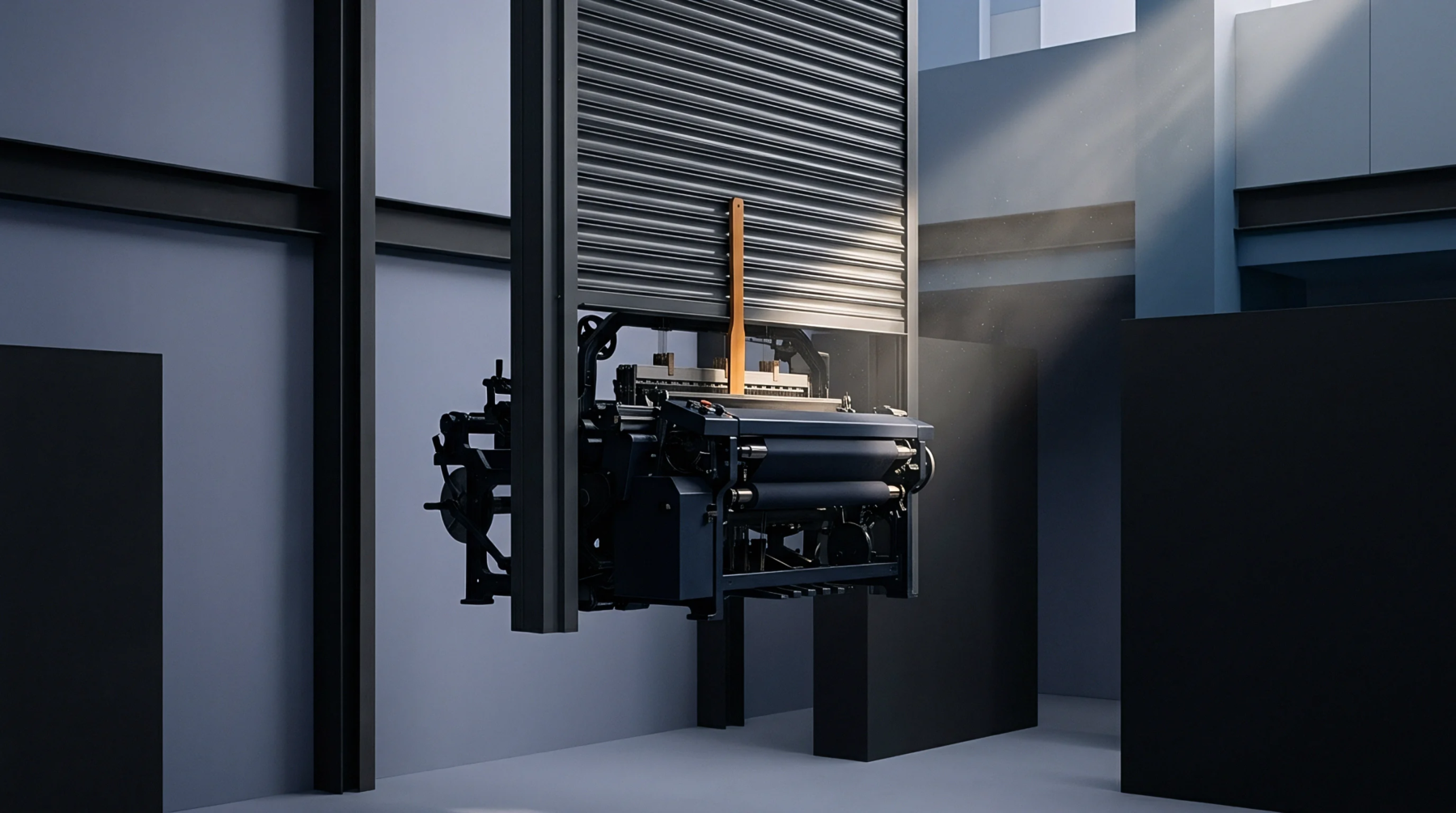
Asymmetric shed geometry causes unequal warp sheet strain during beat-up, spiking dynamic tension and triggering end breaks at high speeds.
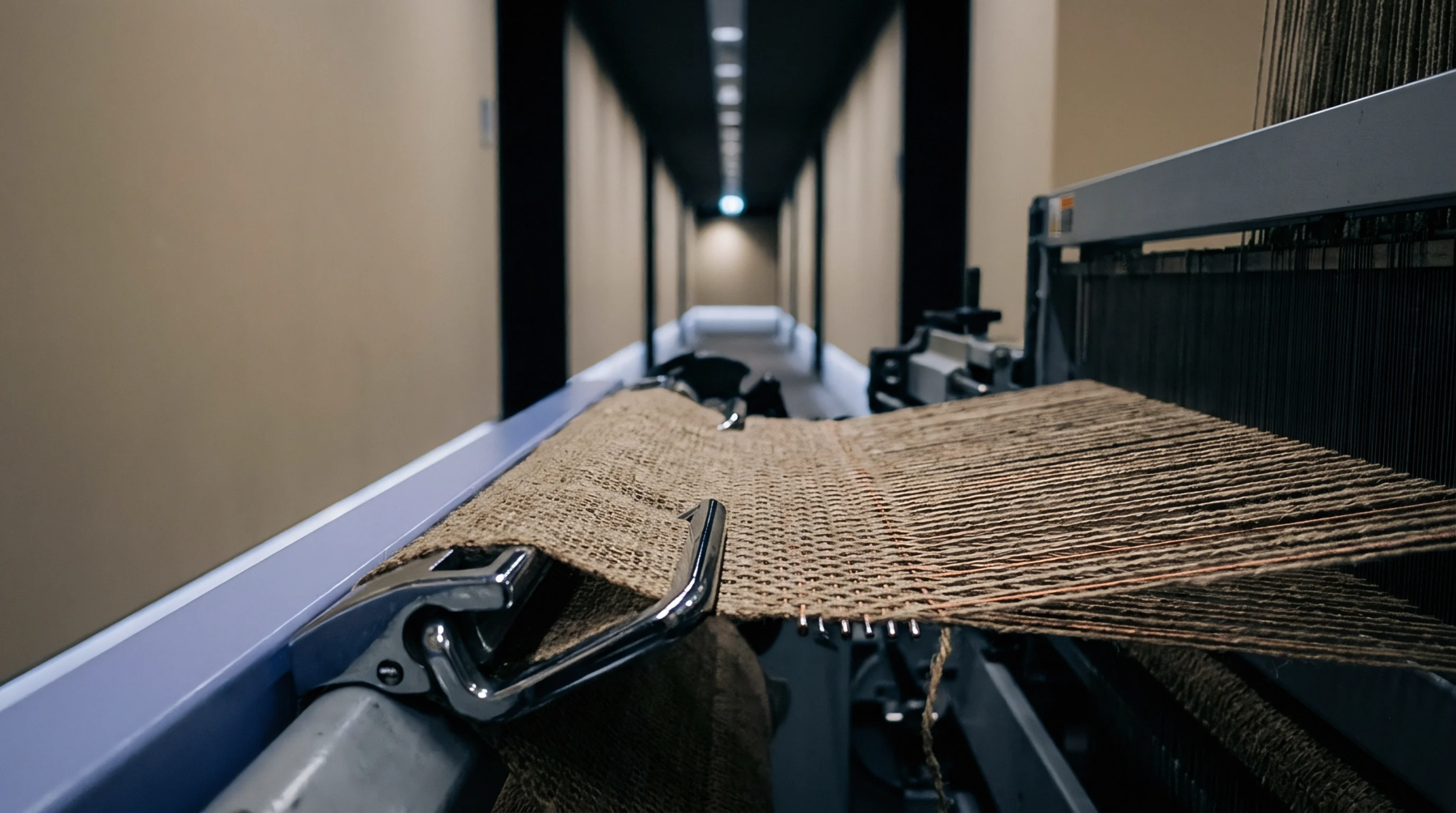
Asymmetric shed geometry and early crossover timing reduce flax peak tension, preventing end breakage on high-density linen warps without sacrificing speed.

Calculating reed denting widths for heavy flax requires factoring yarn diameter, wire air gap above fifty percent, and weave-specific width contraction.

Commercial moisture regain recalculations convert received damp flax mass to clean dry mass plus standard allowances, eliminating paid water weight from invoices.

Dynamic weaver dispatch using Hawkes process intensity modeling cuts linen warp stop wait times by seventy percent and secures eighty-nine percent shed efficiency.

Comb sorter diagrams define the true upper quartile length and short-fibre mass of hackled flax, setting frame ratch distances and determining wet-spun yields.
Weaver allocation balances labor wages against machine interference losses, where optimal loom-to-operator ratios maximize amortized shed efficiency.
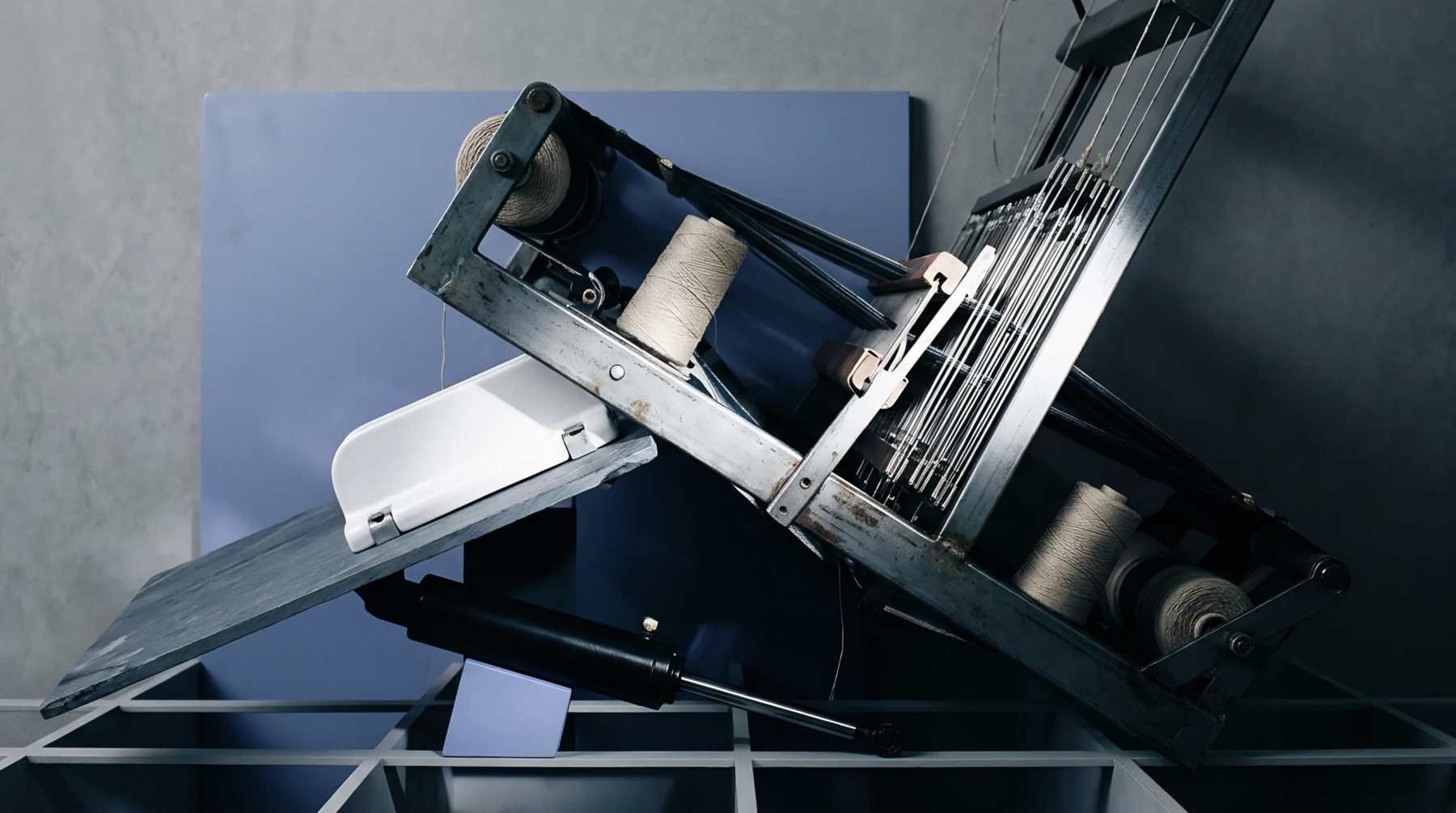
Non-isothermal humidity gradients drive non-linear capstan tension amplification in high-density linen sheds, increasing end break rates unless controlled.
Dynamic friction coefficients in fine wet spun linen warps depend on moisture regain and sizing film integrity, directly dictating loom speed limits.
Fine wet spun linen warp breaks are minimized by capping dynamic shed strain below 2.0% through asymmetric back-rest tuning and controlled relative humidity.
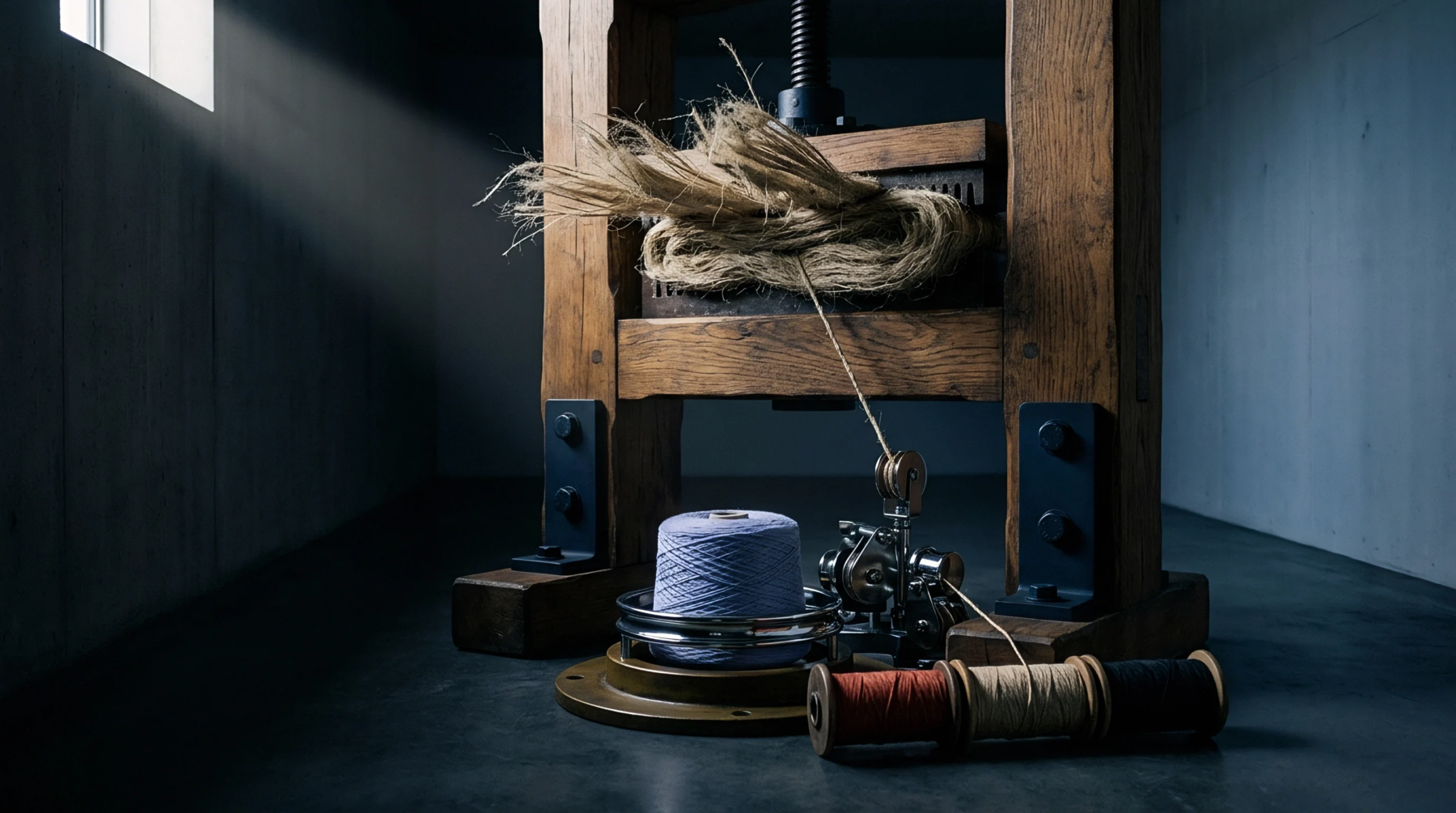
Controlled PVA sizing bounds radial penetration between fifteen and twenty-five percent, preserving internal flax flexibility while suppressing shed abrasion.
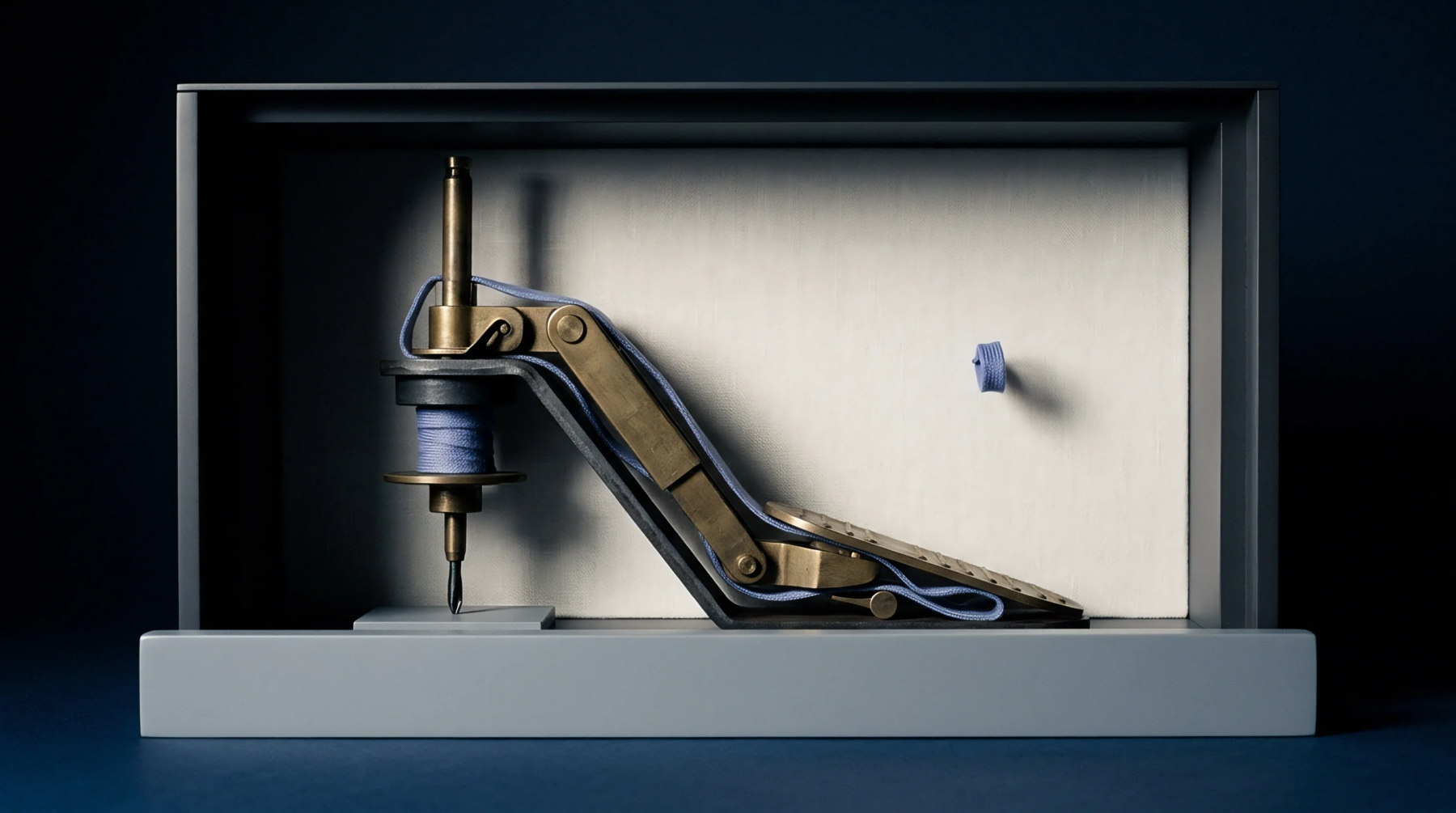
Viscoelastic tension relaxation in sized bast warps creates fell line migration and set marks unless controlled by active electronic let-off compensation.

Sustained warp tension forces wet-spun linen yarns into non-recoverable tertiary creep, requiring strict moisture controls to prevent off-quality marks and loom downtime.

Throttling air jet pressure below 0.54 MPa on linen weft cuts compressor load but spikes stoppage rates, raising net weaving cost per metre.
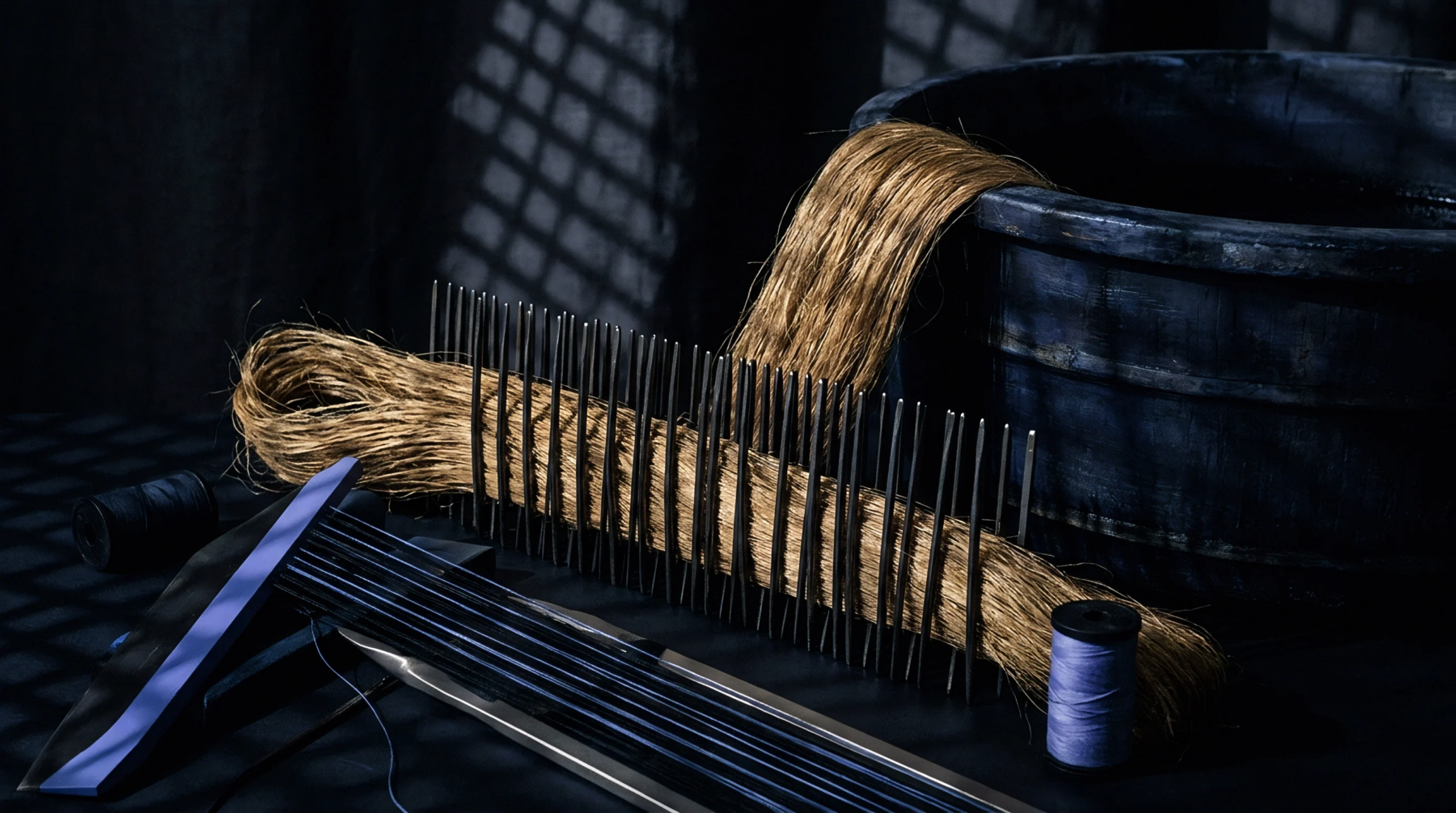
Generalized Maxwell Modeling quantifies speed-dependent warp tension spikes, allowing weavers to set loom parameters that minimize end breaks and starting marks.

Dense flax yarn stress decay stems from matrix shear along cellulose microfibrils, requiring active let-off compensation to prevent restart density defects.
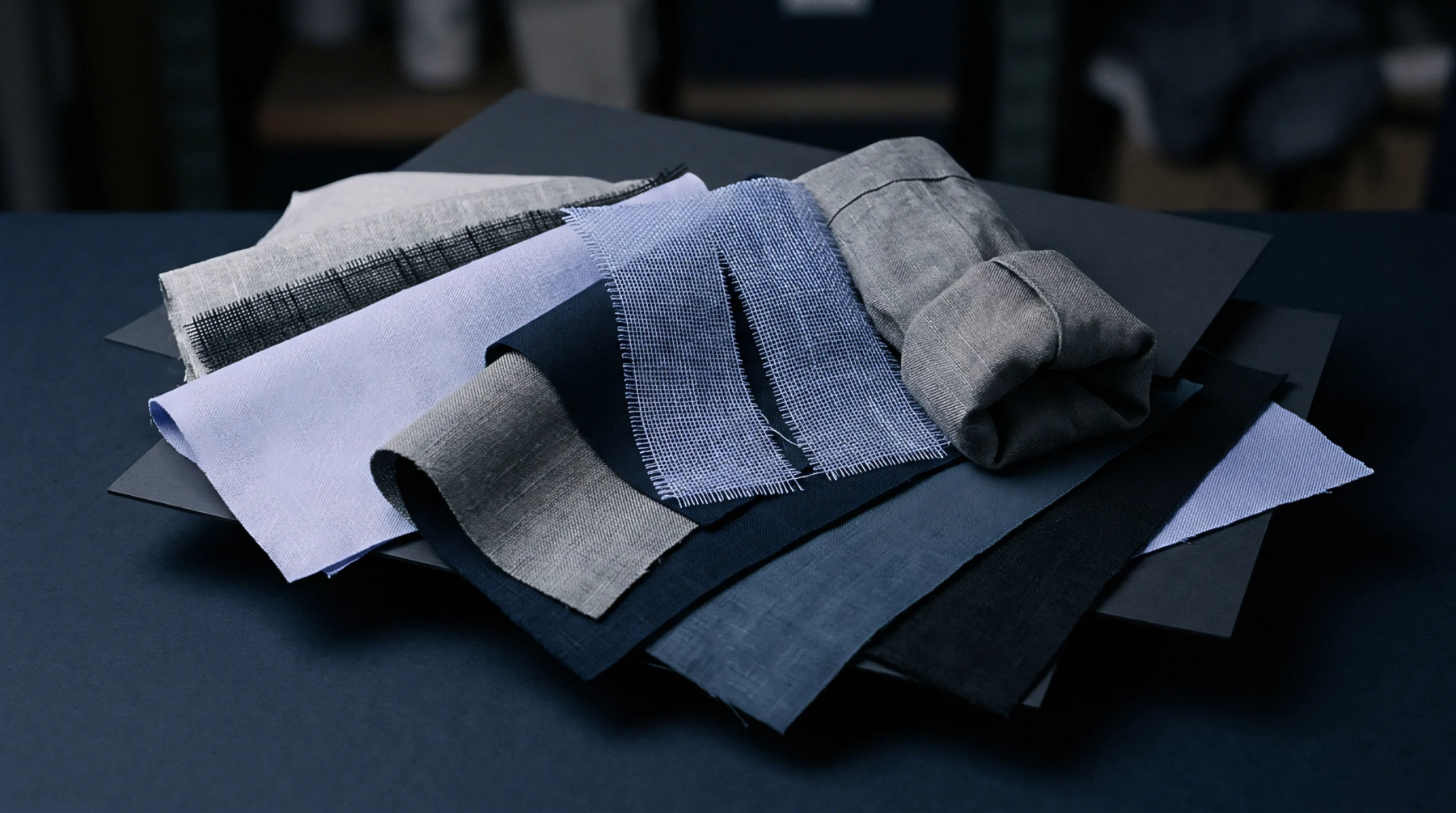
Establishing a minimum 0.45 core-to-sheath spectroscopic absorbance ratio prevents high-density Jacquard linen sizing penetration failure and loom downtime.

Moisture regain directly alters yarn linear density, requiring strict shed humidity control and ISO 2060 dry mass corrections to stabilize rapier weaving mechanics and landed cloth costs.
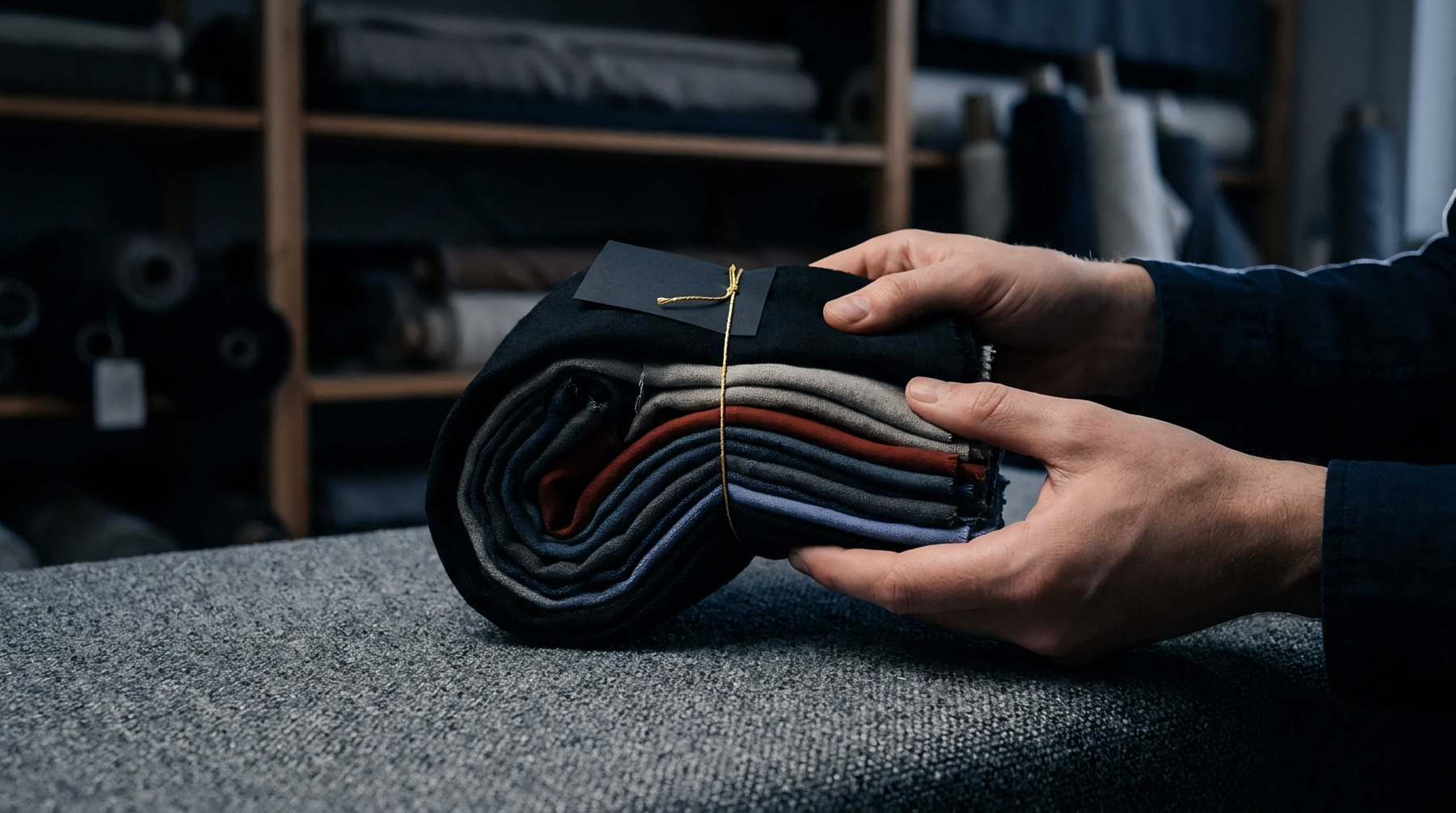
Calculating linen warp sett and fabric weight requires converting Lea to Tex, applying cover factor limits, accounting for crimp, and factoring in finishing mass losses.

Linen Lea converts to Metric count via NeL multiplied by 0.604772, while direct Tex equals 1653.52 divided by NeL, adjusted for 12% moisture regain.

Single strand tensile performance in wet spun linen dictates loom stops, dynamic failure rates, and landed cloth cost through gauge-length sensitivity and tenacity CV.
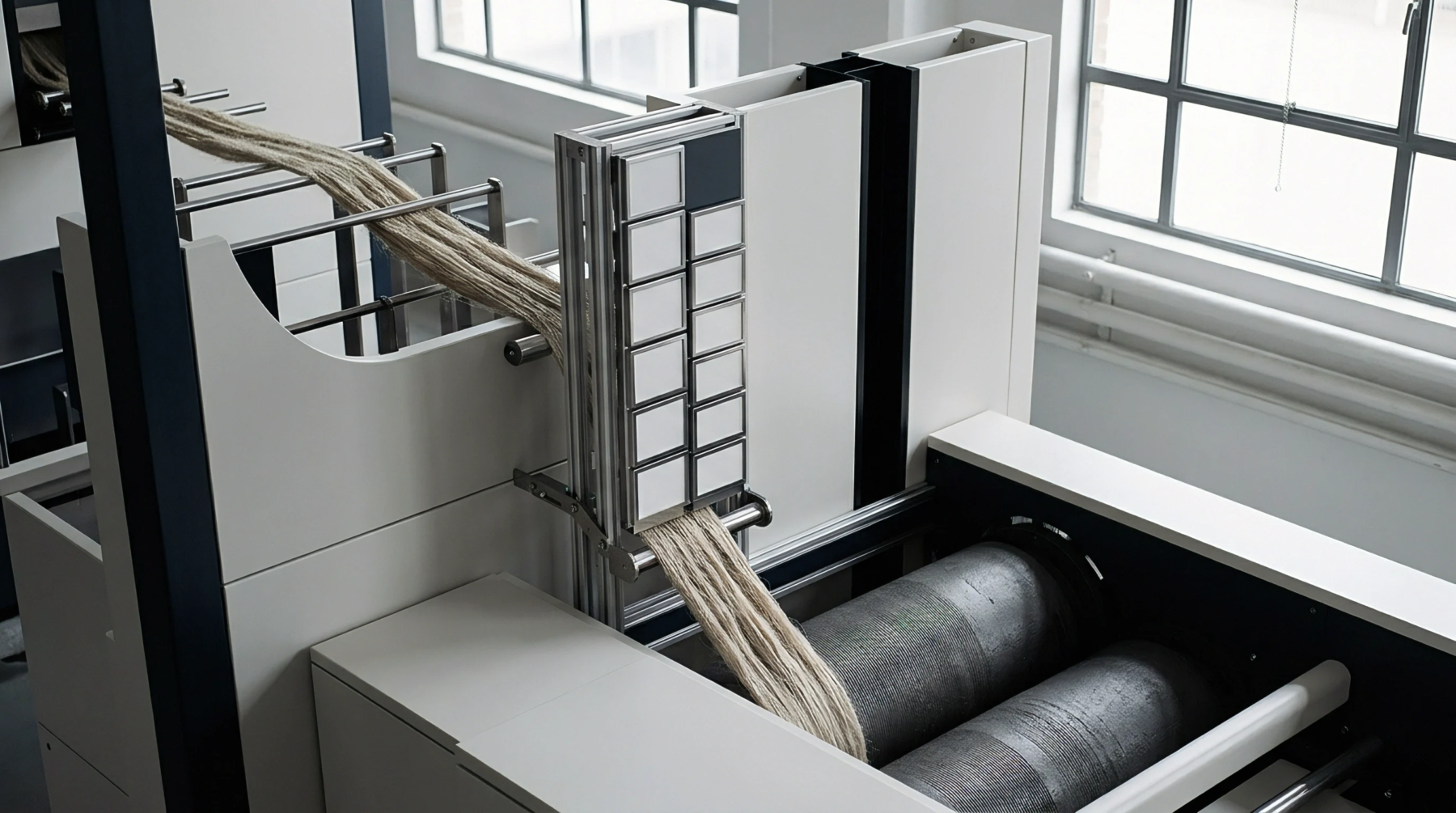
Adjusting weaver loom allocations based on high-density flax warp end-break rates maximizes loom-hour output and prevents stop-mark quality losses.
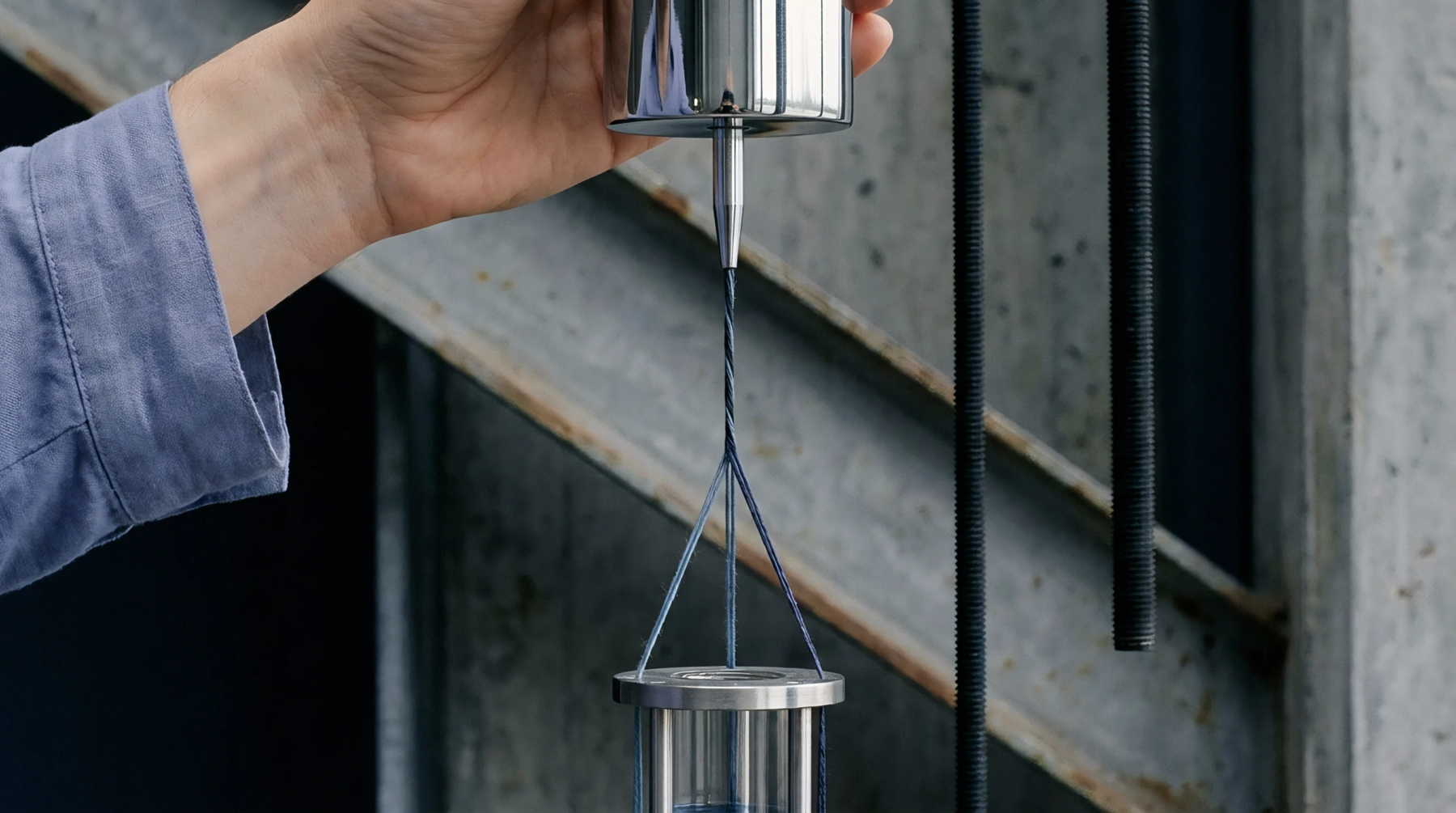
Optimizing Jacquard shed depth and backrest synchronization caps dynamic tension below 60 percent yarn strength, eliminating warp breaks in fine linen.

Determining fine wet spun linen tensile thresholds demands setting single end tenacity limits above 18 cN/tex to maintain high-speed loom shed efficiency.
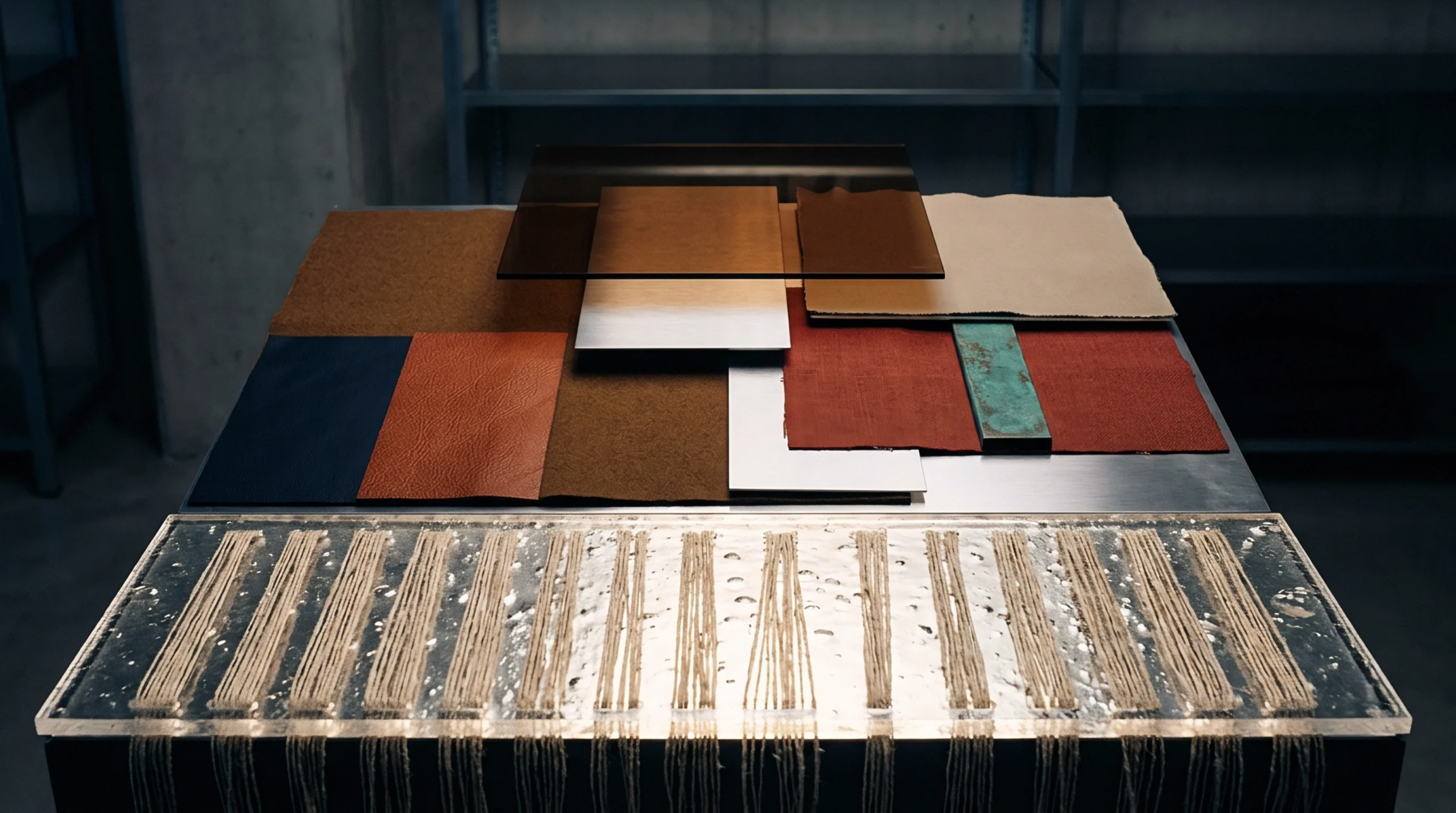
Wet-spun linen warps demand a minimum tenacity of 18.5 cN/tex with under 1.2% beaming stretch to maintain loom stop rates below 1.5 per 100,000 picks.

Ultrafine wet spun linen warps demand low-viscosity modified starches with acrylic binders at eight to ten percent size add-on and strict tension limits below one percent.
Fine linen warp break frequencies depend on single-end tenuity, size film flexibility, and shed opening geometry, directly governing loom efficiency and meter cost.
Expertise is a utility, not a secret. sentiention™ publishes its working knowledge as open reference: intelligence layer covering the materials it sources, the markets it enters, and the reference that serves both.