Fibre Resistance
Internal friction within a spinning strand determines the degree to which a linear textile body maintains its shape against external bending forces. Yarn flexural rigidity describes the specific moment of force required to deform a defined length of material through a standardized curvature. This property originates from the interplay of individual flax fibre characteristics, such as fineness and cross-sectional density, which dictate how the internal structure handles mechanical stress during spinning.
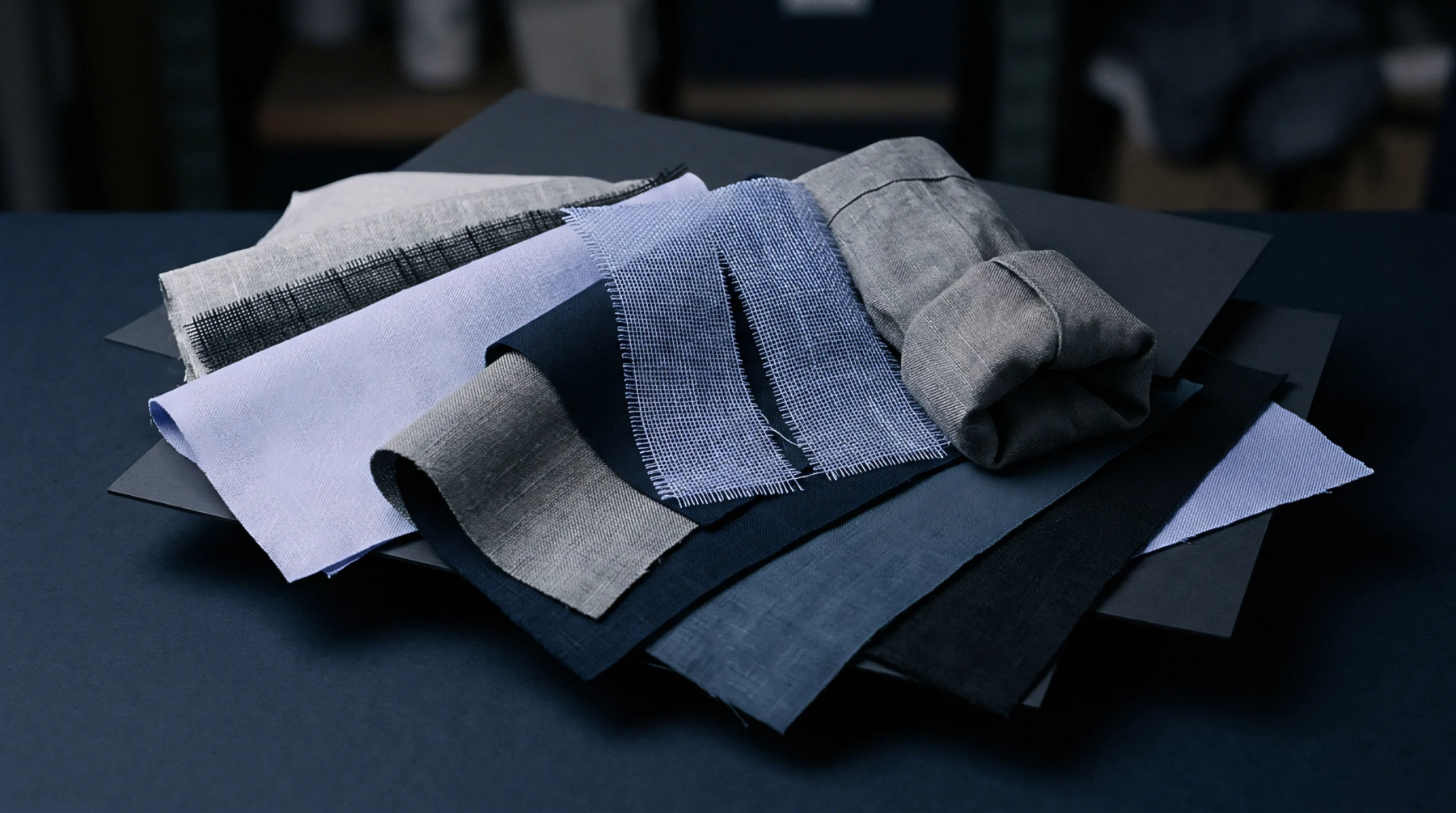
Higher values indicate a stiffer strand, which impacts the mechanical response of the final cloth during weaving or garment drape.
Process Requirement
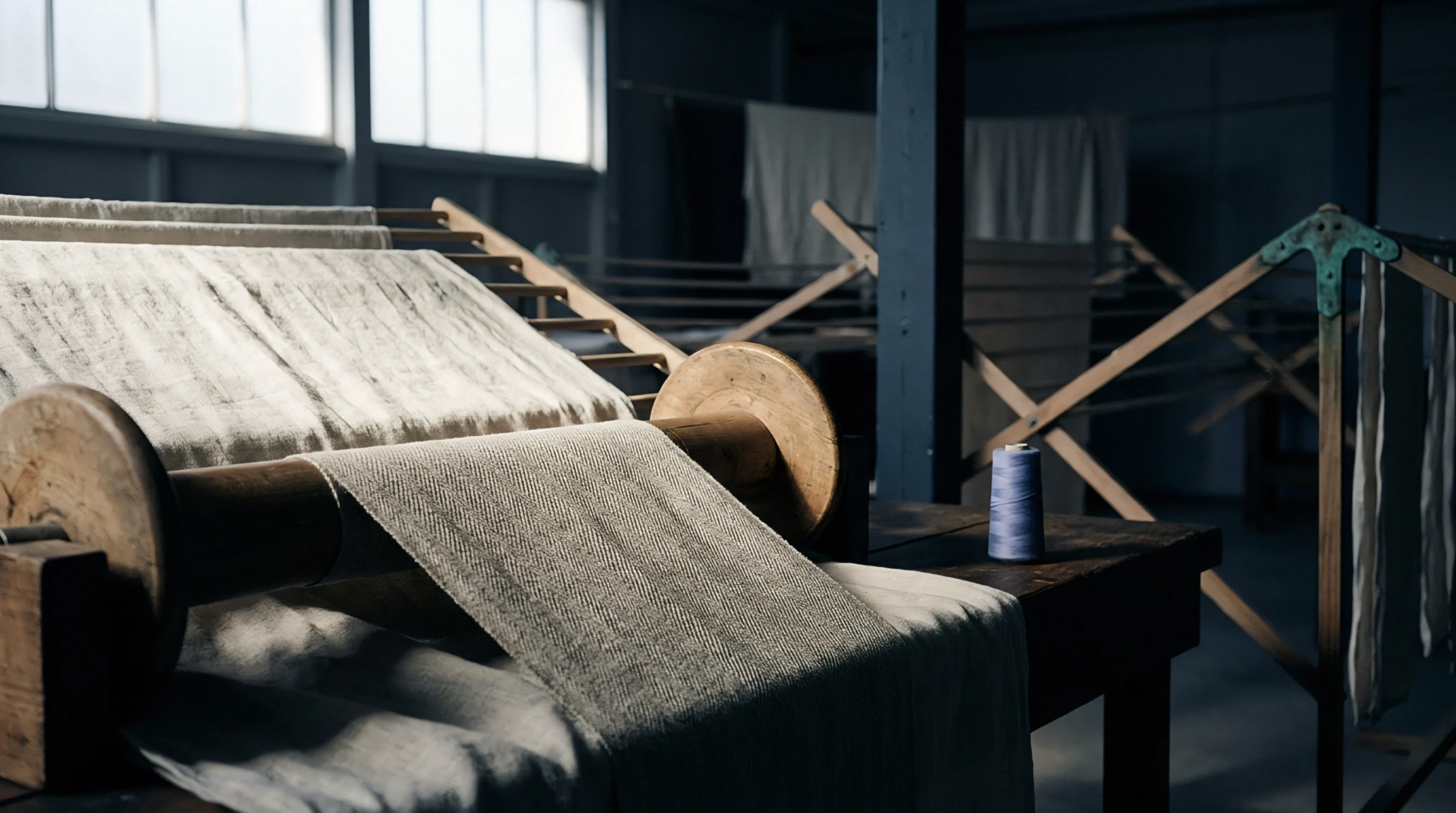
Mill laboratories quantify this mechanical property after spinning and before the supply chain moves material to the loom. Technicians perform the cantilever test method, where a specimen projects over a smooth edge until the tip reaches a predetermined angle of deflection. The length of the overhang creates a basis for calculating the bending modulus through simple geometric ratios derived from the mass per unit length of the specimen.
Quality control protocols define acceptance thresholds based on the intended application of the flax, as coarser strands for heavy linens possess higher rigidity than fine yarns destined for apparel.
Operational Consequence
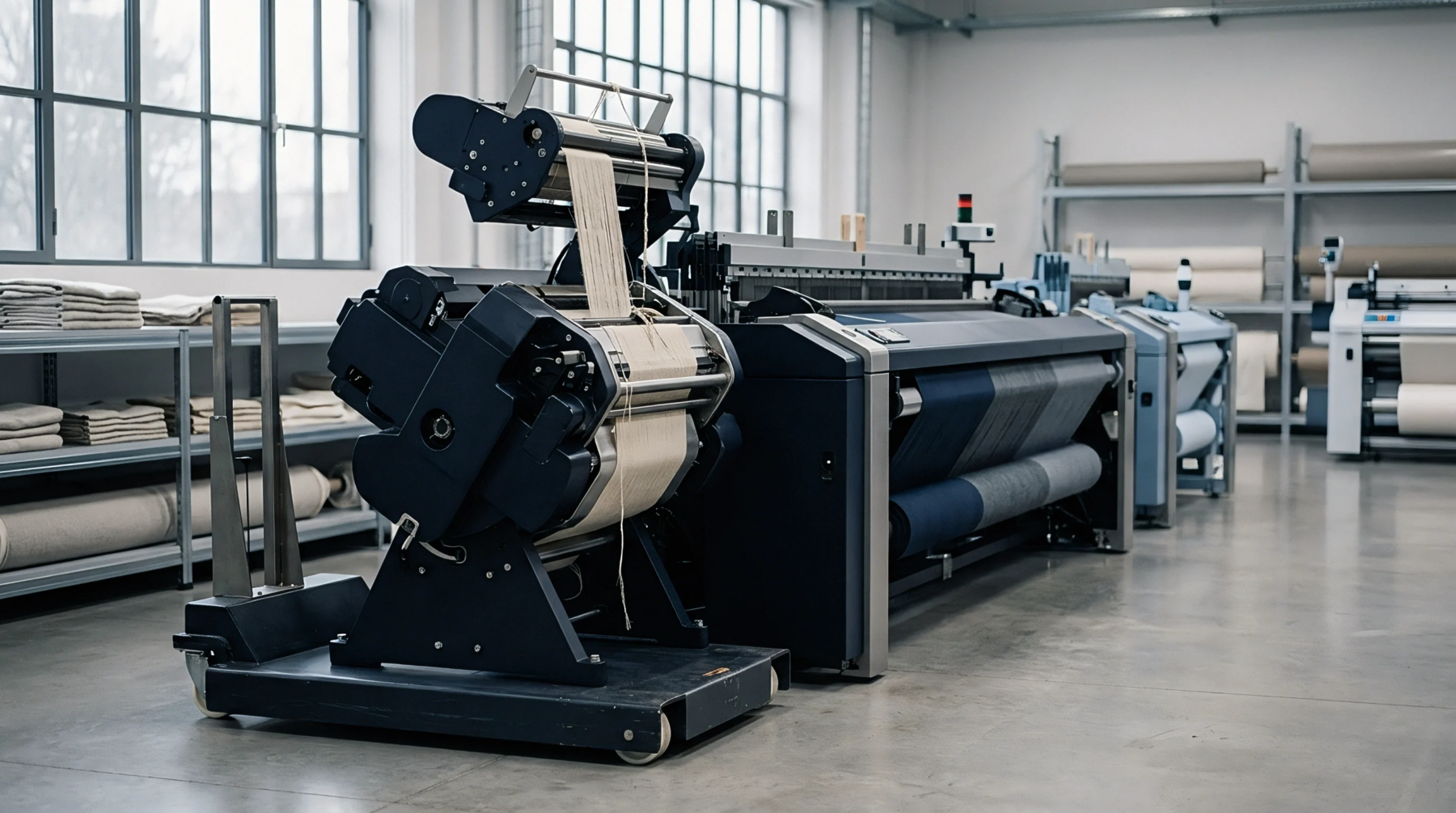
Consistent bending performance governs the efficiency of high-speed looms because erratic stiffness leads to uneven warp tension and recurring breakage during the shedding cycle. Production managers adjust processing settings based on this measurement to ensure that the tensioning devices in the finishing department maintain a uniform flow. Excess rigidity produces brittle cloth with a harsh hand, whereas insufficient stiffness leads to limp, unstable fabrics that lose dimension during industrial pressing.
Manufacturers maintain exact control over this physical trait to guarantee predictable performance during the automated assembly of garments.