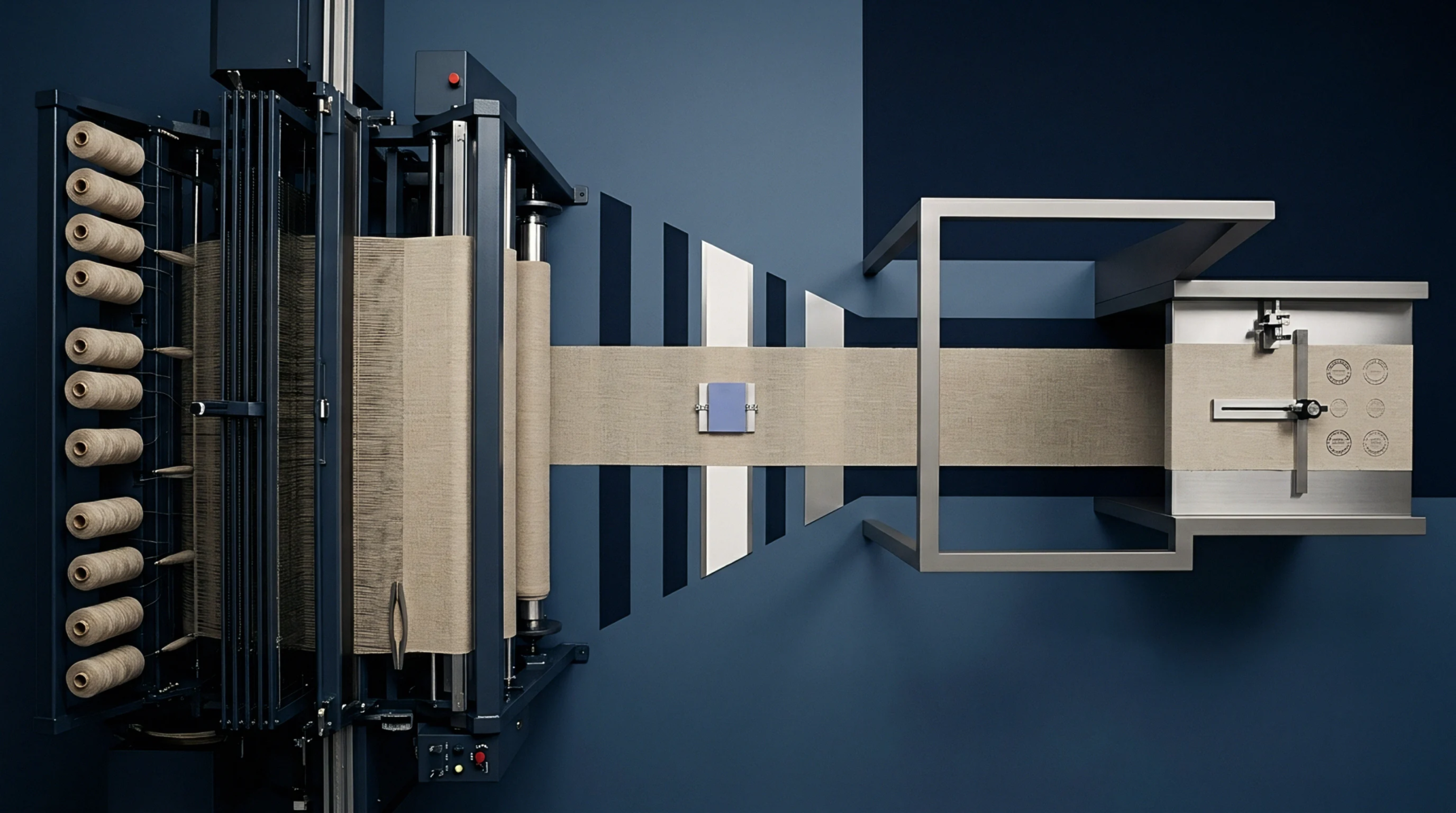
Optimizing Wet Spinning Trough Parameters for Fine Linen Yarns
Fine linen wet spinning demands trough water at 65 to 75 degrees Celsius with controlled surfactants to dissolve middle lamella pectins before the drafting nip.
Fine linen wet spinning demands trough water at 65 to 75 degrees Celsius with controlled surfactants to dissolve middle lamella pectins before the drafting nip.

Dynamic optical rail control compensates for wet flax traveller friction in real time, suppressing tension spikes to lower fine count end breakage by over sixty percent.
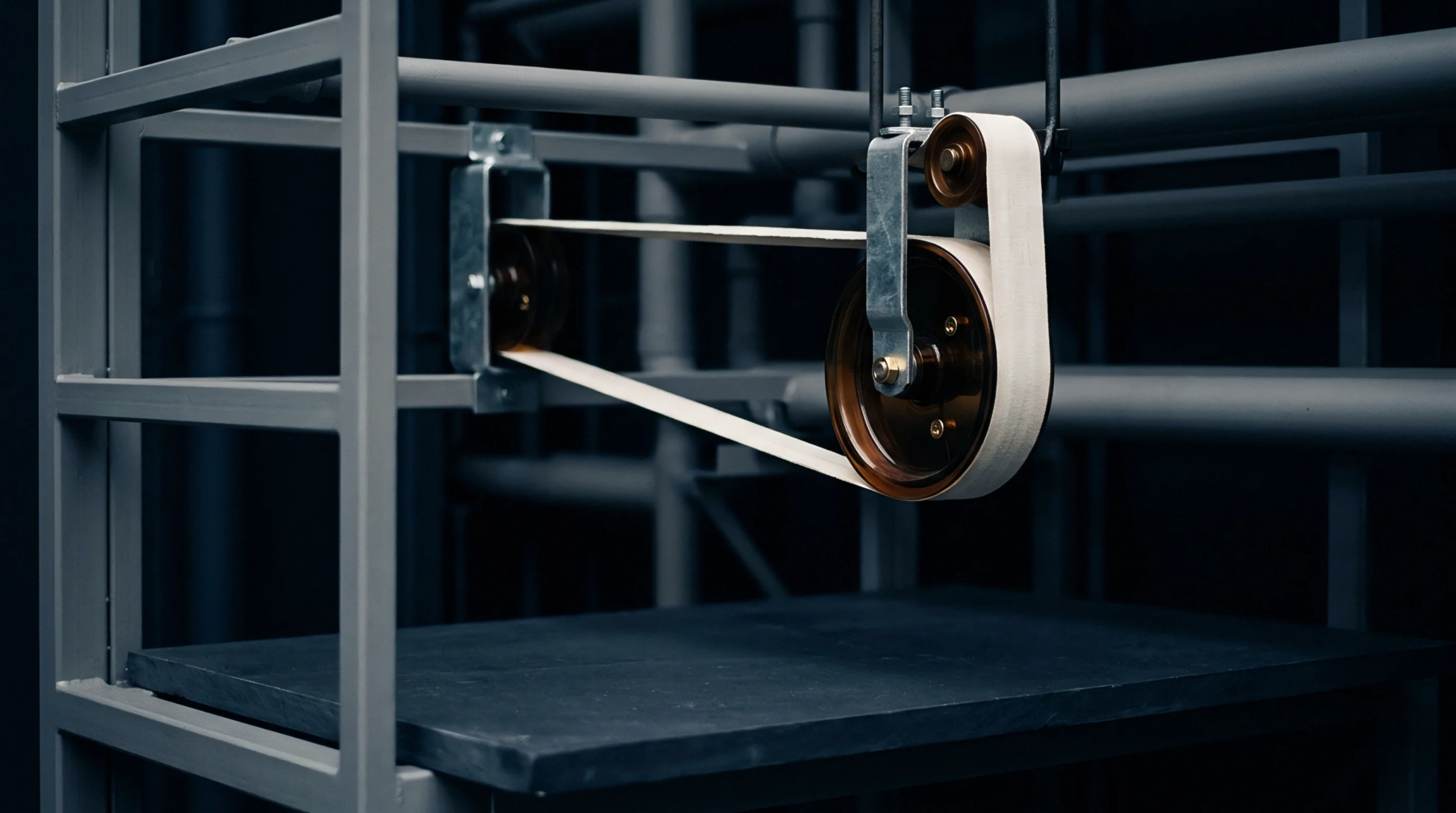
Throttling air jet pressure below 0.54 MPa on linen weft cuts compressor load but spikes stoppage rates, raising net weaving cost per metre.
Optimizing profile reed depth and relay nozzle timing reduces air-jet pressure drops and drag stops when weaving high hairiness bast fiber warps.
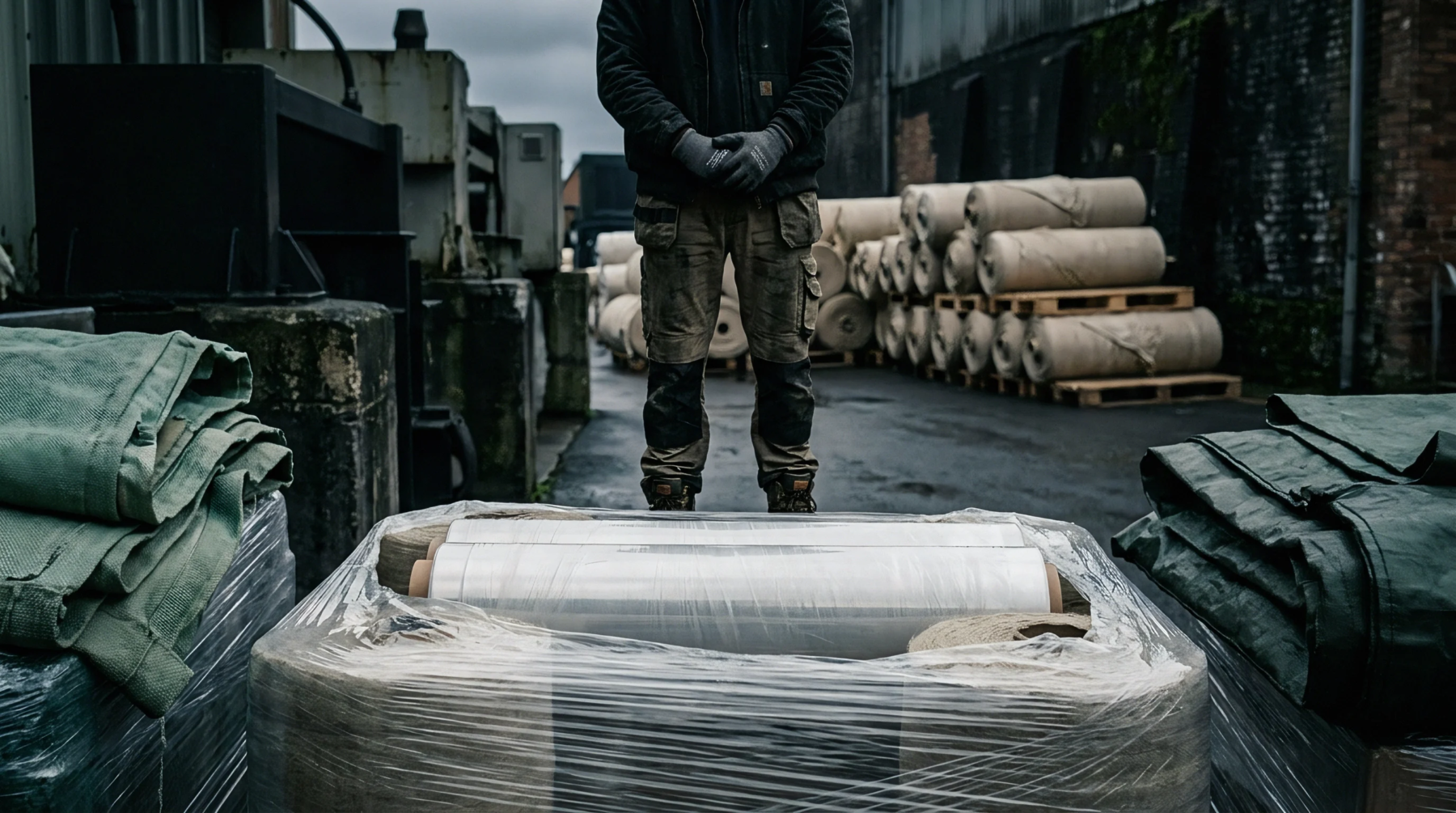
Distinguish splice rupture from size film failure by inspecting fiber tail slip length versus parent yarn twist retention under optical magnification.

Optimizing PVA starch sizing rheology suppresses micro-fibrillar friction spikes on fine wet spun flax warps, preventing clingage and raising loom efficiency.
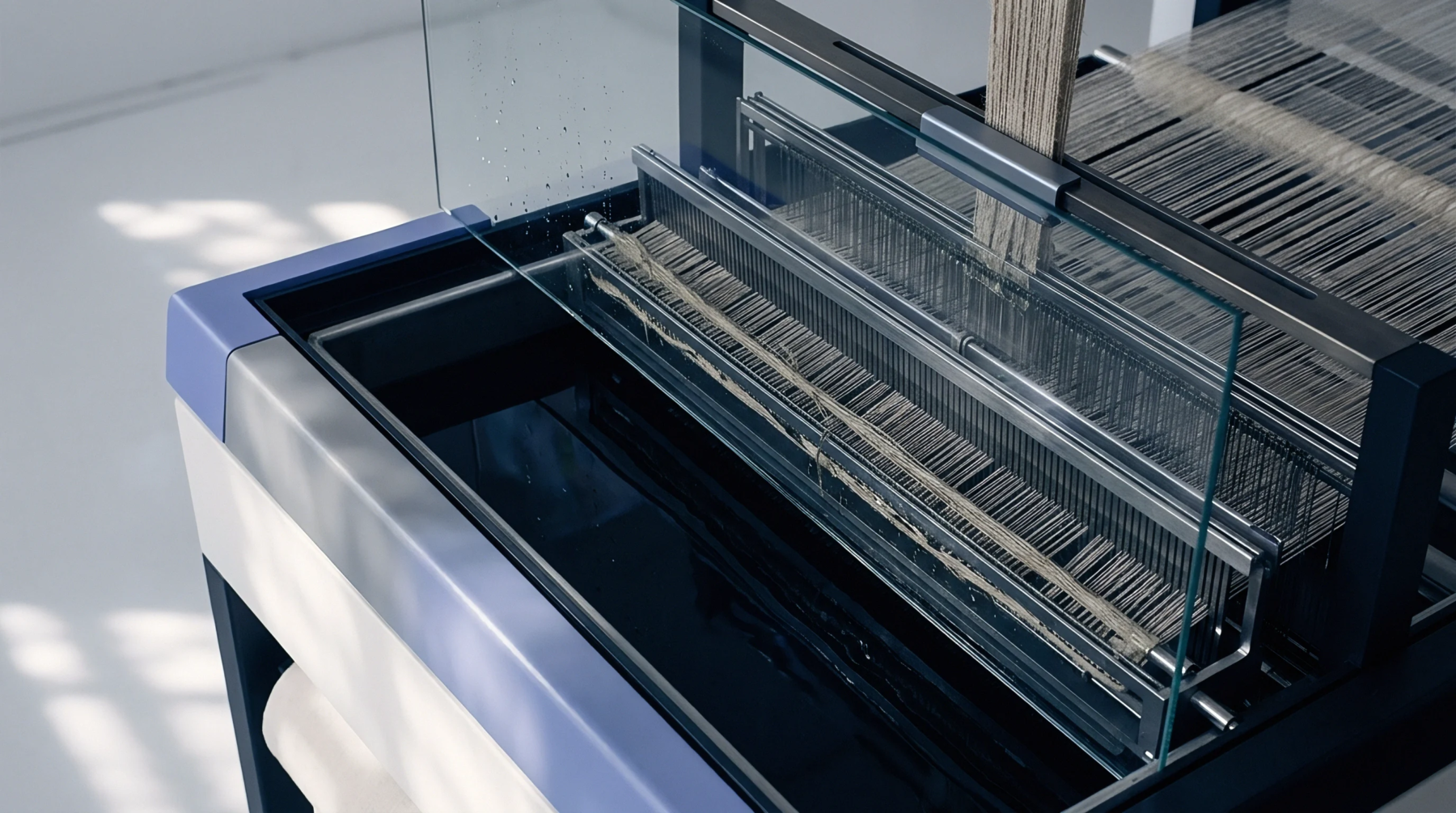
Optimize high-density linen warping via low-drag ceramic creels, 7-degree drum cones, 10% PVA-starch add-on, and 8-tier splitting to keep loom stops below 1.5.

Hot water trough temperatures between 68°C and 74°C plasticize middle lamella pectins, preventing microfibril rupture and securing fine yarn counts up to Nm 80.
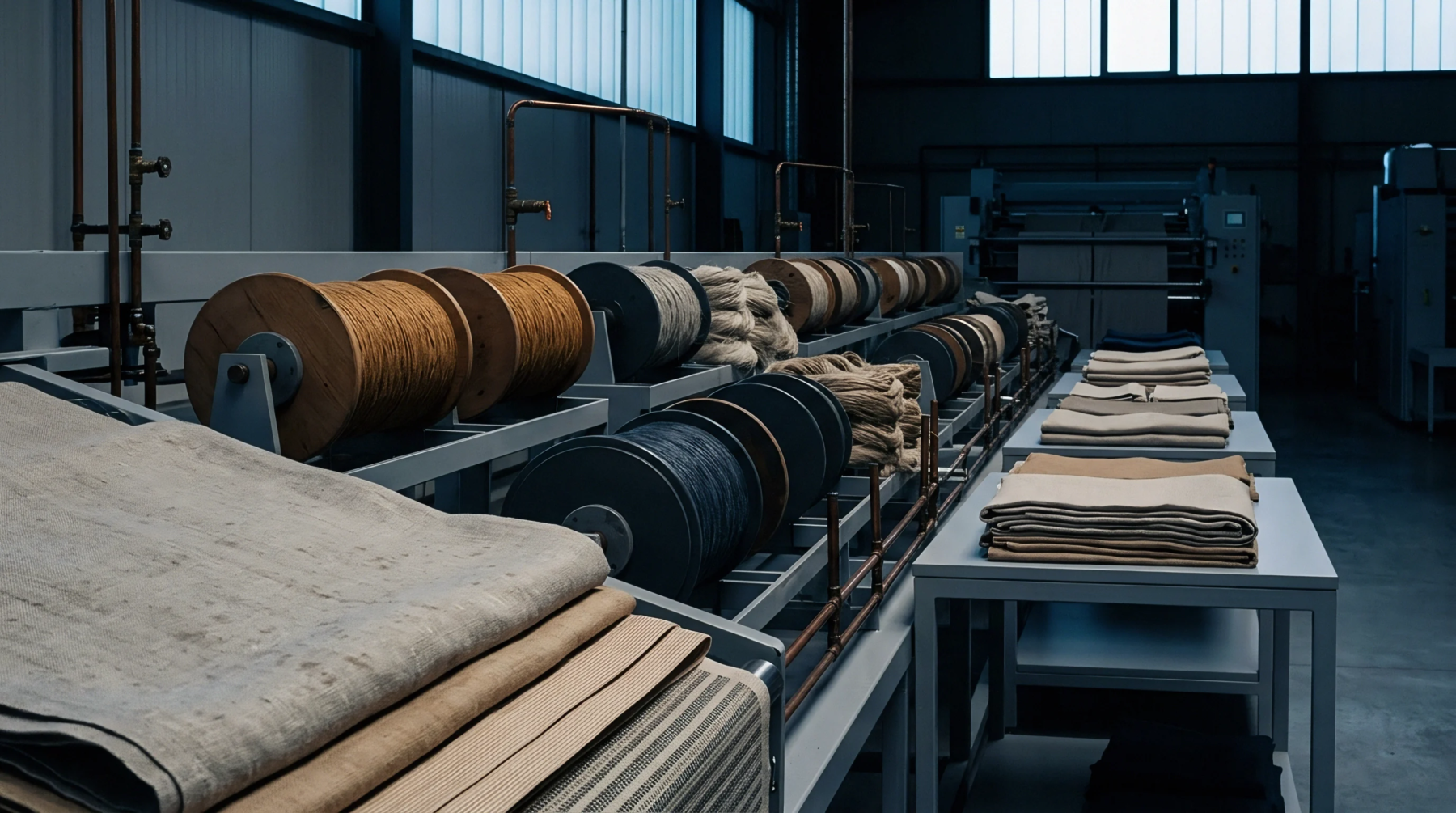
Optimal PVA size pick-up on flax warps ranges from 8.0 to 9.0 percent dry weight, balancing yarn friction resistance with hot-water desizing washability.
Optimizing air jet linen shedding requires asymmetric harness levelling at 26 millimetres to balance relay nozzle clearance with tension limits.
Wet-spun linen warps demand a minimum tenacity of 18.5 cN/tex with under 1.2% beaming stretch to maintain loom stop rates below 1.5 per 100,000 picks.

Selective pectin degradation paired with tuned hackling pin density maximizes fibre bundle separation while retaining staple length for fine wet spinning.
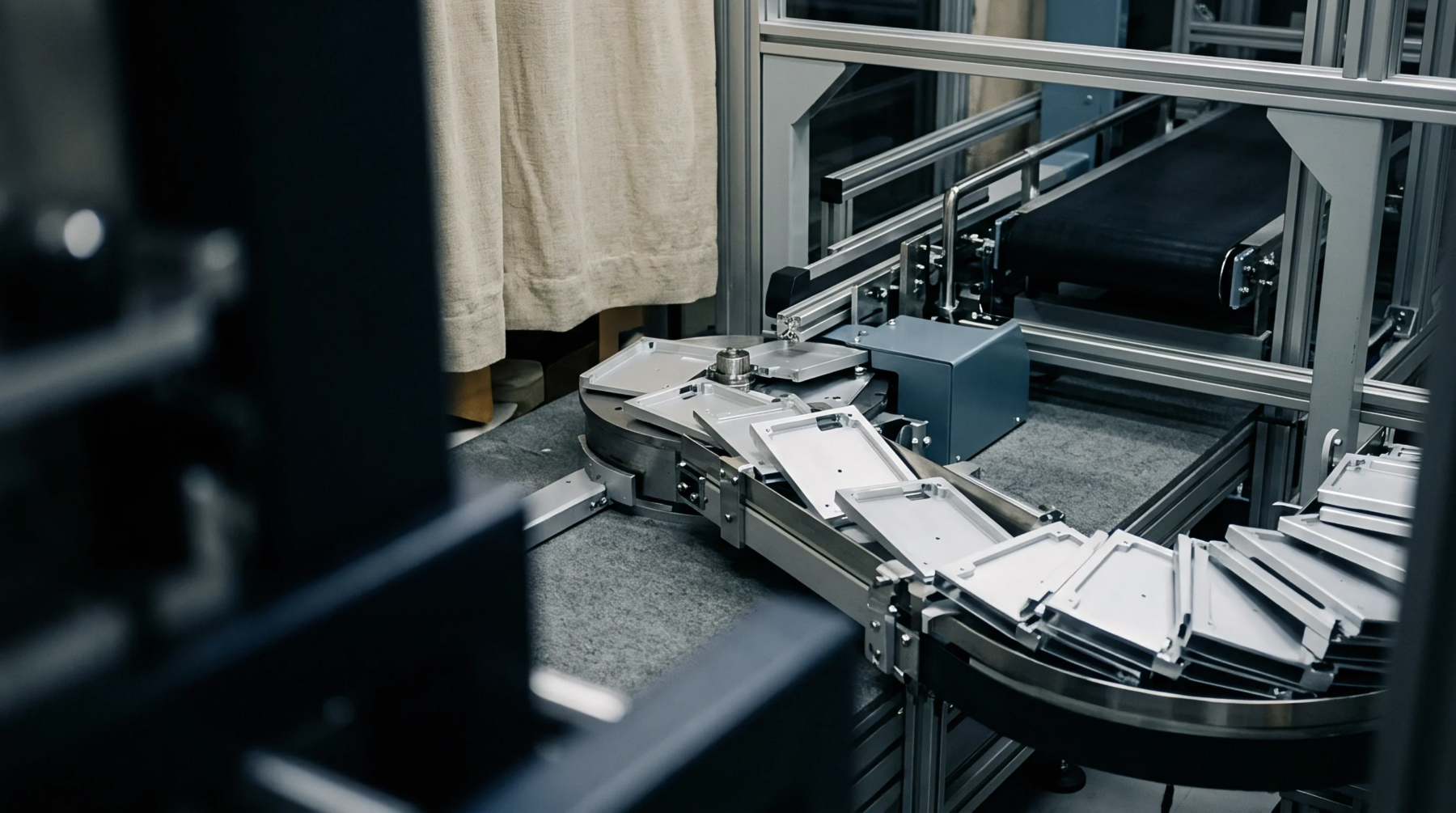
Optimize flax wet spinning by maintaining attenuation troughs at 68-72°C with soft water to dissolve pectins without degrading elementary fiber tensile strength.

Insertion reliability in dense wet spun linen depends on size film cohesion and precise unguided rapier trajectory to limit peak tension under 4.5 cN/tex.
Optimizing fine bast warp sizing with PVA acrylic blends and gentle rapier kinematics lowers loom stoppages below 1.5 breaks per 100,000 picks.
Linen yarn counts and cloth weight must be verified against dry fiber mass plus standard 12 percent moisture regain to eliminate costly moisture billing errors.
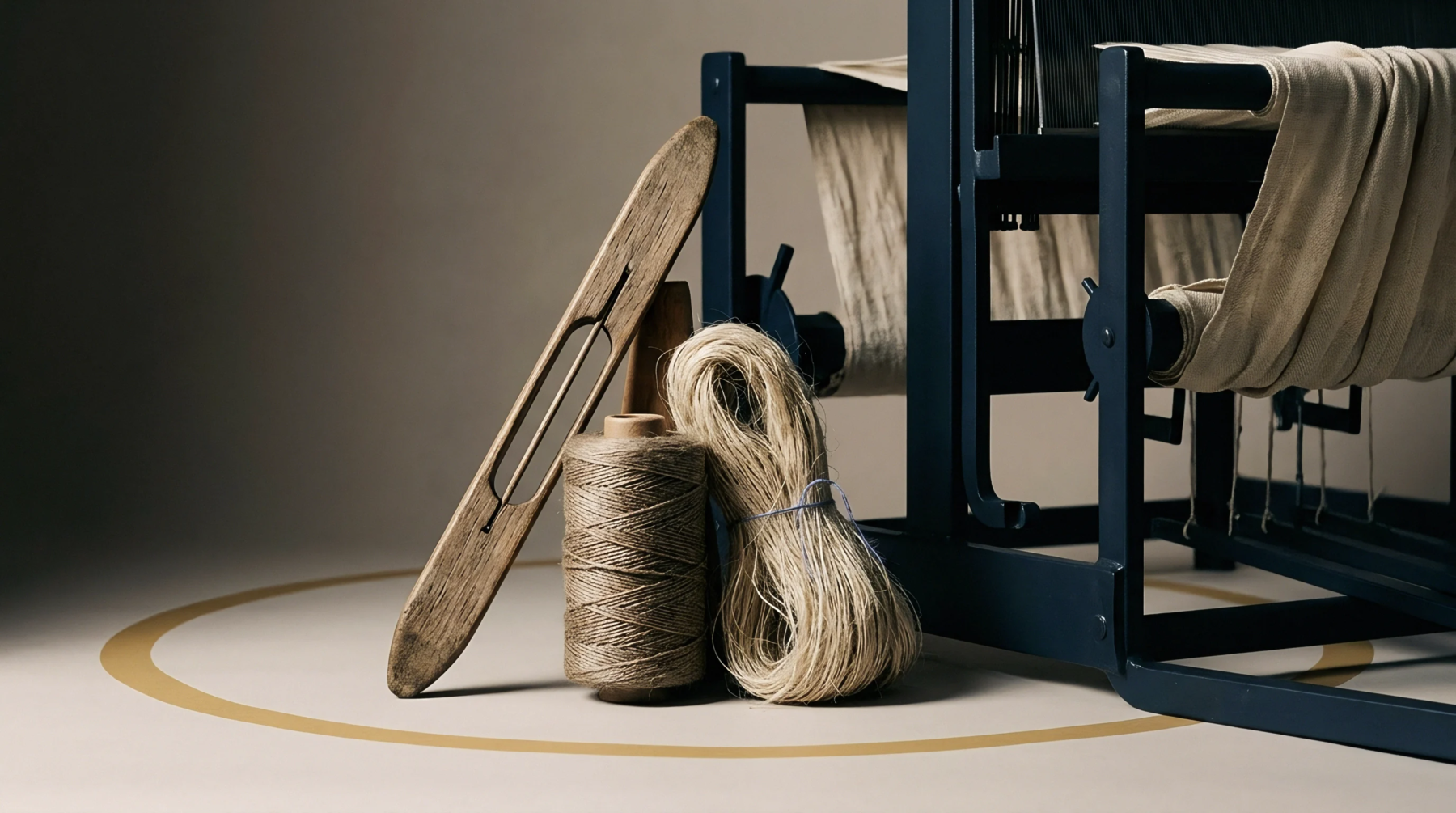
Positive rapier insertion handles low-elongation wet-spun linen warps reliably, while air-jets trigger high stop rates, pneumatic costs, and greige faults.
Expertise is a utility, not a secret. sentiention™ publishes its working knowledge as open reference: intelligence layer covering the materials it sources, the markets it enters, and the reference that serves both.