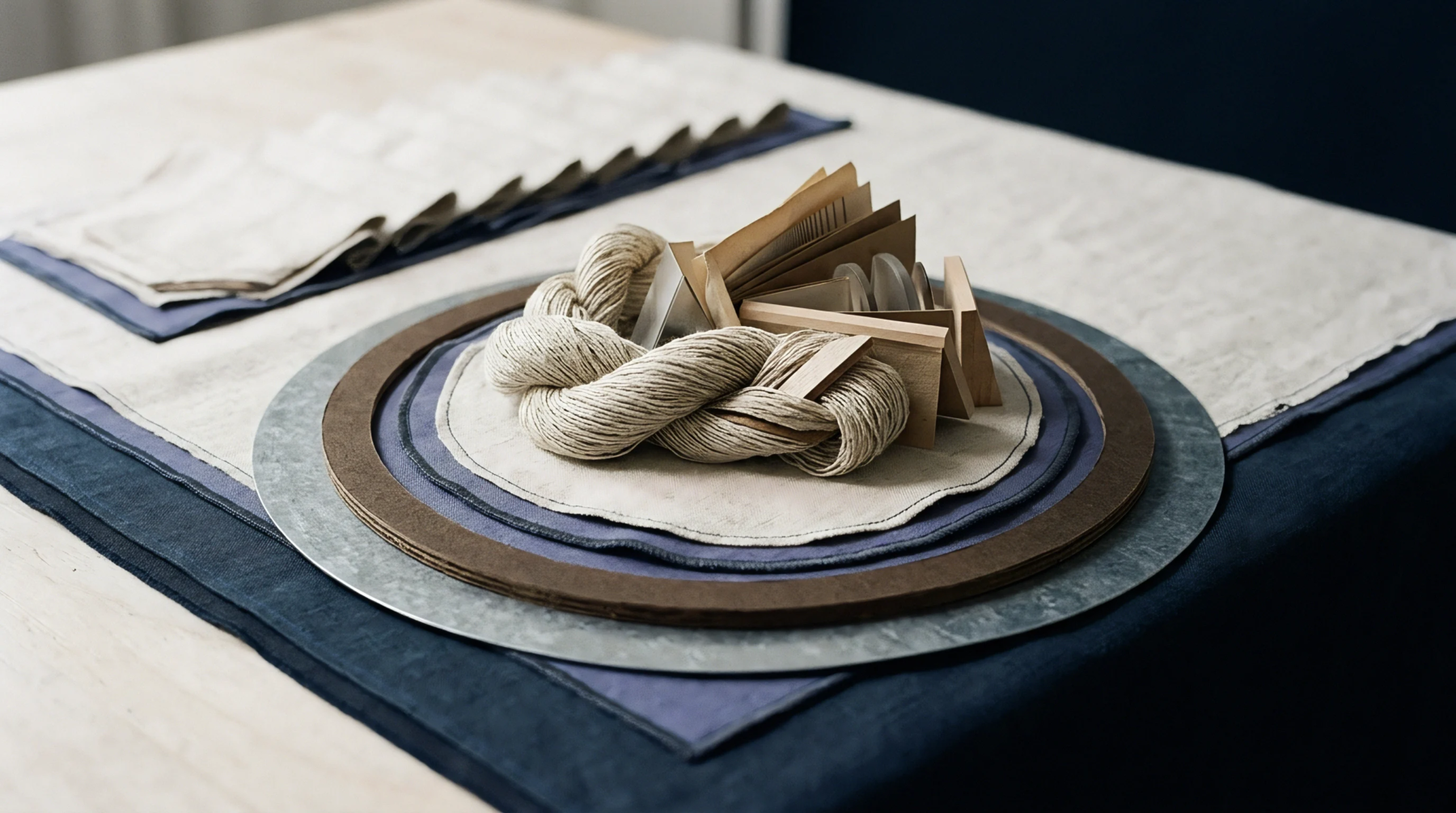
Flax Fiber Grading and Long Staple Hackling Fundamentals
Long staple flax grading and precision hackling control sliver yield, wet-spinning yarn count limits, and delivered fabric cost per metre.
Long staple flax grading and precision hackling control sliver yield, wet-spinning yarn count limits, and delivered fabric cost per metre.
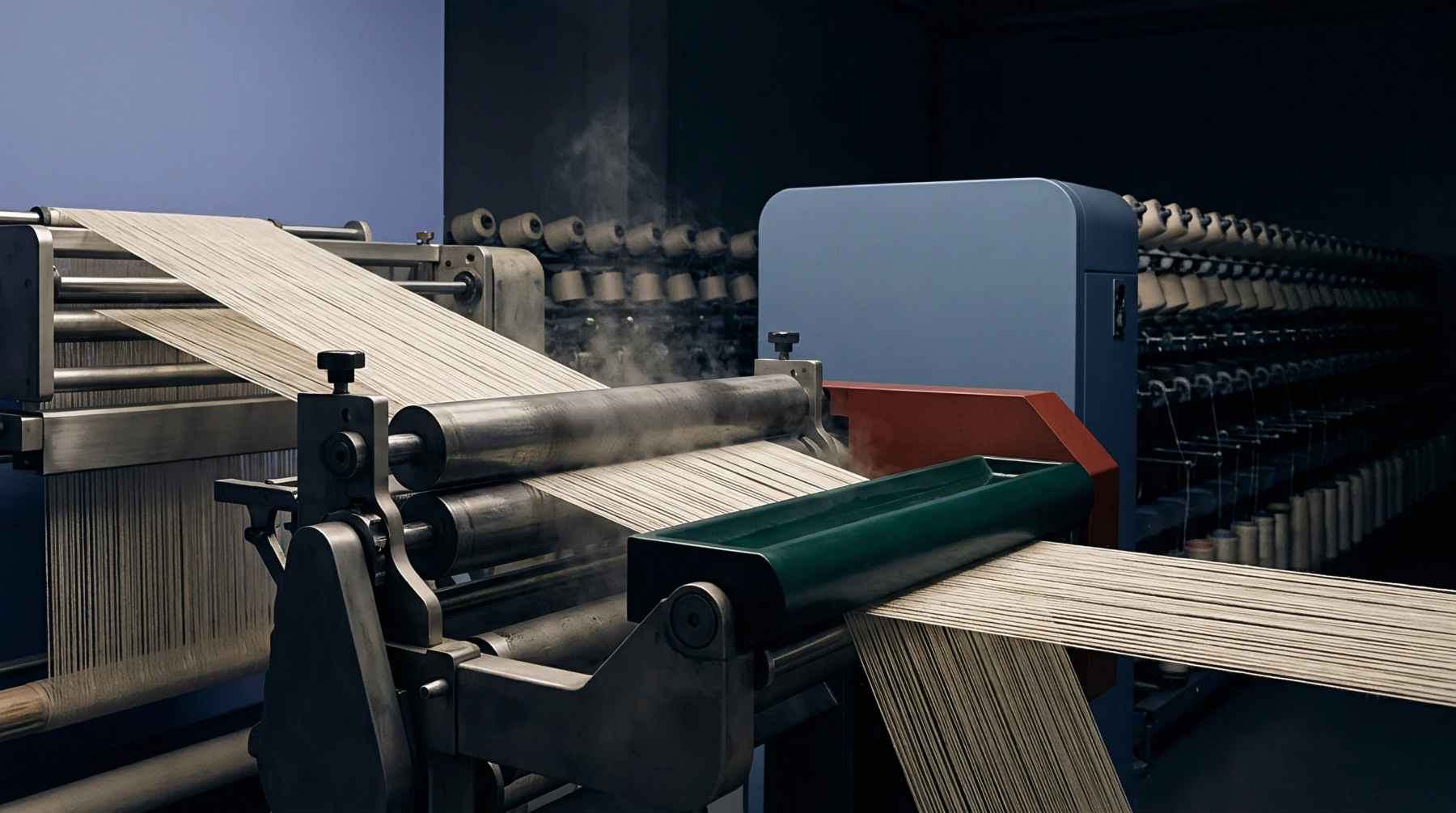
Wet spun linen warp dynamic strain limits must stay below 0.8 percent at baseline tension to prevent pectin matrix breakdown and premature fatigue rupture.

Non-linear shear slippage requires heating middle lamellae above 65 C to lower yield stress, preventing elementary fibre rupture and controlling mass CV%.

Continuous trough bleed at 0.26 litres per spindle-hour maintains oligogalacturonide levels below 1.2 g/L, stabilizing fine flax drafting and cutting breaks.
Residual pectin degradation products induce elementary fibre slippage that suppresses measured flax yarn tenacity independently of true cellulose DP integrity.

Optimizing wet spinning trough mass transfer and pectin softening reduces yarn drafting force, cuts end breakages, and lowers fabric production costs per metre.
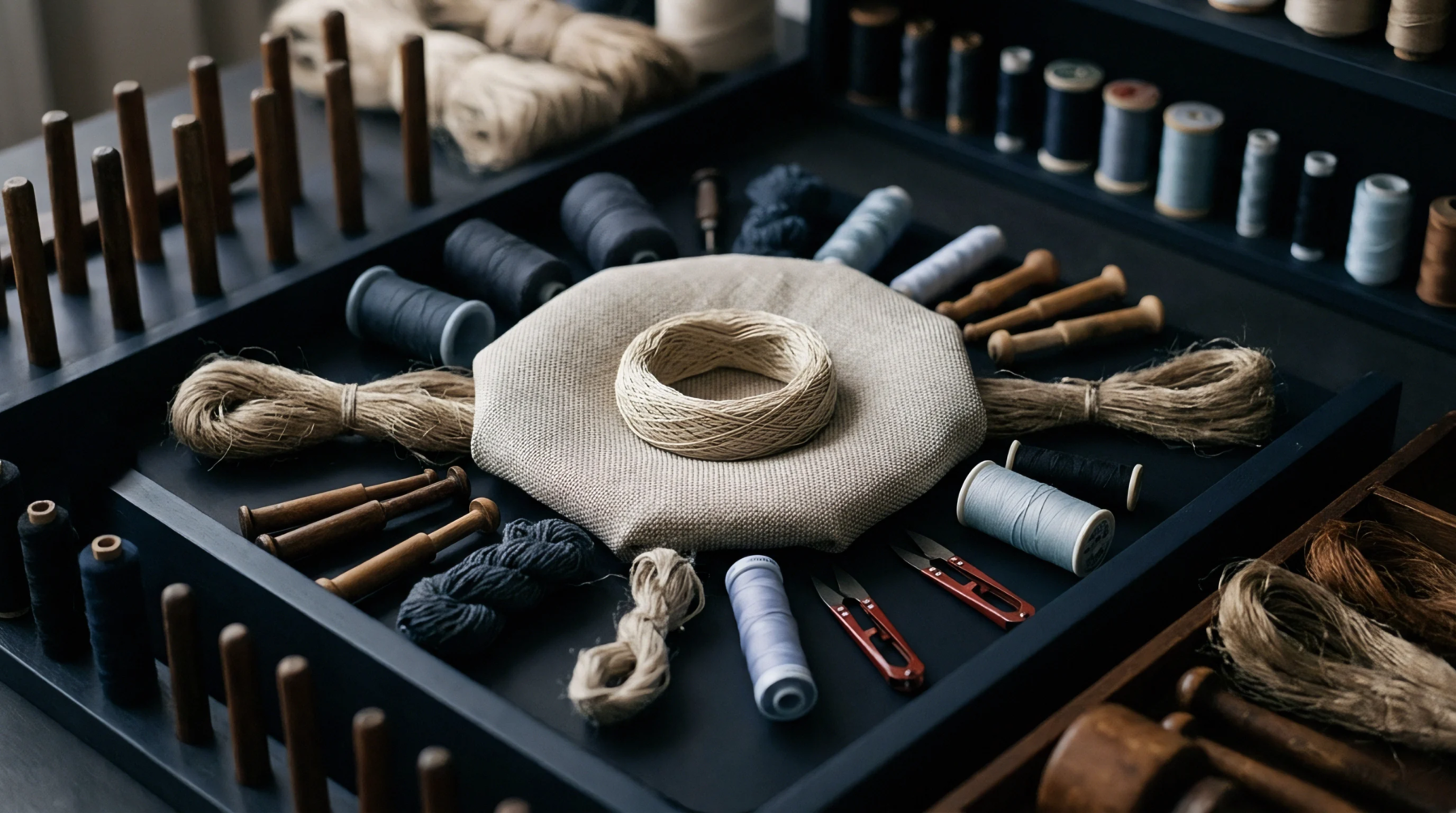
Calculate critical twist factors in high count wet spinning by balancing metric alpha values between seventy and eighty-five against trough pectin extraction.

Calculated warp break frequency in sized ring linen requires modeling dynamic loom stress and yarn flaws, where optimal sizing limits stops below 2 per 100k picks.

Optimizing wet spun linen warp single end strength demands tight roving bath hydrolysis, low-temperature autoclaving, and flexible modified starch sizing.

Balancing wet drafting bath alkalinity against biological retting variation stabilizes pectin cleavage to prevent tensile drop during high-speed spinning.
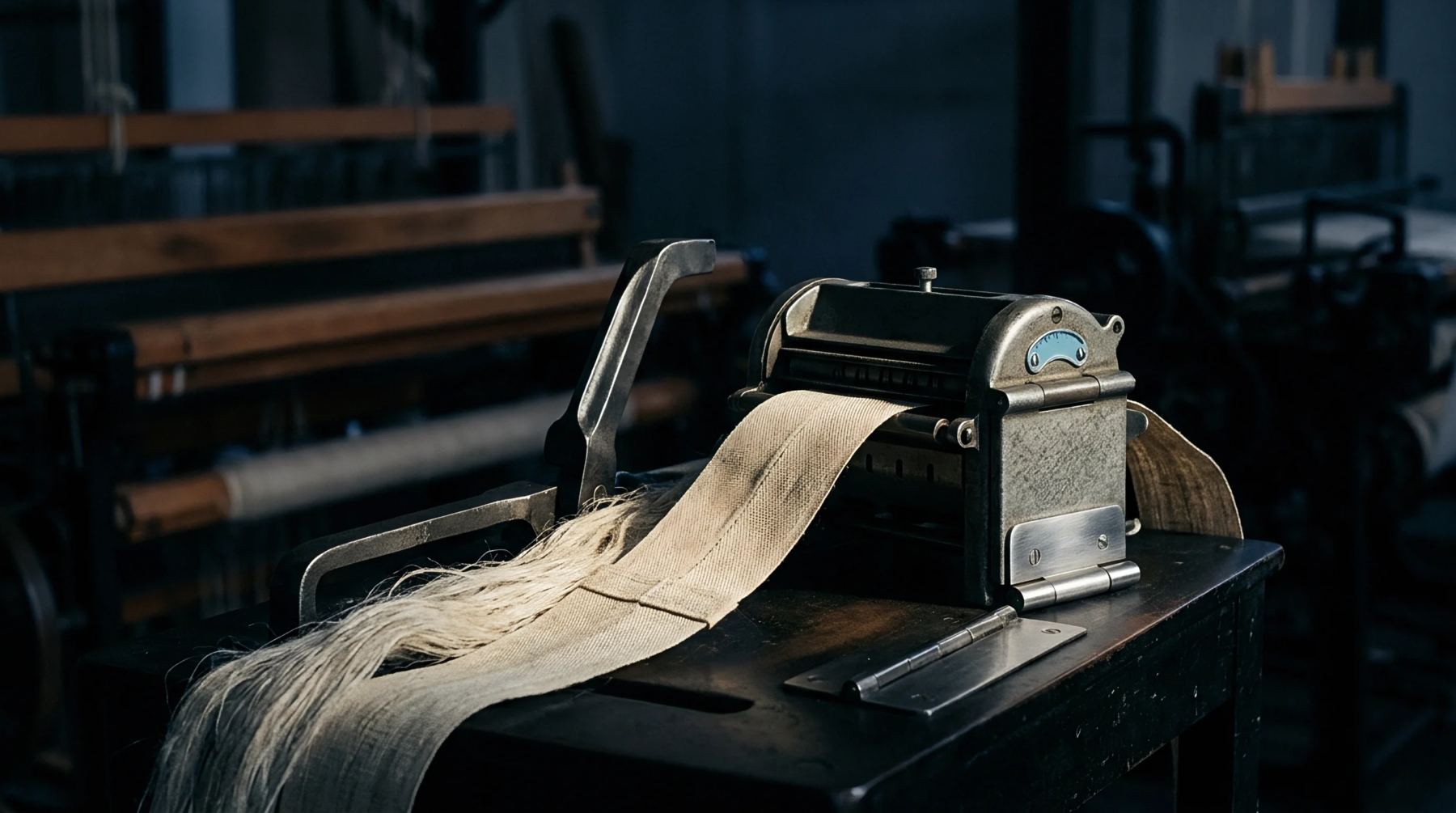
Maintain static fine linen warp tension between 8 and 12 percent of single-strand breaking force at 68 percent relative humidity to avert cyclic yarn fatigue.
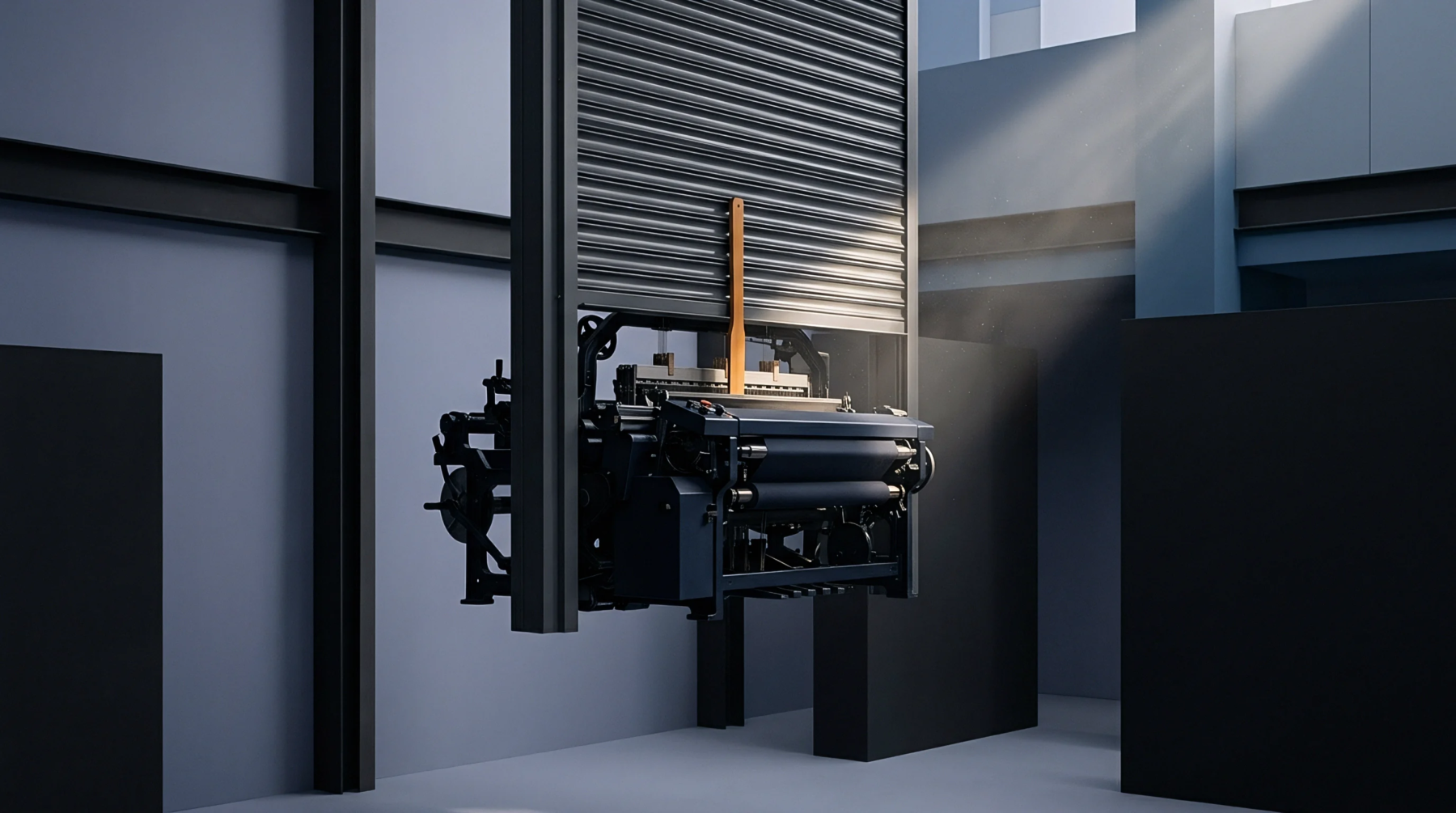
Fine linen warp break frequencies depend on single-end tenuity, size film flexibility, and shed opening geometry, directly governing loom efficiency and meter cost.
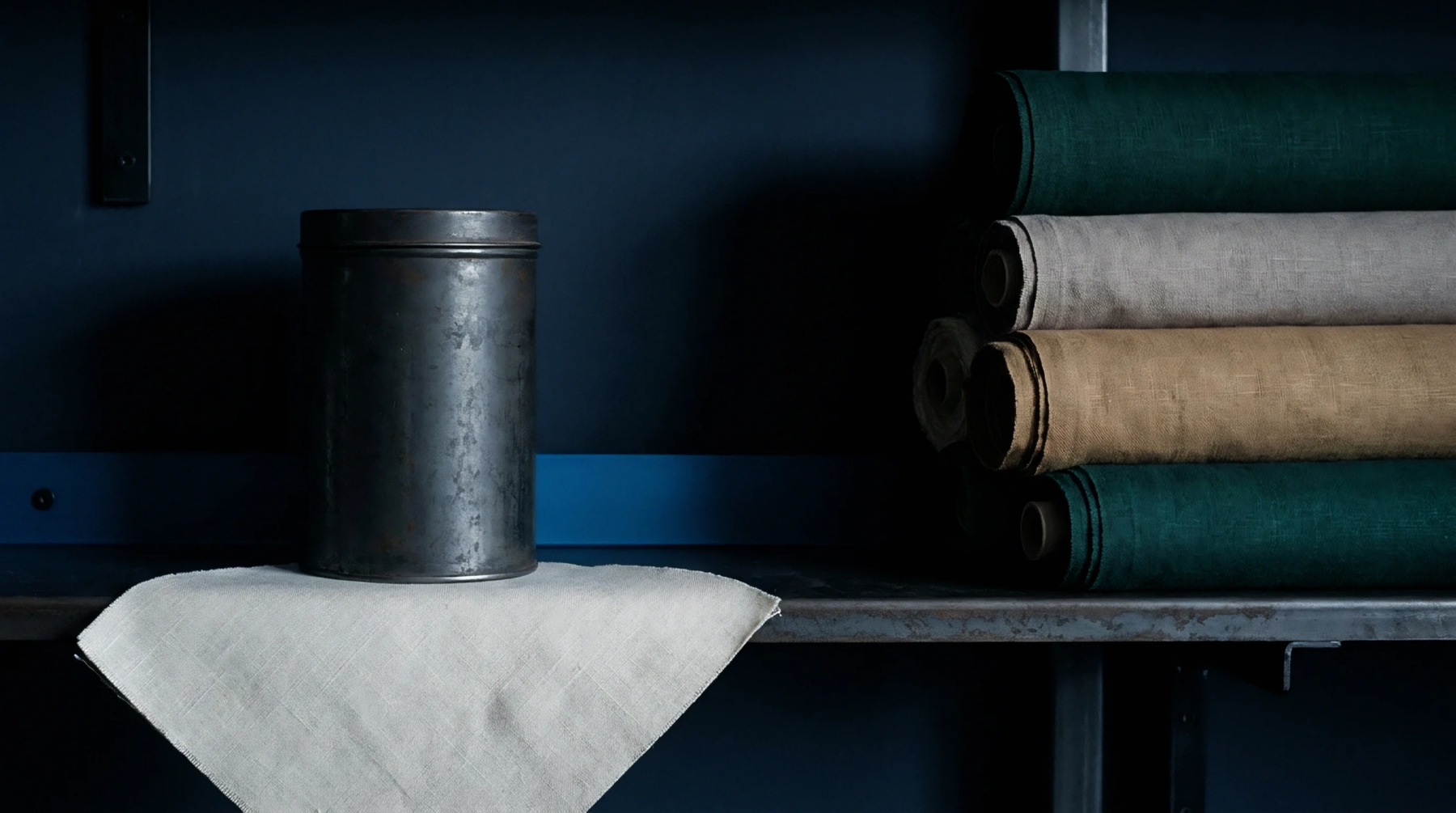
Low cohesion flax slivers collapse under high draft ratios, requiring reduced trough temperatures, higher roving twist, and tight ratch settings to hold count.

Converting hand-loom swatches to rapier loom specs requires rebalancing warp crimp, sizing single yarns, and setting weft brakes to hold cover factor at speed.
Expertise is a utility, not a secret. sentiention™ publishes its working knowledge as open reference: intelligence layer covering the materials it sources, the markets it enters, and the reference that serves both.