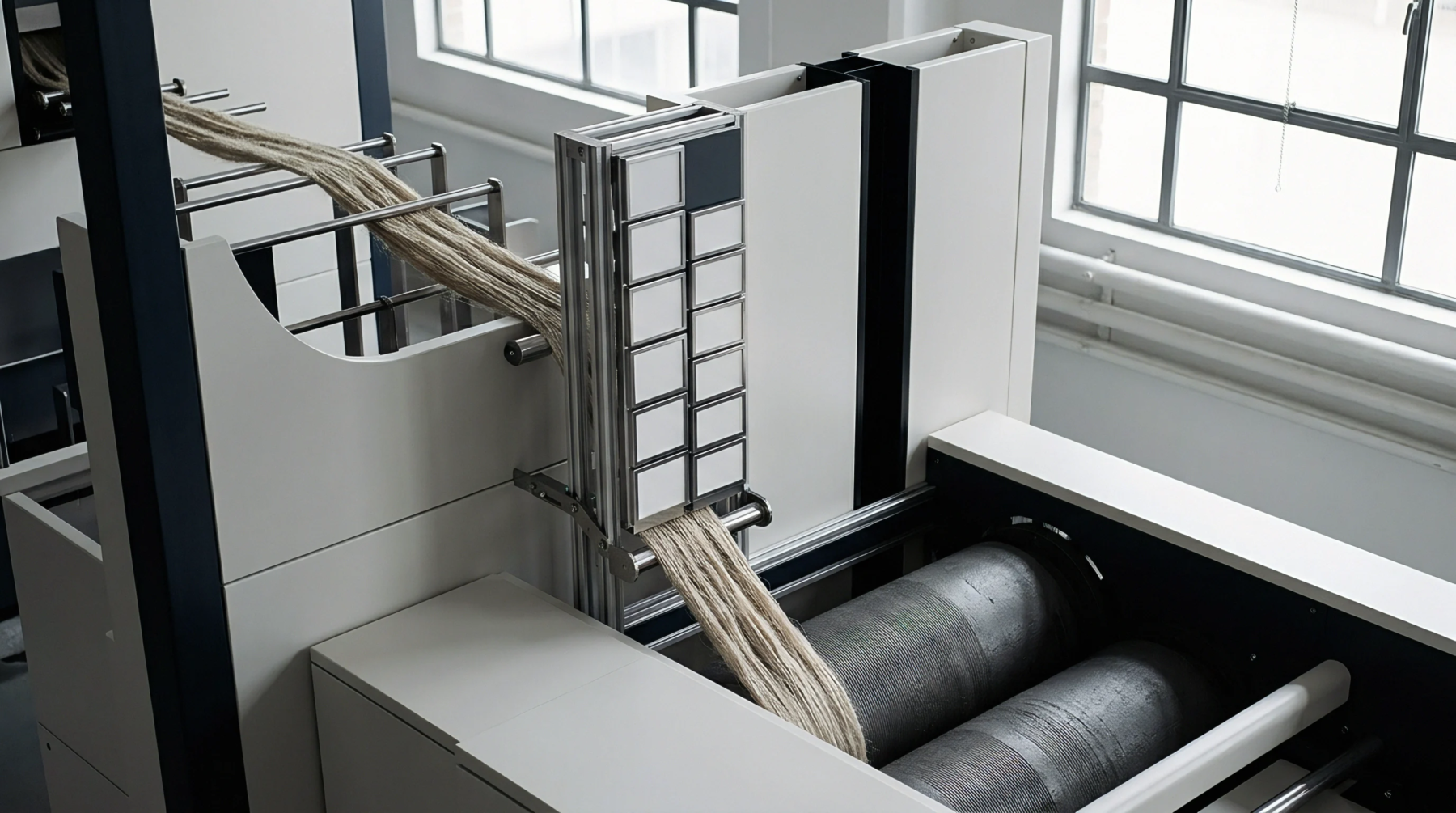
Continuous Imager
Single-dimension linear array sensor assemblies capture rapid sequential lines of optical data across moving surfaces to construct unbroken high-resolution inspection images without motion blur. Industrial vision frameworks deployed over high-speed fabric processing paths utilize these arrays to register every millimeter of cloth as it traverses the inspection frame. Operating through charge-coupled device or complementary metal-oxide-semiconductor linear architectures, line scan cameras deliver uninterrupted inspection lines synchronized directly to roller motion.
Mill quality systems integrate these devices within automated visual inspection gantries situated after shearing, washing or final heat-setting stenters. Image acquisition stops recording useful topological detail when moving fabric webs flap, drift out of optical focal depth or exceed the line acquisition rate supported by the pixel clock.
Optical Assembly
Photodiode arrays ranging from two thousand to sixteen thousand individual pixels read light reflected from, or transmitted through, the moving linen web. Telecentric or low-distortion industrial lenses focus illumination across a single transverse line, matching the exact width of the loom beam or tentered yardage. High-frequency LED light lines positioned beneath the fabric establish backlighting for density verification, while overhead angular arrays deliver dark-field and bright-field illumination for surface flaw detection.
Synchronizing pulse generators driven by rotary wheel encoders trigger line capture at constant spatial intervals, neutralizing the effect of variable fabric speeds. Frame grabbers digitize sensor voltages into continuous grayscale or multi-channel color arrays for immediate processing by edge-detection algorithms.
Defect Resolution
Automated processing units evaluate brightness shifts against standard calibration templates to isolate localized yarn separations, broken picks, misdraws and foreign oil inclusions. In flax processing, distinguishing natural slubs from warp misdraws requires high optical contrast, which line scan cameras achieve by capturing rapid successive exposures at high line frequencies. Defect positions receive absolute coordinates across the longitudinal and transverse axes, passing directly into the roll mapping system.
Machine vision networks flag severe structural violations, triggering physical alarm beacons and logging digital cut marks. Linear image sensors ensure complete objective fabric inspection without operator fatigue.