Fibre Extraction
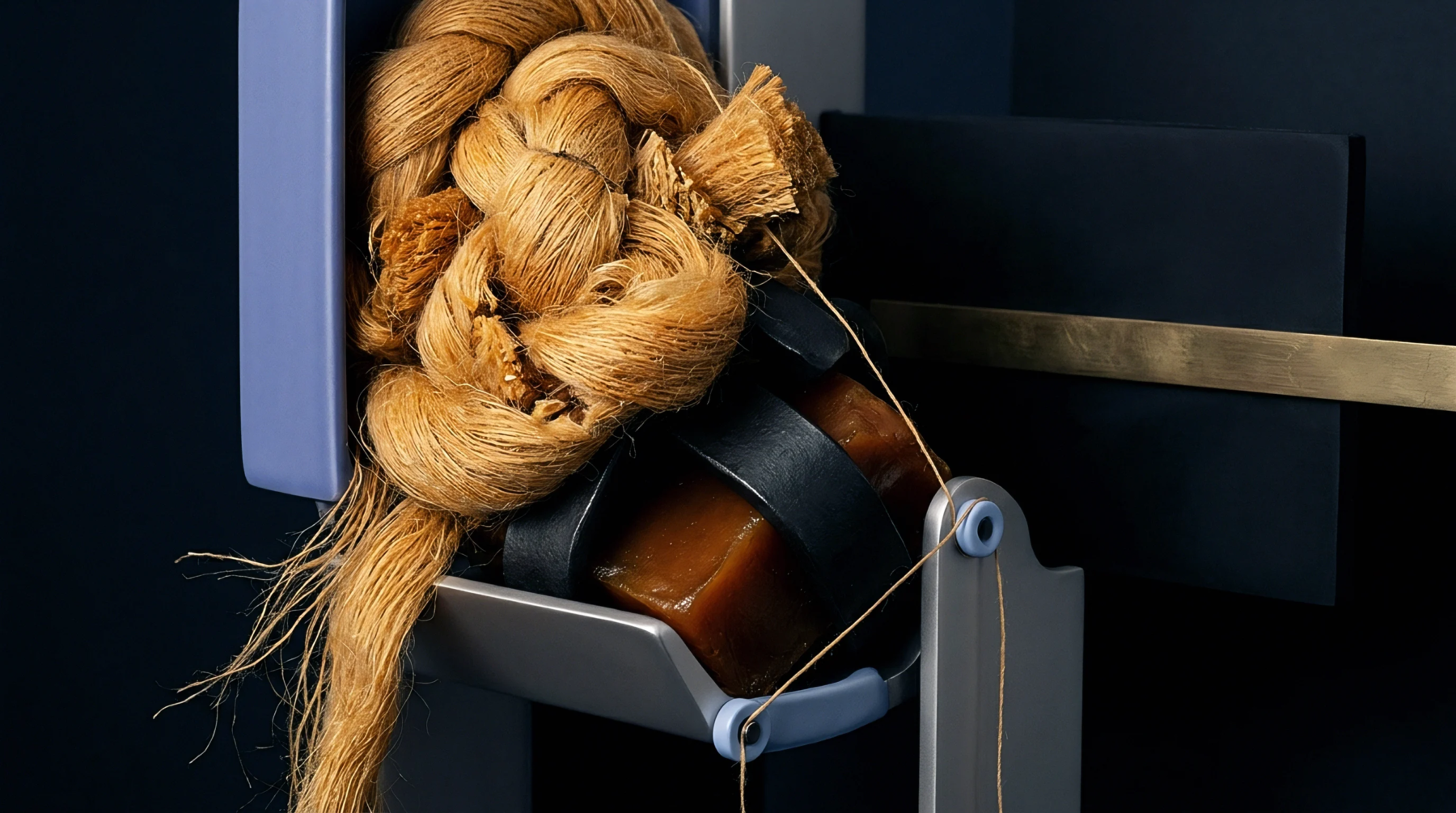
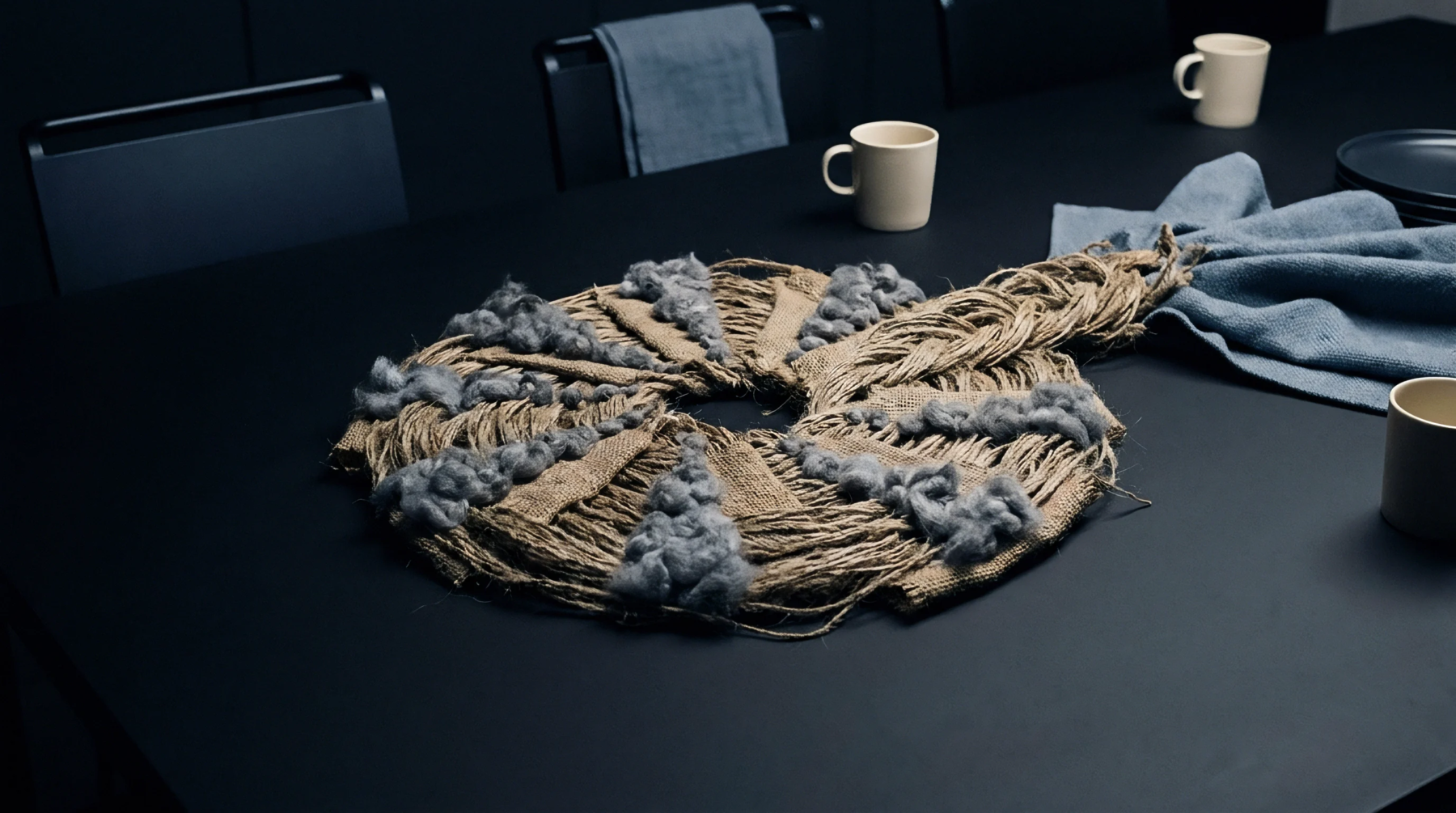
Mechanically separated botanical phloem strands derived from the stem of Linum usitatissimum form the primary raw material entering Chinese textile mills for subsequent spinning into linen yarn. Mill supervisors evaluate incoming bast fibre batches for tensile strength and residual pectin content before signing the mill intake register. Residual non-cellulosic gums interfere with downstream drafting rollers during wet spinning operations if biological retting fails to remove cellular binding agents adequately.
Technicians sort longline preparations from short tow waste based on staple length distribution measured across representative hand-pulled samples. Commercial contracts specify maximum allowable moisture regain percentages to prevent fungal degradation during maritime transit from European farms to eastern processing ports.
Spinning Yield
Mill engineers calculate batch conversion efficiency by tracking mass losses incurred during successive mechanical scutching and hackling procedures. Cleaned strands undergo alkaline boiling to dissolve remaining hemicellulose without degrading cellulose polymer chains essential for yarn durability. Carding machines align individual elementary filaments into continuous slivers prior to drawing frame attenuation and wet frame twisting.
Operators monitor sliver mass per unit length continuously to prevent uneven yarn diameter from compromising subsequent weaving performance on high-speed rapier looms. Production logs record precise output ratios comparing raw bale weight against finished yarn spools ready for the sizing department.
Cloth Standard
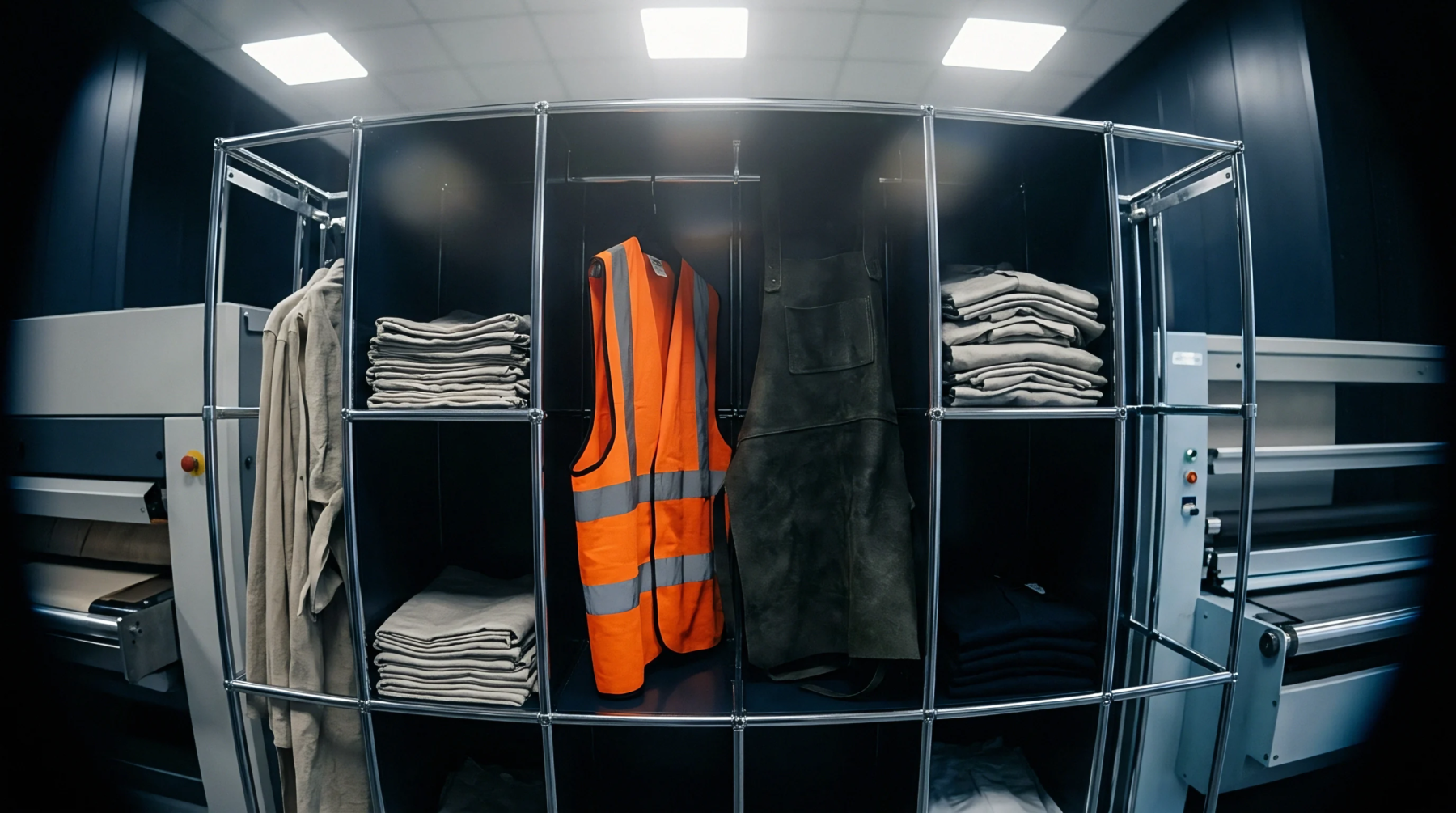
Finished textile testing laboratories grade woven linen fabric according to warp and weft density parameters recorded in formal mill export inspection sheets. Independent buyers establish acceptance thresholds governing dimensional stability and abrasion resistance independently from internal mill quality targets. Fabric defects including slubs and broken picks undergo manual identification and repair before the material receives final export certification.
Final finished goods must meet specified breaking load requirements measured perpendicular to the principal yarn orientation before commercial release.