
Calculating Warp Sett and Fabric Weight from Linen Yarn Counts
Calculating linen warp sett and fabric weight requires converting Lea to Tex, applying cover factor limits, accounting for crimp, and factoring in finishing mass losses.
Calculating linen warp sett and fabric weight requires converting Lea to Tex, applying cover factor limits, accounting for crimp, and factoring in finishing mass losses.

Linen Lea converts to Metric count via NeL multiplied by 0.604772, while direct Tex equals 1653.52 divided by NeL, adjusted for 12% moisture regain.

Calibrating electronic let off parameters requires tuning PID loops and phase offsets to manage flax fiber rigidity and prevent dynamic tension spikes.
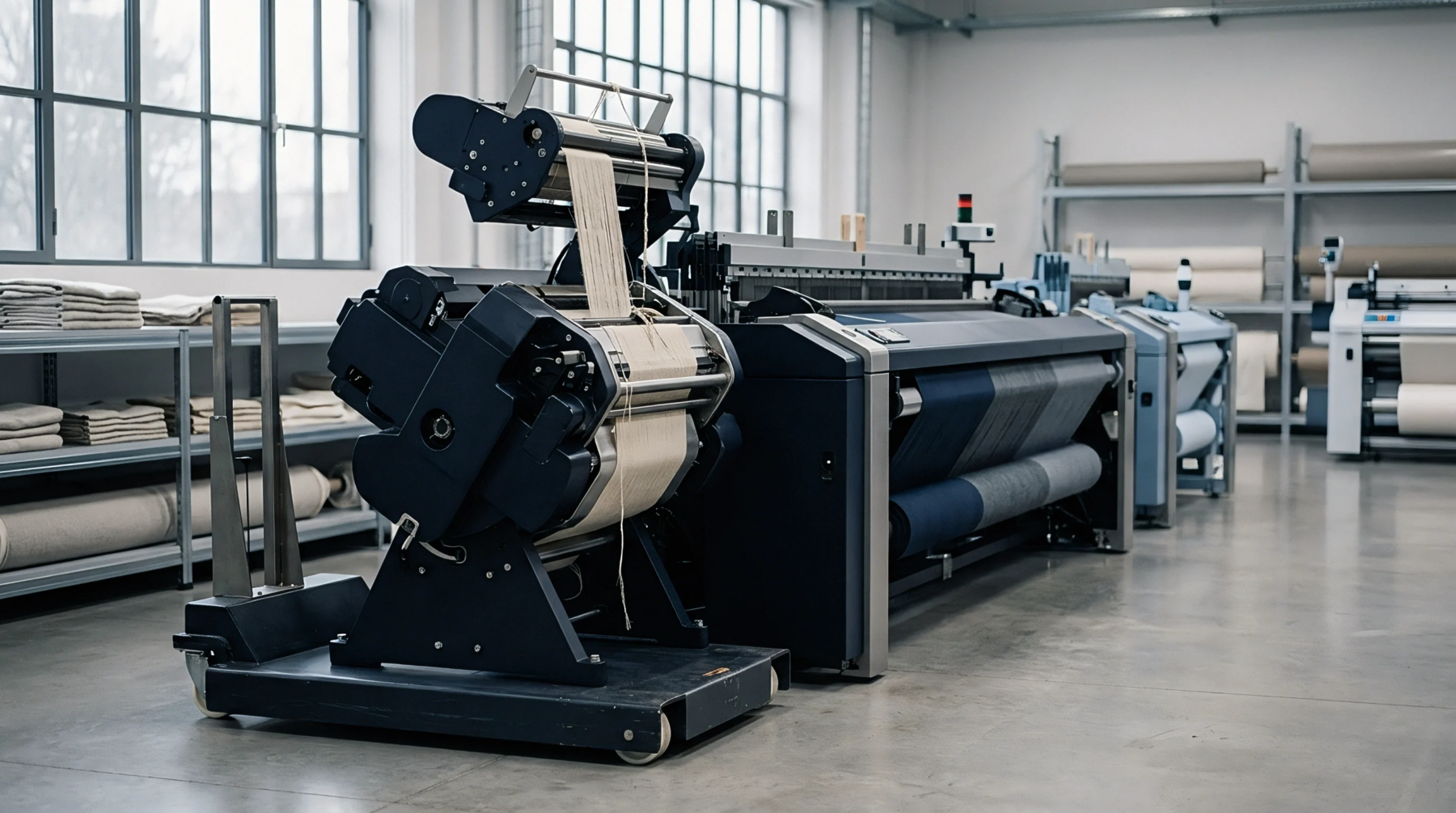
Transitioning linen weaving to mass high-speed looms requires adjusting cover factors for yarn flattening and crimp interchange to prevent weight and width off-spec faults.

Wet-spun flax yarn commands higher per-kilo pricing due to hackling loss, while dry-spun tow yarn offers cost efficiency for counts under twenty metric.

Controlled size encapsulation and 10 percent moisture regain suppress linen warp breaks, preserving high loom efficiency and direct landed metre margins.

Exact yarn mass calculation for plain weave greige linen requires converting Lea to Tex, factoring warp crimp, reed width, and 12% standard moisture regain.
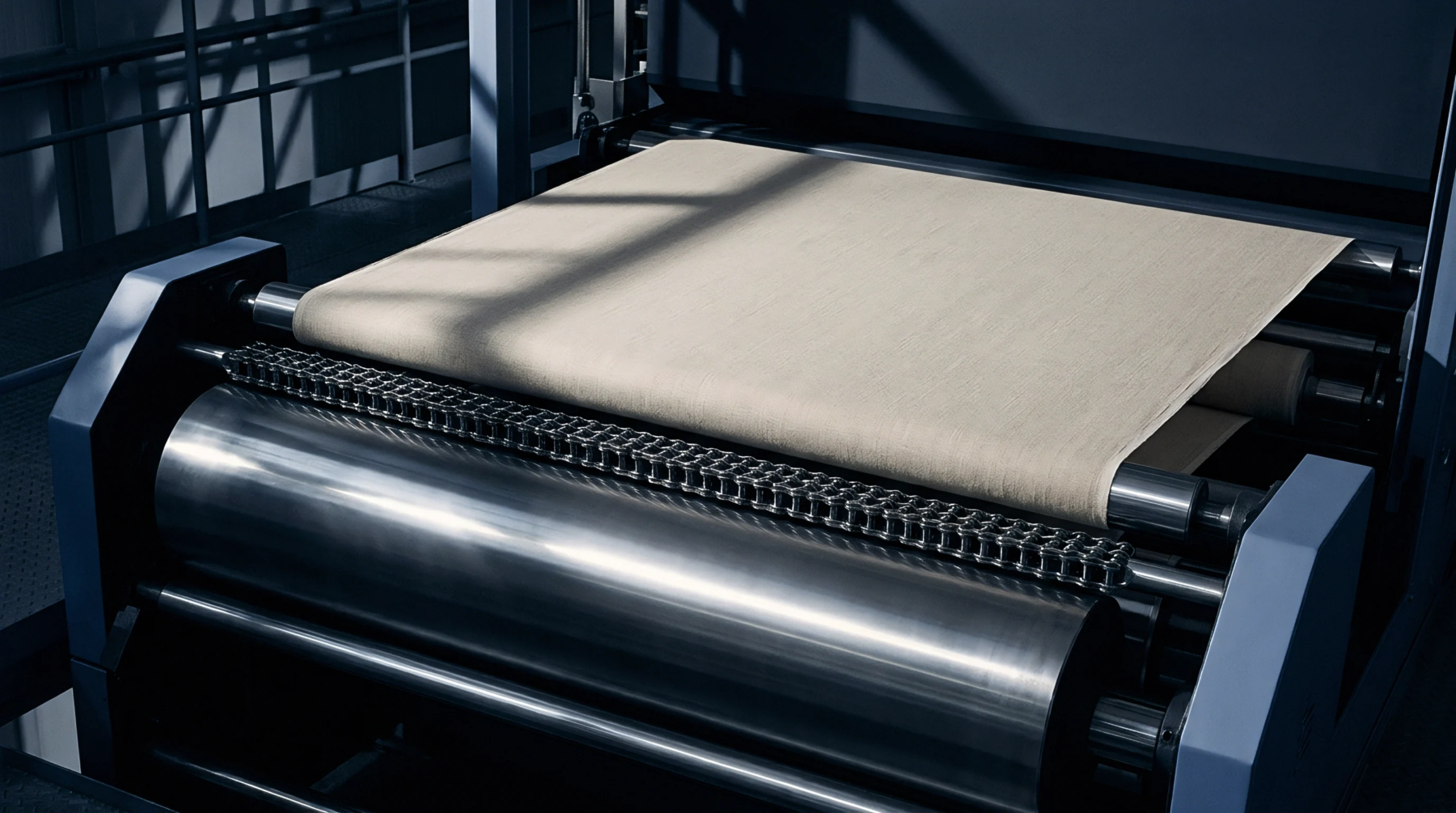
Wide air-jet linen weaving requires synchronized relay nozzle pressures and precise temple pin geometry to stop edge tension drift and edge damage.

Reed width contraction and warp crimp take-up in linen weaving require dynamic adjustment of loom tension and denting space to offset flax inelasticity.

Linear density conversions for linen require applying official moisture regain factors to Lea and Tex counts to fix structural fabric weights accurately.

Target linen weight equals yarn tex multiplied by thread density, adjusted for warp size, crimp, wet process mass loss, and area shrinkage factors.
Expertise is a utility, not a secret. sentiention™ publishes its working knowledge as open reference: intelligence layer covering the materials it sources, the markets it enters, and the reference that serves both.