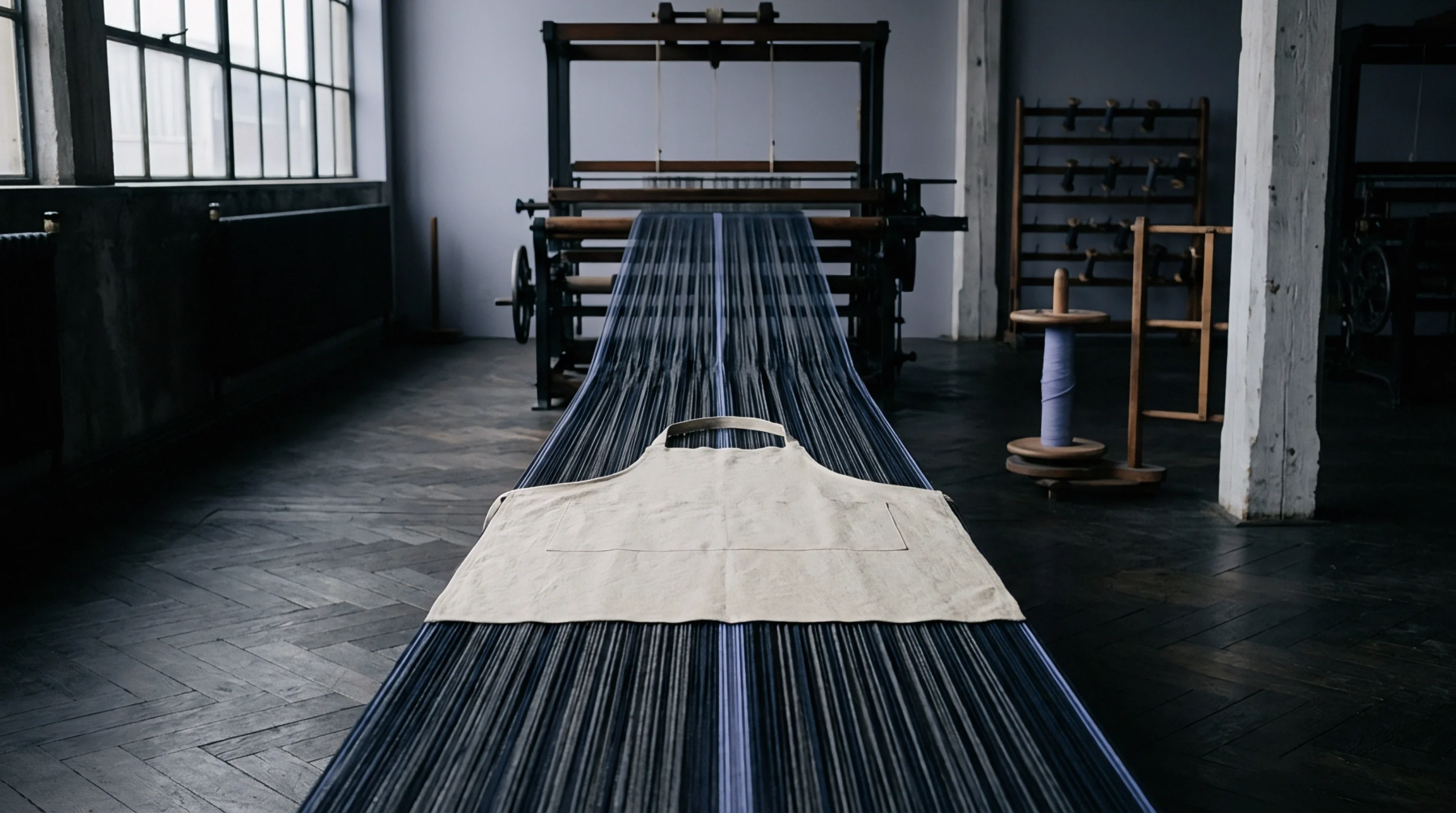
Compensation Methods for Idle Warp Tension Decay in High Speed Linen Weaving
Active servomotor letoff advance combined with synchronized takeup backstep eliminates start marks by rebuilding flax warp tension before the initial reed beat.
Active servomotor letoff advance combined with synchronized takeup backstep eliminates start marks by rebuilding flax warp tension before the initial reed beat.

Active ease-off calibration couples positive mechanical linkages to shed timing, absorbing shedding peaks to keep low-extension flax warps below yarn break limits.
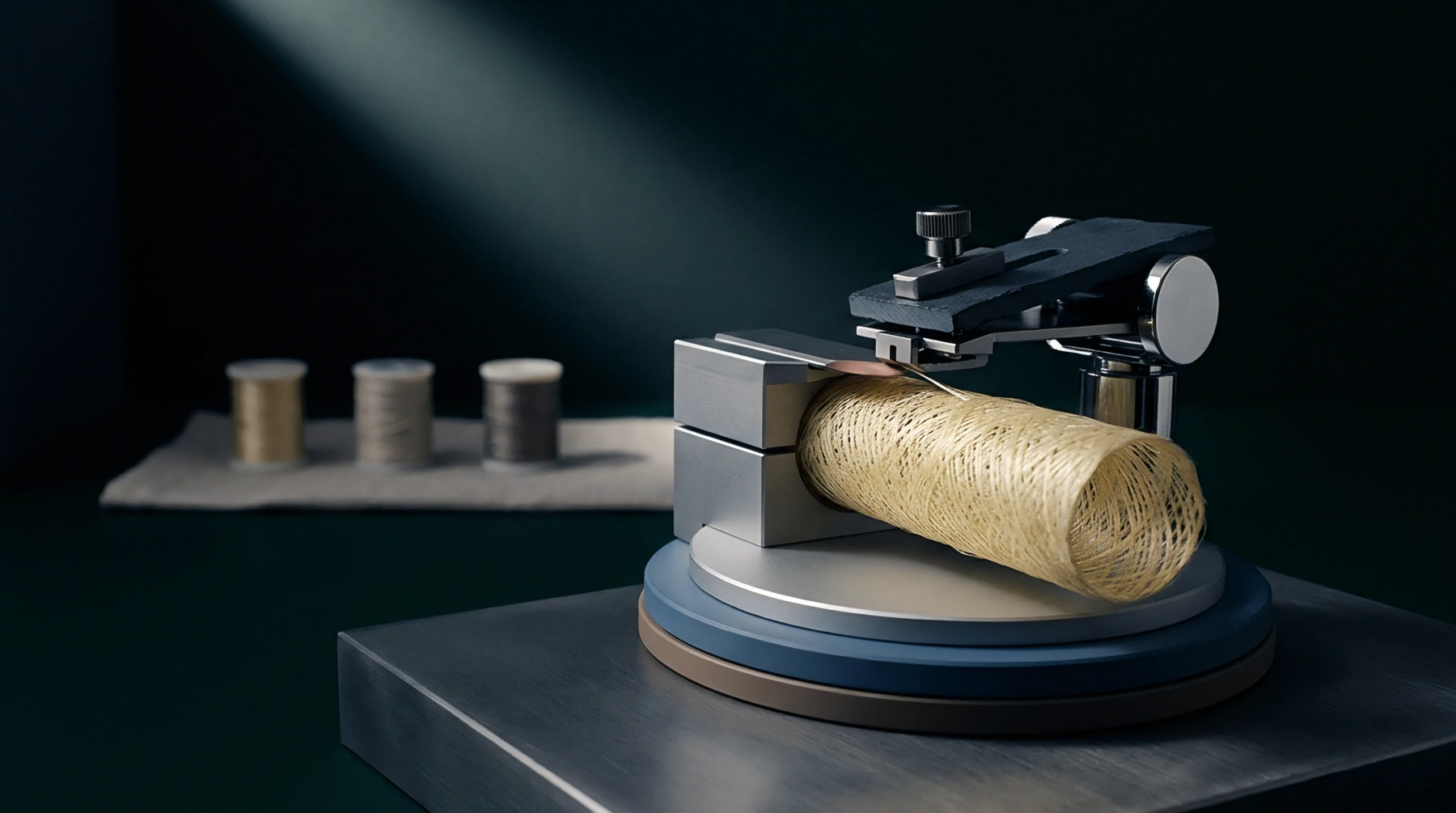
Dynamic shedding stress induces progressive plastic set in flax yarn, cutting elastic recovery and causing warp fatigue breaks that reduce loom efficiency.
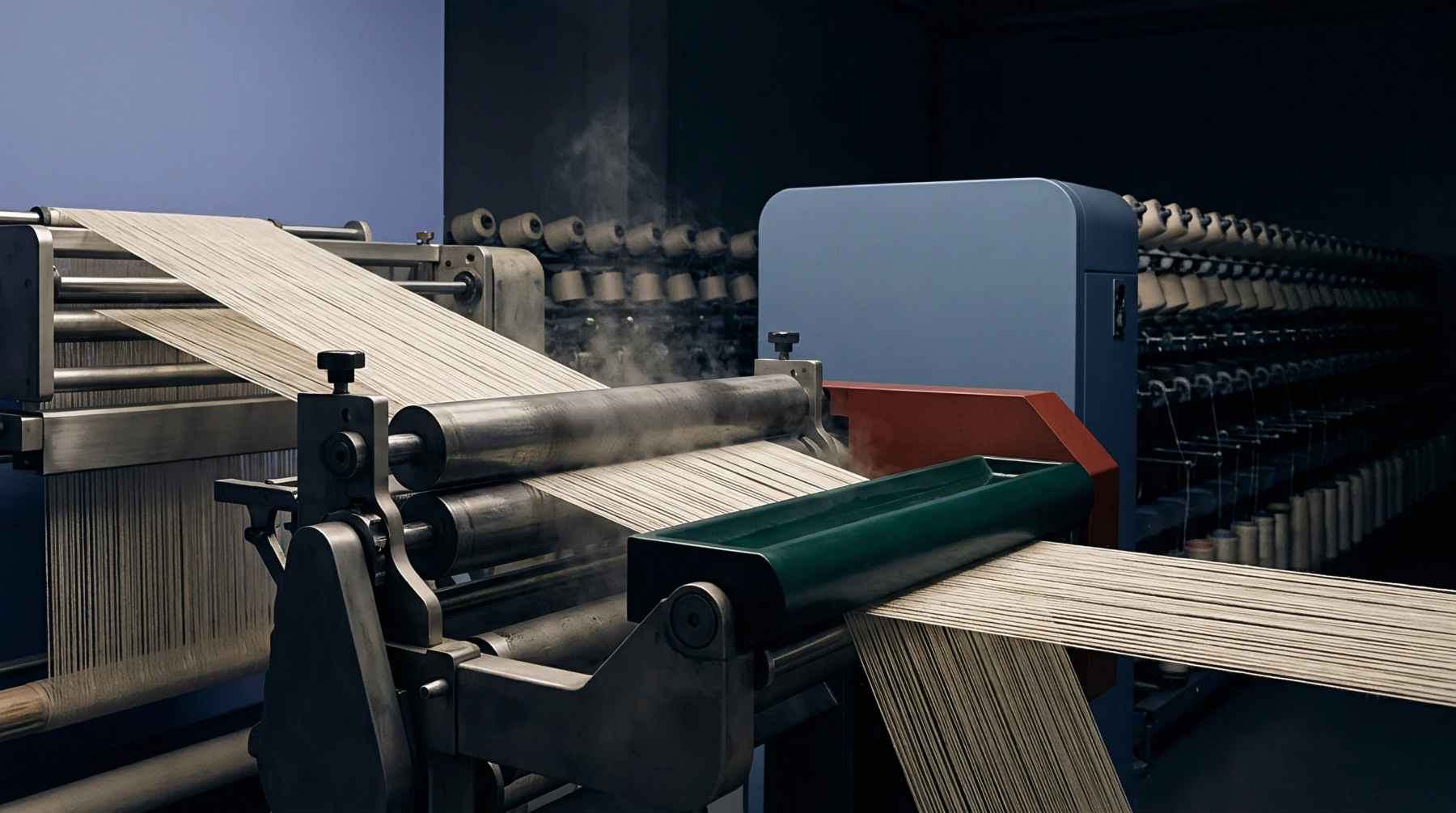
Cross mill warp transfers require dry mass base pricing moisture regain formulas and pre transit four point inspection logs to enforce clear debt clearing.
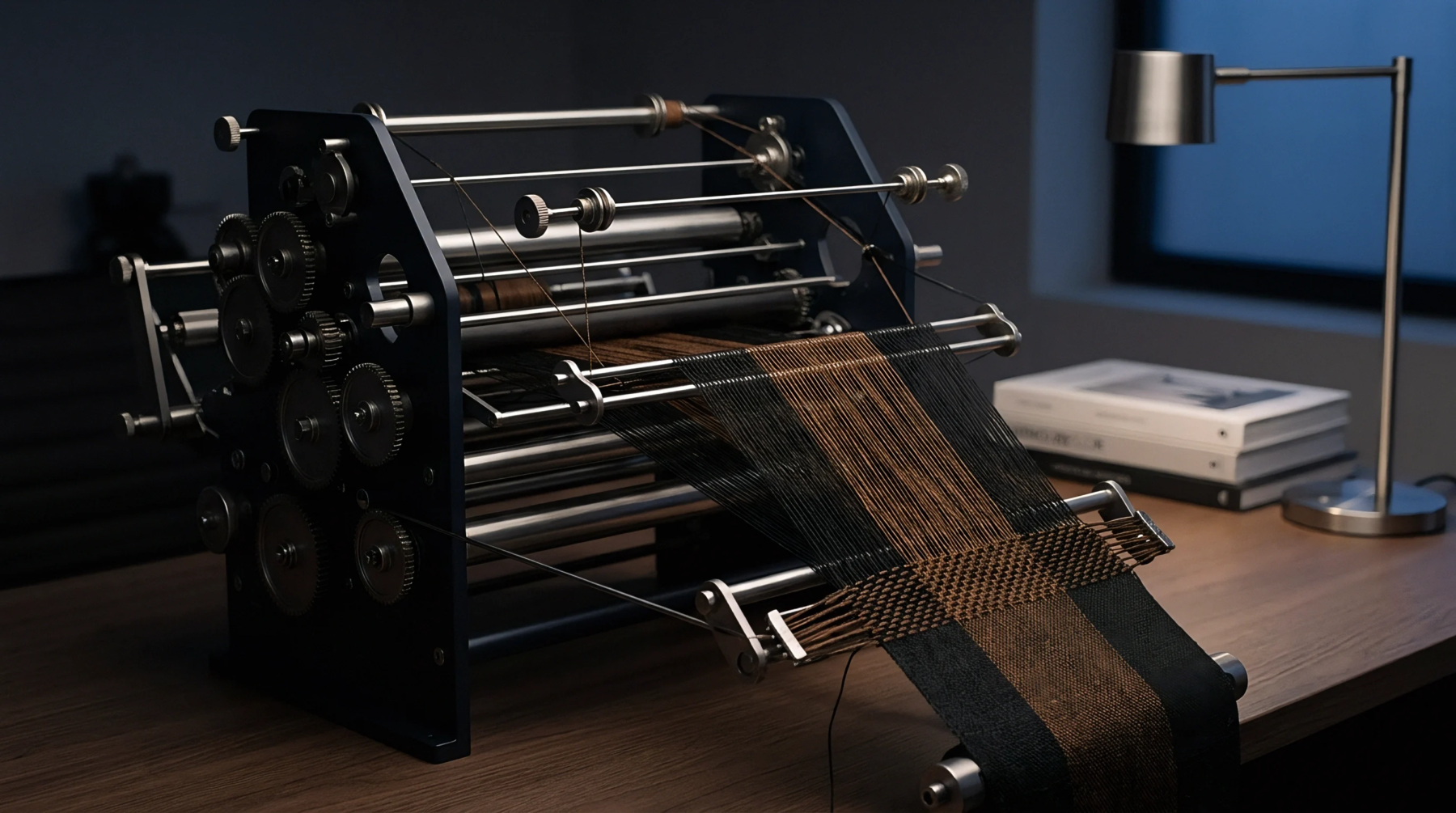
Air-jet looms lower unit costs on uniform fine yarn styles through high PPM, but rapier looms win on heavy or slubbed linen by avoiding expensive stop downtime.

High sett linen cuts loom output up to 66 percent, requiring overhead costing shifts from linear metre pricing to audited machine hour capacity absorption rates.

Optimizing wet spun linen warp single end strength demands tight roving bath hydrolysis, low-temperature autoclaving, and flexible modified starch sizing.

Fine wet spun linen warps demand 7 to 9 percent starch size add-on, 8 percent moisture regain, and under 21 degree shed angles to run above 85 percent loom efficiency.

Elevating the backrest 30mm and adopting two-end denting resolves fell bounce and reduces fiber shear in high-density flax plain weaves.
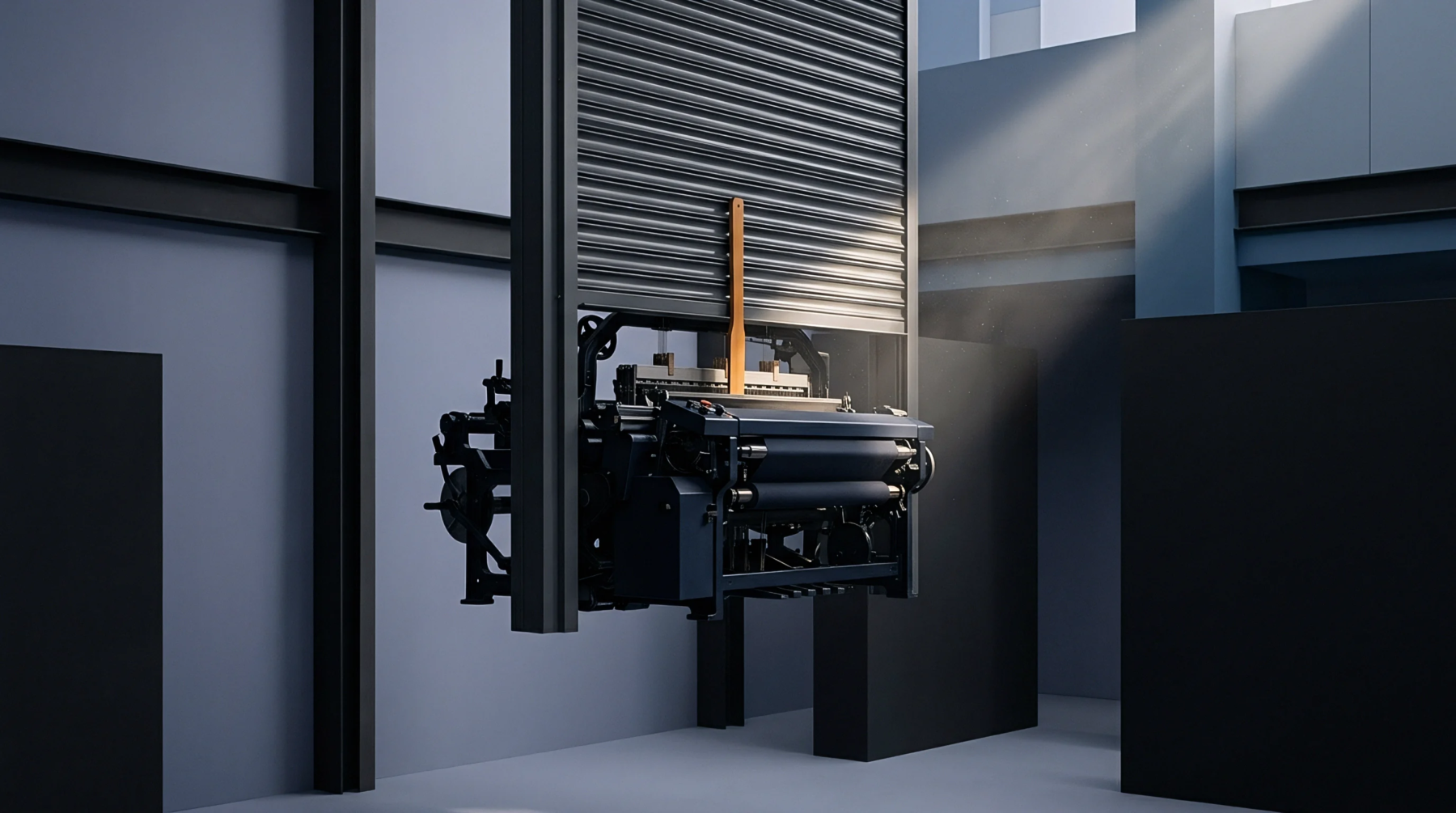
Reconciling European flax certificates with Asian mill mass records requires correcting for moisture regain, hackling waste, and chemical sizing additions.

Target dry size pick-up for wet-spun linen warps sits strictly between six and nine point five percent, calculated from bone-dry yarn mass and nip extraction.
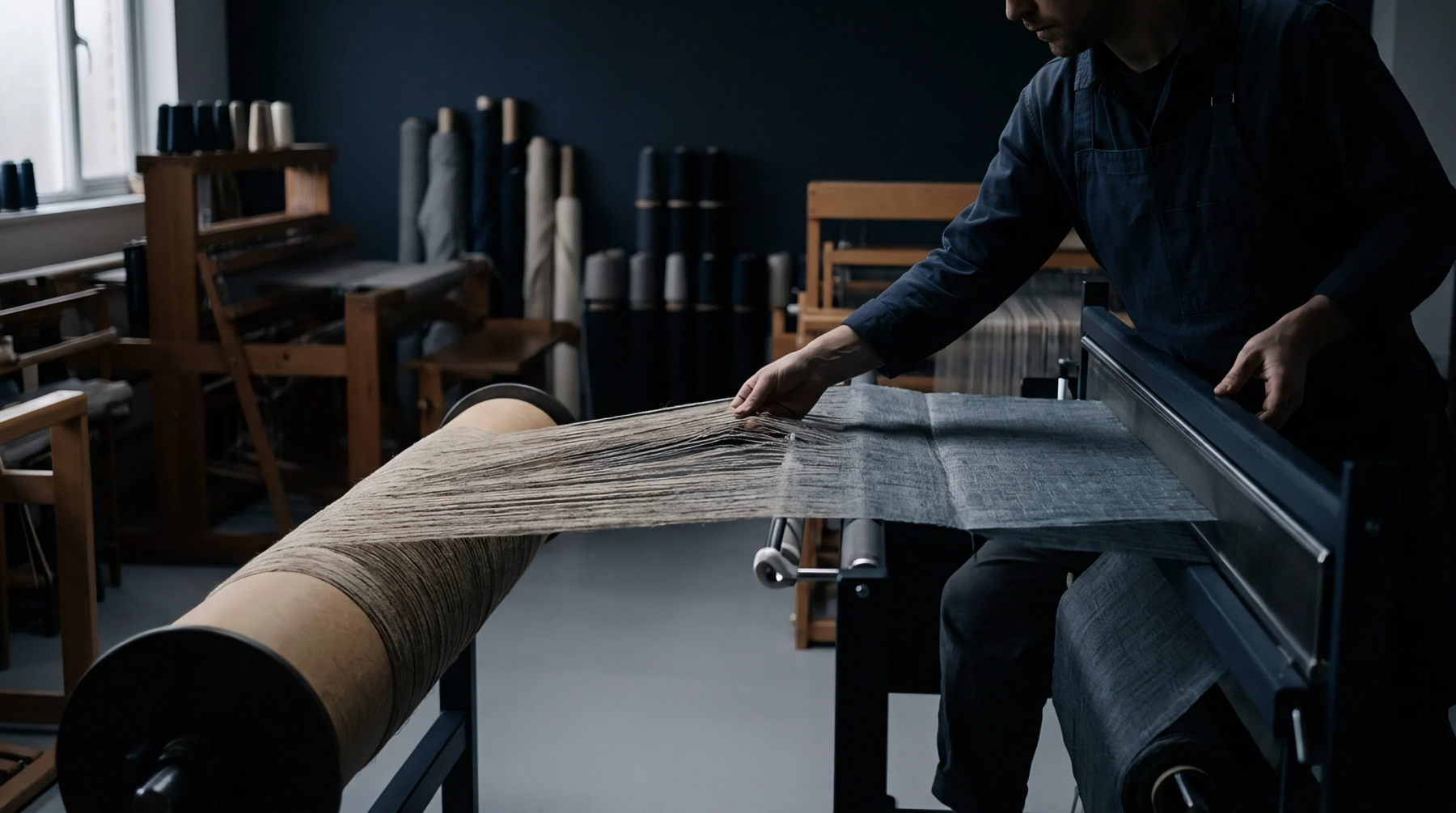
Plain interlace linen hits mechanical jamming when warp and weft cover factors exceed twenty-eight, demanding twill structures for higher densities.
Viscoelastic tension relaxation in sized bast warps creates fell line migration and set marks unless controlled by active electronic let-off compensation.

Optimal hydromechanical control of ultra-dense flax warps relies on balancing pectin plasticization against radial swelling to minimize shear locking.

Moisture regain directly alters yarn linear density, requiring strict shed humidity control and ISO 2060 dry mass corrections to stabilize rapier weaving mechanics and landed cloth costs.

Fine wet spun linen warp yarns demand a minimum unsized tenacity of 19 cN/tex and a Weibull modulus above 9.0 to survive loom shedding strain without snap.
Wet spun flax linear density and mechanical properties depend on strict moisture regain control, hot water pectin drafting, and CRE tensile evaluation.

Target linen weight equals yarn tex multiplied by thread density, adjusted for warp size, crimp, wet process mass loss, and area shrinkage factors.
Expertise is a utility, not a secret. sentiention™ publishes its working knowledge as open reference: intelligence layer covering the materials it sources, the markets it enters, and the reference that serves both.