
Resolving Enzymatic Retting Impact on Multi Modal Fibre Area Parameters in Wet Spun Flax Lines
Enzymatic retting creates a bimodal fibre area distribution that increases hackling line yield to 65% and enables wet spinning to fine Nm 60 yarn counts.
Enzymatic retting creates a bimodal fibre area distribution that increases hackling line yield to 65% and enables wet spinning to fine Nm 60 yarn counts.

Optimal retting at Fried 2.8 maximizes line yield at 55 percent, holding wet-spun tenacity above 43 cN/tex while preventing costly hackling tow losses.

Fine wet spun linen warps require water-injection splicing to exceed 75% tensile retention and avoid tension-boundary failures during cyclic shed opening.
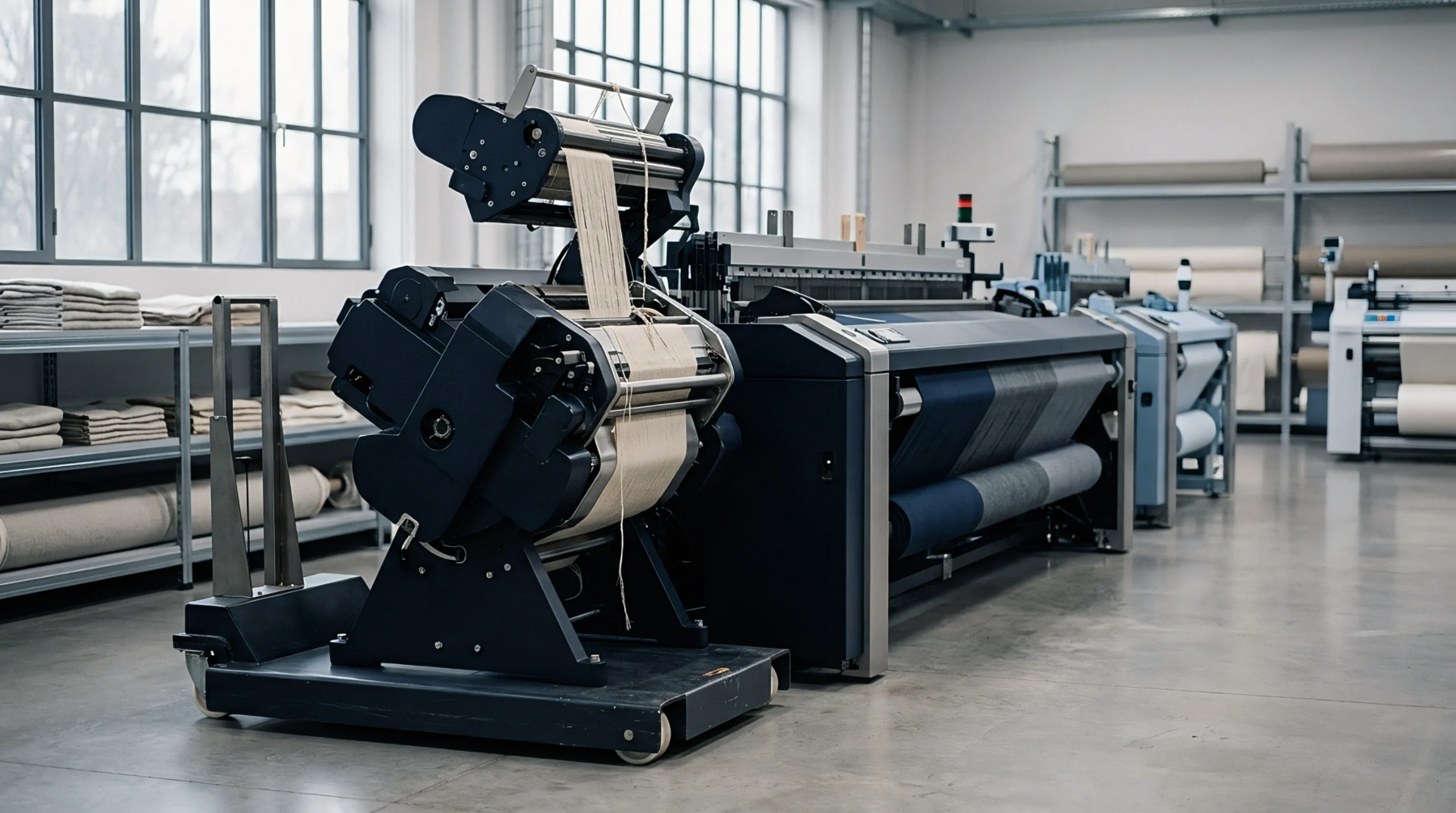
Limiting fine flax warp elongation below two percent through asymmetric shed geometry preserves loom speeds above five hundred picks per minute.

Calculated warp break frequency in sized ring linen requires modeling dynamic loom stress and yarn flaws, where optimal sizing limits stops below 2 per 100k picks.

Critical wet spinning breakage thresholds occur when delivery speeds push dynamic balloon tension past wet bast cohesion, causing breaks above 40 ED1000.

Cross-sectional area variance in wet spun flax roving governs drafted yarn tenacity and dictates final metre price through end breaks and second-quality fabric.

Single strand tensile performance in wet spun linen dictates loom stops, dynamic failure rates, and landed cloth cost through gauge-length sensitivity and tenacity CV.

Ammonium oxalate extraction at ninety degrees solubilizes middle lamella pectins to isolate elementary flax fibres for accurate microbalance decitex audits.
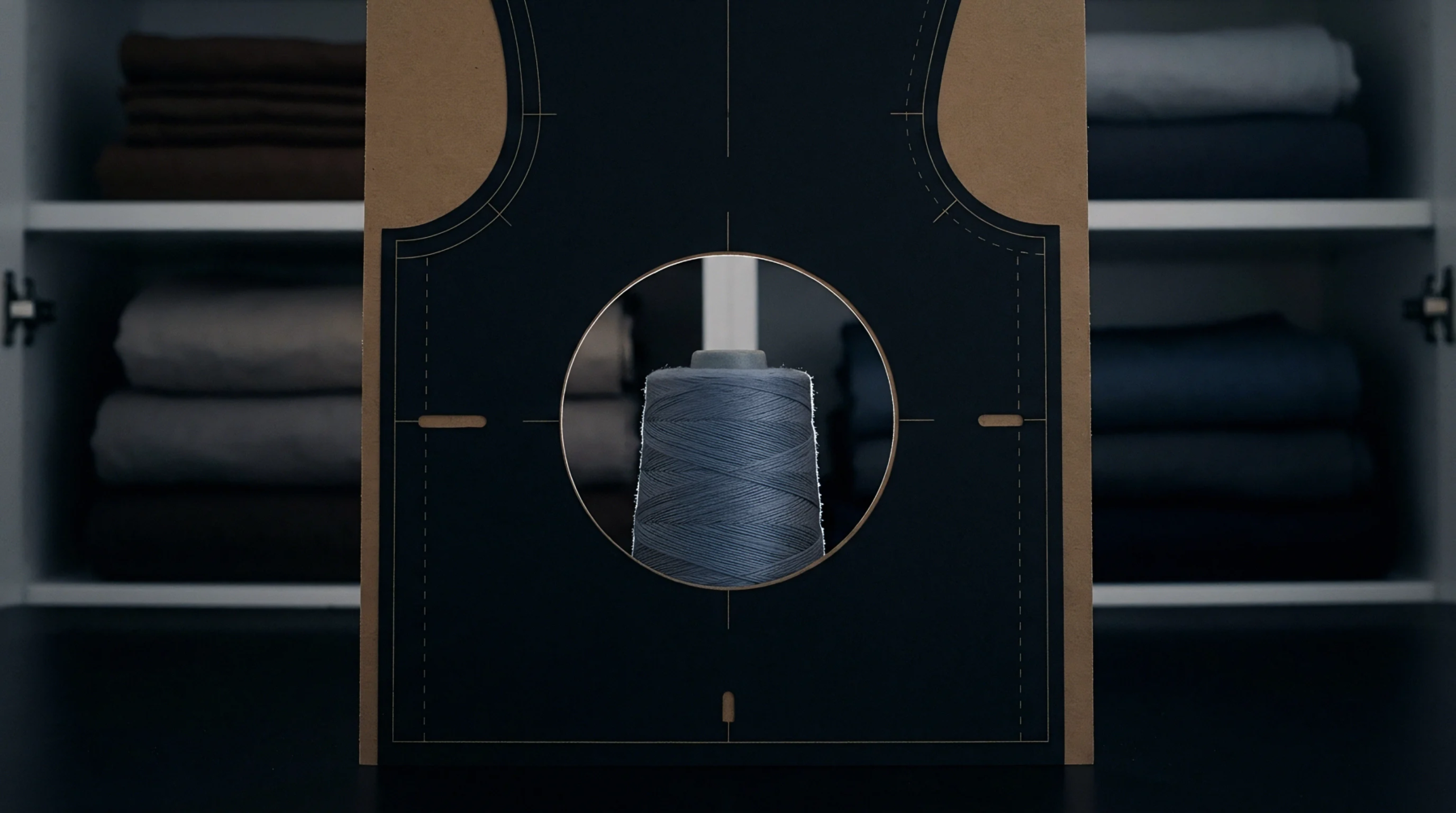
Wet spun flax linear density and mechanical properties depend on strict moisture regain control, hot water pectin drafting, and CRE tensile evaluation.

Accurate measurement of flax fiber length distribution requires converting between numerical count and mass-weighted metrics to control drafting waves.
Expertise is a utility, not a secret. sentiention™ publishes its working knowledge as open reference: intelligence layer covering the materials it sources, the markets it enters, and the reference that serves both.