Polymeric Binder
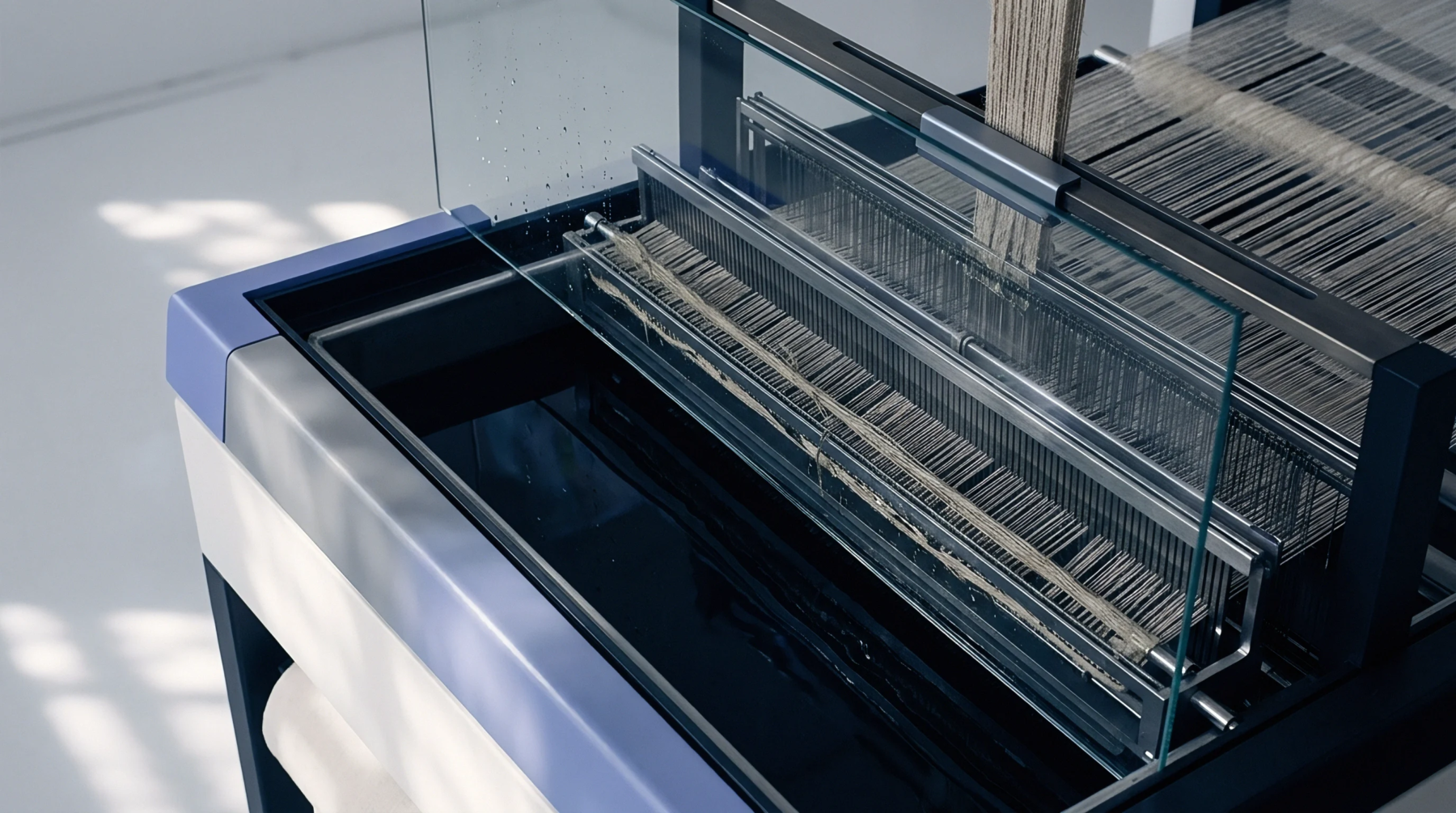
Water-soluble cellulose ethers derived from alkali-treated wood pulp or cotton linters function as protective film-forming agents in textile warp sizing operations. Chinese linen mills apply carboxymethyl cellulose to flax yarns to increase strand cohesion during high-speed weaving operations. The chemical coating coats loose surface fibres to prevent abrasion without penetrating deep into the dense yarn core.
Application boundaries end when sizing formulations transition to pure synthetic polymers or natural starches without ether modification.
Viscosity Regulation
Slurry preparation requires precise temperature control and specific mechanical agitation to yield consistent size bath viscosity. Dissolving the water-soluble ether in hot water produces a stable colloidal solution that resists shear degradation under high-speed squeegee rollers. Spinning facilities mix carboxymethyl cellulose with modified starches to balance film flexibility and tensile strength on fine flax warps.
The polymer film reduces yarn friction across loom drop wires, heddle eyes, and reed dents. Tensile loads during shed opening remain distributed along the sizing envelope, which minimizes end breaks on low-twist linen strands. Sizing kitchens measure viscosity using rotational viscometers to maintain add-on levels between fixed percentage limits.
Size Removal
Desizing processes strip the protective polymer from woven grey fabric using warm alkaline washes. Complete film removal prevents dye resist defects during subsequent bleaching and dyeing stages. Fabric inspectors verify residual size levels through iodine staining tests or weight loss measurements.