Tension Geometry
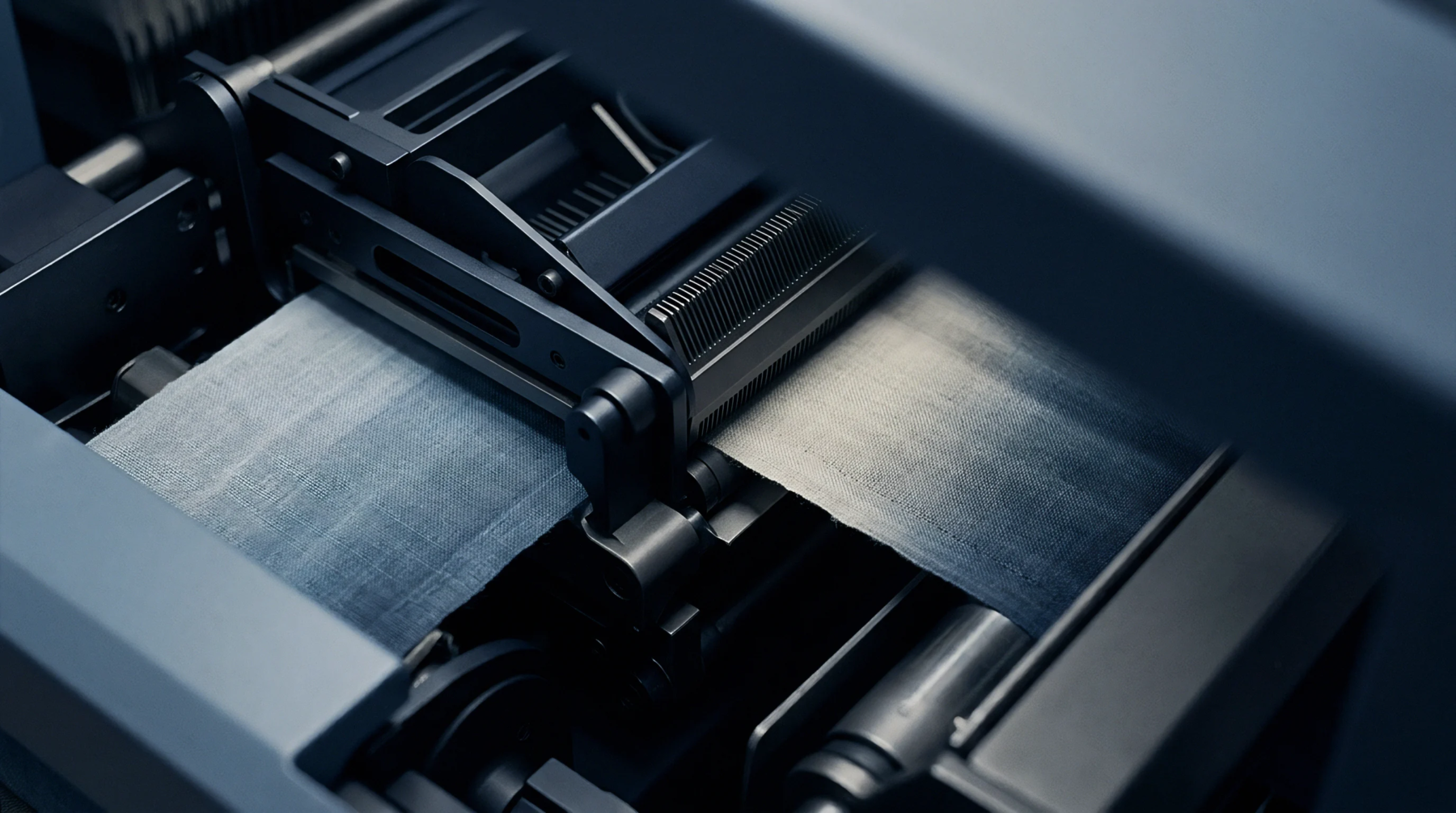
Mechanical spacing regulates warp tension during flax yarn preparation on the loom beam. Backrest roller offset alters the geometric angle at which the warp sheet departs from the support surface, shifting the distribution of load between upper and lower yarn layers. Excessive displacement concentrates stress on the exterior filaments, causing brittle breakage in unmercerized linen yarn.
Calibrated displacement distributes mechanical resistance evenly across the entire sett width, protecting delicate botanical fibres from abrasion damage. Operators record this setting in the daily beam production log to maintain reproducibility across consecutive batches.
Beam Mechanics
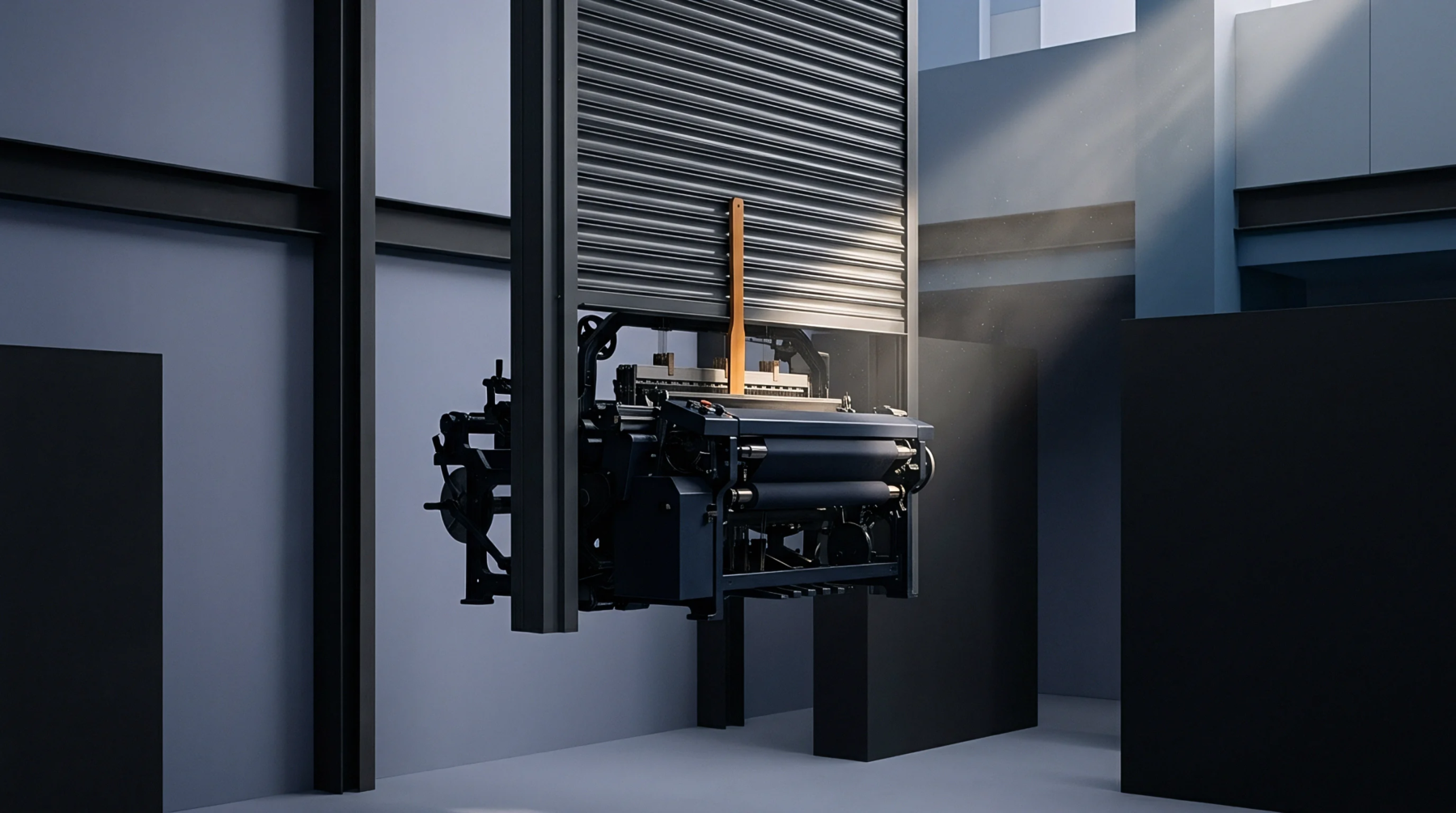
Rotational eccentricity within the mounting brackets modifies operational clearance during shedding. Precision adjustment screws govern the horizontal displacement of the cylindrical guide relative to the vertical drop wire plane. Mill technicians verify alignment tolerances using feeler gauges before releasing the warp beam to the weaving department.
Correct positioning prevents irregular slackness from developing along the selvedge edges during high-speed picking cycles.
Fabric Quality
Dimensional stability in finished linen cloth depends directly on uniform warp tension maintained throughout the weaving phase. Uneven roller positioning generates alternating dense and open reed marks across the greige fabric surface. Quality inspectors grade the finished textile according to warp density consistency and surface smoothness recorded during final auditing procedures.
Strict adherence to baseline displacement parameters ensures compliance with international textile export specifications.