Moisture Processing
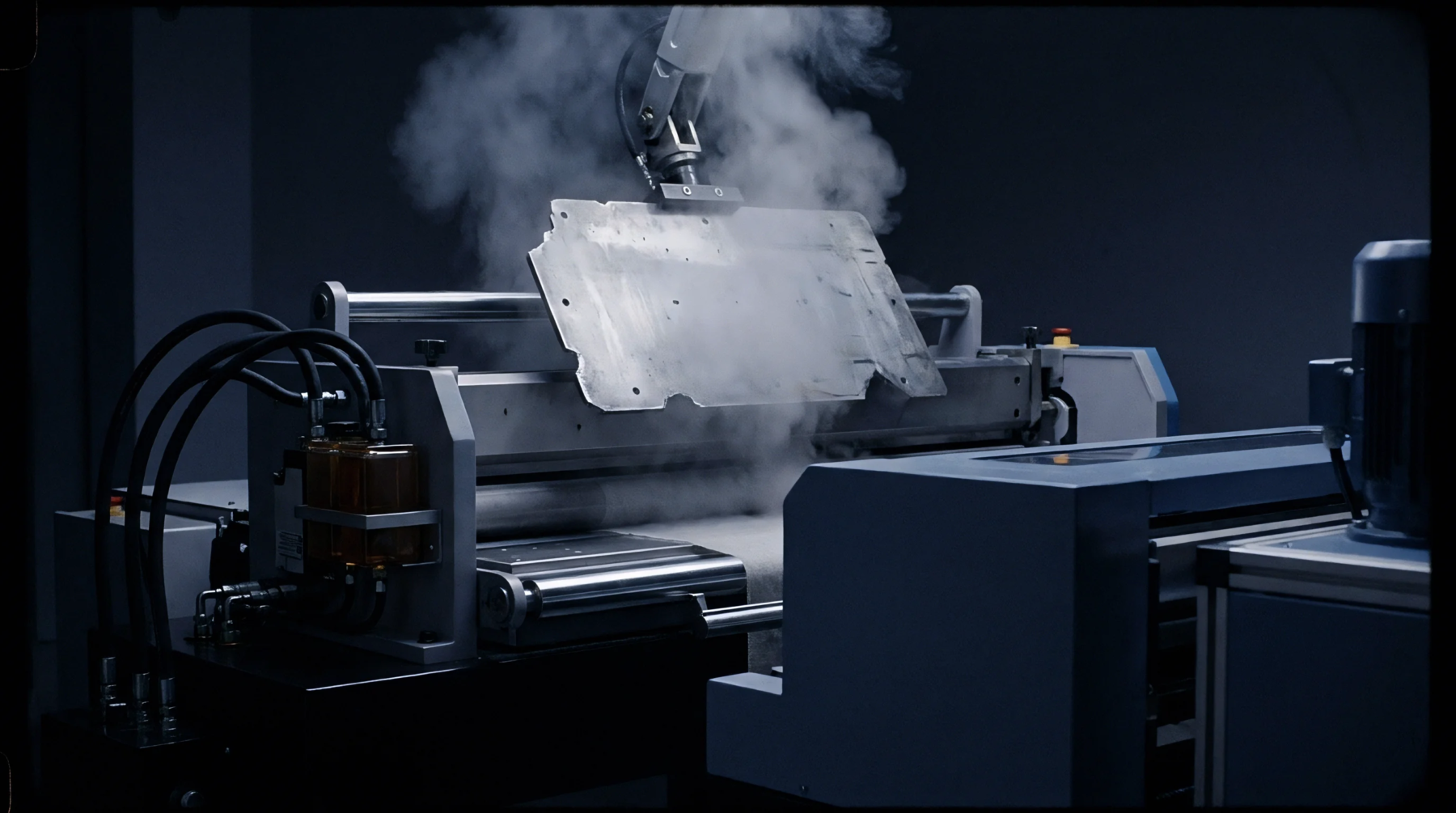
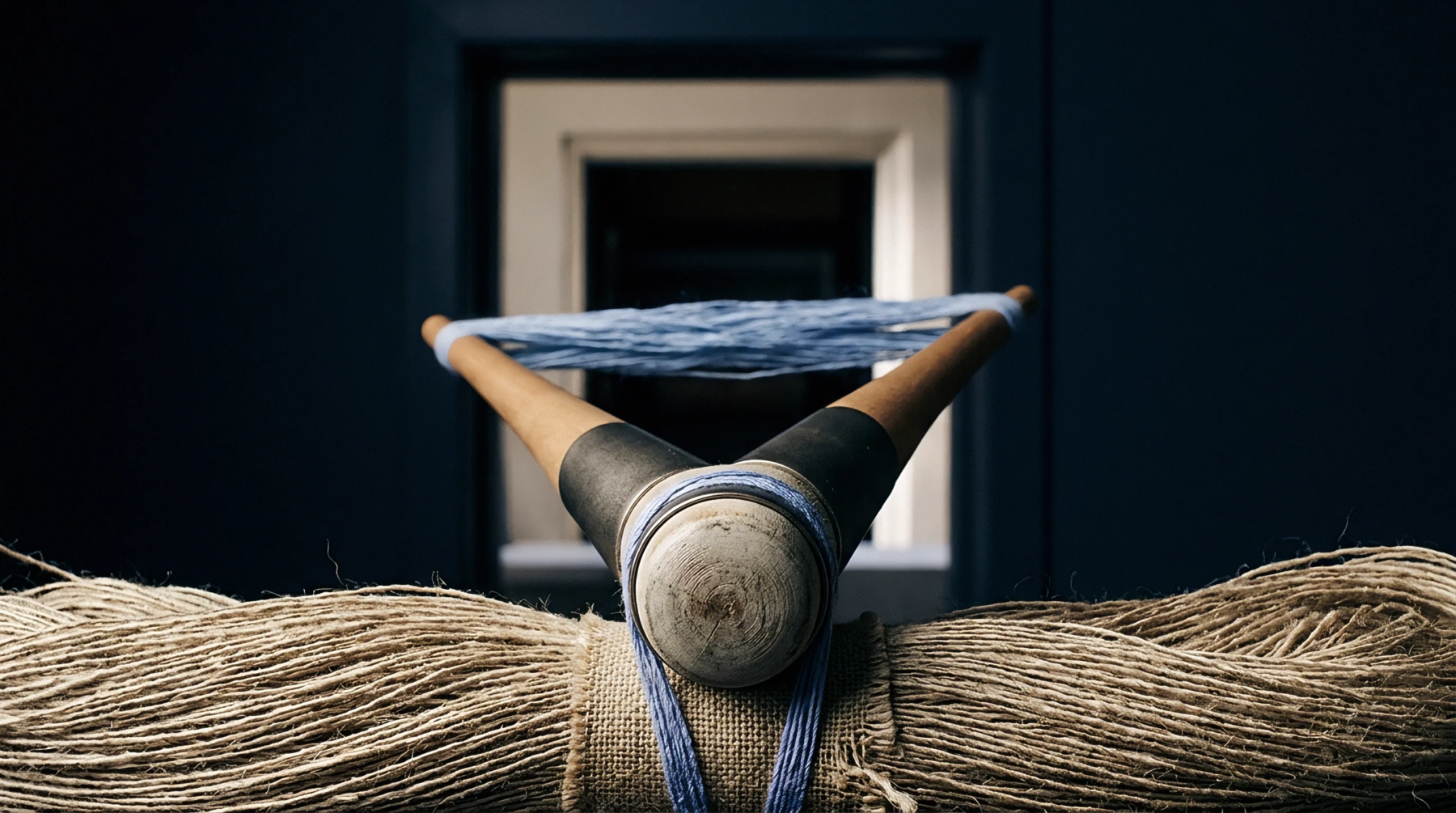
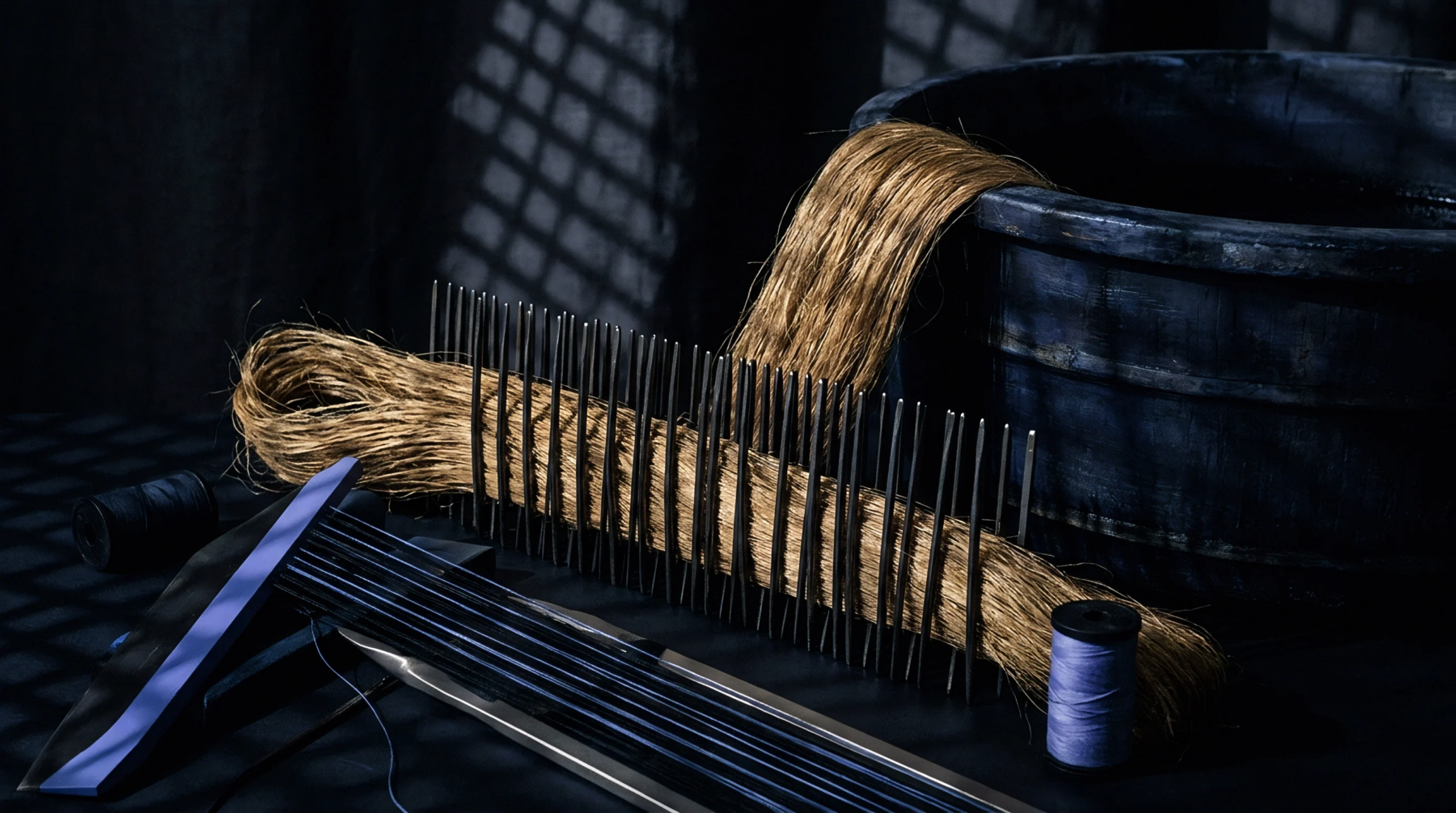
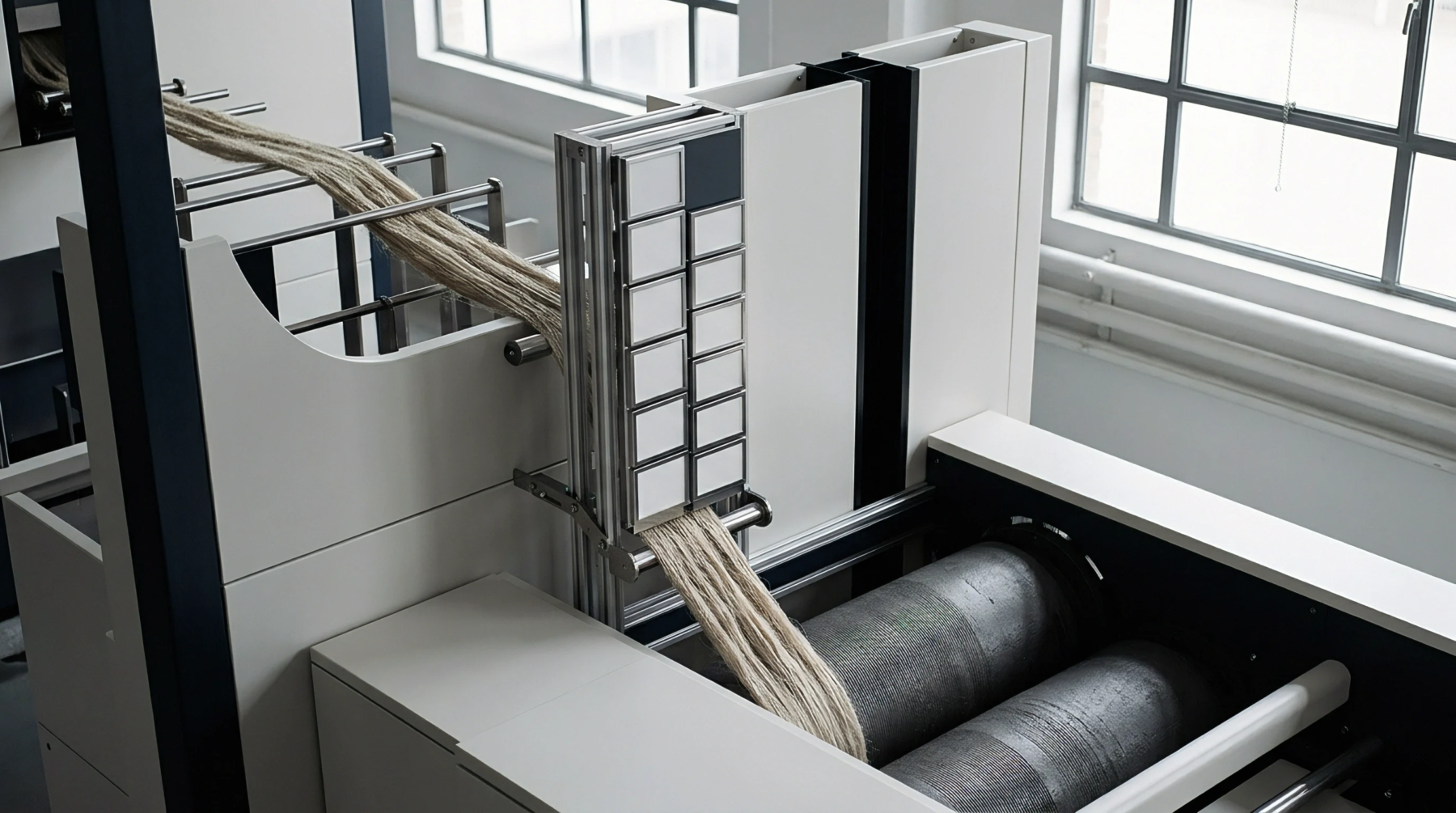
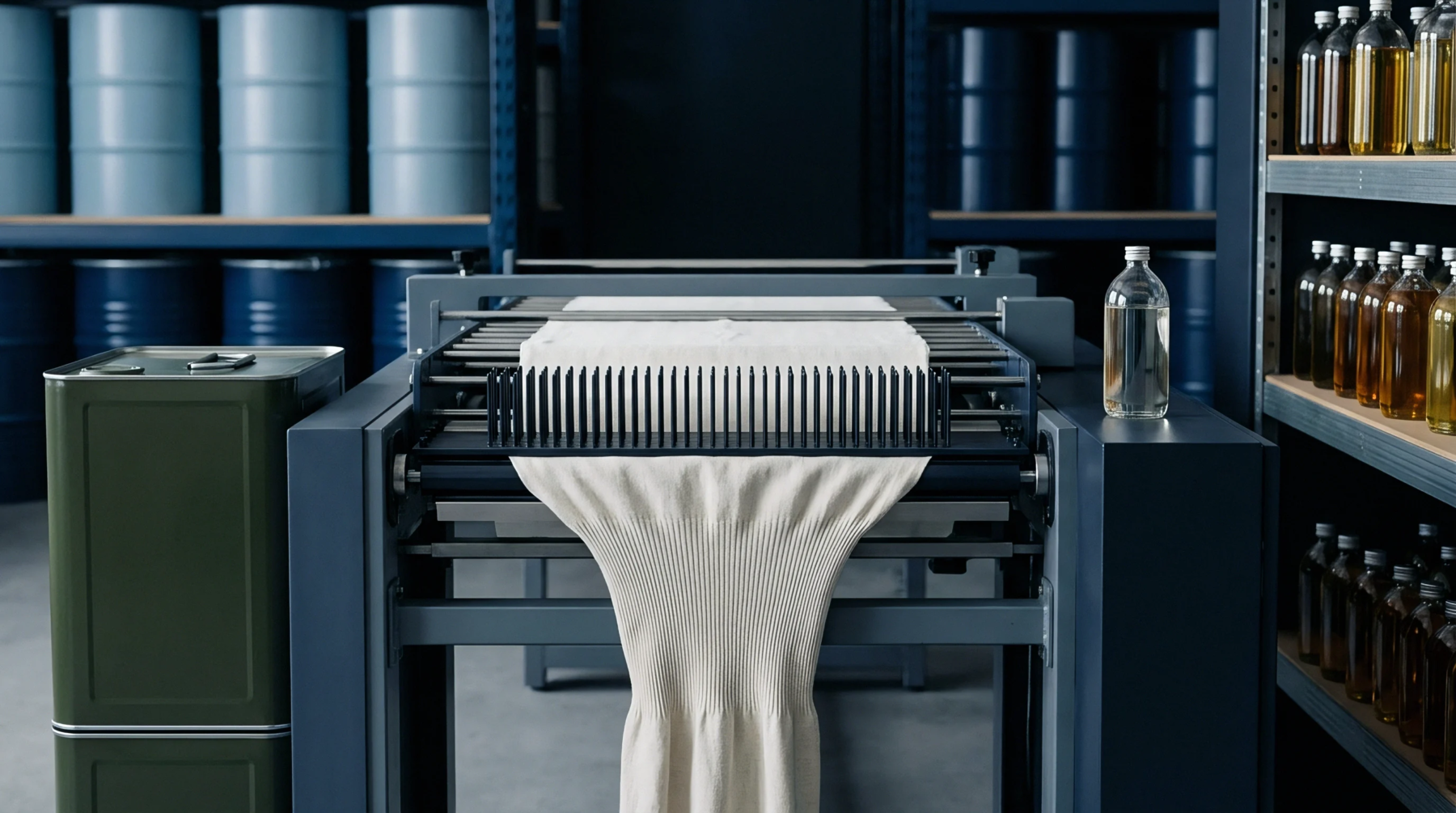
Hydro-extraction of flax sliver occurs within specialized drafting baths maintained at specific temperature ranges to soften natural pectins before mechanical drawing frames elongate the material. Wet spun linen requires this controlled aqueous environment during fiber attenuation because dry ambient conditions break ultra-long elementary filaments during drafting rolls. Jiangsu spinning operations monitor water temperature meters continuously to maintain bath viscosity parameters.
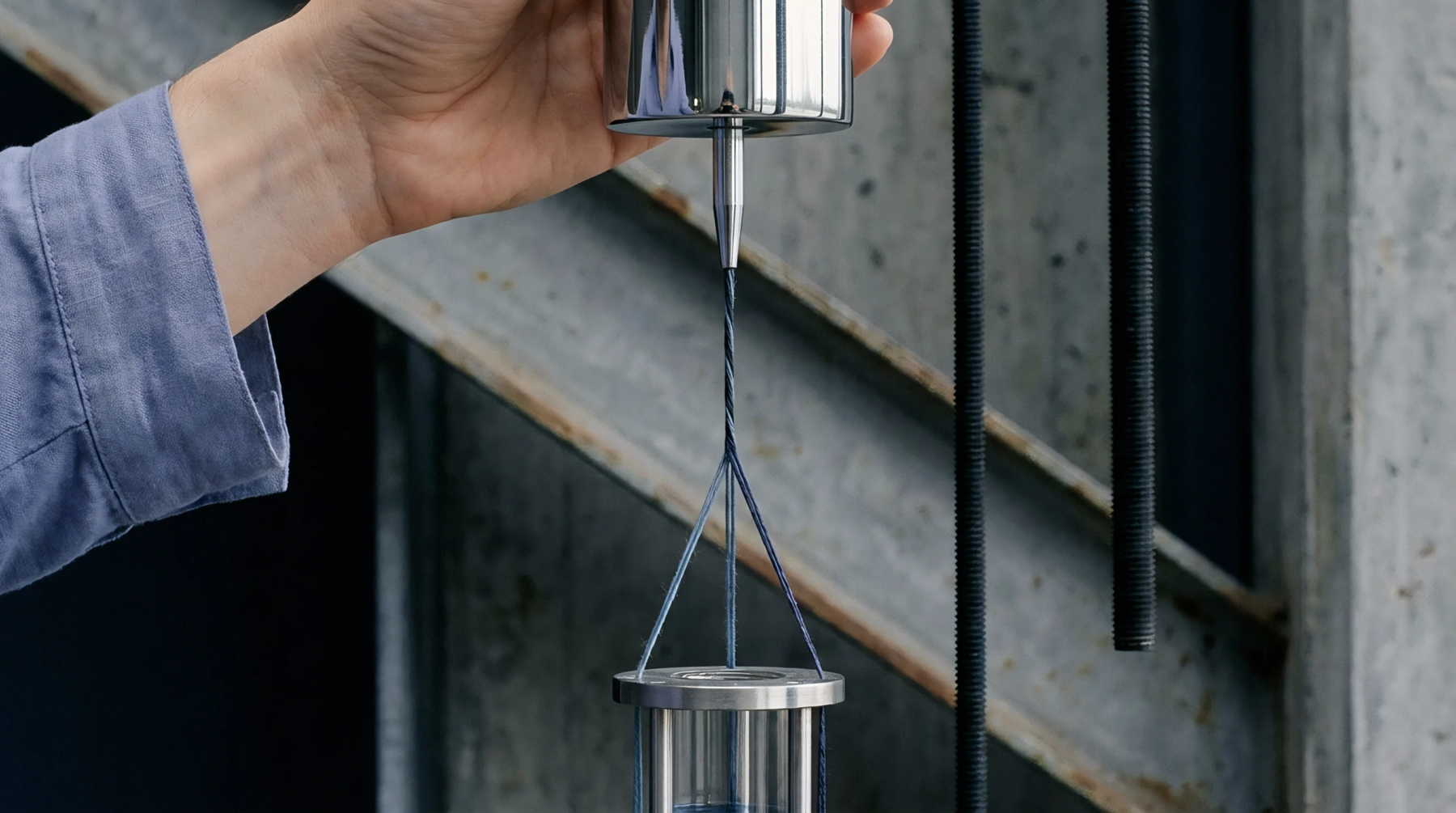
Laboratory technicians record relative humidity levels inside the spinning frame room on daily shift logs. A standard laboratory test certificate documents the resulting linear density of the yarn alongside twist per meter values.
Quality Grading
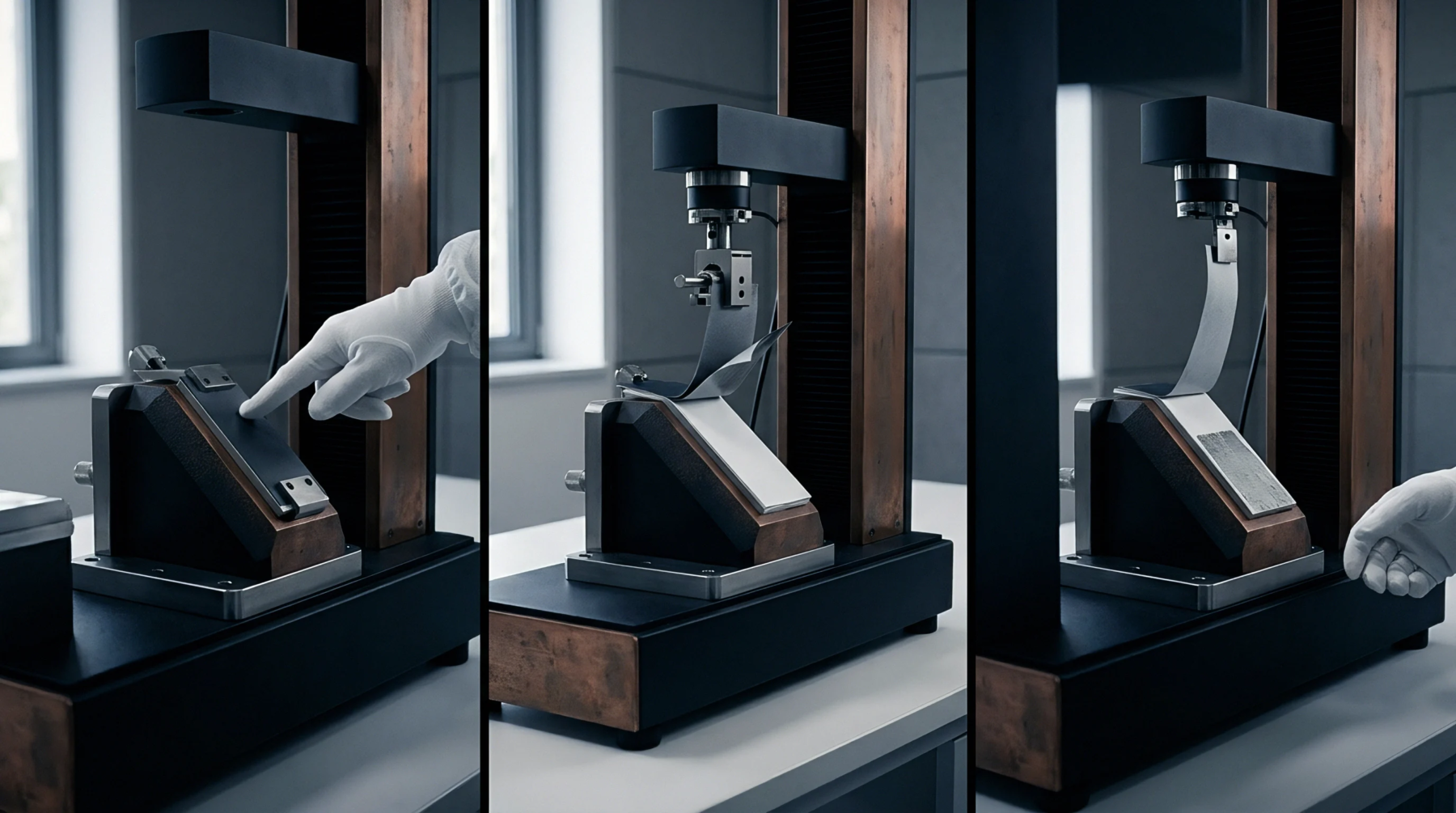
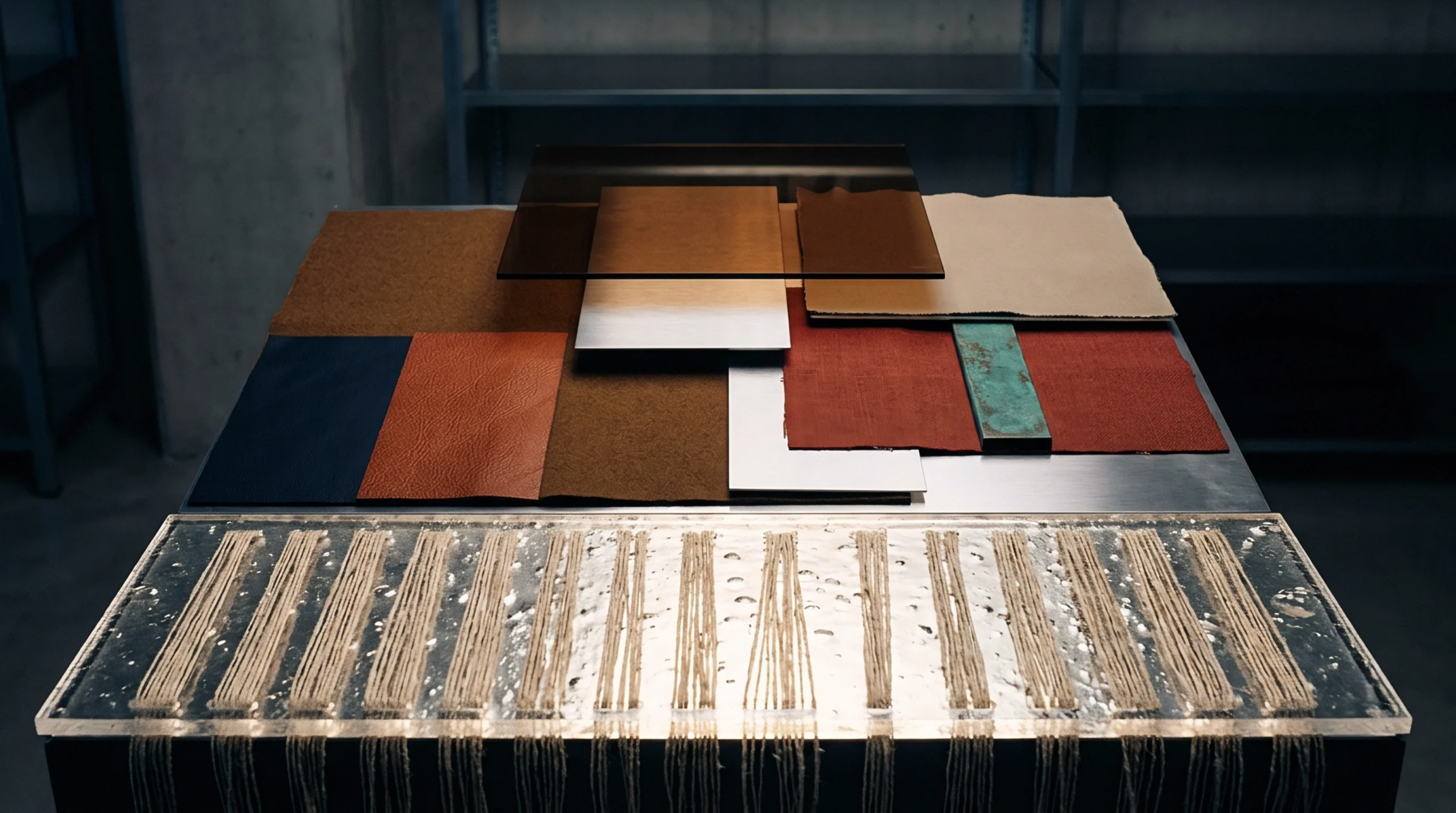
Physical parameters separate fine count yarns from coarse industrial grades during post-spinning inspection phases. Wet spun linen achieves superior tensile strength ratings compared to dry spun alternatives because moisture activation packs cellulose microfibrils densely together within the cylindrical yarn structure. Inspectors evaluate yarn hairiness metrics against commercial acceptance thresholds established by export buyers rather than internal mill preferences.
Final fabric inspection reports distinguish yarn irregularity percentages from weaving defect classifications before bales receive export clearance documentation.
Mill Standard
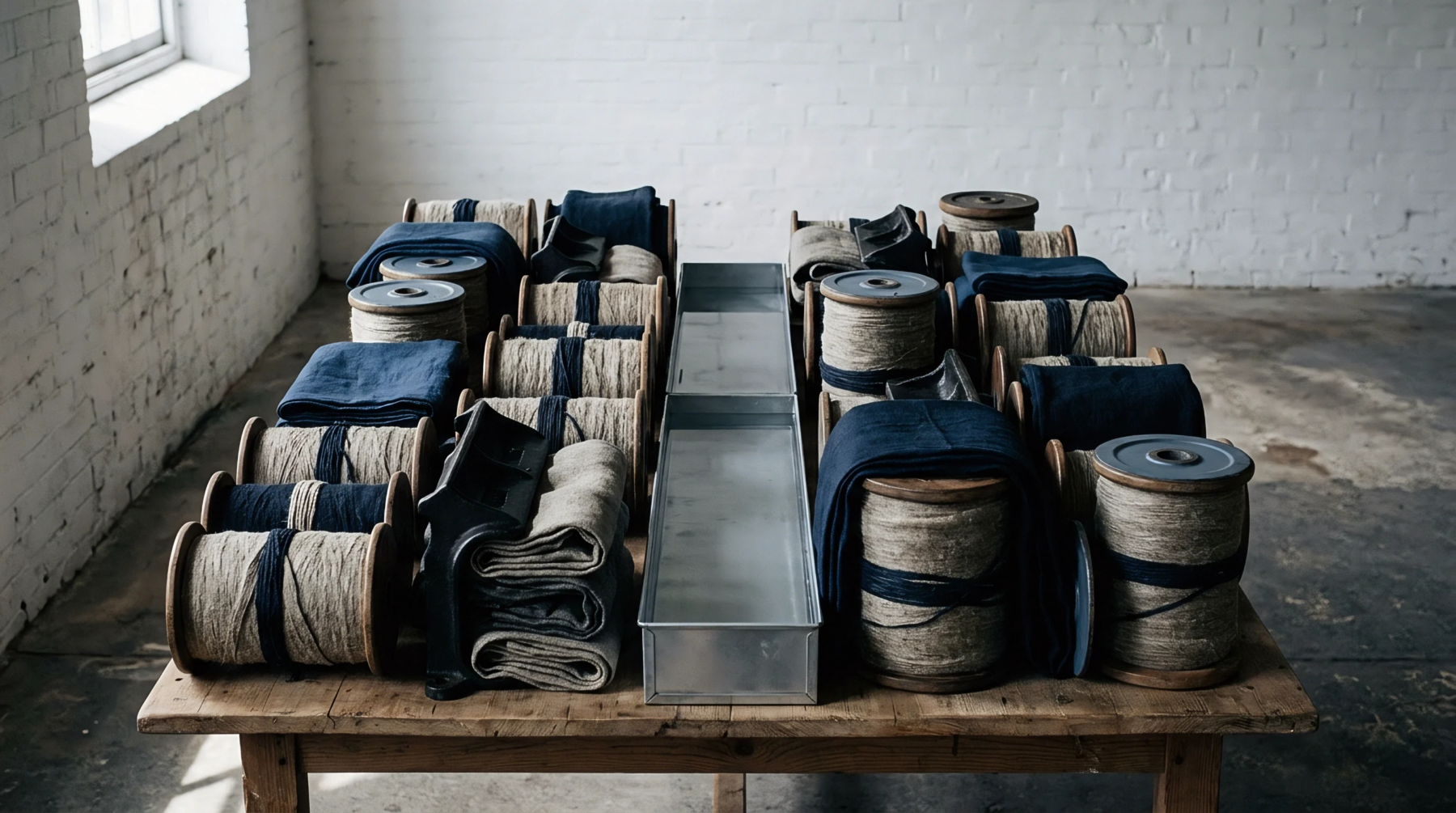
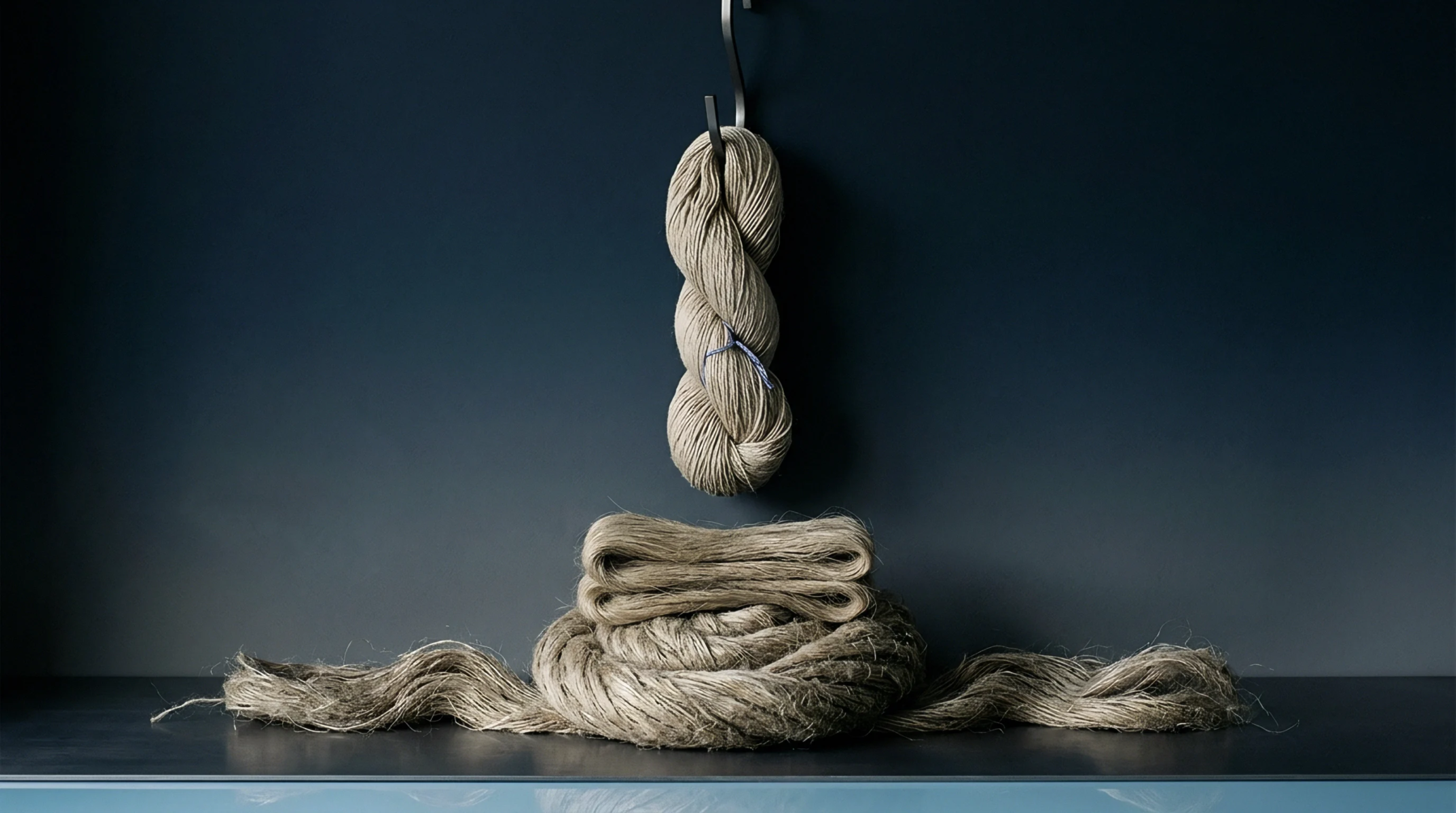
Technical specifications established by production supervisors govern every operational parameter from roving preparation to final bobbin packaging. Wet spun linen production depends upon strict adherence to bath residence times and drafting roller pressures to prevent filament breakage. Purchasing agents evaluate raw flax fiber quality against moisture content benchmarks recorded in the incoming material inspection ledger.
Export documentation references these standardized mill parameters to verify compliance with international textile trade agreements.