Filament Count
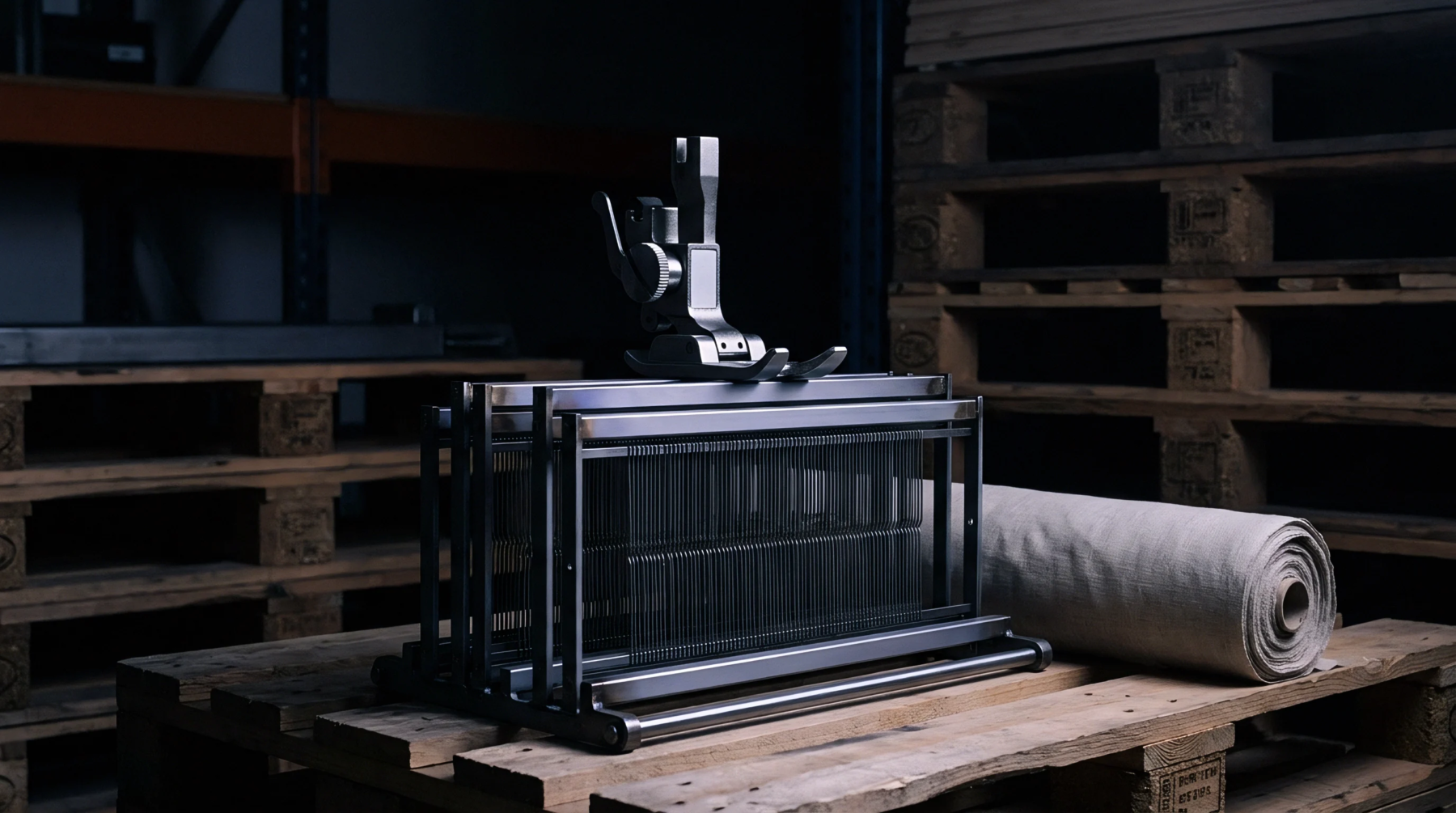
The physical density of warp threads within a woven flax fabric dictates the eventual tear strength and drape characteristics of commercial linen goods. Mill operators adjust warp density during the loom setup phase to control the count of longitudinal yarns per centimetre of reed width. This metric establishes the structural rigidity of the unbleached cloth before wet finishing operations commence on the production floor.
Handlers calculate the target value from the spinning mill batch sheet and cross-reference the count against the buyer acceptance criteria specified in the export order contract. Higher thread counts demand superior tensile strength from the underlying flax fibre grade to prevent yarn breakage under the repetitive cyclic tension of the high speed shuttle. Lower counts permit the use of shorter staple flax fibres because the reduced friction between adjacent yarns places less mechanical stress on the individual filaments during the beating motion of the loom.
Production supervisors record the final measured density on the mill inspection certificate that accompanies each master roll through the dye house and into the final folding department for commercial grading.
Tension Stress
Machine operators regulate the mechanical load applied to the longitudinal yarn sheet to maintain uniform spacing across the entire width of the commercial loom. Excessive tension during the sizing stage causes brittle flax yarns to snap prematurely, leading to costly production halts and visible reed marks in the finished linen goods. Operators mitigate this risk by monitoring the moisture content of the sized yarn batch before the material enters the drying cylinders ahead of the shedding mechanisms.
Insufficient tension produces slack yarns that tangle during heddle movement, creating irregular gaps in the cloth structure and causing the final fabric grade to drop below the commercial threshold agreed upon in the purchase agreement. Technicians calibrate the tension sensors twice daily against standard weights to ensure consistent output across different batches of retted flax fibre.
Batch Variance
Variations in natural flax fibre thickness necessitate continuous recalibration of the loom settings to preserve the specified density of the longitudinal yarn array throughout long production runs. Raw flax supplied from agricultural harvesting regions exhibits inherent diameter fluctuations due to local weather conditions and retting duration, requiring mill staff to measure yarn count prior to beam preparation. Technicians adjust the reed denting pattern and the warp beam braking force to compensate for thicker yarn segments without altering the final cloth dimensions recorded in the technical specification document.
Quality control inspectors verify the finished fabric against the mill master sample by counting yarns under a magnifying glass across multiple random points along the master roll.