Automatic Looms
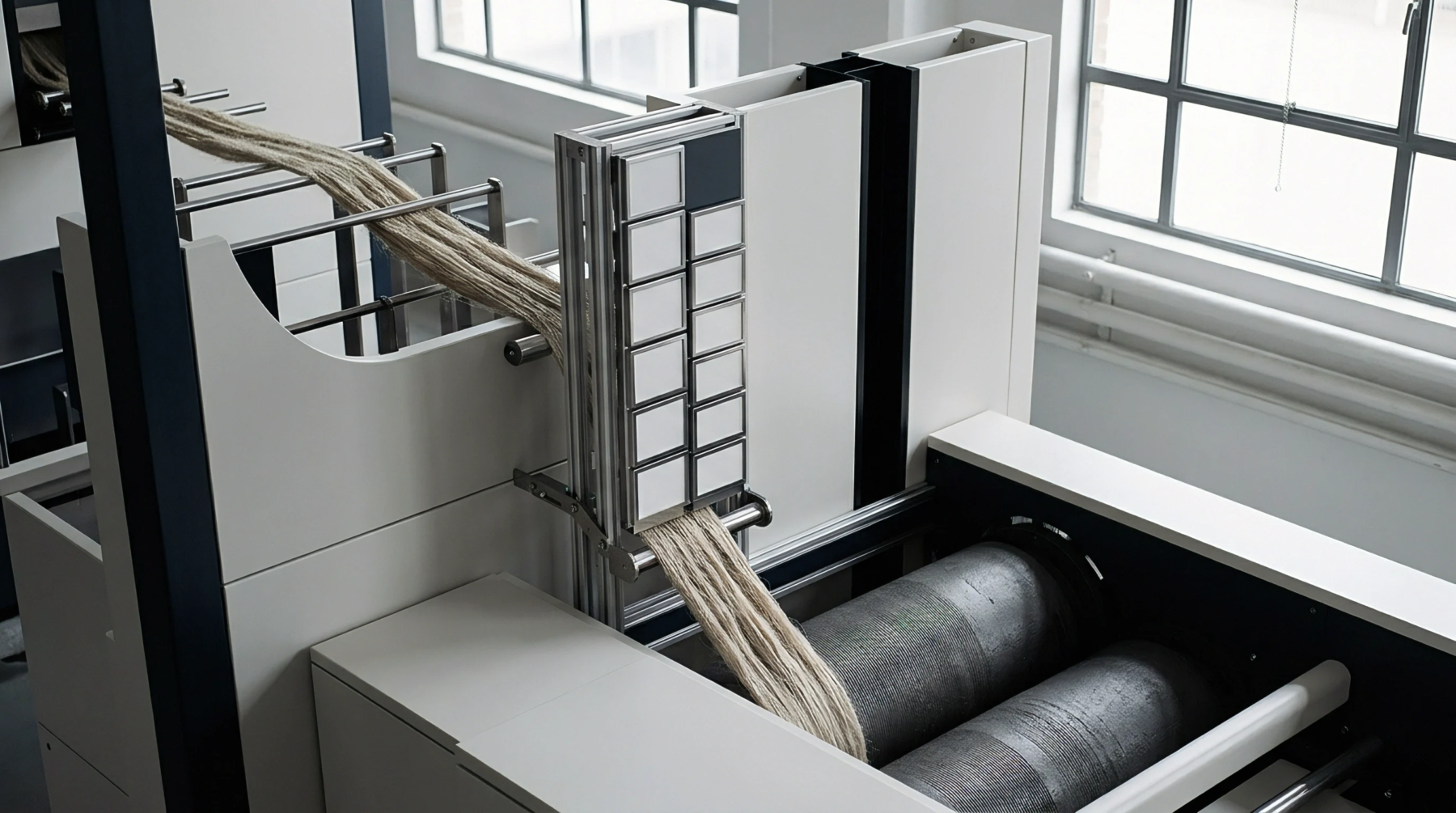
Mechanical interruption mechanism halts the operation of a textile machinery assembly instantly whenever a single vertical strand breaks during high speed production inside a Chinese flax spinning mill. Such warp stop motion protects the woven fabric structure from missing yarns and severe reed damage by dropping an electrical contact wire onto a rotating bar to complete a circuit when tension disappears. Technicians calibrate the drop wires according to the linear density of the flax yarn and the reed count specified in the production order documentation.
Heavier yarns demand heavier drop wires to prevent false trips caused by natural vibration, whereas finer linen counts require delicate lamellas that slide freely without abrading adjacent filaments. Production supervisors record the frequency of these mechanical activations in the daily mill log to monitor yarn quality before the cloth reaches the final export inspection stage.
Circuit Activation
Electrical contact occurs when the absence of upward tension allows a metallic lamella to fall between two parallel serrated bars positioned beneath the yarn sheet. Continuous electrical current flows through the closed loop to trigger an electromagnetic brake on the drive motor, stopping the shuttle trajectory or rapier insertion before a defect forms in the grey cloth. Mill engineers test this electrical continuity monthly to prevent corrosion buildup from blocking the low voltage signal during continuous wet spinning and dry weaving shifts.
Fabric Grade
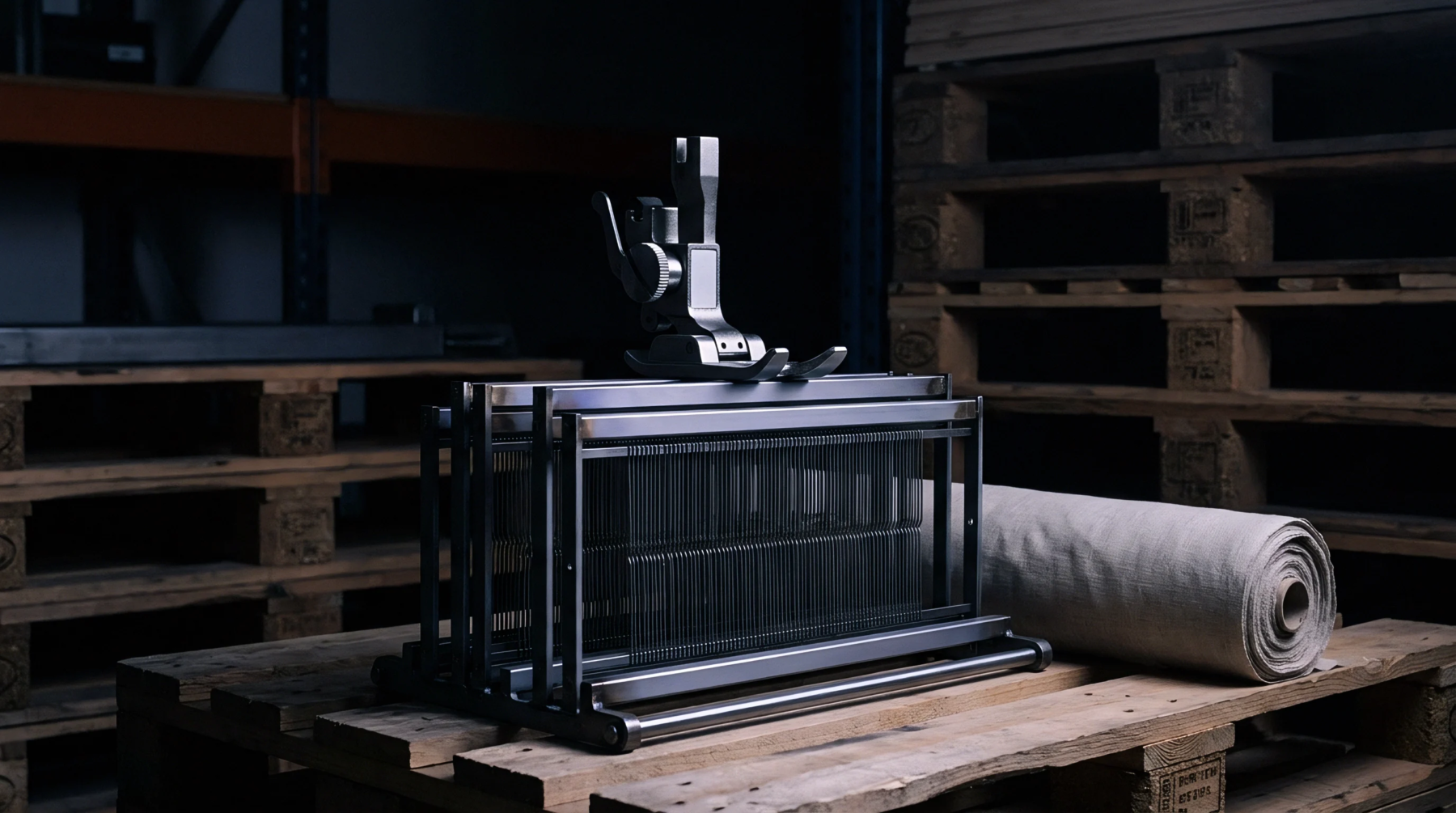
Quality classification of the finished linen relies heavily on the absence of warp breaks that escaped immediate detection and correction during the initial mechanical shedding phase. Export auditors compare the woven surface against the buyer acceptance criteria rather than the internal mill standard, grading the material down if missing ends create longitudinal gaps in the textile matrix. Finished flax rolls that pass this final audit receive certification for international shipment, while substandard batches remain in the domestic inventory for reprocessing.