
Evaluating Bast Fibre Splitting and Fineness Distribution in Scutched Flax
Scutched flax splitting efficiency directly dictates wet-spinning count limits by controlling the distribution of technical bundle diameters prior to roving draft.
Scutched flax splitting efficiency directly dictates wet-spinning count limits by controlling the distribution of technical bundle diameters prior to roving draft.

Digital cross-section area calibration requires dynamic edge thresholding to prevent fineness errors that distort spinnable yarn count limits.

Hackling yield directly establishes net fiber input costs, where a one percent yield gain lowers landed yarn expense by over two percent per finished meter.

Raw flax grading requires correlating technical bundle fineness and retting pectin decay with hackling yields to establish wet spinning count limits.
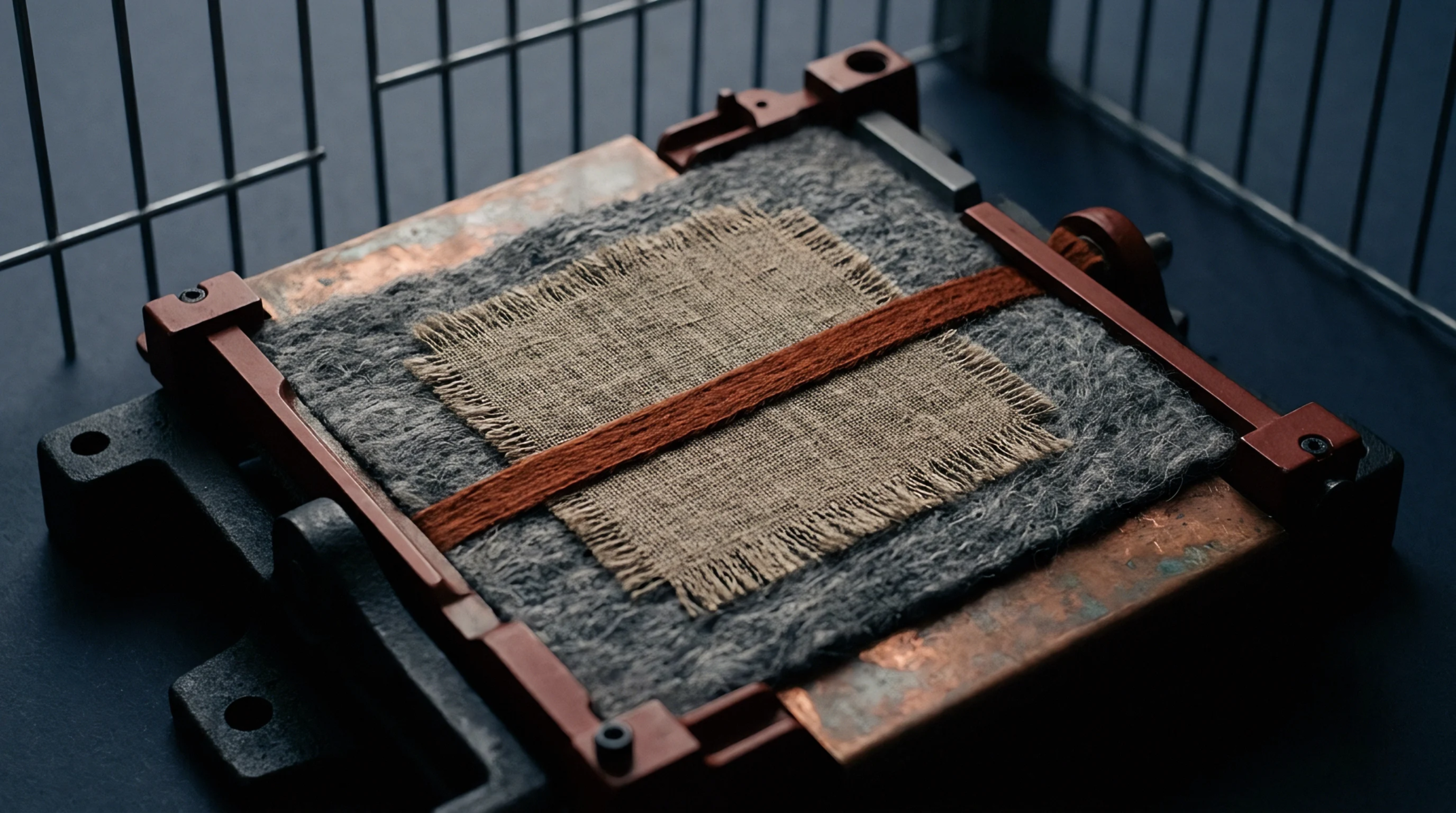
Differentiating line from tow flax in ambiguous quotes requires verifying staple length over 500 mm, shive below 3%, and hackling yields above 50% by contract.
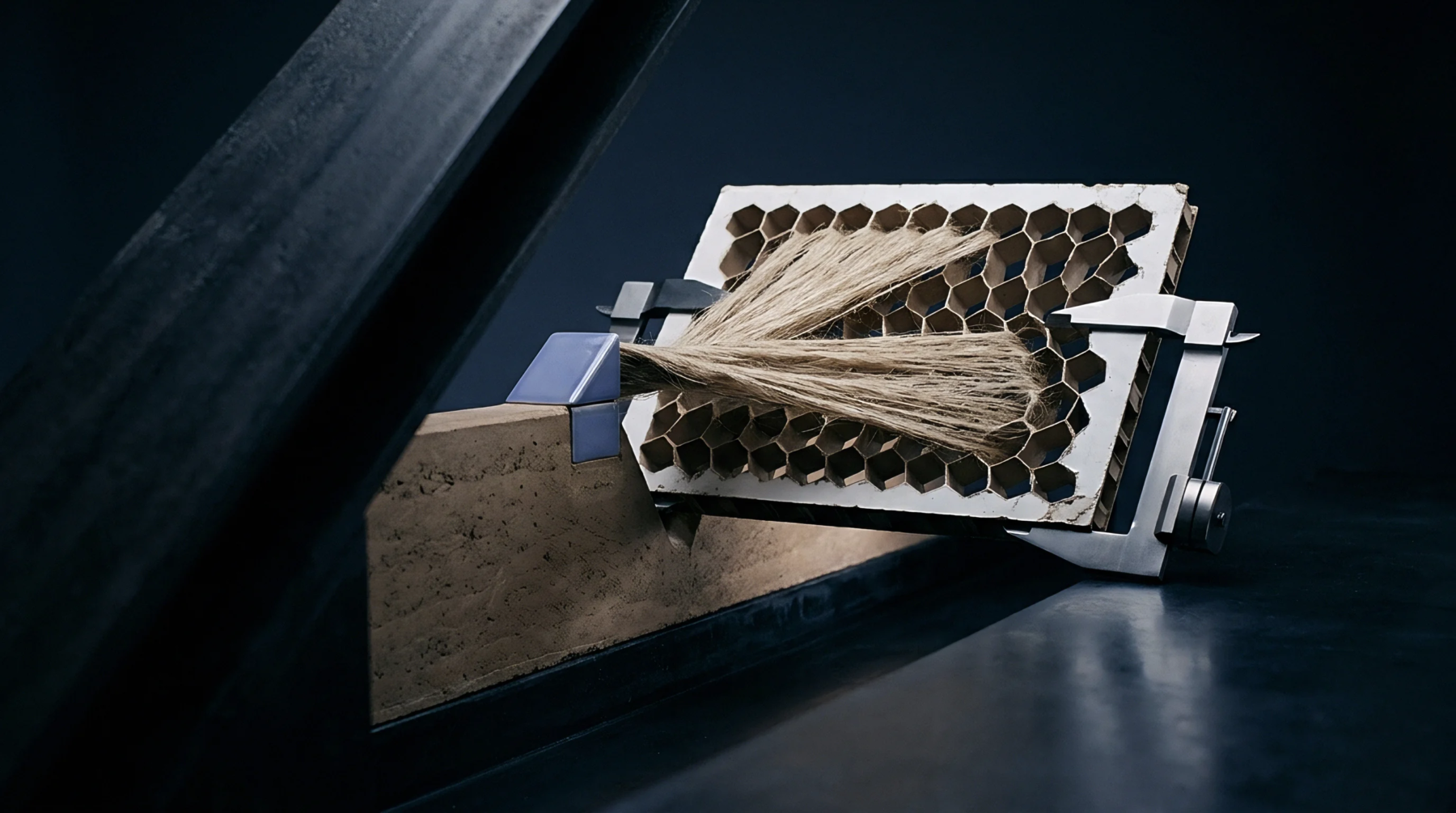
Narrow crystallite orientation dispersion below 14 degrees FWHM maximizes wet spinning yields and fine count limit up to Nm 60 in long staple flax.

Controlled pectin removal enables clean bundle cleavage, elevating metric fibre fineness above Nm 2000 while maintaining long line yield above 60 percent.

Residual pectin levels below 1.5 percent dictate successful wet spinning of fine flax yarns above Nm 40 without elevated end breakage rates.
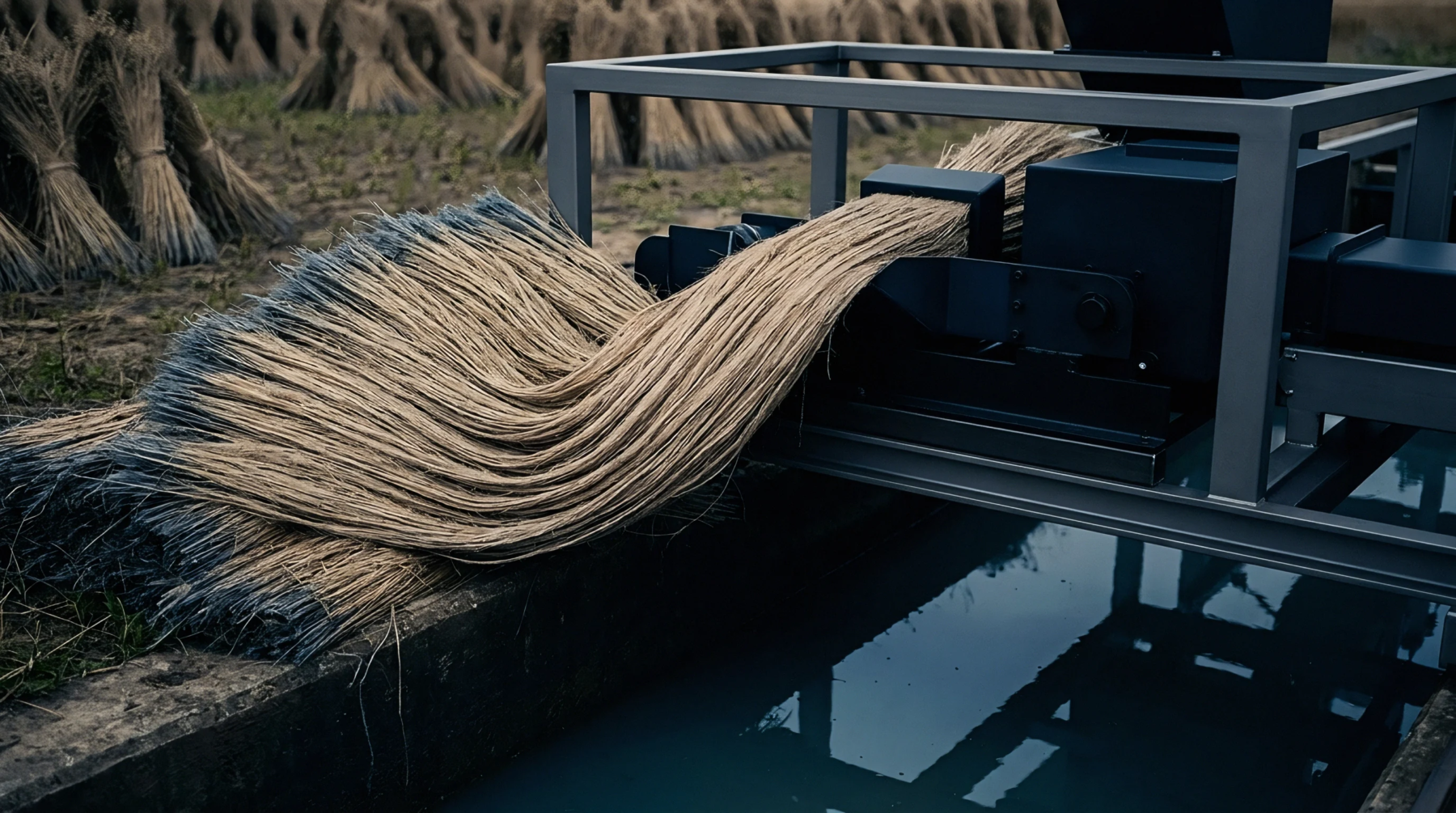
Spectrophotometric galacturonic acid assays overestimate retting degree unless corrected for neutral sugar and phenolic background interference.

Resolving gravimetric fineness disputes requires ISO 2370 extraction standards, n=50 bundle sample sizes, and contracted metric number tolerance bands.

Selective pectin degradation paired with tuned hackling pin density maximizes fibre bundle separation while retaining staple length for fine wet spinning.

Flax fibre grading determines spinnable yarn count, where hackling yield and fibre fineness dictate wet-spinning efficiency and landed cost per metre.

Evaluating wet-spun flax sliver linear density requires combining ten-metre cut-and-weigh gravimetric tests with conditioned capacitance spectrogram analysis.

Hackling yield calculations convert scutched line flax mass into spinnable sliver through precise moisture regain corrections and mechanical tow loss balancing.

Metric fibre number defines wet-spun line yarn limits by establishing the minimum cross-sectional elementary fibre count required to sustain drafting tension.

Metric fibre number claims require ISO 2370 gravimetric verification because airflow instruments skew up to fifteen percent across retting types and moisture regains.
Expertise is a utility, not a secret. sentiention™ publishes its working knowledge as open reference: intelligence layer covering the materials it sources, the markets it enters, and the reference that serves both.