Standard Specification
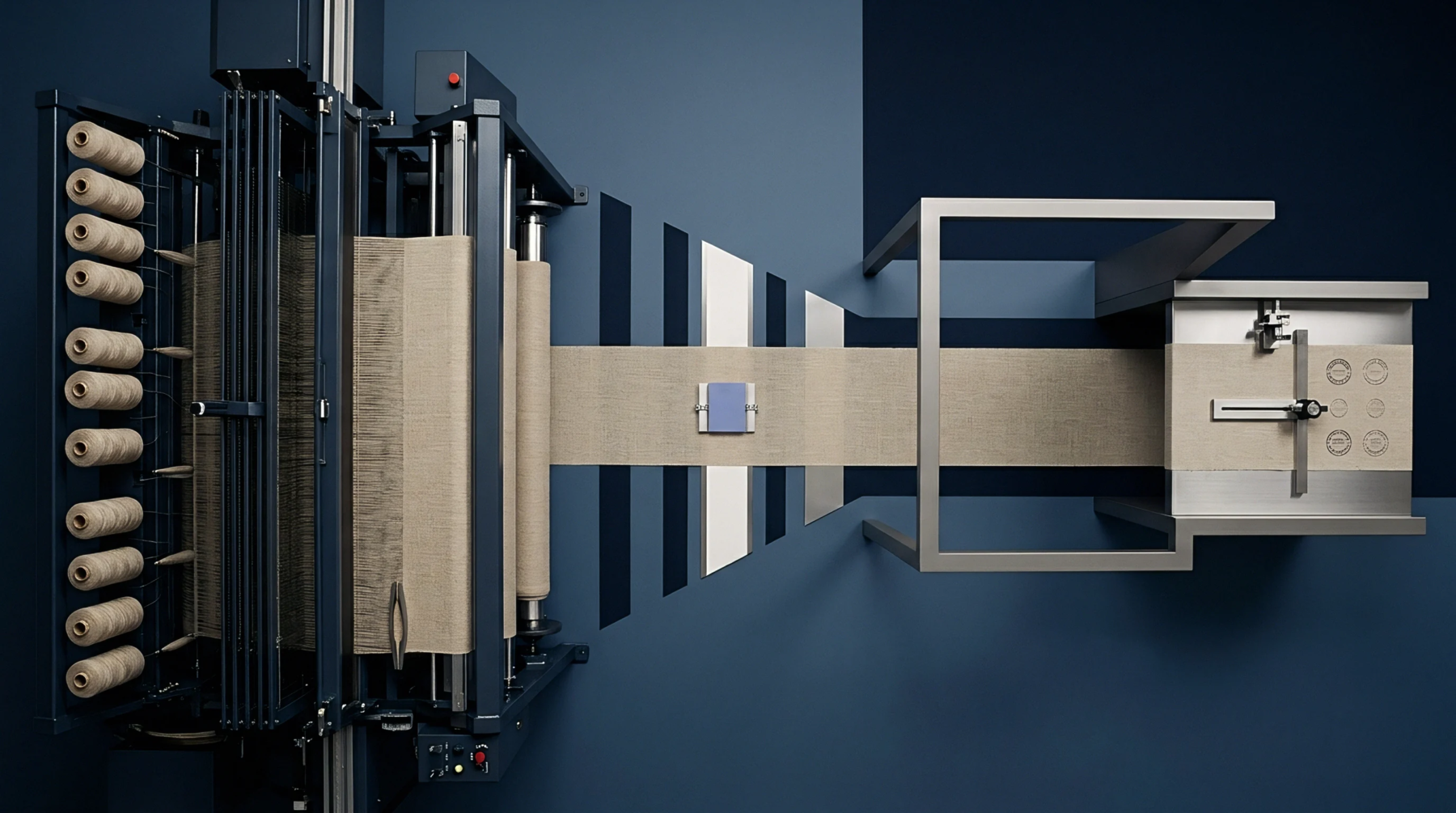
Tensile strength testing of woven textiles is conducted according to international protocols that define the strip method for measuring maximum force. The standard iso 13934 1 governs the preparation and elongation of fabric specimens under a constant rate of extension. Laboratory technicians use this protocol to evaluate both the warp and weft directions of finished linen fabrics.
Compliance ensures that the fabric meets the durability requirements specified in commercial purchasing contracts.
Testing Procedure
Specimen preparation requires cutting fabric strips to precise dimensions and preconditioning them in a standard atmosphere of sixty-five percent relative humidity and twenty degrees Celsius. When executing iso 13934 1, five strips from each fabric direction are secured in the pneumatic clamps of a calibrated tensile testing machine and pulled until rupture occurs. The testing apparatus records both the breaking force in newtons and the elongation percentage at maximum force.
This procedure must be executed with identical tension settings and jaw alignment to generate comparable test results.
Quality Assurance
Applying this test standard allows mills to verify that their weaving settings produce robust fabrics. Heavyweight linen fabrics used for upholstery require higher tensile strength than lightweight apparel fabrics. Weaving mills use the test data to adjust warp yarn tension and pick density.
Standardized testing protects the manufacturer against product liability claims.