Standard Regain Testing Protocols for Importing Scutched Line Flax Fibres
Core oven drying per ISO 6741 fixes official commercial mass at 12.00% regain, protecting import margins against ocean freight transit moisture gain.
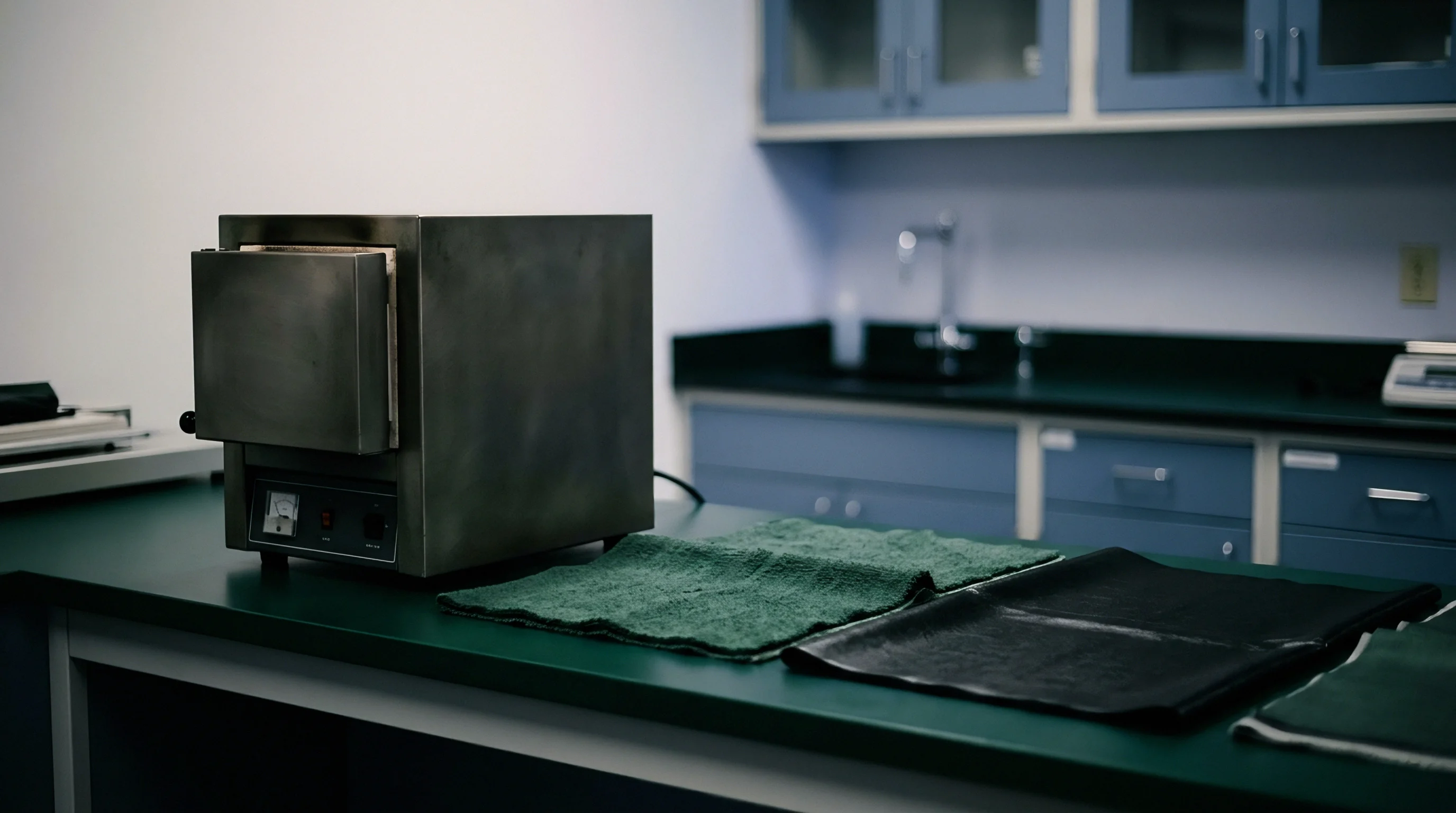
Oven
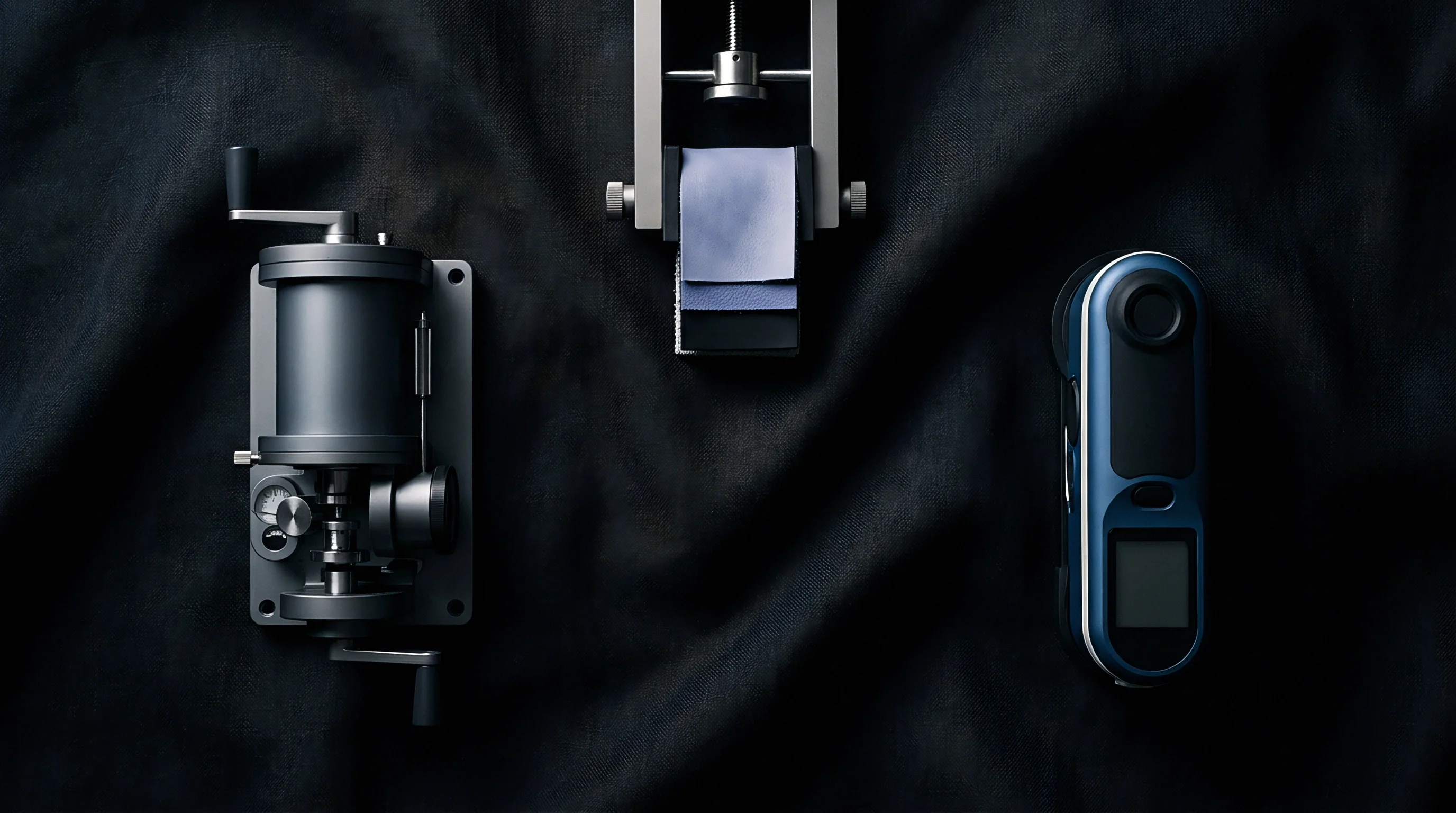
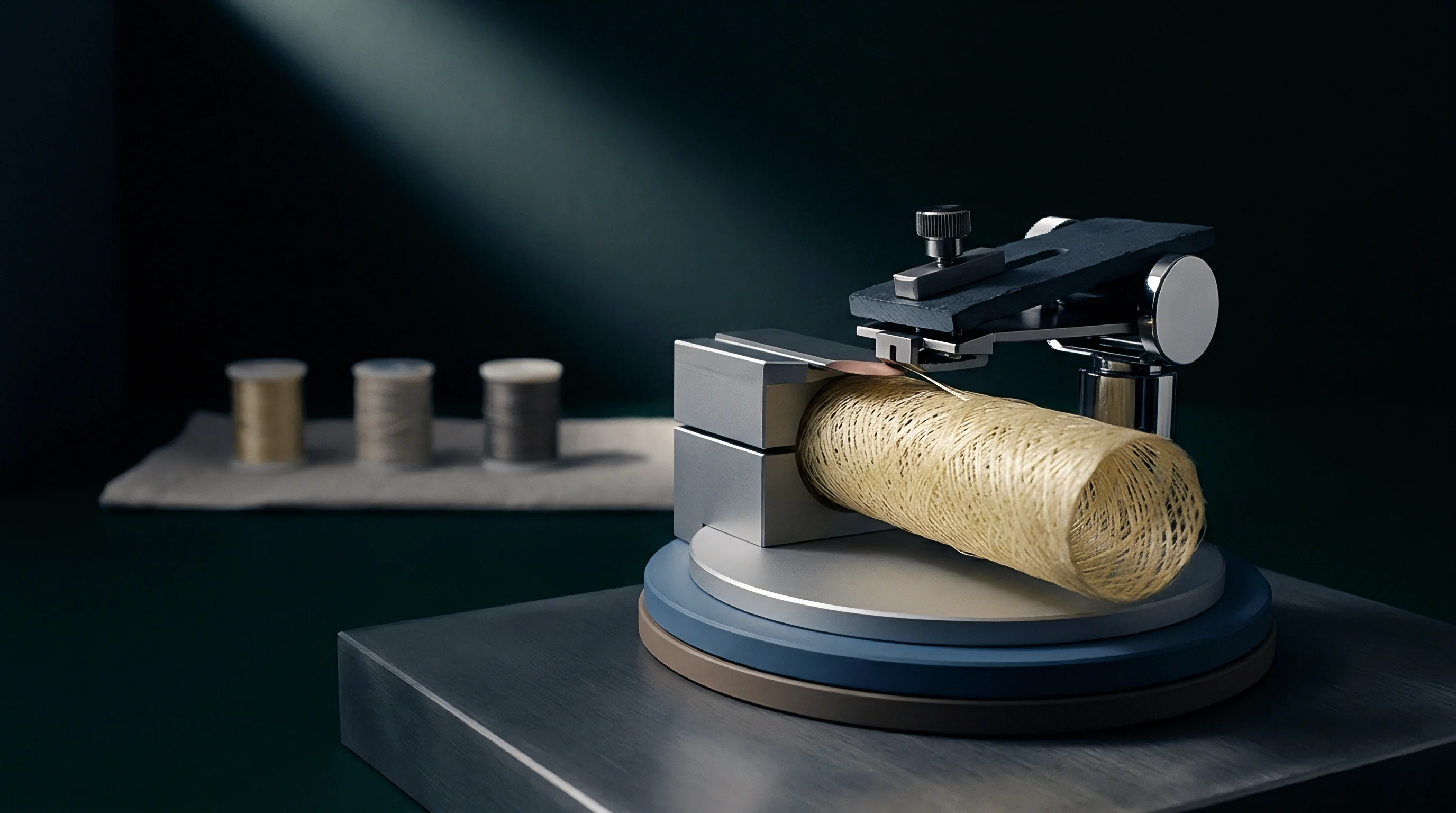
Primary gravimetric moisture testing on imported scutched line flax establishes the final billable weight and confirms contract terms before processing starts. International agreements for long-staple flax stricks set an official commercial regain rate of 12.00 percent on an oven-dry basis under ISO 6741-1. Upon container arrival at port, representative core samples are pulled from dense bales, dried to constant mass at 105 °C, and used to calculate invoice adjustments against contractual allowances.

Primary Gravimetric Procedure and Standard Regain Rates
Trade standards define baseline moisture allowances for bast fibers to avoid billing disputes caused by humidity shifts during transit. Scutched line flax absorbs moisture readily because of its hydroxyl-rich cellulosic polymers and amorphous hemicellulose regions. During sea freight, a two percent change in ambient humidity can alter container weights by hundreds of kilograms.
Under ISO 6741-2, raw, retted flax stricks are thermally dried in the laboratory until all unbound water evaporates. The standard commercial regain rate of 12.00 percent corresponds to the natural moisture equilibrium of unspun flax in temperate climates, though some contracts specify 13.00 percent to account for residual retting oils, pectins, and natural waxes.
| Fibre Designation | Official Regain Rate (%) | Test Standard | Commercial Allowance Boundary |
|---|---|---|---|
| Scutched Line Flax (Cleaned) | 12.00 | ISO 6741-1 | Standard trade commercial mass calculations |
| Scutched Line Flax (With Waxes) | 13.00 | ISO 6741-2 | Raw unwashed long-staple import contracts |
| Flax Tow (Scutched / Carded) | 12.50 | ISO 6741-1 | Short-staple byproduct invoice settlement |
| Cottonised Flax Fibre | 8.50 | ISO 6741-3 | Rotor spinning and synthetic blend lines |
| Raw Hemp Fibre | 12.00 | ISO 6741-1 | Industrial technical textile grades |

Forced Draught Oven Parameters and Mass Constancy
Drying specimens at elevated temperatures drives off unbound moisture without breaking down non-cellulosic compounds. The forced-air thermal cabinet is held at 105 °C ± 2 °C with steady airflow to sweep out vapor. Technicians weigh sample bundles of 50 grams to 100 grams immediately after sampling using balances accurate to 0.001 grams, continuing heat exposure until successive weighings 15 minutes apart vary by less than 0.05 percent of sample mass.
Quick handling prevents moisture regain during transfers, and hot dried bundles cool in airtight glass desiccators over active silica gel before the final weighing.
A target drying temperature of 105 °C ± 2 °C removes volatile moisture without scorching the natural waxes or lignified pectin matrix of scutched line flax stricks.
Calculating moisture regain involves dividing the weight of evaporated water by the final dry fiber mass and multiplying by 100. A 100.00 gram sample that dries to 89.28 grams has an actual regain of 12.01 percent. When samples contain significant shive or heavy bark remnants, water trapped in the dense woody cell walls slows evaporation, pushing total oven drying time beyond three hours.
Purchase agreements commonly adopt CELC Clause 14, making certified laboratory moisture test reports binding over seller bill of lading weights during final settlement.


Sampling
Obtaining clean samples from containerized shipments requires core sampling to account for moisture variations across compressed bales. Moisture migrates during sea freight, often leaving wet outer layers and dry interiors in dense 200-kilogram packages of scutched line flax. Samples are drawn using motorized tubes or manual bayonet drills that penetrate to the bale center without distorting fiber alignment.

Core Probe Density and Bale Extraction Patterns
Sampling protocols follow ISO 5089 standards for raw textile fibers. Technicians sample at least the square root of the total bale count per container, distributing picks across different positions in the load. The probe enters perpendicular to the compressed fiber layers, extracting a continuous core from the outer surface to the center.
Blending cores from top, middle, and bottom tiers creates a composite 500-gram sample representative of the whole shipment.
- Surface layer picking ~ Pulling stricks from exposed bale outer boundaries captures transient ambient humidity instead of true core equilibrium.
- Unsealed container transport ~ Storing loose fiber test specimens in porous polyethylene sacks allows rapid desorption during transit to the laboratory bench.
- Delayed weighing routines ~ Leaving hot test specimens exposed to room air outside desiccators causes rapid regain before recording dry mass figures.
- Non-representative lot division ~ Sampling from fewer than ten percent of imported containers masks spatial moisture gradients formed during ocean freight.

Moisture Barrier Storage and Transport Integrity
Protecting extracted core samples from ambient air maintains specimen integrity between the port and the laboratory. Cores are sealed immediately upon withdrawal in heavy-duty aluminum foil laminated bags, with excess air pressed out before heat-sealing. Each bag is marked with a tamper-evident barcode label recording container numbers, harvest lot origin, bale indices, and the exact sampling timestamp.
Sampling stricks from the dense interior core of a compressed bale prevents ambient port air from corrupting import moisture data.
Relying on surface pulls rather than full core sampling exposes buyers to paying long-staple fiber prices for trapped moisture accumulated during ocean transport.


Equilibrium
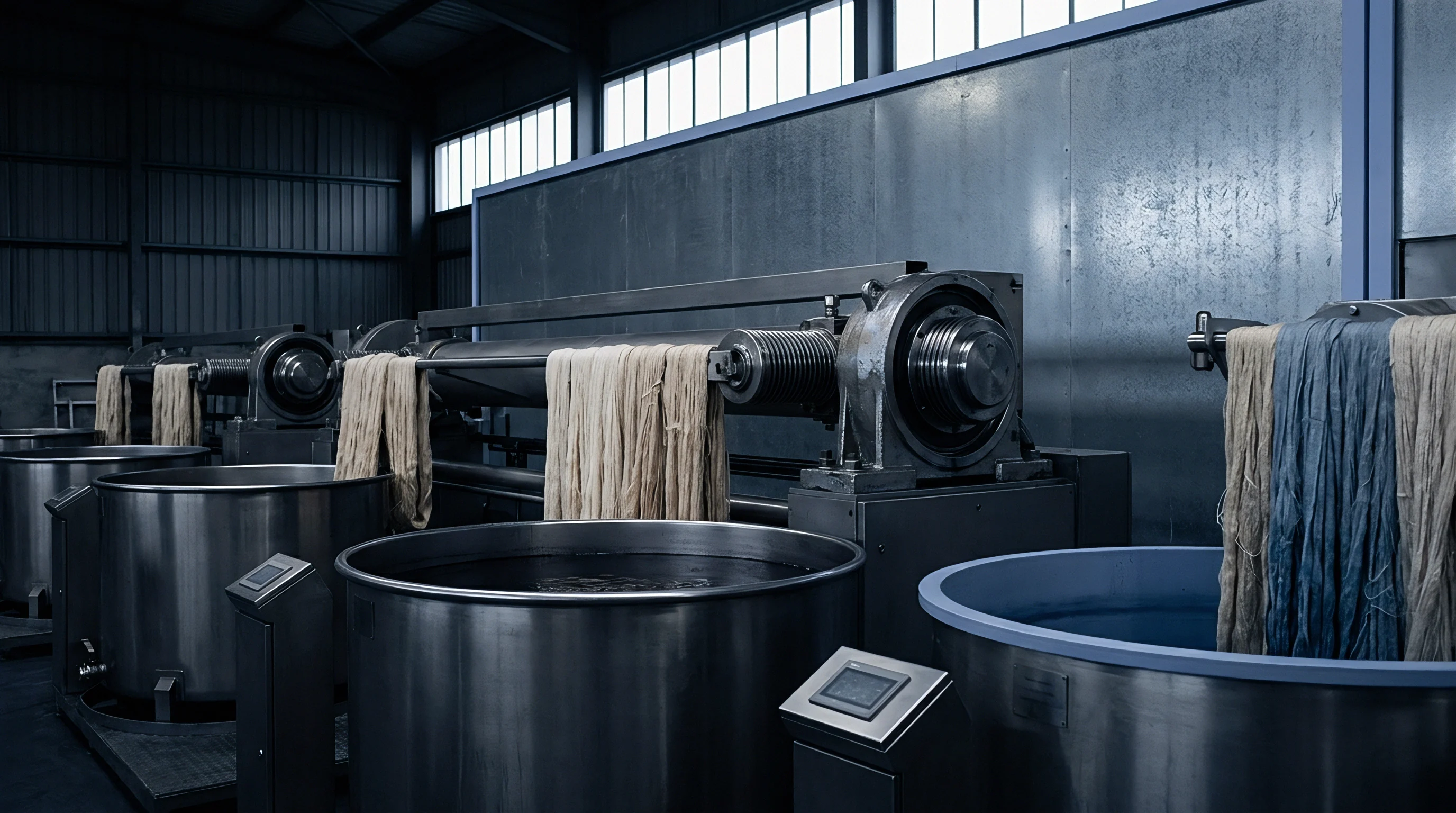
Cellulosic bast fibers naturally reach moisture equilibrium with the ambient temperature and relative humidity. Scutched line flax exhibits hysteresis: at identical relative humidity, it retains higher moisture when losing water from a saturated state than when absorbing it from a dry state. Accounting for this hysteresis is necessary in trade disputes where test results must be evaluated under standardized laboratory conditions.
Hygroscopic Behavior across Retting and Scutching States
The method of biological retting affects how readily moisture binds to hydroxyl sites in the flax stem. Dew-retted flax retains greater micro-porosity and pectous matter than water- or enzyme-retted fiber, giving it a higher sorption capacity at high relative humidity. Scutching strips away outer bark to expose inner technical fibers to the surrounding air.
Uncut long-staple line stricks dry more slowly than short carded tow because their dense, parallel arrangement restricts airflow through the bundle.
| Relative Humidity (%) | Adsorption Regain (%) | Desorption Regain (%) | Hysteresis Spread (%) |
|---|---|---|---|
| 30.0 | 5.20 | 6.10 | 0.90 |
| 45.0 | 7.10 | 8.30 | 1.20 |
| 65.0 (Standard) | 10.80 | 12.40 | 1.60 |
| 80.0 | 14.50 | 16.20 | 1.70 |
| 90.0 | 19.80 | 21.90 | 2.10 |

Standard Conditioning Atmosphere Requirements
Laboratories condition incoming fiber samples in chambers controlled at 20 °C ± 2 °C and 65 % ± 4 % relative humidity according to ISO 139. Pre-conditioning at 50 °C under low relative humidity shifts samples onto the adsorption curve, clearing previous moisture history before final testing. Stricks remain in the conditioning chamber for 24 hours until consecutive weighings confirm mass stability.
Pre-conditioning scutched line flax at a low relative humidity before final equilibration eliminates hysteresis discrepancies during trade arbitration.
A ten-degree increase in room temperature reduces equilibrium regain in flax by about 0.5 percent at a constant relative humidity.
Sensing
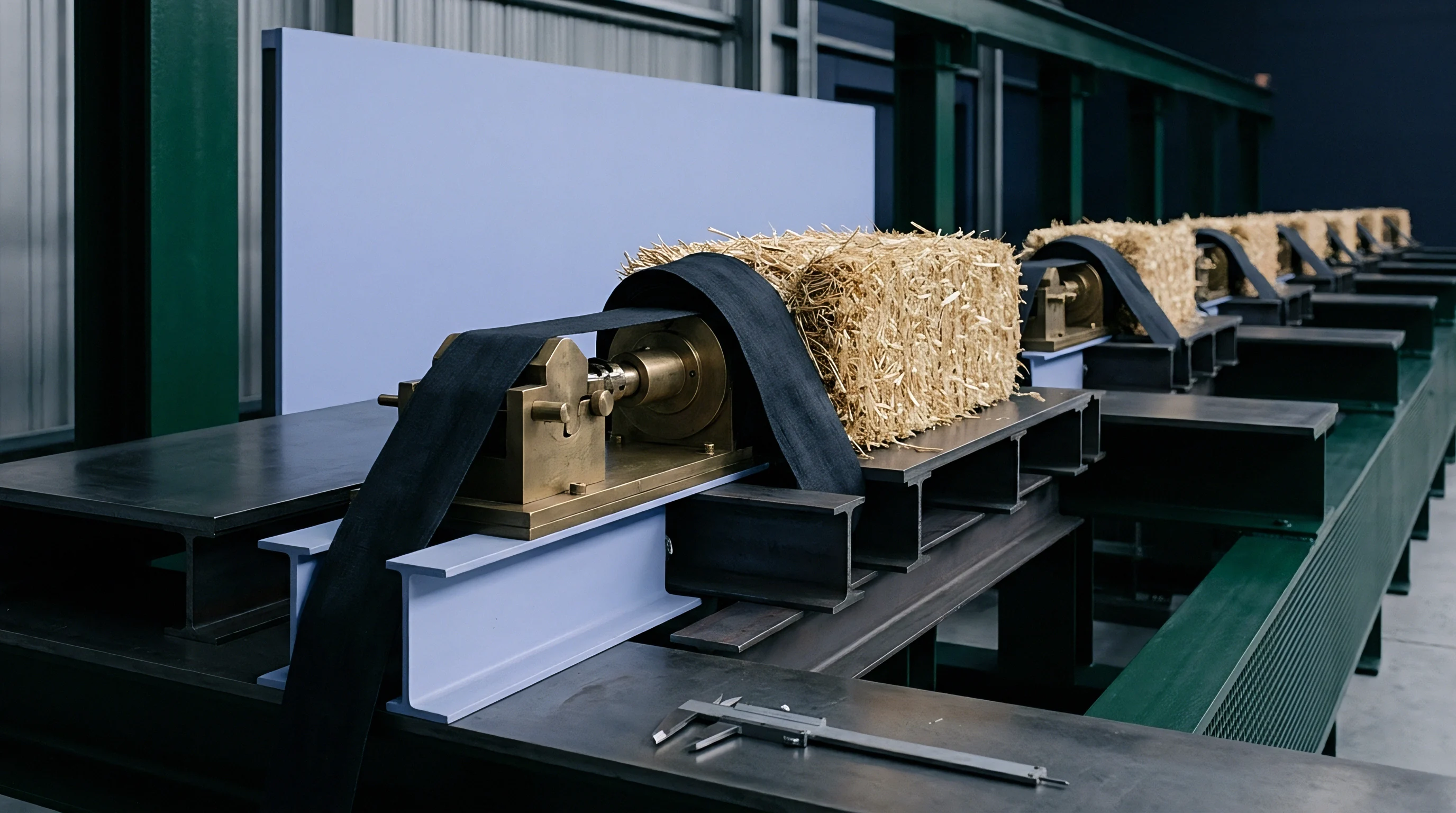
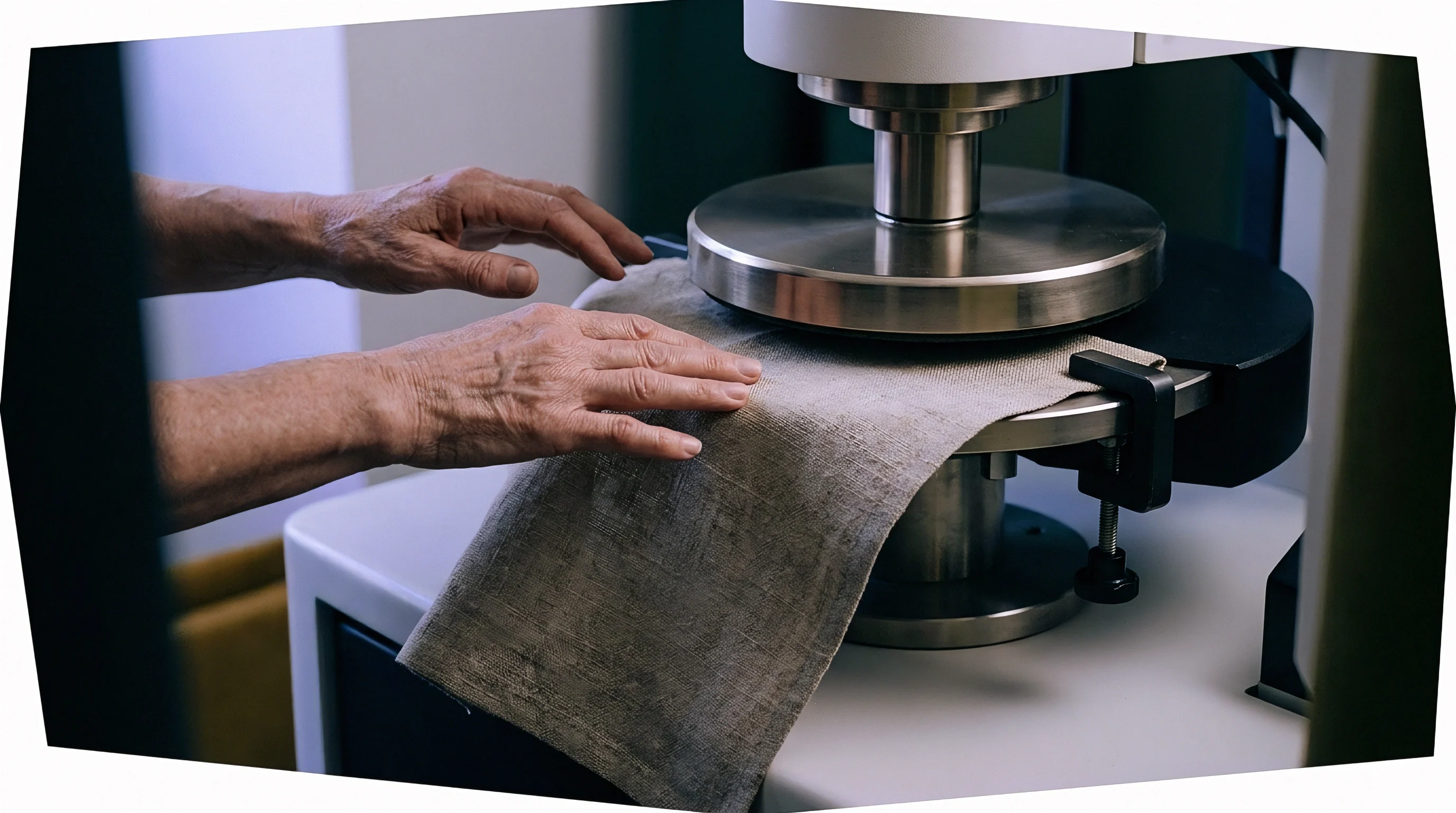
Rapid assessment tools offer quick moisture estimates at port terminals, complementing gravimetric oven methods. Electronic meters use high-frequency capacitance or dielectric impedance to measure water concentration inside dense bales without damaging the strick structure. Operators drive multi-pin steel electrodes into compressed bales to measure dielectric changes caused by polar water molecules.

Portable High Frequency Dielectric Meter Limits
Dielectric meters measure changes in electrical permittivity from water bound in the cellulosic matrix. Water has a dielectric constant around 80, compared to 3 to 4 for dry flax cellulose. Handheld units calculate moisture content from electrical signals passing between probe pins.
However, variation in insertion force changes core density around the pin tips, altering local electrical resistance and affecting readings on tightly strapped bales.
- Calibrate dielectric sensor heads against certified gravimetric oven specimens weekly.
- Measure ambient temperature inside container holds prior to probe insertion.
- Drive steel probe pins twenty centimeters into bale core cross sections.
- Record dielectric readings across eight distinct matrix positions per bale.
- Apply temperature and crop-origin correction factors to raw digital readouts.

Calibration Shift across Salt Load and Fiber Temperature
Dissolved salts and leftover retting chemicals change electrical conductivity in moist flax. Fiber grown in saline soils or retted in brackish water contains residual ions that can skew capacitive sensors, leading to inflated moisture readings. Warm bales arriving from tropical transit register higher moisture on electronic meters than cold bales due to increased ionic mobility in bound water, while high shive content further distorts readings.
Electronic pin-meter readings showing 14 percent moisture may reflect temporary thermal effects from container transit, though primary forced-air oven testing remains necessary to verify contract compliance.
Invoicing
Financial settlement for imported scutched line flax depends on converting gross landed weight to official commercial mass using regain test results. Settling invoices solely on port scale weights results in overpaying for water whenever transit humidity inflates shipment mass beyond contract baselines. Converting to commercial mass ensures payments match actual fiber yield.

Commercial Mass Formulas and Yield Mathematics
Trade contracts calculate commercial mass from gravimetric oven test results. The calculation determines dry mass by subtracting tested moisture, then adds back the contractual regain allowance.
The standard trade equation is expressed as:
Invoiced Commercial Mass = Landed Mass × (1 + Contractual Regain Rate) / (1 + Actual Tested Regain Rate)
For example, take a 20,000 kilogram shipment of scutched line flax priced at €4.50 per kilogram with a contract regain rate of 12.00 percent. If port sampling and oven drying establish an actual regain of 14.50 percent across the load:
Determining absolute dry mass:
Dry Mass = 20,000 kg / (1 + 0.1450) = 17,467.25 kg
Calculating official commercial mass:
Commercial Mass = 17,467.25 kg × (1 + 0.1200) = 19,563.32 kg
Mass adjustment calculation:
Weight Deduction = 20,000 kg – 19,563.32 kg = 436.68 kg
Financial impact calculation:
Debit Adjustment = 436.68 kg × €4.50 / kg = €1,965.06
| Tested Regain (%) | Landed Mass (kg) | Commercial Mass (kg) | Adjustment Mass (kg) | Invoice Adjustment (€) |
|---|---|---|---|---|
| 11.00 | 20,000 | 20,180.18 | +180.18 | +€810.81 |
| 12.00 (Target) | 20,000 | 20,000.00 | 0.00 | €0.00 |
| 13.00 | 20,000 | 19,823.01 | -176.99 | -€796.46 |
| 14.00 | 20,000 | 19,649.12 | -350.88 | -€1,578.96 |
| 15.00 | 20,000 | 19,478.26 | -521.74 | -€2,347.83 |

Contractual Allowances and Deadband Tolerances
Contracts usually define tolerance limits around the 12.00 percent target to avoid adjustments over minor moisture variations. A ±0.5 percent deadband allows shipments landing between 11.50 percent and 12.50 percent regain to settle at face invoice weight. Above 13.00 percent, progressive penalties kick in, shifting testing costs to the seller and applying direct price deductions.
- Regain percentage specification ~ Reference ISO 6741-1 commercial regain rates within the primary purchasing agreement to anchor weight adjustments.
- Tolerance threshold setting ~ Establish a deadband between 11.5 percent and 12.5 percent regain to prevent minor balance disputes.
- Lab designation authority ~ Select an accredited independent testing laboratory prior to vessel loading.
- Dispute notification timeline ~ Limit claim filings to fourteen calendar days post-arrival to freeze moisture migration arguments.
Buying water at the line fibre price destroys mill spinning margins before hackling begins.
How can import trade desks effectively hedge against seasonal moisture variations when buying scutched line flax from origins that lack certified humidity-controlled container loading facilities?

Arbitration
Formal claims over excessive moisture require strict protocol adherence, documented chain-of-custody sampling, and accredited neutral testing. Under CELC rules, international transactions call for joint inspection whenever delivered moisture exceeds contract deadbands. Arbitration panels routinely reject claims backed only by internal mill records or handheld meter readings.
Neutral Laboratory Verification Protocols
When buyers contest shipping weights, independent ISO/IEC 17025 accredited laboratories perform referee testing. Technicians unseal samples drawn jointly at port under the supervision of sworn surveyors. The lab runs duplicate forced-air oven drying tests on two 100-gram core specimens per ISO 6741-2, issuing a report with mean regain values, individual sample variances, atmospheric conditioning logs, and dry mass figures.
Referee results are binding on both parties and serve as technical evidence in legal proceedings.

Retain Sample Preservation and Chain of Custody
Maintaining sample identity prevents disputes over degradation or sample switching. Sealed retain packages in triple-laminated aluminum bags are stored in temperature-controlled vaults at 20 °C until settlement is complete. Chain-of-custody logs record surveyor signatures, container seal numbers, probe dimensions, and ambient conditions measured during port sampling.
Any compromise to seal integrity invalidates the sample for CELC arbitration.
Dispute resolution works best when purchase contracts include standard arbitration clauses referencing international testing standards. Importers protect themselves financially by linking final payment transfers to verified commercial mass reports from designated destination laboratories, sharing transit moisture risk across the supply chain.