
Forensic Microscopic Quantification of Chemical Degumming Residues
Forensic microscopy quantifies chemical degumming residues on bast fibers via cell wall swelling ratios, stereological grid counts, and reagent micro-staining.
Forensic microscopy quantifies chemical degumming residues on bast fibers via cell wall swelling ratios, stereological grid counts, and reagent micro-staining.

Cellulose microfibril angle dispersion drives transverse cell wall cleavage under pin shear, reducing dressed long line flax yield by up to 16 percentage points.

X-ray scattering and polarized Raman spectroscopy determine flax microfibril angles to project spinning performance and yarn tenacity.

High speed scutching and drafting shear cell wall microfibrils creating dislocations that lower yarn tenacity and trigger lot rejections under technical contracts.
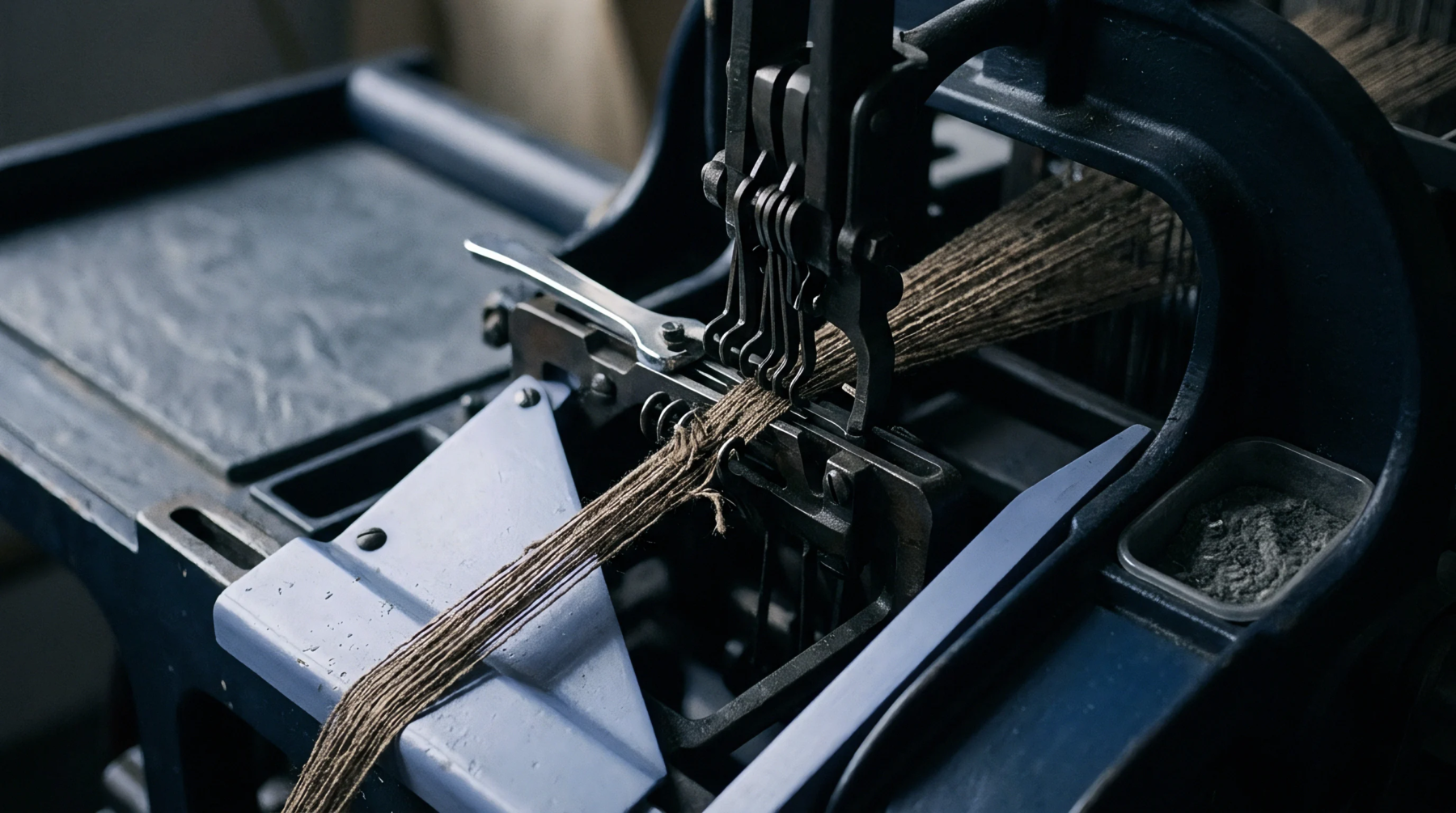
Non-European flax fiber substitution in transferred yarn stocks is capped at zero percent for pure European Flax and Masters of Linen claims.
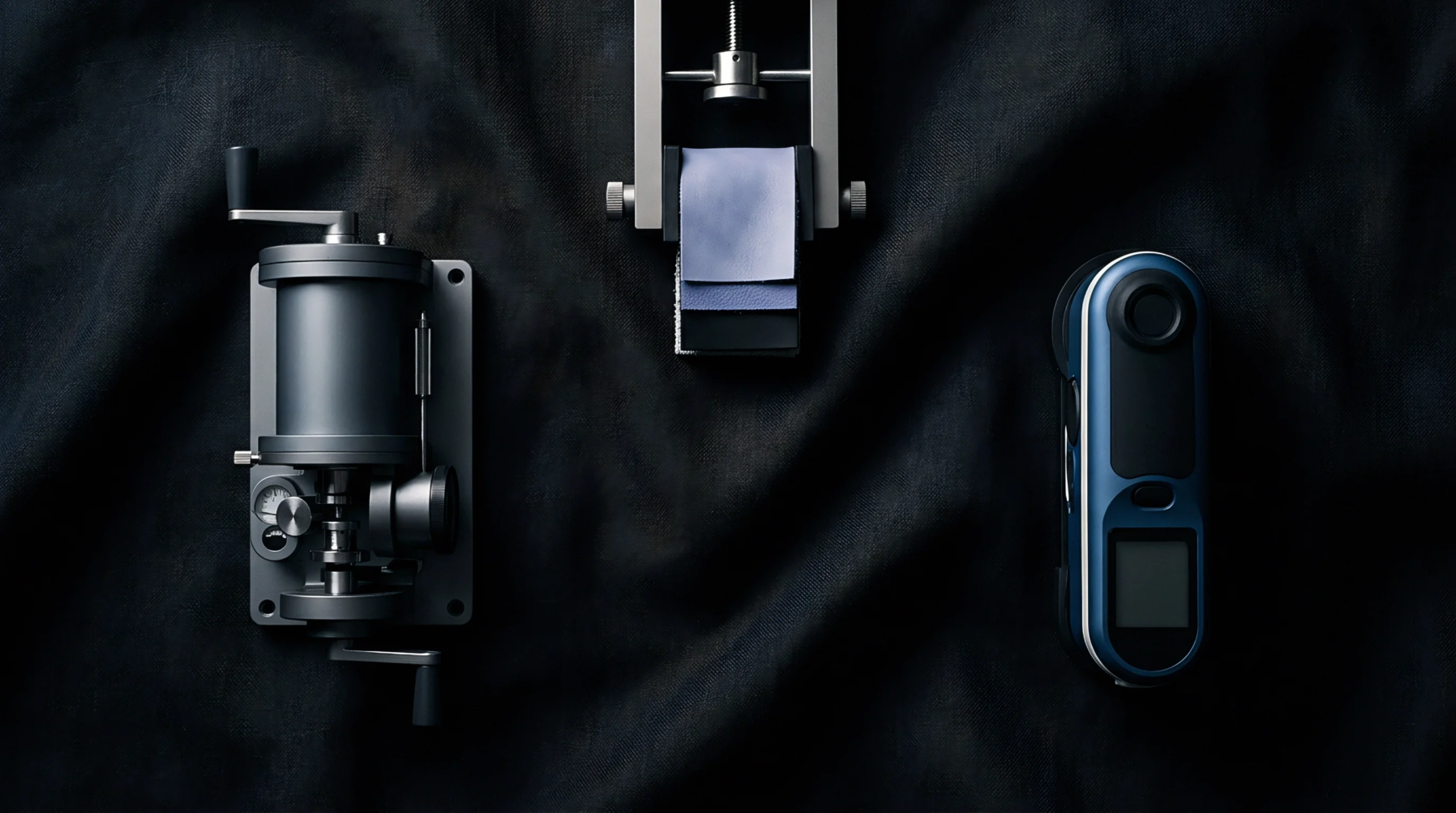
Importers resolve customs fiber discrepancies by adjusting laboratory solvent dissolution dry mass with standard commercial moisture regain factors.
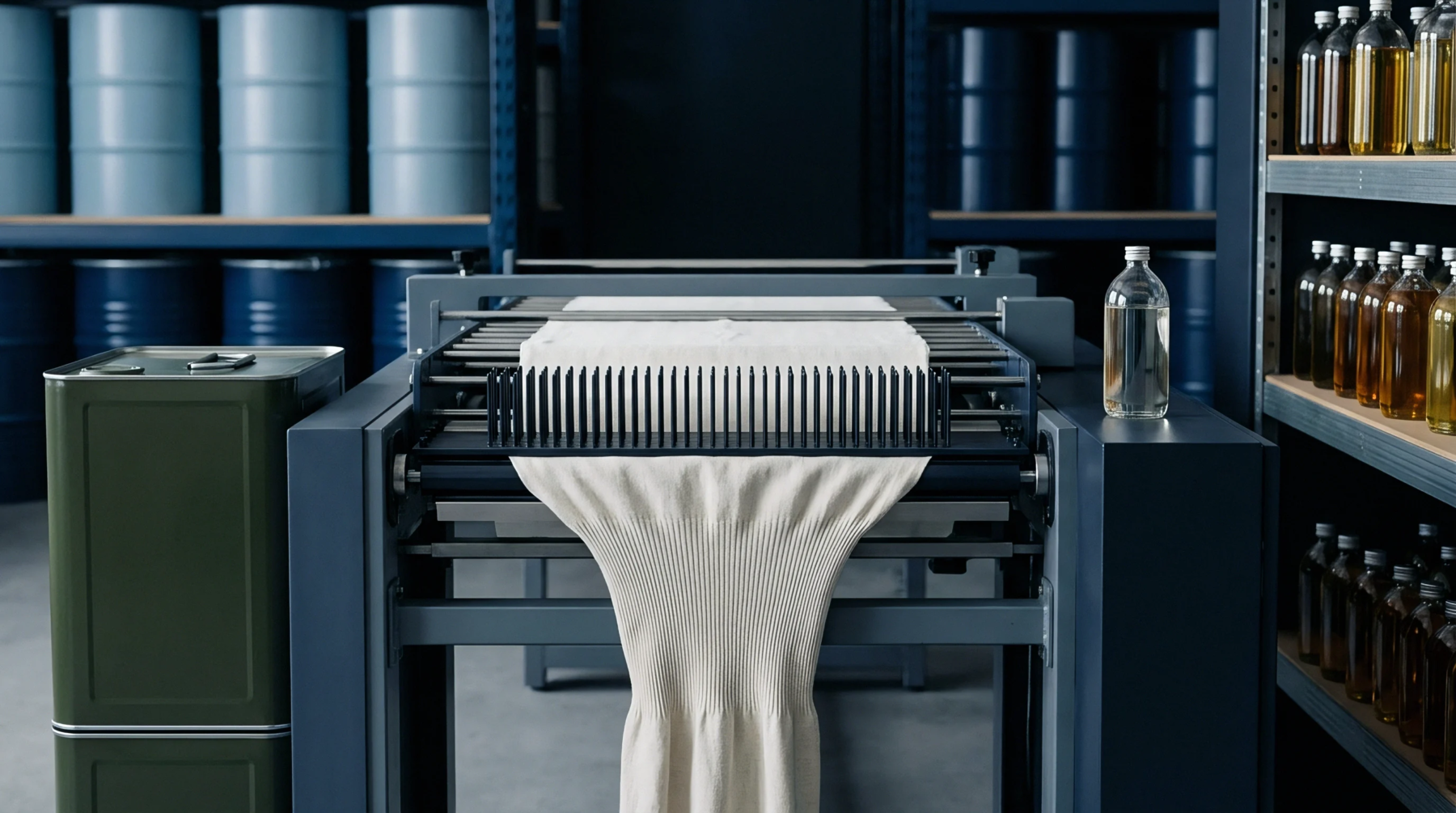
Harmonized System bast fiber classification relies on physical shive percentage, pectin degradation depth, and mechanical hackling status.

Harmonized System Chapter 53 classification of flax fabrics relies on an 85 percent mass threshold verified through dry-weight chemical analysis.

High-speed mechanical scutching and hackling induce cell wall dislocations in flax bast fibers, directly degrading yarn tenacity and fine-count spinning yield.

Long staple flax tenacity and scutcher loss dictate yarn spinning limits and processing economics, requiring standardized ISO gauge length testing and mill-level mass balance verification.
Expertise is a utility, not a secret. sentiention™ publishes its working knowledge as open reference: intelligence layer covering the materials it sources, the markets it enters, and the reference that serves both.