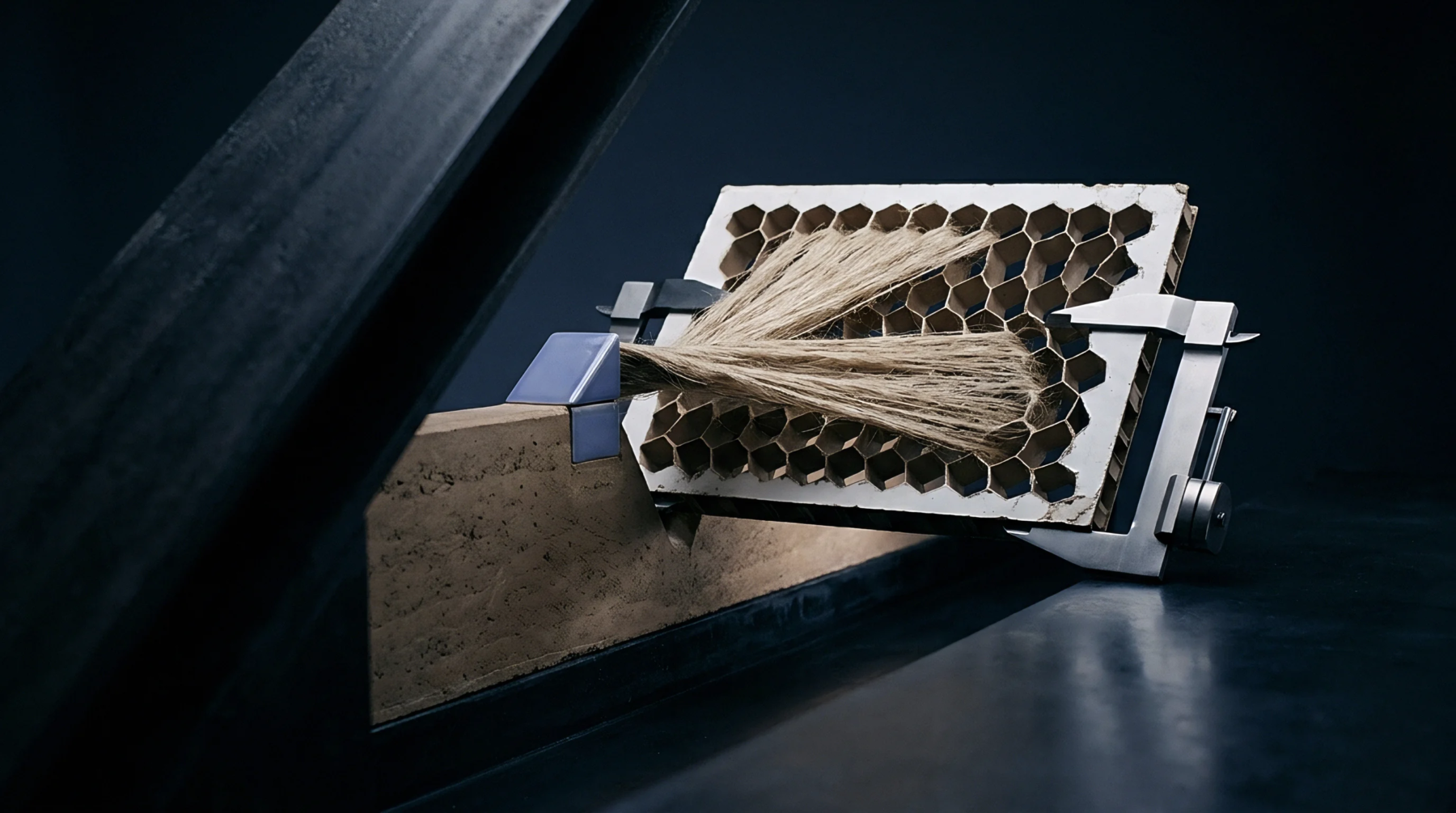
Effect of Trough Hydrolysis Parameters on Fine Linen Tensile Strength
Exceeding 70 degrees Celsius in wet spinning troughs hydrolyzes middle lamella pectin excessively, dropping Nm 60 linen single yarn tenacity below 15 cN/tex.
Exceeding 70 degrees Celsius in wet spinning troughs hydrolyzes middle lamella pectin excessively, dropping Nm 60 linen single yarn tenacity below 15 cN/tex.

Dynamic friction coefficients in fine wet spun linen warps depend on moisture regain and sizing film integrity, directly dictating loom speed limits.

Controlled PVA sizing bounds radial penetration between fifteen and twenty-five percent, preserving internal flax flexibility while suppressing shed abrasion.

Flax loom allocation optimization balances yarn hairiness, reed width, and weaver loads across rapier machines to minimize shift changeover costs and late delivery penalties.

Ultrafine wet spun linen warps demand low-viscosity modified starches with acrylic binders at eight to ten percent size add-on and strict tension limits below one percent.

Wet-spun flax yarn commands higher per-kilo pricing due to hackling loss, while dry-spun tow yarn offers cost efficiency for counts under twenty metric.

Cellulose microfibril angle variance above 2.0 degrees reduces wet-spun flax tenacity by up to 18 percent due to uneven stress distribution in the S2 layer.

Dynamic friction in fine wet spun linen warps limits loom speed, demanding tailored size films, optimized shedding angles, and ambient humidity control.

Maintaining peak dynamic warp tension below thirty percent of single yarn tenacity is essential to prevent cyclic fatigue breakage in high density linen weaving.

Fine linen weaving requires optimized PVA-starch sizing, tight humidity controls, and calibrated loom allocations to limit frictional warp breaks and prevent severe landed cost workload penalties.
Expertise is a utility, not a secret. sentiention™ publishes its working knowledge as open reference: intelligence layer covering the materials it sources, the markets it enters, and the reference that serves both.