Reconciling Moisture Regain against Chemical Extraction Losses in Yarn Audits
Reconciling yarn commercial weight requires subtracting extracted chemical finish mass from oven-dry weight before applying standard moisture regain factors.


Tare
Calculating billable yarn mass requires subtracting non-fibrous chemical additions from dry sample weight before applying standard regain factors. International commercial agreements under ISO 6741-1 define commercial mass as oven-dry fibre weight multiplied by one plus the agreed moisture regain fraction, plus approved chemical additions. Yarn containing spin finishes, paraffin waxes, or sizing agents skews unadjusted dry mass readings by incorporating volatile or extractable liquids into nominal fibre weight.
An auditor measuring an unwashed dry sample containing two percent wax and applying a twelve percent regain factor overstates clean fibre weight by two point two four percent across the total order calculation.

Gravimetric Isolation and Container Baseline Control
Precision analytical balances operating inside controlled enclosure cabinets isolate dry sample vessels during cooling cycles. Sealed glass weighing bottles prevent moisture re-absorption while thermal balance occurs prior to gravimetric recording. Direct weighing inside heated oven chambers eliminates draft interference and prevents ambient water vapor uptake during hot measurement protocols.
Laboratory auditors calculate the corrected baseline dry weight by isolating clean fibre mass from non-fibrous liquid contaminants. Take a ten-gram yarn sample M0 submitted for commercial weight auditing. Initial conditioning establishes ambient wet mass.
Thermal desiccation at one hundred five degrees Celsius yields an unwashed dry mass MD of nine point zero grams. Subsequent solvent extraction removes zero point two five grams of residual paraffin wax ME, leaving a clean dry fibre mass MC of eight point seven five grams. Applying a standard twelve percent commercial moisture regain R to unwashed dry mass yields nine point zero multiplied by one point twelve, equal to ten point zero eight grams nominal mass per sample.
Applying the regain factor to clean dry fibre weight yields eight point seven five multiplied by one point twelve, equal to nine point eight zero grams clean yarn mass. Adding back the allowed zero point two five grams of extractable chemistry yields ten point zero five grams corrected commercial mass. The unadjusted calculation overstates invoice weight by zero point three percent across the shipment lot.
Adjusting moisture regain over unwashed yarn dry mass compounds chemical residue weight into billable fibre weight.
Uncorrected chemical extraction mass systematically inflates commercial mass invoicing whenever residue concentrations exceed half a percent.


Solvent
Chemical removal of non-cellulosic compounds relies on organic washing fluids in Soxhlet reflux circuits. ISO 1833-1 and ISO 6741-3 define petroleum ether and dichloromethane as primary liquids for stripping processing oils, waxes, and synthetic spin finishes from yarn structures. Petroleum ether targets lipophilic paraffin and natural plant fats without penetrating crystalline cellulose structures.
Dichloromethane strips broader synthetic lubricant profiles and polyglycol finishes, although prolonged thermal reflux above forty degrees Celsius risks dissolving low-molecular-weight hemicellulose fractions.
Extraction Yields across Yarn Classifications
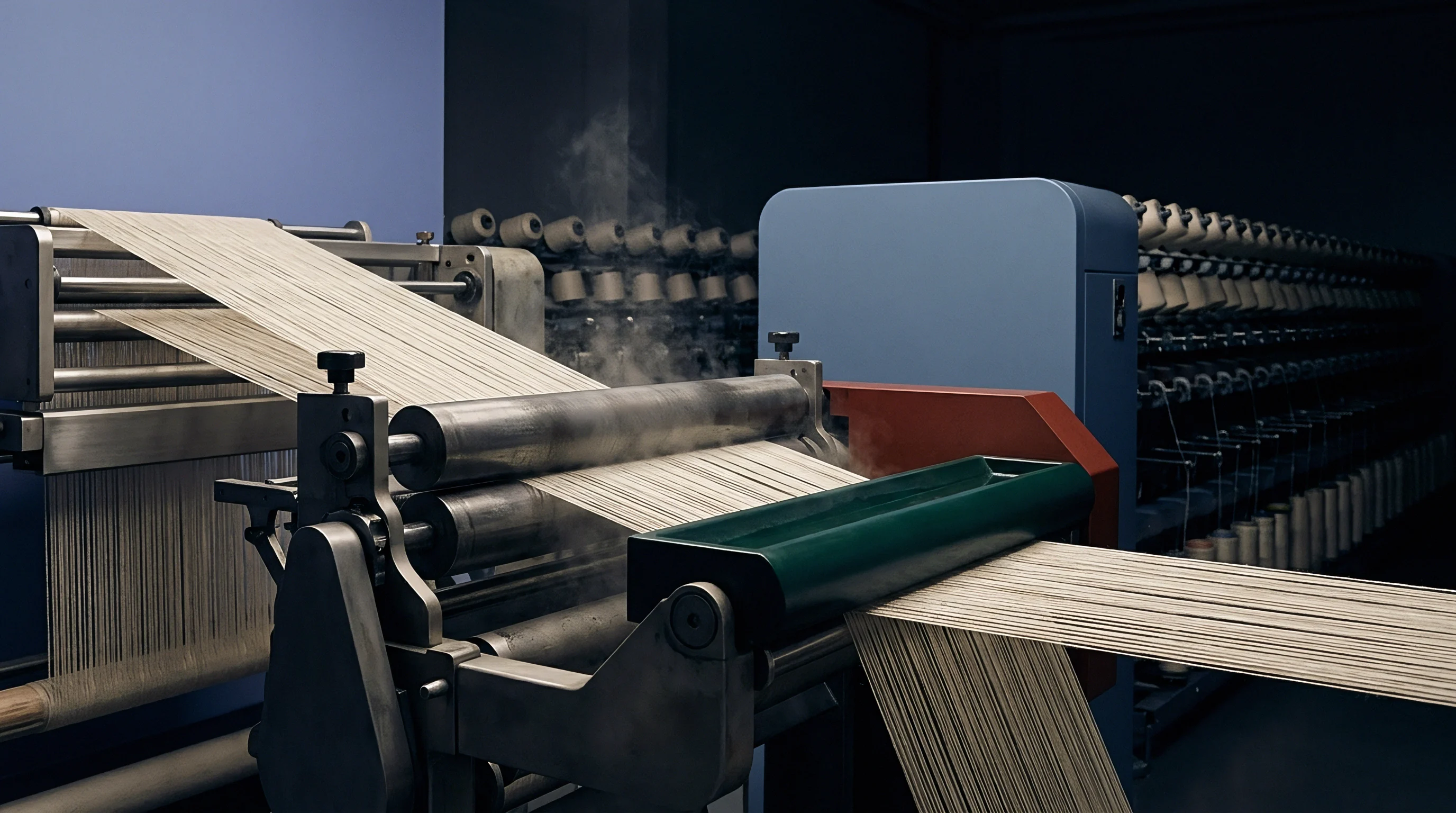
Processing residues vary significantly across spinning technologies and fibre origins. Dry-spun flax yarns carry residual natural fats alongside minimal spinning lubricants, whereas wet-spun yarns retain bath additives and protective wax formulations applied during winding operations. Cotton yarns treated with paraffin ring-lubricants require targeted organic extraction to isolate base fibre mass.
| Yarn Classification | Extraction Fluid | Nominal Residue Range (%) | ISO Commercial Regain (%) | Permissible Non-Fibrous Limit (%) |
|---|---|---|---|---|
| Dry-Spun Linen | Petroleum Ether | 1.20 – 1.80 | 12.00 | 1.50 |
| Wet-Spun Linen | Dichloromethane | 1.80 – 2.60 | 13.75 | 2.00 |
| Ring-Spun Cotton Waxed | Petroleum Ether | 0.80 – 1.40 | 8.50 | 1.00 |
| Carded Wool Scoured | Dichloromethane | 0.50 – 1.20 | 18.25 | 1.00 |
| Flax Polypropylene Blend | Petroleum Ether | 1.10 – 1.90 | 7.50 | 1.25 |

Which Solvent Prevents Cellulose Degradation during Extraction?
High-purity petroleum ether boiling between forty and sixty degrees Celsius dissolves non-polar waxes without hydrolyzing natural polymer chains. Dichloromethane provides faster extraction cycles for synthetic lubricants but requires tight temperature regulation to prevent structural degradation in delicate bast fibres.
- Solvent Contamination introduces dissolved non-volatile residues back into sample skeins during boiling pan distillation cycles.
- Incomplete Reflux Cycles leave residual paraffin inside dense yarn cores, producing false dry weight measurements.
- Overheating Thermal Decomposition volatilizes natural plant waxes alongside applied processing lubricants, artificially lowering dry base readings.
- Inadequate Pre-Drying allows water droplets to contaminate non-polar solvents, reducing extraction efficiency during wash cycles.
Petroleum ether extraction at sixty degrees Celsius removes two point four percent natural wax from wet-spun flax yarn within sixteen Soxhlet siphon cycles.
Failing to account for solvent extraction efficiency distorts clean fibre baseline metrics and generates contested financial debits between buyers and spinning mills.

Equilibrium
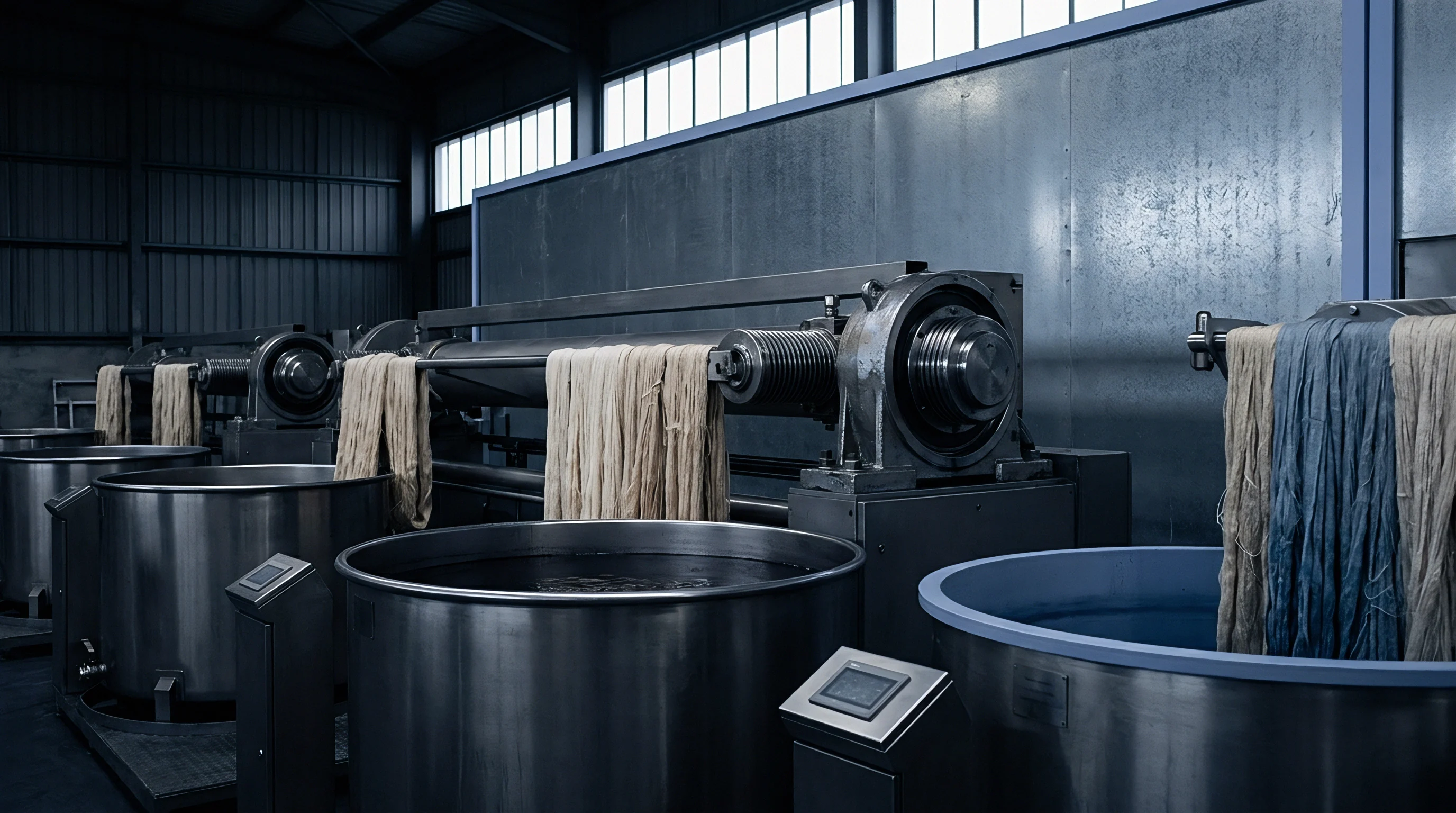
Standard atmospheric conditioning chambers governed by ISO 139 maintain twenty degrees Celsius temperature and sixty-five percent relative humidity. Fibres absorb or desorb water vapor depending on prior storage conditions, exhibiting hygroscopic hysteresis where damp yarn retains more water than dry yarn placed in identical ambient air. Commercial regain tables establish standardized contract percentages rather than reflecting actual moisture contents recorded at receiving docks.

Sequential Laboratory Extraction and Mass Accounting
Audit testing requires strict execution steps to isolate moisture regain from chemical loss.
- Technician selects representative sample skeins from sealed moisture-proof shipment bags according to ISO 5079 sampling tables.
- Technician records immediate initial gross mass on an analytical balance calibrated to zero point zero zero one gram precision.
- Technician extracts non-fibrous lubricants in a Soxhlet apparatus using dichloromethane for four hours at controlled siphon rates.
- Technician transfers extracted skeins to a ventilated drying oven maintained at one hundred five degrees Celsius until mass changes stay below zero point zero five percent between successive weighings.
- Technician cools skeins inside an airtight desiccator charged with fresh silica gel for forty-five minutes before recording final clean dry weight.
Hysteresis delays in moisture absorption alter sample mass readings if ambient conditioning time falls short of twenty-four hours.
Residual winding waxes are sometimes treated as necessary processing additions billable under standard commercial weight definitions.


Drying
Thermal evaporation protocols drive off unbound water molecules at temperatures between one hundred five and one hundred ten degrees Celsius. Excessive thermal exposure volatilizes low-boiling processing oils alongside moisture, artificially inflating calculated water loss while undercounting chemical additive mass. Precise temperature control inside forced-convection ovens prevents thermal oxidation of natural bast fibres while stripping capillary water content.

Net Mass Reconciliation Variance Matrix
Combined discrepancies in moisture content and solvent extraction yield compounding financial errors when applied to full production shipments. The matrix below illustrates the mathematical outcome across a ten-tonne yarn order under varying laboratory test findings.
| Test Scenario | Measured Moisture (%) | Extraction Residue (%) | Billed Weight (kg) | Reconciled Weight (kg) | Net Discrepancy (kg) |
|---|---|---|---|---|---|
| Standard Contract Baseline | 12.00 | 1.50 | 10,000.00 | 10,000.00 | 0.00 |
| Excess Moisture Only | 14.50 | 1.50 | 10,223.20 | 10,000.00 | +223.20 |
| Excess Wax Finish Only | 12.00 | 3.20 | 10,151.80 | 10,000.00 | +151.80 |
| Combined Excess Deviation | 15.20 | 3.80 | 10,412.50 | 10,000.00 | +412.50 |
Contracts specifying ISO 6741 commercial mass settlement penalize uncorrected chemical extraction residue exceeding one point five percent of total batch weight.
A key analytical boundary remains the precise thermal threshold separating bound capillary moisture release from the thermal evaporation of low-molecular-weight spin finish lubricants during rapid oven drying.


Commercial
Invoicing yarn shipments on gross scale weight without adjusting for non-fibrous extraction losses and official moisture regain creates systematic overbilling. Global trade protocols establish clear commercial mass equations that adjust physical shipment weight to standardized commercial weight. When laboratory audits uncover excessive spin finishes alongside moisture deviations, contract clauses dictate immediate financial adjustments across the entire delivered lot.

Audit Protocol Checklist for Mass Verification
Executing an audit requires structured documentation and physical sampling controls.
- Sampling Integrity Verification confirms sealed foil bags remained intact from port discharge to laboratory balance.
- Solvent Purity Control checks distillation blank values to ensure organic washing liquids leave zero non-volatile residues.
- Desiccator Saturation Monitoring verifies color-indicator silica gel remains active throughout sample cooling phases.
- Regain Rate Alignment matches contractually agreed commercial regain percentages with the specific fiber blend ratio.
Verification of yarn lot tonnage requires simultaneous lab determination of non-fibrous extraction mass and equilibrium water regain.
Standard trade contracts specify that when verified non-fibrous chemical loss exceeds agreed contract allowances by more than zero point five percent, the seller absorbs all re-testing fees and credits the buyer for the calculated net mass deficit.