Calculating Bone Dry Fiber Mass in Raw Flax Roving Transactions
Cross border flax roving settlements adjust gross package mass to bone dry fiber weight using standardized oven desiccation and contractual regain factors.

Moist
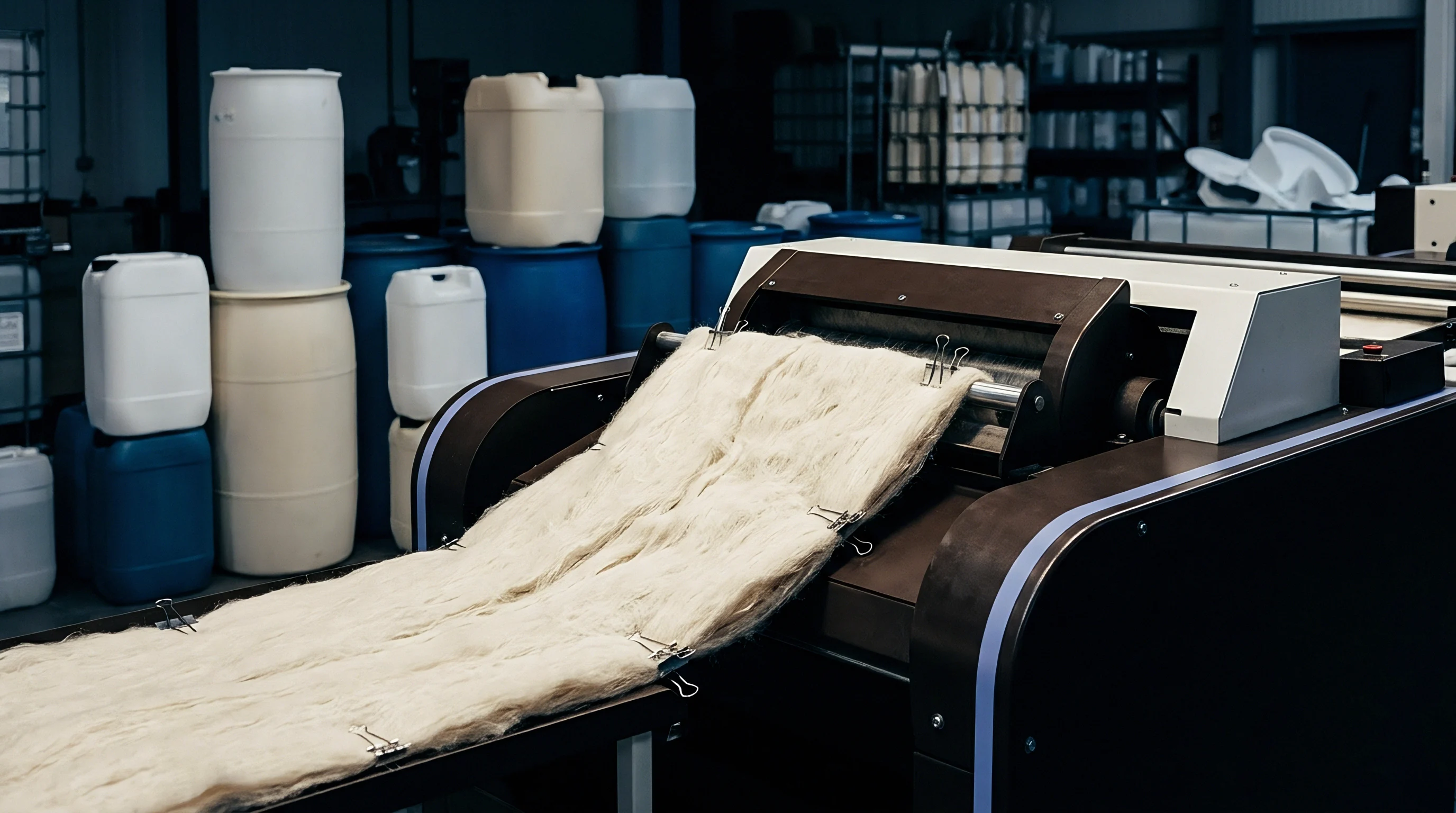
The cellulosic structure of green flax bundles retains moisture inside microfibrillar voids. Unprocessed flax roving consists of long technical fibers held together by pectins, hemicellulose, and residual lignin. Because these non-cellulosic polymers carry hydroxyl groups, they draw water vapor directly from ambient air through hydrogen bonding.
Raw roving that has only been scutched, hackled, and drafted ~ without wet boiling or chemical bleaching ~ keeps its native cell wall matrix intact, leaving the fiber unusually sensitive to atmospheric shifts during storage and ocean transit.
Cellular Water Binding in Raw Bast Fiber
Parenchyma tissue and open lumen channels across the stem cross-section serve as reservoirs for atmospheric vapor. Moisture sits within the bundle in two distinct states: bound water held in the amorphous zones of the cellulose chains, and free liquid trapped by capillary action inside lumen cavities. As relative humidity climbs, the bound fraction swells the fiber bundles, widening their cross-sectional diameter and skewing linear density measurements on the spinning floor.
Capillary condensation inside open lumen channels adds liquid volume alongside the moisture bound directly to the cellulose matrix.
Even moderate fluctuations in ambient warehouse humidity alter package mass before sliver reaches drawing or spinning frames.
Because converting unrefined sliver into roving requires little mechanical twist, the resulting package remains porous. Atmospheric vapor penetrates this open structure much faster than it does dense yarn bobbins or woven cloth. In a humid container, a ten-kilogram package of raw roving can take up hundreds of grams of water without feeling wet to the touch.
Buyers relying on raw weighbridge numbers end up paying fiber rates for water that simply evaporates during preparation.
| Relative Humidity (%) | Temperature (°C) | Equilibrium Regain (%) | Sliver Mass Variance (%) |
|---|---|---|---|
| 45 | 20 | 8.5 | -3.1 |
| 65 | 20 | 12.0 | 0.0 |
| 75 | 20 | 14.2 | +2.0 |
| 85 | 20 | 17.8 | +5.2 |
| 85 | 30 | 16.9 | +4.4 |

Equilibrium Regain across International Transit Routes
Humidity swings inside shipping containers alter consignment mass over multi-week ocean crossings. Bales loaded in temperate European ports at moderate humidity encounter repeated condensation cycles when vessels traverse tropical waters. Water migrates from warm container walls into outer bobbin layers, producing sharp regain differences across a single pallet.
By discharge at Asian destination ports, recorded gross weights routinely drift several percentage points away from bill-of-lading figures.
Raw flax roving conditioned at 65 percent relative humidity and 20 degrees Celsius maintains an equilibrium moisture regain of 12.0 percent.
Storage conditions prior to container stuffing add another variable. Flax roving kept in unconditioned scutcher warehouses through winter retains noticeably more water than lots stored in dry summer heat. Without standardized gravimetric testing at intake, buyers and sellers routinely dispute whether weight variations reflect delivered fiber or transit moisture absorption.
Calculus
Determining true fiber content requires isolating bone-dry mass from scale readings. Trade contracts for raw flax roving specify billing based on commercial mass ~ a value calculated from dry weight plus an agreed standard moisture allowance. Gross weighbridge mass serves merely as the starting point for laboratory conversion formulas.
Liquid mass absorbed during transport provides zero yarn yield during drafting and spinning.
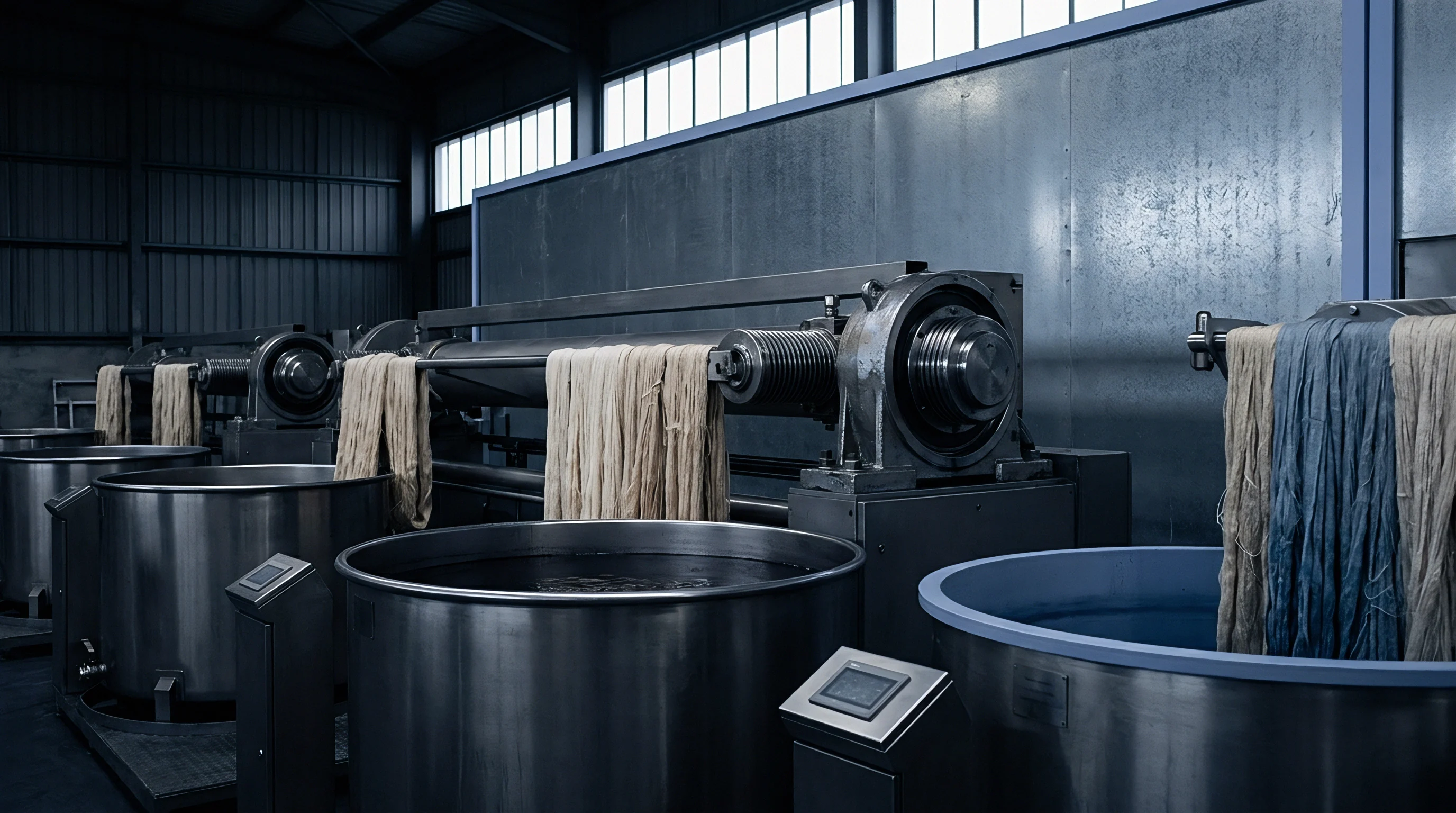
Oven desiccation isolates actual fiber weight by driving off both capillary and hygroscopic moisture.
Downstream invoice adjustments depend entirely on the precision of the initial dry-weight baseline.

Oven Dry Mass Equations and Regain Ratios
Gravimetric analysis establishes a firm baseline by heating test specimens to constant weight. Bone dry mass represents the remaining weight of cellulose, hemicellulose, pectins, and non-volatile oils once all water has been driven off. The mathematical relationship between gross mass, moisture content, moisture regain, and dry mass forms the basis of commercial reconciliation.
Moisture content expresses water mass as a percentage of initial wet weight, whereas moisture regain measures water mass relative to bone-dry fiber. Converting gross scale weight to bone dry mass uses the measured regain percentage according to the following formula:
Bone Dry Mass = Gross Mass / (1 + (Measured Moisture Regain / 100))
When moisture content is determined directly from wet sample weight, the conversion formula adjusts to account for the liquid fraction:
Bone Dry Mass = Gross Mass (1 – (Measured Moisture Content / 100))
Commercial Invoicing Calculations and Finish Adjustments
Billed weights apply standard commercial allowances directly to the laboratory-derived dry baseline. Rules established by the International Confederation of Flax and Hemp fix official commercial regain for unbleached flax fiber at 12.00 percent. Spin finish oils applied during mechanical drafting add non-cellulosic weight that is calculated alongside moisture allowances.
Commercial Mass = Bone Dry Mass (1 + ((Commercial Regain + Spin Finish Allowance) / 100))
Consider a representative transaction for a container shipment of raw flax roving:
- Gross weighbridge mass measured at the receiving mill dock equals exactly 20,000.00 kilograms.
- Laboratory core testing per ISO 6741 yields a measured moisture regain of 16.55 percent across representative samples.
- Contractual commercial regain is fixed at 12.00 percent, with an agreed spin finish allowance of 1.50 percent.
- Calculated bone dry mass equals 20,000.00 / (1 + (16.55 / 100)), resulting in 17,160.02 kilograms of dry fiber.
- Final commercial mass equals 17,160.02 (1 + ((12.00 + 1.50) / 100)), yielding 19,476.62 kilograms for invoice settlement.
Under this calculation, the payable weight drops by 523.38 kilograms. At a contract price of 4.50 Euros per kilogram, the reconciliation prevents an overpayment of 2,355.21 Euros on evaporated water. Billing directly against unadjusted scale weights skews inventory valuations and yarn recovery metrics throughout the mill.
Applying ISO 6741 test protocols directly to container reception logs binds both parties to standardized gravimetric adjustments.
Incorporating ISO 6741-1 Annex B clauses into the purchase contract shifts final settlement from gross arrival weight to certified commercial mass based on oven desiccation.
Scale
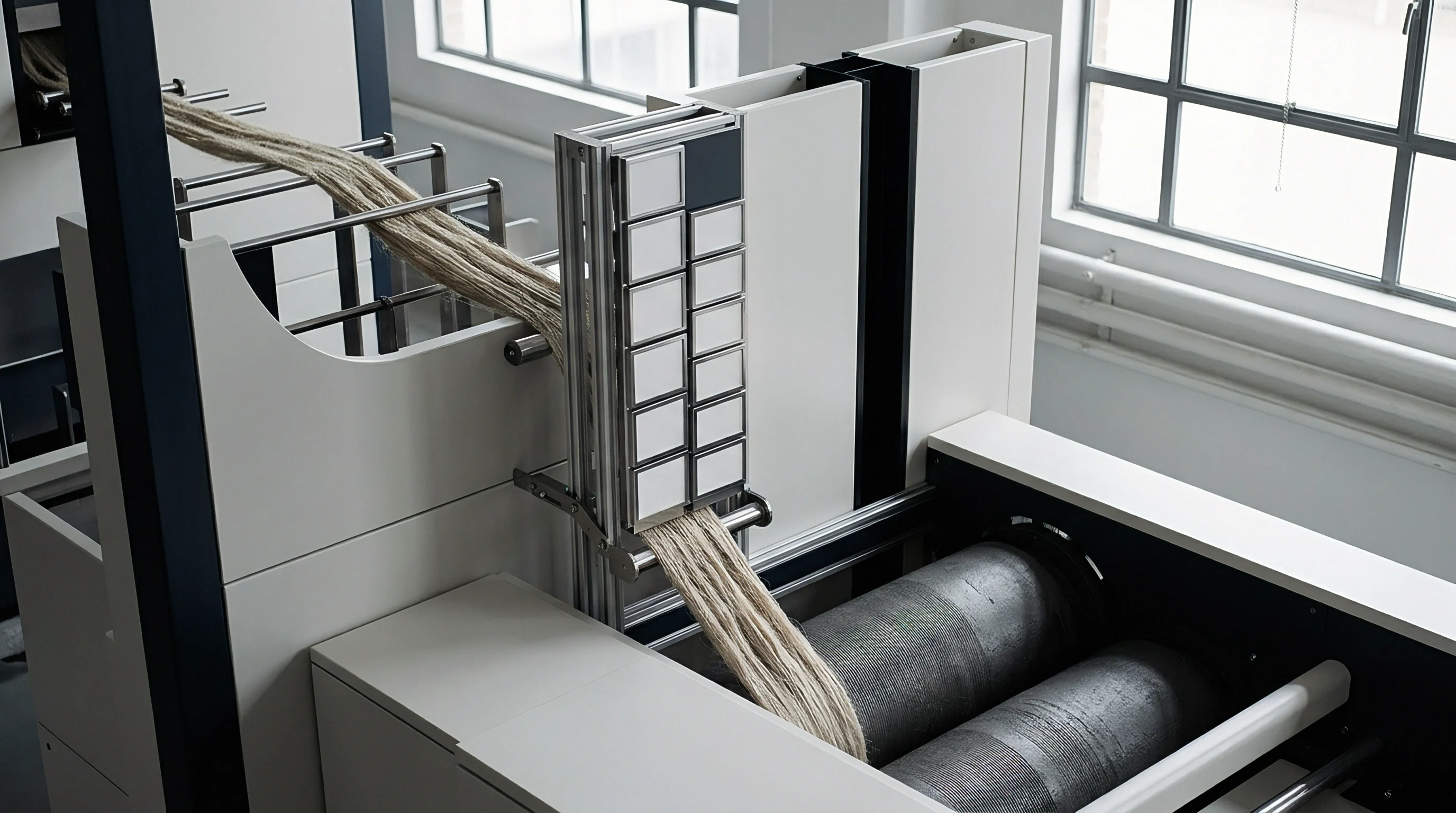
Sampling containerized bales requires immediate isolation to keep ambient air from skewing test results. Testing regain to fractional percentages demands core samples drawn across the full depth of the consignment. Surface pulls reflect only warehouse or transit humidity rather than the interior state of the package.
Hermetically sealed weighing vessels prevent dry or damp specimens from exchanging vapor with ambient air.
Ventilated oven drying expels volatile liquid without scorching sensitive pectin fractions.
Rapid transfer between core extraction tools and balance enclosures prevents atmospheric rehydration.

Representative Lot Sampling across Container Shipments
Taking core samples across multiple package depths avoids moisture bias caused by condensation on container walls. Boring tools extract interior sliver without disturbing bobbin structure. Pulling specimens from top, middle, and bottom layers provides an accurate profile of the full parcel.
- Extract core samples from internal and perimeter roving packages immediately upon container opening.
- Enclose extracted core specimens inside hermetically sealed glass weighing bottles within thirty seconds.
- Record initial damp mass to an accuracy of one milligram using a calibrated analytical balance.
- Dry specimens inside a forced-convection ventilated oven held at 105 degrees Celsius until mass changes remain below 0.05 percent over fifteen minutes.
- Transfer hot weighing containers into a desiccator containing active silica gel for thirty minutes prior to final mass determination.

Gravimetric Desiccation Mechanics and Weighing Standards
Ovens maintained at constant temperature drive off water without charring non-cellulosic components. Standard desiccation under ISO 6741 calls for air temperatures of 105 degrees Celsius with a tolerance of plus or minus 2 degrees. Continuous forced-air circulation ensures steady vapor removal from the drying chamber.
| Test Parameter | Standard Specification | Tolerance Limit | Impact of Deviation |
|---|---|---|---|
| Drying Temperature | 105 °C | ±2 °C | Thermal degradation of pectins above 110 °C |
| Air Flow Velocity | 0.5 m/s | ±0.1 m/s | Incomplete drying below minimum air exchange rates |
| Balance Precision | 0.001 g | Strict Minimum | Calculated regain errors exceeding 0.1 percent |
| Desiccator Cooling Time | 30 Minutes | ±2 Minutes | Mass inflation from room moisture uptake during balance transfer |
| Methods note: Test parameters comply with ISO 6741-1 procedures for commercial mass determination of natural bast fibers. | |||
Weighing hot specimens creates thermal currents inside the balance housing, generating upward force vectors that artificially depress dry weight readings. Cooling bottles inside a sealed desiccator charged with silica gel protects dry fiber from ambient humidity during equilibration. Technicians record weights only after containers match ambient room temperature.
Transit moisture gains are sometimes framed as natural rehydration, but standardized purchase terms treat water above the 12.0 percent commercial baseline as deductible weight.


Allowance
Standard sales agreements establish explicit tolerances for moisture levels and applied spin finishes. Contracts specify commercial regain thresholds, absolute moisture caps, and allowable oil extraction percentages. Clear contractual benchmarks protect both parties from quality disputes upon arrival.
Spin finish emulsions introduce non-cellulosic mass that must be isolated from pure bast fiber.
Contract definitions set the exact legal regain ratios used during commercial reconciliation.

Contractual Commercial Regain Benchmarks
International trade rules fix raw flax regain at twelve percent of bone-dry mass. This standard reflects equilibrium at normal factory packing conditions. When laboratory regain diverges from twelve percent, the settlement formula adjusts the invoice weight accordingly.
- Soxhlet solvent extraction isolates non-cellulosic spin lubricants to deduct applied finish weight from total raw fiber mass.
- Contractual moisture caps set maximum allowable water content before lot rejection or re-testing provisions trigger automatically.
- Bilateral laboratory arbitration provides split-sample retention procedures to resolve weighment disputes between buyer and seller laboratories.
- Customs valuation realignments adjust import tariff declarations to match certified dry fiber mass rather than gross shipment weight.

Extractable Finish Corrections and Oil Deductions
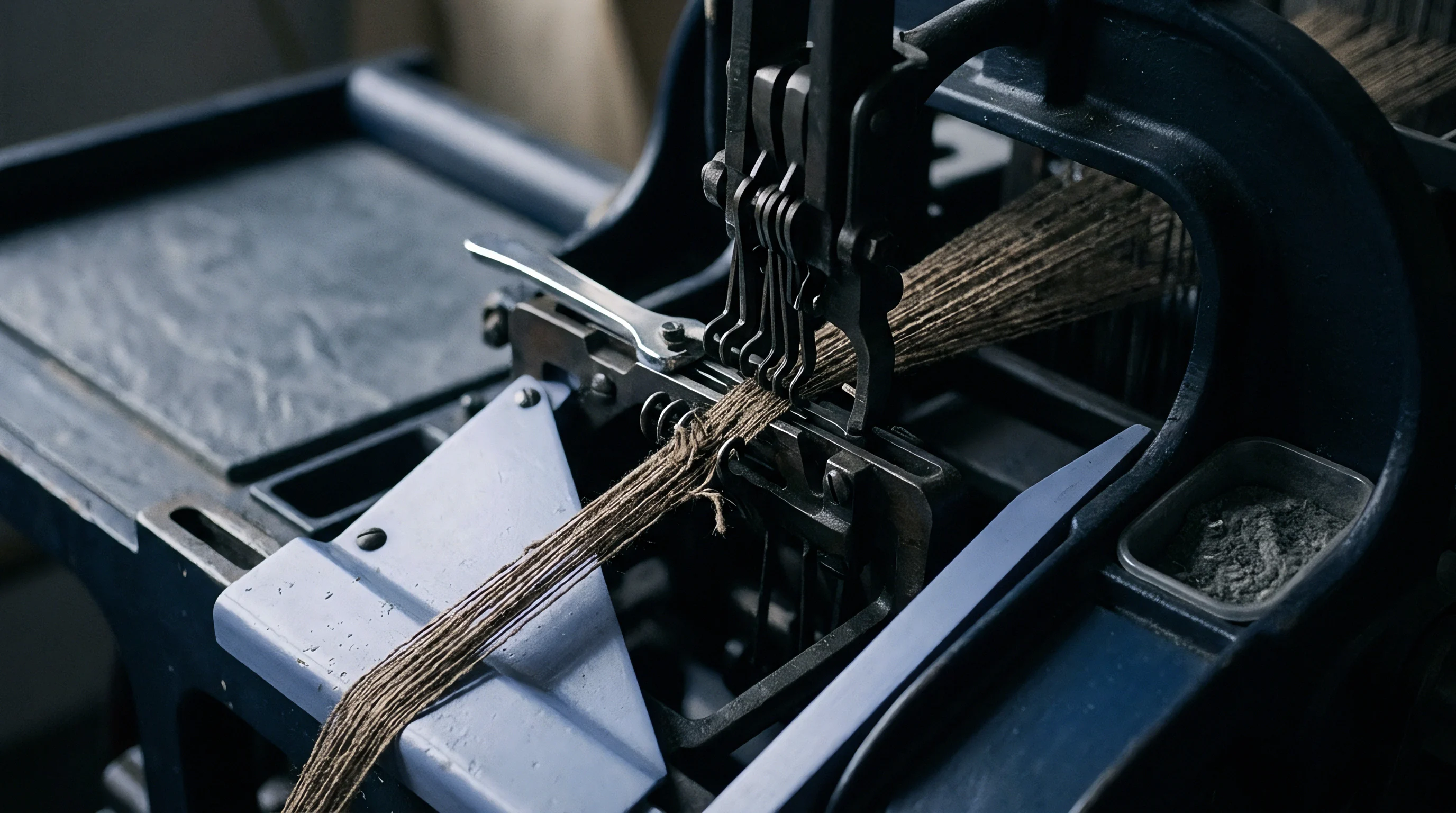
Solvent extraction with petroleum ether isolates lubricants added during drafting. Flax roving requires processing oils to moderate fiber-to-fiber friction through drawing frames, but these additives contribute mass that is distinct from natural cellulose.
Extracting roving core samples from container peripheries overstates lot moisture due to condensation cycles.
When processing lubricants exceed contractual limits, the excess mass is subtracted from the commercial calculation. Most supply contracts cap spin finish allowances between 1.0 and 2.0 percent of dry weight. Core samples taken from package interiors provide an accurate measure of consignment dry mass, whereas outer layers reflect recent atmospheric exposure.

Margin
Commercial settlement between European scutchers and spinning mills depends on consistent dry-weight calculations. Minor percentage shifts in moisture regain generate substantial financial variances over multi-container contracts. Clear testing protocols protect operating margins on both sides of the trade.
Paying unadjusted gross weight inflates raw material costs per kilogram of finished yarn.
Standardized mass reconciliation ensures invoices reflect delivered dry fiber rather than water volume.
Financial Impact of Uncorrected Moisture Variations
Billing on gross weight without oven-dry correction passes transit water costs straight to the buyer. Overpaying for moisture raises effective raw material expenses and depresses mill spinning yields. Standardized mass adjustments bring invoiced totals into line with actual fiber processed on the mill floor.
| Moisture Regain Condition | Gross Weight (kg) | Calculated Commercial Mass (kg) | Invoice Adjustment (€) | Landed Cost Variance (%) |
|---|---|---|---|---|
| 12.0% (Contract Baseline) | 20,000.00 | 20,000.00 | 0.00 | 0.00 |
| 14.0% (Moderate Pickup) | 20,000.00 | 19,649.12 | -1,578.96 | -1.75 |
| 16.0% (High Pickup) | 20,000.00 | 19,310.34 | -3,103.47 | -3.45 |
| 18.0% (Extreme Condensation) | 20,000.00 | 18,983.05 | -4,576.28 | -5.08 |
Dispute Resolution Frameworks for Cross Border Consignments
Trade contracts set precise thresholds for allowable weight variances before triggering formal arbitration. Agreements generally require re-testing by an independent certified laboratory whenever buyer and seller oven-dry figures differ by more than 0.5 percent. Sealed foil pouches containing split reference samples serve as the legal baseline for third-party testing.
Explicit contractual terms covering sampling methods, oven drying protocols, and commercial mass formulas resolve moisture discrepancies before delivery disputes arise. When contracts define dry mass adjustments clearly, billing aligns with physical fiber delivery across global trade routes.