Mechanical Degradation
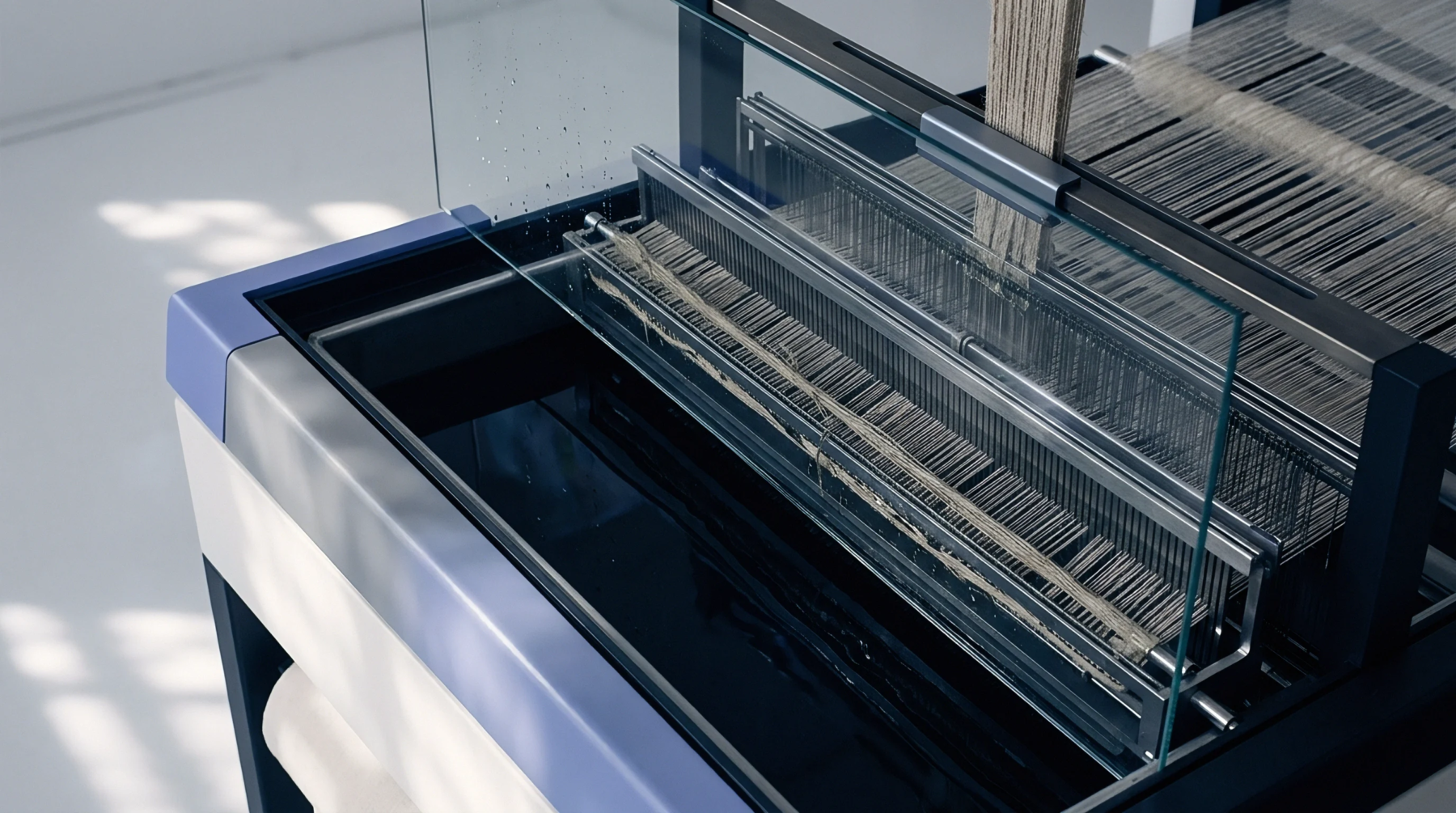
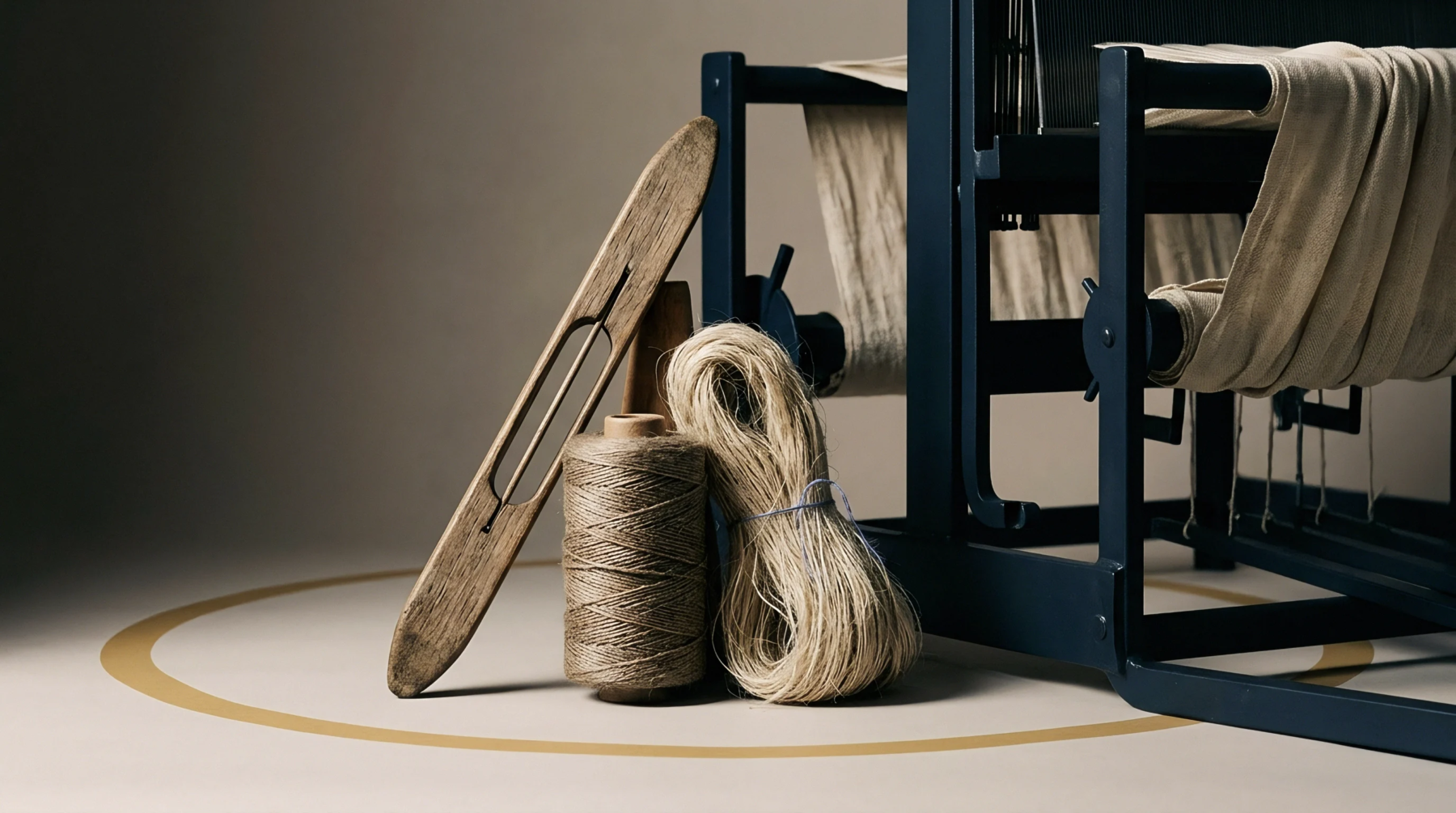
Loom efficiency hinges on the physical condition of the metal components guiding the warp yarns through the shed. A heald eye abrasion occurs when the polished internal surface of a heald wire develops microscopic pits or rough spots during continuous high speed cycling. These irregularities snag individual flax fibres as the harness moves up and down.
This interaction weakens the tensile strength of the warp before the shuttle carries the weft through the opening. The wear originates from the abrasive contact between the rigid metallic eye and the natural rigidity of bast fibres. Excessive friction generates heat that compromises the natural wax layer on the yarn surface.
A failure to detect these imperfections leads to yarn breakage that halts production cycles.
Surface Inspection
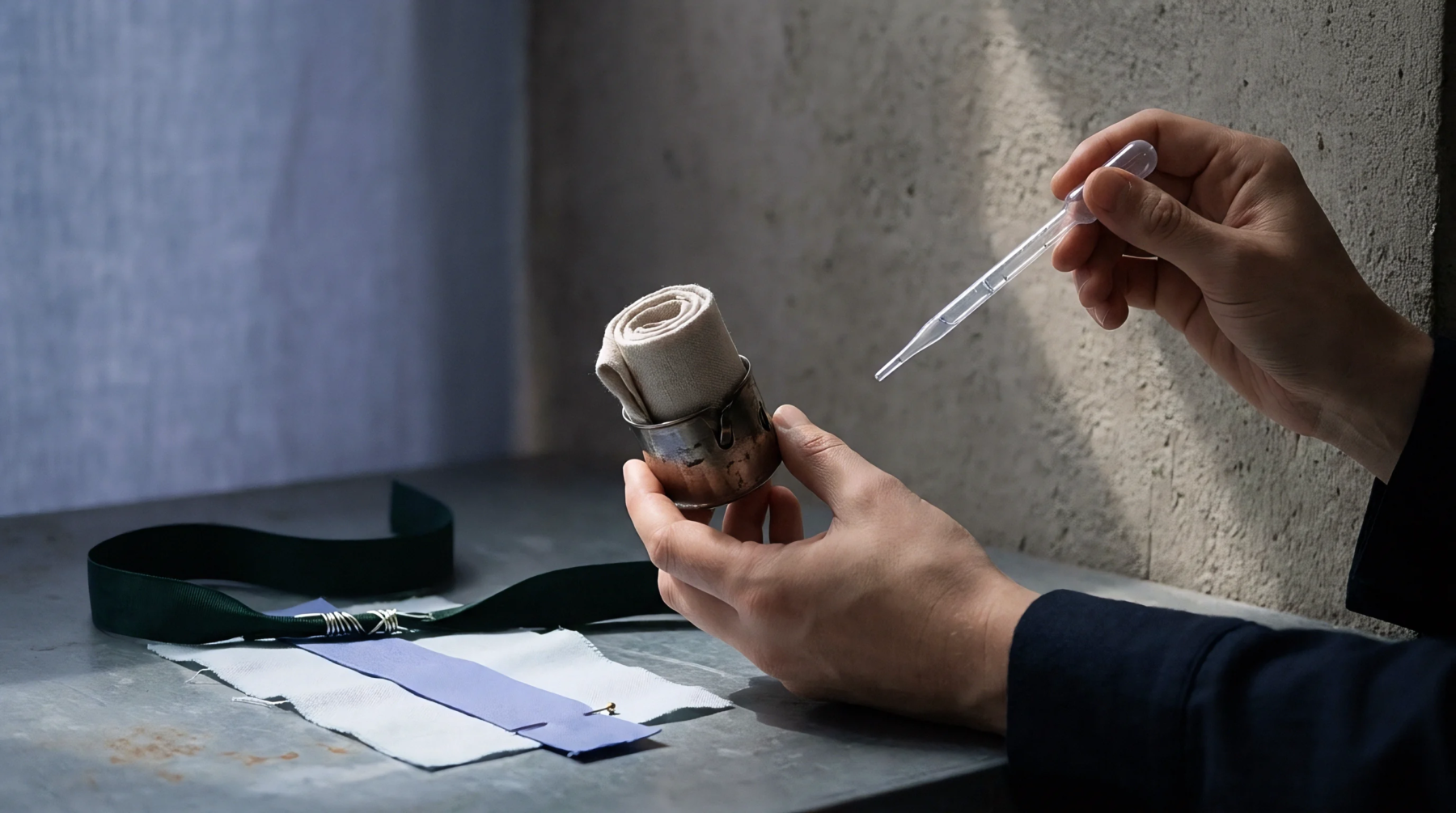
Quality control protocols in the weaving shed mandate the use of magnifying tools to assess the polish of metal contact points. Technicians examine the eye profile whenever a loom shows a spike in warp breakage rates unrelated to humidity or beam tension. They compare the damaged wire against a master reference sample provided by the equipment manufacturer.
A worn surface exhibits visible grooves that reflect light unevenly under a standard test lamp. Technicians replace individual wires that fail these criteria to prevent further damage to the remaining warp.
Production Integrity
Woven linen requires a perfectly smooth path to maintain the structural uniformity of the fabric. Mills integrate regular maintenance checks into their operational schedules to monitor the condition of the shedding mechanism. This proactive approach limits the occurrences of broken filaments that create flaws in the final textile.
A high frequency of surface defects within the harness necessitates a total replacement of the wire set to ensure consistent output quality across the full width of the loom.