Chemical Extraction Methods for Pectin Quantification in Bast Fibre Slivers
Spectrophotometric m-hydroxydiphenyl quantification of ammonium oxalate extracted pectin predicts bast fibre sliver drafting behavior and wet spinning yield.


Substrate
Flax fibres sit as multicellular bundles inside the bast parenchyma of the Linum usitatissimum stem. Individual ultimate fibres ~ typically fifteen to twenty-five millimetres long and ten to twenty micrometres across ~ bind to neighbouring cells across a middle lamella dominated by non-cellulosic polysaccharides. Structural pectin forms the core adhesive matrix in this intercellular space, and its composition directly governs sliver behavior during mechanical drafting and spinning.
Quantifying pectin in intermediate sliver shows whether a lot will draw down into fine line yarn or break into coarse, irregular tow.
The pectin complex in bast cell walls functions as a continuous network rather than a surface coating. Smooth homogalacturonan domains consist of linear α-1,4-linked D-galacturonic acid chains, partially methyl-esterified at the C-6 carboxyl group. Ramified rhamnogalacturonan-I domains alternate α-1,4-D-galacturonic acid and α-1,2-L-rhamnose backbone units carrying neutral arabinose and galactose side chains.
Divalent calcium ions cross-link unesterified carboxyl groups into rigid egg-box junction zones that hold bundles together through scutching and hackling. Isolating pectin analytically requires breaking both these calcium bridges and the covalent ester linkages without degrading the surrounding wall matrix.
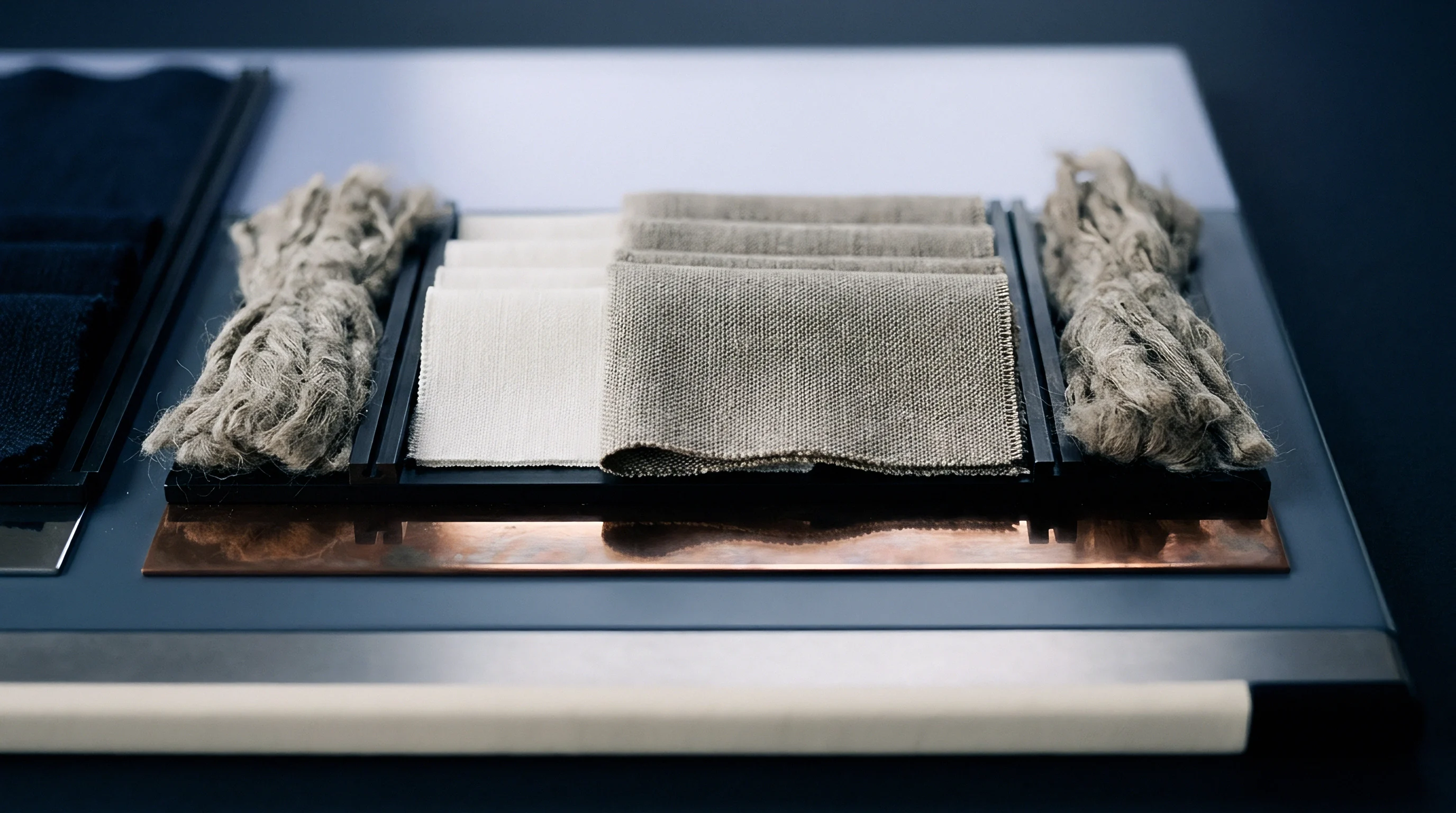
Pectic Compounds within Middle Lamella Structures
Polysaccharide networks bind ultimate fibres into cohesive technical strands throughout the plant stem. Homogalacturonan accounts for roughly sixty percent of total pectic polymers in flax, with rhamnogalacturonan-I making up thirty to thirty-five percent. Neutral arabinan and galactan side chains extend from rhamnosyl residues into the adjacent matrix of xyloglucans and glucomannans.
Esterification drops steadily toward the base of the stem: upper stem sections carry higher esterification levels, making them more vulnerable to alkaline saponification and less responsive to calcium chelators.
Incompletely degraded galacturonan networks force drafting rolls to shear primary cell walls, converting line flax into short waste tow.
Cell wall geometry changes throughout retting as micro-organisms loosen bast bundles from the epidermis and shive core. Retting flora secrete endopolygalacturonases, pectin lyases, and pectate lyases that attack middle lamella homogalacturonan. Under-retted fibre retains calcium-pectate bridges that leave technical bundles stiff and oversized; over-retting attacks the cellulose wall, cutting tensile strength.
Measuring residual pectin gives spinning mills an objective chemical metric for setting drawframe nip pressures and draft ratios instead of relying on hand-feel.

Polymeric Variations between Dew Retted and Enzyme Retted Stock
Field retting depends on ambient fungi to digest outer cortical tissues. Filamentous species such as Cladosporium herbarum and Epicoccum nigrum dominate Western European dew-retting yards, where changing weather produces broad swings in residual pectin between lots ~ often ranging from one-point-two percent to three-point-five percent by dry mass in dew-retted sliver. Uncontrolled fungal growth tends to consume soluble rhamnogalacturonan side chains while leaving insoluble calcium pectates behind, creating localized hard spots that cause drafting force spikes on the card.
Controlled enzyme retting uses formulated pectinase cocktails with set ratios of polygalacturonase, pectin esterase, and xylanase. Treating scutching straw in aqueous baths at forty-five degrees Celsius strips pectin evenly across the stem cross-section, bringing residual pectin in the sliver down to zero-point-six to one-point-one percent by dry mass. Uniform ester cleavage yields fine, flexible bundles.
Industrial buyers track galacturonic acid equivalents to verify bath conversion efficiency and catch enzyme inhibition caused by dissolved phenolics.
Whether regional soil chemistry alters the methylation degree of homogalacturonan sufficiently to invalidate standardized acid extraction benchmarks remains an open analytical question across European spinning mills.
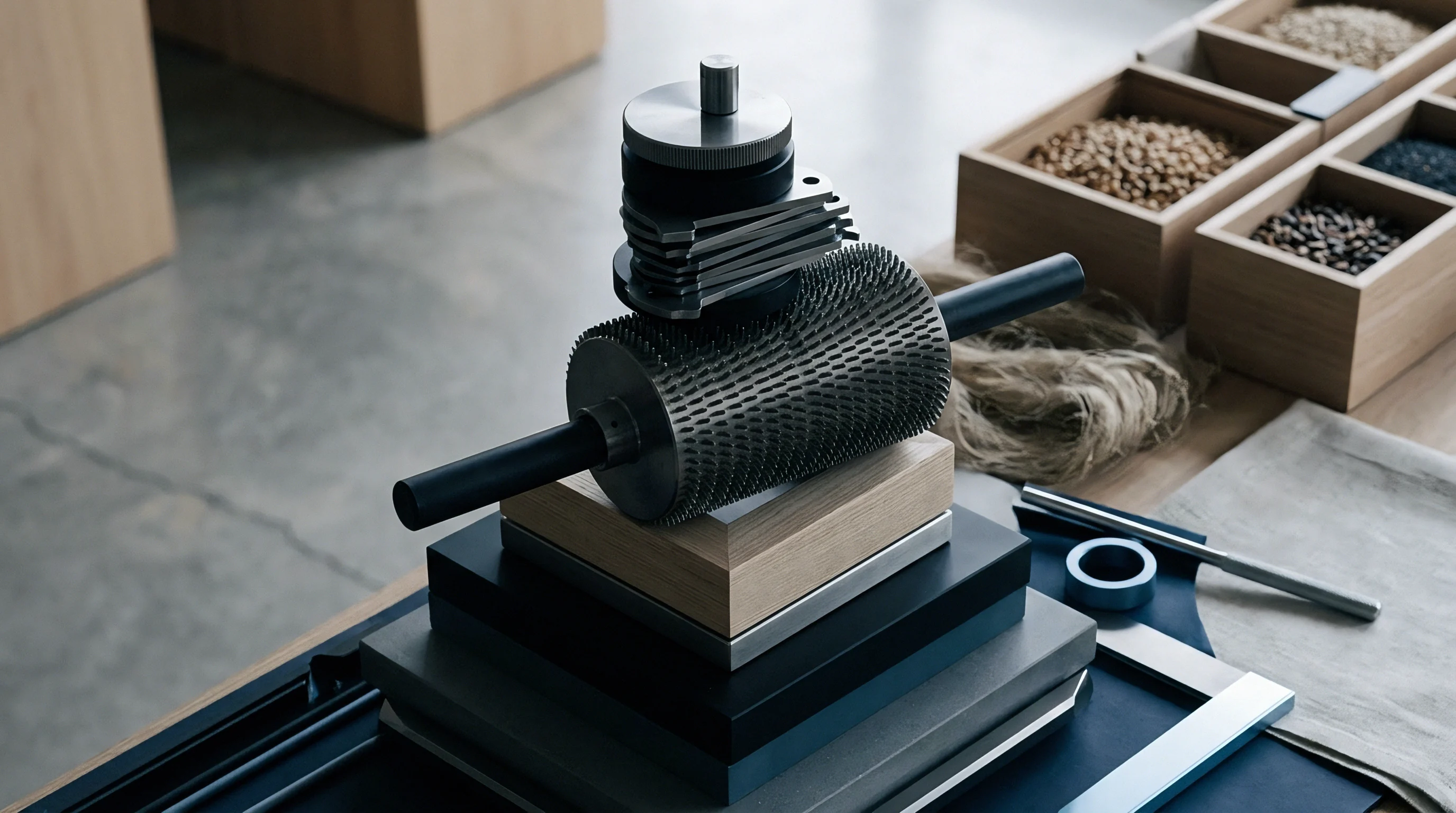

Digestion
Isolating cell wall polysaccharides requires reagents that cleave ester bonds or chelate divalent cations without breaking down matrix polymers. Complete extraction from bast fibre sliver means overcoming three retention mechanisms: ionic calcium bonds, covalent methyl ester links, and physical entrapment within the cellulose-hemicellulose matrix. Extraction reagents vary considerably in selectivity, operating temperature, and co-extraction profile.
An unsuitable reagent will understate total pectin or inflate values by dissolving neutral hemicelluloses.

Chelating and Alkaline Extraction Mechanisms
Ammonium oxalate targets the divalent calcium bridges binding homogalacturonan chains in the middle lamella. Because oxalate binds calcium more strongly than unesterified galacturonic acid does, it precipitates insoluble calcium oxalate and frees soluble ammonium pectate into solution. The reaction runs under continuous reflux at ninety-five degrees Celsius for ninety minutes.
Concentrated sodium hexametaphosphate operates by similar ion exchange, dissolving pectates near neutral pH. Ethylenediaminetetraacetic acid chelates calcium at room temperature under mildly alkaline conditions, though its high molecular mass makes subsequent alcohol precipitation difficult.
- Dry five grams of harvested bast sliver at 105 degrees Celsius for four hours to establish absolute bone-dry mass under standard conditions.
- Transfer the dried fibre into a two-hundred-millilitre reflux flask containing a zero-point-five percent ammonium oxalate solution at a liquor ratio of twenty to one.
- Heat the mixture to ninety-five degrees Celsius under continuous mechanical agitation for exactly ninety minutes to solubilize calcium-bound pectins.
- Filter the hot extract through a coarse sintered glass funnel of porosity grade two to isolate the dissolved polysaccharides from residual lignocellulosic sliver.
- Wash the solid residue three times with boiling distilled water, combining all filtrate washings into a volumetric flask for analytical assays.
- Precipitate the solubilized pectin by adding four volumes of cold ninety-six percent ethanol to the chilled filtrate and store at four degrees Celsius overnight.
Alkaline extraction uses dilute sodium hydroxide (zero-point-one to zero-point-five molar) to saponify methyl esters and dissolve cross-linked pectins. Saponification proceeds quickly at sixty degrees Celsius, converting esterified homogalacturonan into water-soluble sodium pectate. However, higher alkaline concentrations induce β-elimination at α-1,4-glycosidic bonds adjacent to methyl esters, degrading chains into low-molecular-weight fragments.
Hydroxide also extracts structural hemicelluloses like 4-O-methylglucuronoxylans, requiring tight pH control and short incubation times to preserve selectivity.
Enzyme Mediated Hydrolysis Workflows
Fungal polygalacturonases cleave α-1,4-glycosidic bonds along the homogalacturonan backbone with high specificity. Purified endopolygalacturonase from Aspergillus niger hydrolyzes internal bonds at random, breaking pectate chains down to short oligomers and monomeric galacturonic acid. Incubating at pH four-point-eight and forty degrees Celsius for twelve hours isolates the pectin fraction without attacking cellulose or neutral hemicelluloses.
Pectin lyase acts directly on esterified chains via trans-elimination without prior de-esterification, producing unsaturated C4-C5 uronides that absorb ultraviolet light at two hundred and thirty-five nanometres.
| Reagent System | Target Pectin Fraction | Reaction Temp (°C) | Extraction Time (min) | Co-Extraction Interference Risk |
|---|---|---|---|---|
| Ammonium Oxalate (0.5%) | Calcium-bound homogalacturonan | 95 | 90 | Low hemicellulose co-extraction |
| EDTA Disodium Salt (50 mM) | Total ionically cross-linked pectin | 25 | 120 | Reagent retention during precipitation |
| Sodium Hydroxide (0.1 M) | Esterified and bound pectins | 60 | 45 | Moderate xylan and glucan cleavage |
| Sodium Hexametaphosphate (1.0%) | Intercellular lamellar pectate | 85 | 60 | Phosphate salts interfere with colorimetry |
| Endopolygalacturonase (5 U/mL) | Unesterified homogalacturonan backbone | 40 | 720 | Minimal non-target polysaccharide damage |
Combining enzymatic digestion with ultrasonic agitation shortens incubation from twelve hours to forty-five minutes. Cavitation from twenty-kilohertz probes breaks down primary cell wall resistance, speeding enzyme entry into dense fibre bundles. Sonic inputs must be controlled; unmanaged cavitation creates local thermal spikes above sixty degrees Celsius that denature the polygalacturonase.
Circulating cooling baths keep the reaction within its optimal enzymatic temperature window during sonication.
A dark brown extraction filtrate signals hemicellulose degradation and compromises the integrity of subsequent colorimetric measurements.


Assay
Quantifying extracted polysaccharides depends on spectrophotometric assays of uronic acids liberated by acid hydrolysis. Colorimetric methods convert D-galacturonic acid into furfural intermediates that react with chromophores to produce colored compounds whose absorption matches pectin concentration. Calibration curves prepared with analytical-grade D-galacturonic acid monohydrate provide the baseline for reporting pectin as a percentage of bone-dry sliver mass.

Spectrophotometric Measurement of Galacturonic Acid
Reacting meta-hydroxydiphenyl with an acid-digested extract yields a pink chromophore with peak absorbance at five hundred and twenty nanometres. Digestion runs in concentrated sulfuric acid with twelve-point-five millimolar sodium tetraborate at one hundred degrees Celsius for ten minutes. Borate stabilizes the 5-formyl-2-furoic acid intermediate so it does not char into unreactive breakdown products.
Adding meta-hydroxydiphenyl at room temperature develops full color within five minutes. While neutral hexoses produce a faint yellow cast under these conditions, reading absorbance strictly at five hundred and twenty nanometres eliminates hexose background overlap.
An extraction temperature of ninety-five degrees Celsius for ninety minutes yields ninety-two percent total galacturonic acid recovery from line flax slivers.
The classic carbazole assay reacts uronic acids in hot concentrated sulfuric acid to generate a reddish-purple complex read at five hundred and thirty nanometres. While sensitive, carbazole reacts strongly with neutral plant sugars: arabinose, galactose, and glucose turn brown in hot acid, artificially raising apparent pectin by fifteen to thirty percent. Switching to meta-hydroxydiphenyl cuts neutral sugar cross-reactivity tenfold, making it the practical benchmark for industrial sliver analysis.
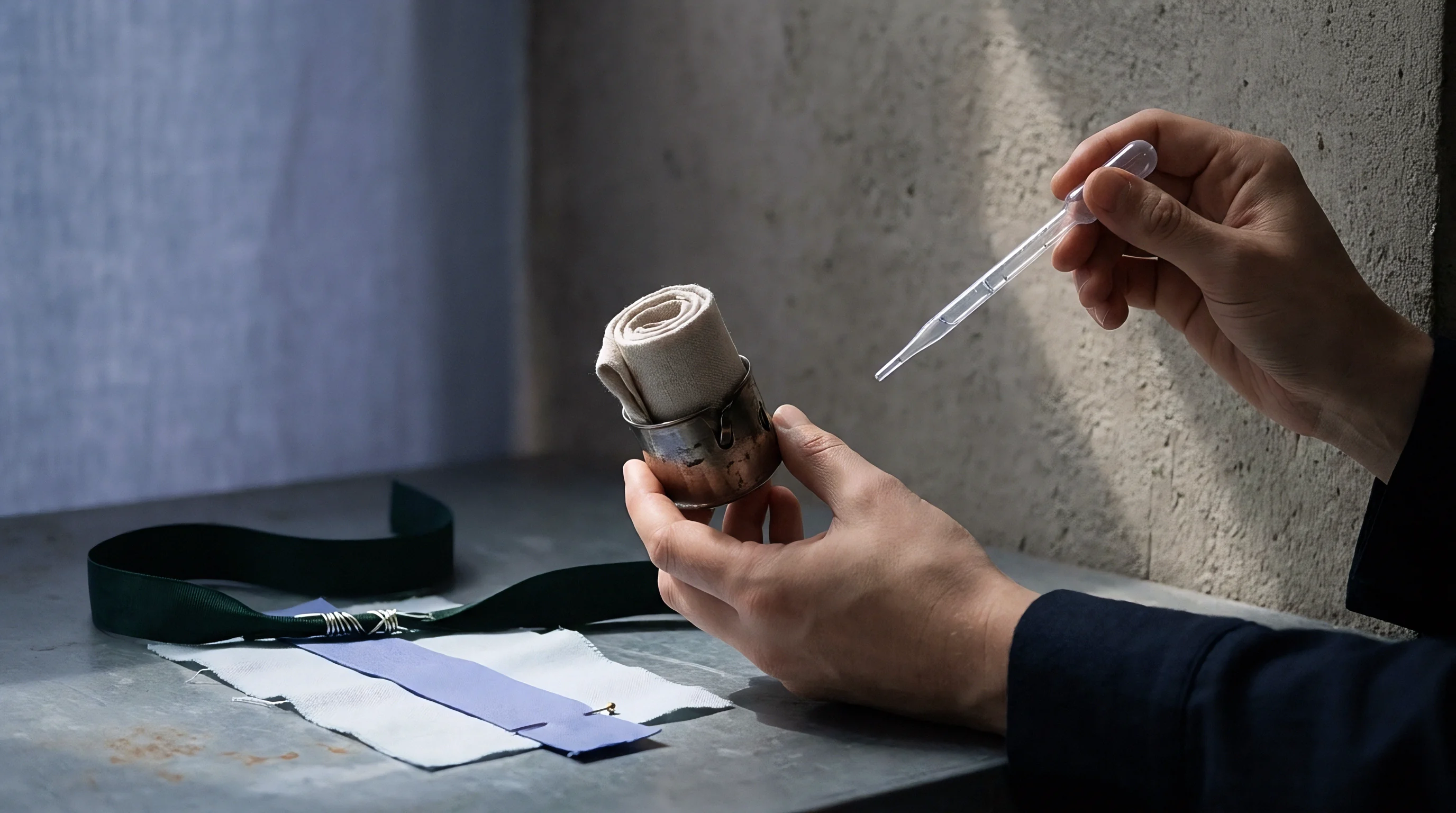
Chromatographic Separation and Gravimetric Alternatives
High-performance anion-exchange chromatography with pulsed amperometric detection measures individual monosaccharides freed during trifluoroacetic acid hydrolysis. Digesting sliver extracts in two molar trifluoroacetic acid at one hundred and twenty degrees Celsius for two hours cleaves glycosidic bonds down to single units without destroying uronic acids. Separation on a CarboPac PA1 column under a sodium acetate gradient in zero-point-one molar sodium hydroxide isolates galacturonic acid from glucuronic acid, rhamnose, arabinose, galactose, and glucose.
Picomole-level amperometric detection delivers clean pectin profiles even on bleached or chemically modified sliver.
| Methodology | Detection Wavelength (nm) | Linear Range (µg/mL) | Coefficient of Variation (%) | Neutral Sugar Interference |
|---|---|---|---|---|
| m-Hydroxydiphenyl Colorimetry | 520 | 5.0 – 100.0 | 1.8 | Negligible with sulfamate background control |
| Carbazole Colorimetry | 530 | 10.0 – 150.0 | 4.2 | High positive bias from neutral hexoses |
| HPAEC-PAD Chromatography | N/A (Electrochemical) | 0.1 – 50.0 | 0.9 | Zero interference due to column separation |
| Gravimetric Alcohol Precipitation | N/A (Mass Difference) | 1000.0+ | 6.5 | Extreme co-precipitation of beta-glucans |
Gravimetric methods determine pectin by weighing the precipitate formed when aqueous extracts are mixed with four volumes of cold ninety-six percent ethanol, followed by seventy percent ethanol washes to remove residual salts and free sugars. The method demands large sample sizes (twenty to fifty grams of sliver) to yield a precipitate above ten milligrams. Because waxes and high-molecular-weight hemicelluloses precipitate alongside pectin in ethanol, gravimetric yields consistently run higher than chromatographic galacturonic acid values.
Establishing this bench protocol prevents rejected yarn shipments that can total forty-eight thousand dollars.
Uncalibrated spectrophotometer lamps skew galacturonic acid readings across commercial sliver lots, adding weeks of re-testing costs.

Cohesion
Inter-fibre friction dictates how technical bast bundles slip past one another in the drafting zone. Residual pectin serves as both an internal binder and a boundary lubricant. Stripping too much middle lamella pectin leaves ultimate fibres unanchored, causing them to drift apart under light drafting tension.
Retaining too much leaves bundles thick and unyielding, generating high roller resistance and severe weight irregularities in the roving.

Inter Fibre Friction and Draft Force Dynamics
Drafting force sensors show sharp resistance spikes whenever unretted pectin clusters enter the front roller nip. Slivers with more than two percent residual pectin generate drafting forces over forty-five newtons per kilotex during first-passage drawing. This resistance causes front top rollers to flex on their arbours, producing stick-slip motion that creates periodic drafting waves.
The resulting roving displays high mass unevenness on Uster testers, raising end-break rates on the spinning frame.
| Residual Pectin (% Mass) | Mean Drafting Force (N/ktex) | Stick-Slip Peak Frequency (Hz) | Roving Mass Unevenness (CV %) | Maximum Spinnable Count (Nm) |
|---|---|---|---|---|
| 0.4 – 0.7 (Over-retted/Over-extracted) | 12.5 | 2.1 | 18.5 | Nm 26 (Weak fibre bundle structure) |
| 0.8 – 1.2 (Enzyme-retted Optimal) | 22.0 | 4.5 | 10.2 | Nm 80 (Fine, uniform line yarn) |
| 1.3 – 1.8 (Dew-retted Standard) | 31.5 | 8.7 | 12.8 | Nm 40 (Standard commercial line) |
| 1.9 – 2.6 (Under-retted/Hard) | 48.0 | 19.4 | 22.4 | Nm 18 (Coarse tow yarn only) |
Residual pectin below zero-point-six percent destroys bundle cohesion. Without middle lamella pectin to hold the ultimate fibres together, drafting rollers pull filaments out of the sliver core prematurely; the strand loses tensile integrity and breaks under draft tensions as low as five newtons. Drawing frames chatter whenever residual pectin drifts above two-point-two percent by mass.
Technologists use pectin test data to reset roller gauge distances and weighting arms to maintain controlled attenuation.

Does Residual Pectin Level Dictate Wet Spinning Trough Temperature?
Wet spinning troughs use hot water to soften remaining middle lamella polymers so bundles can draw down finely. Roving passes through baths held between sixty and eighty-five degrees Celsius before hitting the drafting nip. Hot water hydrates the pectin gel and depresses the glass transition temperature of homogalacturonan domains, allowing filaments to slide smoothly under low force and draw out to counts like Nm 60 and Nm 80.
- Draft zone slippage occurs when excessive pectin extraction removes the friction needed to hold fibres during roller acceleration, causing thin spots in the roving.
- Nep generation increases when unextracted homogalacturonan patches cause adjacent filaments to clump together into dense knots during drawing.
- Roller lapping manifests when low-molecular-weight pectin fragments bleed out in hot water troughs and deposit sticky residues on rubber top rolls.
- Roving breakages escalate during wet spinning if aggressive chemical extraction destroys the intercellular matrix, leaving filaments with insufficient boundary strength.
Slivers rich in highly esterified pectin require hotter trough water to initiate fibre slip. Water at eighty-five degrees Celsius saponifies methyl esters directly on the frame, aiding draft but loading the bath with dissolved organic matter. Dissolved pectin accumulates as a tacky film across guide rods and capstans.
Testing incoming sliver for pectin lets mills operate troughs at lower temperatures, saving heat and curbing roller lapping.
Commercial sliver contracts specify a residual pectin range of one-point-two to one-point-eight percent by mass measured via the meta-hydroxydiphenyl method.
Harvest rain frequently forces early scutching, leaving residual pectin levels well above agreed contract thresholds.


Interference
Co-extracted cell wall components routinely contaminate pectin hydrolysates and distort spectrophotometric readings. Bast walls carry cellulose, xylan, glucomannan, galactoglucomannan, lignin, and waxes alongside target galacturonans. Reagents intended to dissolve pectin often pull out fractions of these non-target polymers.
Without proper separation or chromophore suppression, testing reports inflated pectin values to yarn buyers.

Co Extraction Risks with Hemicellulosic Polymers
Hot aqueous digestion dissolves neutral xylans and glucans together with uronic acid chains. Digesting sliver in ammonium oxalate or sodium hydroxide above eighty degrees Celsius extracts up to eight percent of structural hemicellulose. Acid hydrolysis subsequently reduces these polymers to xylose, glucose, and mannose.
When heated in concentrated sulfuric acid during carbazole or meta-hydroxydiphenyl testing, high hexose levels convert to hydroxymethylfurfural, which absorbs across five hundred to five hundred and forty nanometres and produces false-positive readings.
Adding sodium sulfamate to the acid digestion mixture suppresses neutral sugar interference. Sulfamate ions react with furfural intermediates before the chromophore is introduced, converting them into colorless, non-absorbing products. Pre-washing raw sliver with ethanol-water mixtures also removes free sugars, oligosaccharides, and cytoplasmic debris.
Skipping alcohol pre-extraction lets background sugars inflate measured pectin by zero-point-four to zero-point-eight percentage points.

Standardized Moisture Correction and Sample Preparation
Conditioning raw sliver in a standard atmosphere under ISO 6741 prevents mass calculation errors. Bast fibres hold significant moisture regain, absorbing seven to twelve percent atmospheric moisture at twenty degrees Celsius and sixty-five percent relative humidity. Testing unconditioned sliver without moisture correction understates the true dry-basis pectin percentage.
Laboratories dry samples to constant weight at one hundred and five degrees Celsius or apply moisture regain correction factors determined on companion aliquots.
- Solvent pre-extraction using ethanol and acetone removes lipids, waxes, and pigments before aqueous chemical digestion begins.
- Sulfamate reagent addition suppresses neutral hexose and pentose interference during colorimetric reaction steps with meta-hydroxydiphenyl.
- Temperature control logs confirm that acid hydrolysis remains at ninety-five degrees Celsius to avoid thermal degradation of monomeric uronic acids.
- Reference standard calibration using ultra-pure D-galacturonic acid generates a fresh six-point calibration curve for every sample batch.
Lignin co-extraction is another frequent source of spectral error. Retting leaves varying amounts of Klason lignin and acid-soluble lignin on the bast bundles. Hot alkaline solutions dissolve acid-soluble phenolics, which absorb across the UV-visible spectrum and form cloudy brown suspensions upon acidification.
Filtering through zero-point-four-five micrometre PTFE membranes and subtracting extract blanks eliminates background phenolic absorbance.
Neutral sugar interference inflates apparent pectin measurements by up to twenty-five percent if sulfamate suppression is omitted from the bench protocol.
Master reference materials confirm this correction factor across independent trials.
Standard ISO 1833 annex C specifies ethanol washing prior to uronic acid assay, eliminating false pectin readings caused by soluble plant sugars.


Yield
Fibre losses during chemical digestion mirror hackling waste and downstream spinning conversion rates. Scutched flax is hackled to comb out short tow and align long-staple line flax for drawing. Middle lamella pectin levels determine how much line flax survives hackling intact.
Laboratory pectin figures give procurement teams a direct tool to project line flax yields, spinning runnability, and final fabric costs.

Tenacity Limits and Spinnable Metric Counts
Spinning fine yarns like Nm 60 requires well-separated bundles with low residual pectin. Slivers carrying over two percent pectin cannot draft down cleanly, restricting production to coarse counts between Nm 18 and Nm 26. Using under-retted sliver for coarse counts increases yarn linear density, limiting output to upholstery or heavy canvas.
Fine apparel linens needing Nm 50 or Nm 60 yarn require slivers holding zero-point-eight to one-point-two percent pectin.
| Fibre Sliver Pectin Category | Hackling Yield (% Line Flax) | Yarn Tenacity (cN/tex) | End Breakage Rate (Breaks/1000 Spindle Hr) | Delivered Yarn Price (USD/kg) | Finished Metre Fabric Cost (USD/m) |
|---|---|---|---|---|---|
| Low Pectin (0.5% – 0.7%) | 42.5 | 21.4 | 68 | 14.20 | 4.85 |
| Optimal Pectin (0.8% – 1.2%) | 58.0 | 28.5 | 18 | 18.50 | 5.40 |
| Standard Dew (1.3% – 1.7%) | 52.0 | 24.2 | 32 | 16.00 | 5.10 |
| High Pectin (1.8% – 2.5%) | 38.0 | 17.8 | 112 | 11.80 | 6.25 |
Yarn tenacity depends on even pectin distribution. When residual pectin forms discrete, hard patches rather than a continuous thin film, stress concentrates at bundle interfaces under load. In tensile tests under ISO 2062, yarns spun from patchy sliver show low single-strand strength and high break scatter.
Slivers with an even zero-point-nine percent pectin deliver single-yarn tenacities up to twenty-eight-point-five centinewtons per tex, whereas high-pectin lots fall below eighteen centinewtons per tex under localized stress concentrations.

Metre Pricing Impact across Sourced Fibre Lots
Waste allowances add up to fifteen percent to landed yarn costs when running under-retted stock. Lower hackling yields mean mills burn through more raw scutched flax for every kilogram of combed line sliver. Running high-pectin lots that yield thirty-eight percent line flax increases fibre consumption per kilogram of yarn, whereas optimal slivers yielding fifty-eight percent line flax minimize hackling loss and recover their initial price premium through cleaner spinning conversion.
Finished fabric cost depends directly on hackling yield, spinning break rates, and delivered yarn tenacity.
High end-break rates on the spinning frame run up manufacturing overhead. Running at one hundred and twelve breaks per thousand spindle hours adds machine downtime, piecing labour, and wasted roving, pushing fabric costs from high-pectin sliver up to six dollars and twenty-five cents per linear metre. Optimal pectin slivers lower breaks to eighteen per thousand spindle hours, bringing finished fabric costs down to five dollars and forty cents per linear metre at the same weave density.
Testing bast sliver for pectin before issuing purchase orders keeps mills from buying into poor bundle division and high process waste.
Matching chemical pectin data against drafting force logs gives mills predictable yarn metrics and heads off line stoppages during high-speed wet spinning.