Botanical Raw Material
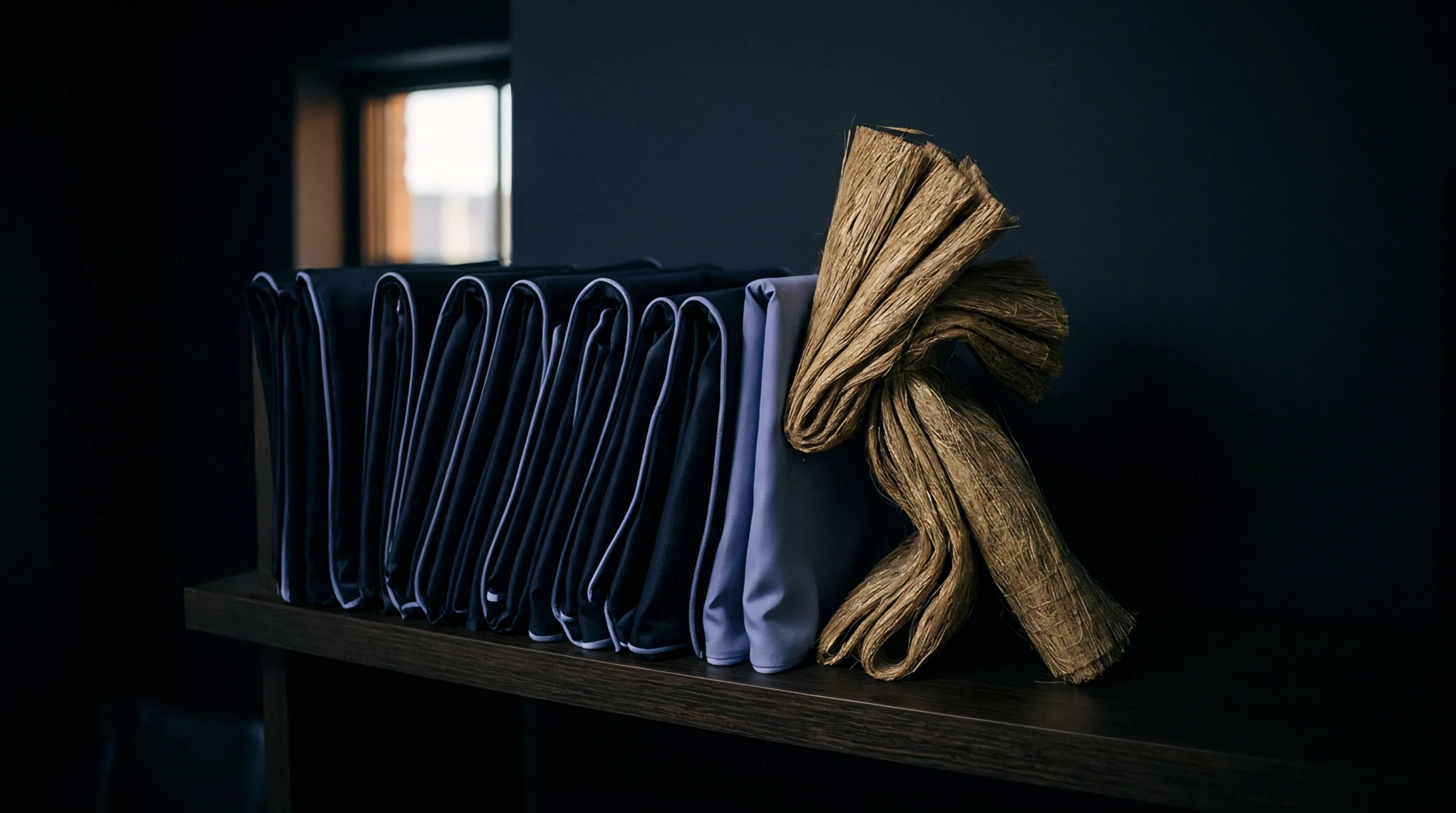
This biological taxon identifies the annual herb providing the primary bast fibres utilized for the production of linen textiles across global industrial manufacturing facilities. Within the context of Chinese processing mills, linum usitatissimum denotes the specific variety of flax grown for harvest rather than seed oil extraction. The material requires rigorous grading at the intake phase to ensure the technical performance of subsequent mechanical steps.
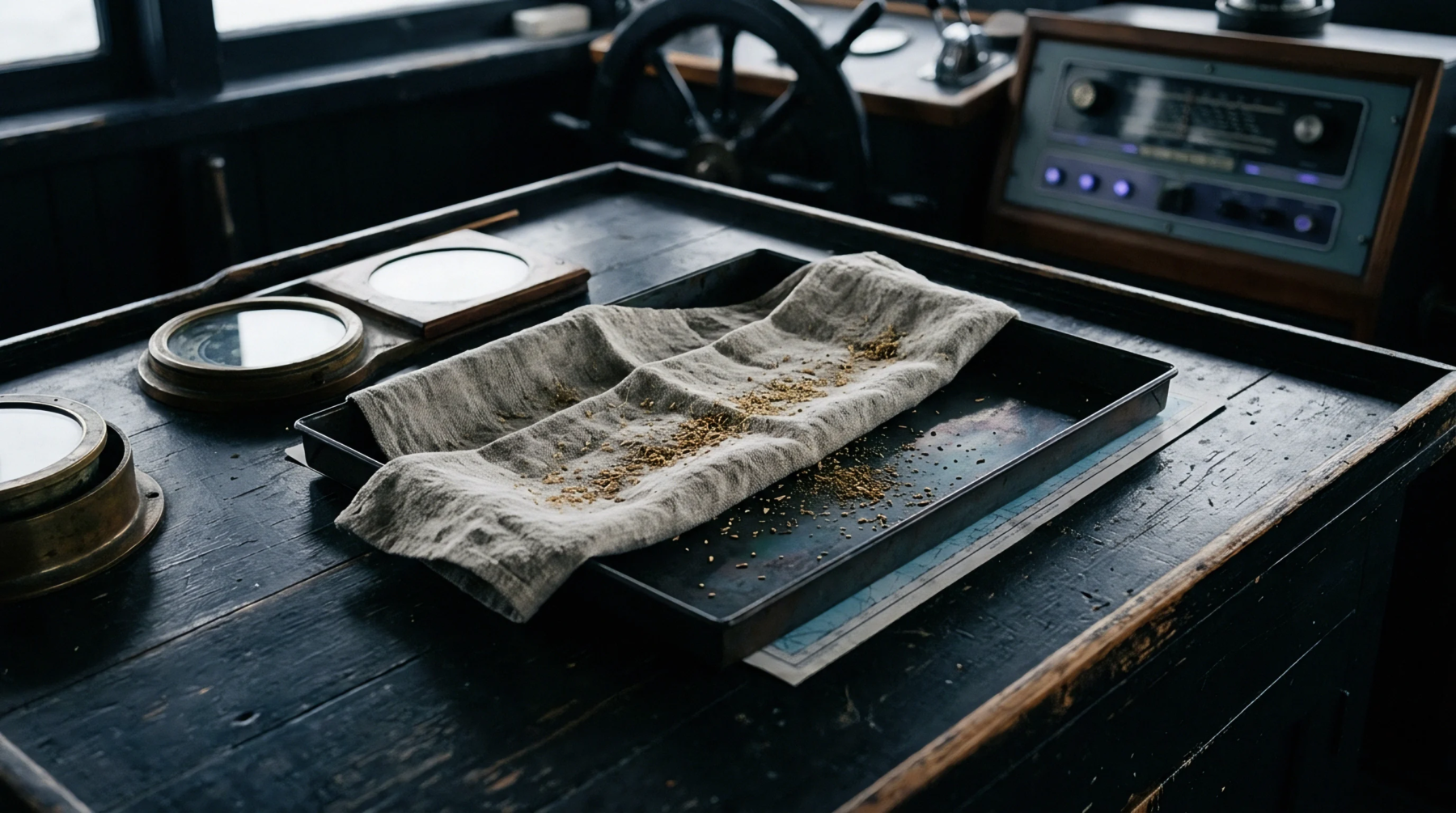
Procurement teams monitor the stalk length and cellulose purity of every delivered batch to verify that the incoming cargo aligns with the facility requirements. Quality control labs assign a numeric classification to the raw harvest based on moisture content and stem diameter. These measurements dictate the machine settings for the subsequent mechanical extraction and separation processes.
Extraction Specification
Mill technicians apply the formal standards for linum usitatissimum to evaluate the quality of the retted straw arriving from agricultural suppliers. The document governing this assessment functions as the primary reference for both the grower and the mill purchaser. This record details the specific weight of the dry stalk and the permissible percentage of non fibrous waste materials found within each bale.
Fibre grades distinguish between coarse varieties suitable for twine production and refined long line fibres required for spinning fine yarn. Fabric grades result from the combined analysis of spinning consistency and the resulting tensile strength of the finished yarn. Buyers reject shipments that contain excess woody core remnants because these particles interfere with the spinning mechanisms.
Disagreements arise when the mill standard for residual pectin differs from the buyer acceptance criteria. Operators resolve these gaps by testing the specific enzyme resistance of the current lot.
Spinning Boundary
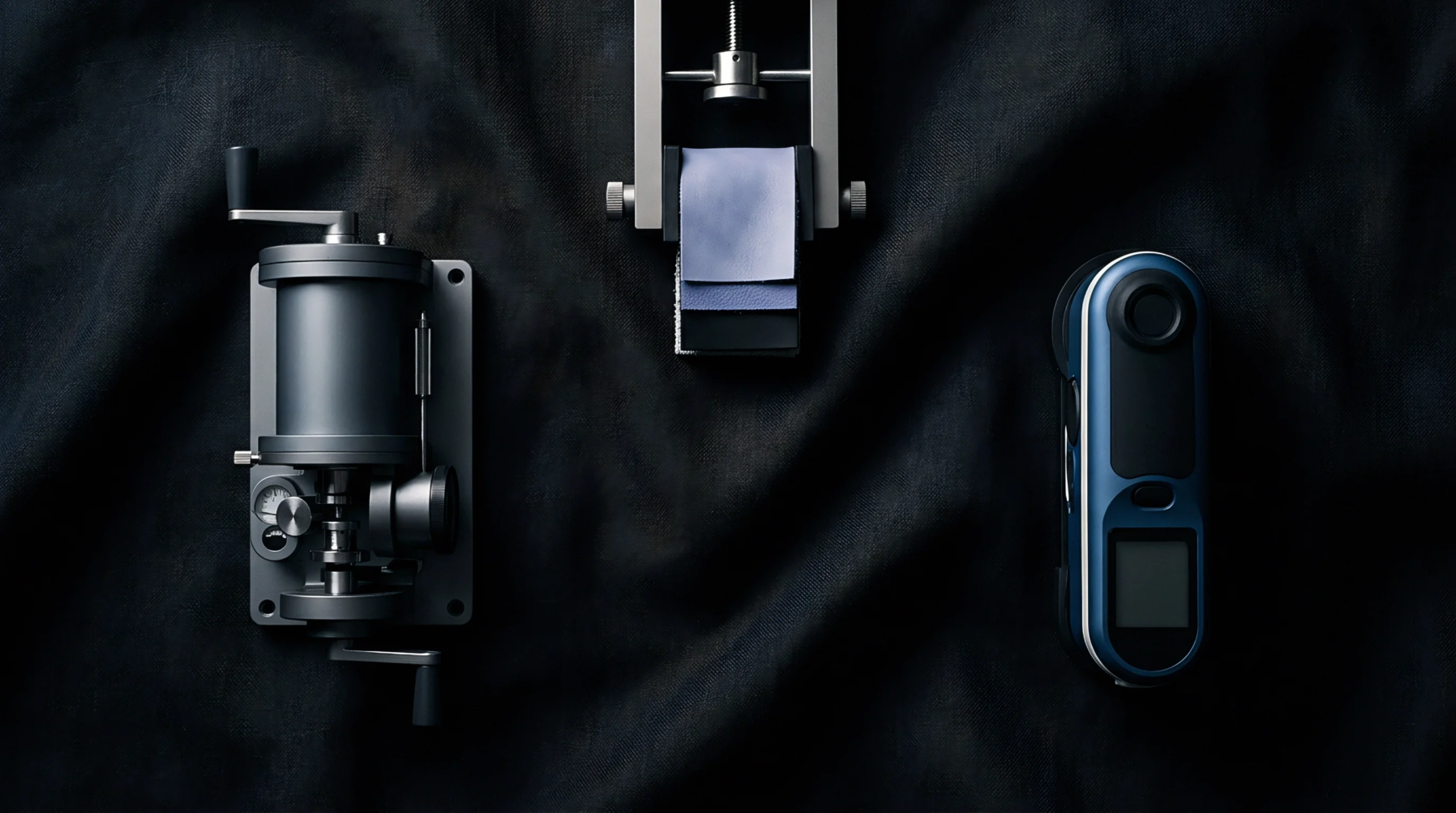
Industrial production processes categorize the suitability of linum usitatissimum by the density of the processed fibre after mechanical decortication. Spinning departments define this limit based on the micron count and the elastic recovery of the individual strands. Each lot undergoes a test for uniformity before the machines perform the drawing and roving operations.
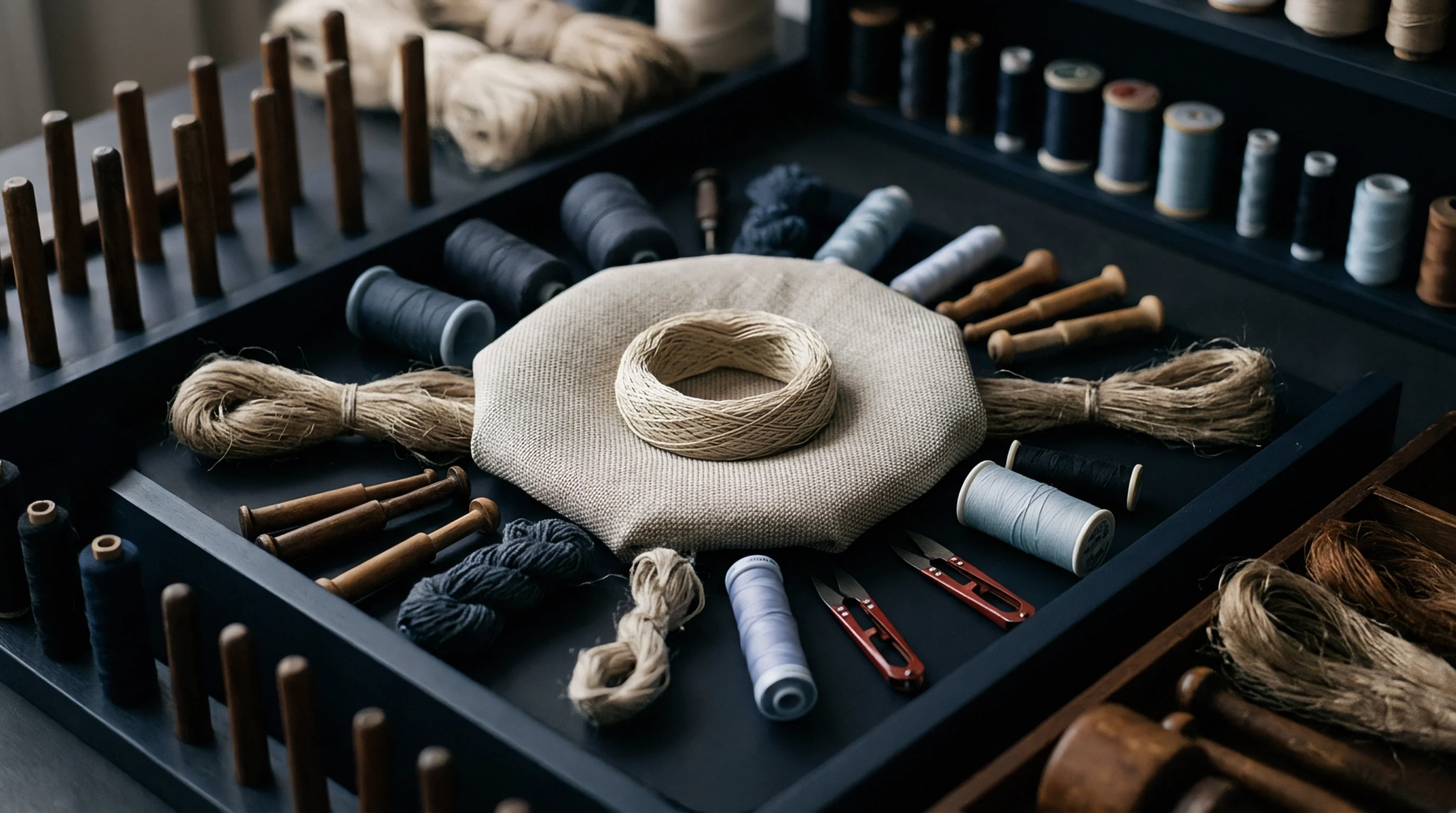
The output of the carding process must meet the baseline threshold for moisture retention to prevent breakage during the high speed winding phase. Consistency across these batches regulates the final quality of the exported fabric. Consistent fibre supply directly determines the operational efficiency of the loom.