Fibre Classification
Raw flax material undergoes mechanical separation where scutched flax line emerges as the primary output of the scutching process. This refined product consists of long aligned bundles of bast fibres cleared of woody debris and short waste stalks. Mechanical combing identifies the length and strength characteristics required for high-end yarn production.
Inspectors sort the material by grade based on visual fineness and color uniformity within the batch. A commercial mill tracks these grades through a specific ledger entry that correlates physical properties with final spinning potential.
Processing Verification
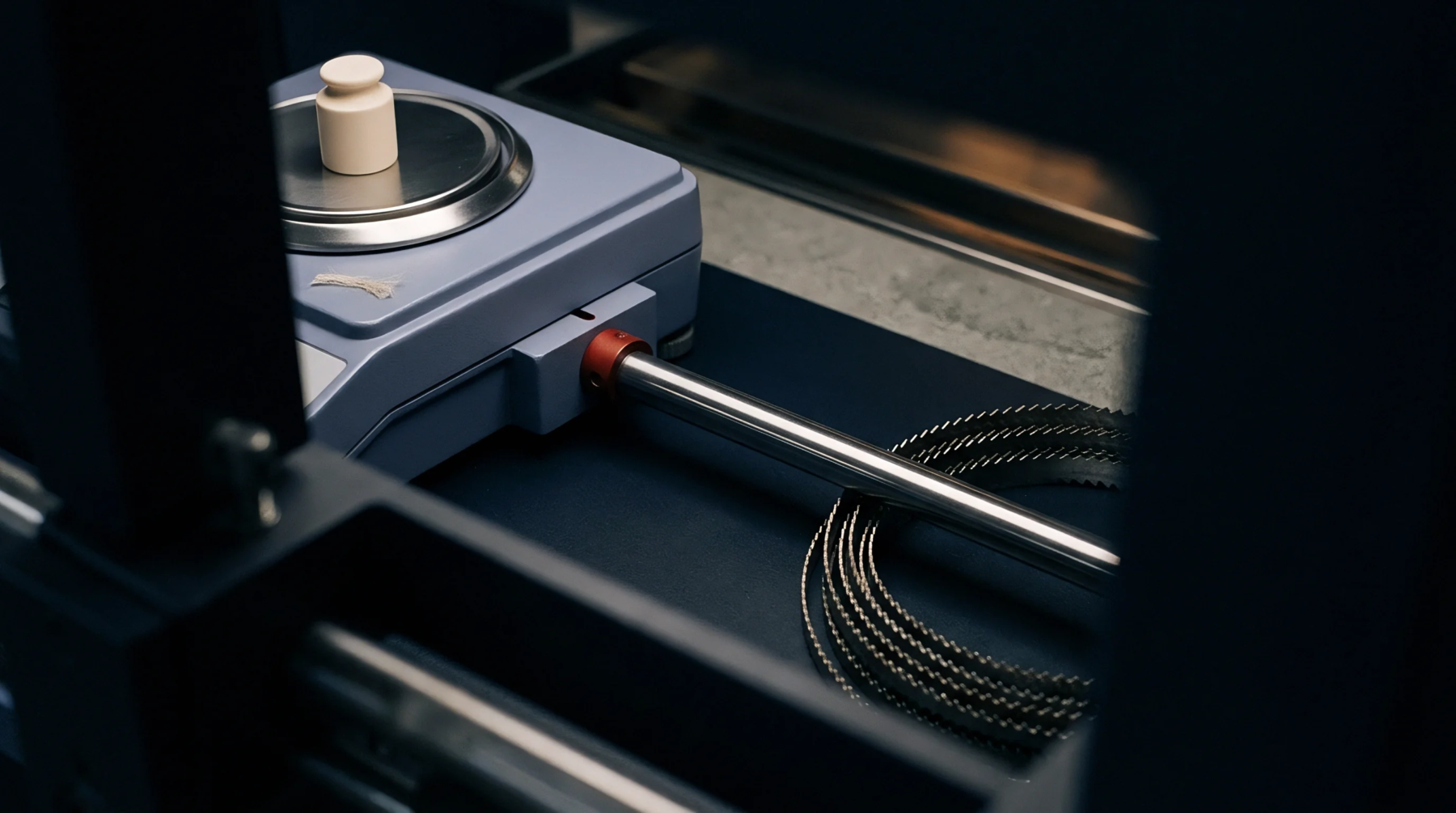
Quality control measures determine the success of the mechanical separation by calculating the weight ratio of recovered long fibres against the initial dried straw input. This ratio informs the yield expectation for subsequent drawing and roving operations. Technicians monitor for residual shive content as excessive debris impairs the regularity of the yarn diameter.
Standard protocols require the removal of broken or entangled strands to ensure consistent tension during high-speed spinning. Each bale receives a stamp after laboratory testing confirms adherence to the tensile strength requirements for fine linen production.
Contractual Compliance
Acceptance documents define the commercial thresholds for moisture content and cleanliness that govern a shipment between a primary processor and a textile mill. These documents set the commercial value of the fibre lot relative to global market benchmarks for flax quality. Buyers reject lots that exceed defined limits for vegetable matter or moisture levels because processing costs rise when raw material performance remains inconsistent.
A strict adherence to the specified fibre length distribution protects the mill from increased end-breakage rates during the spinning stage. The technical merit of the delivery determines the final price paid to the provider.