Mill Tension
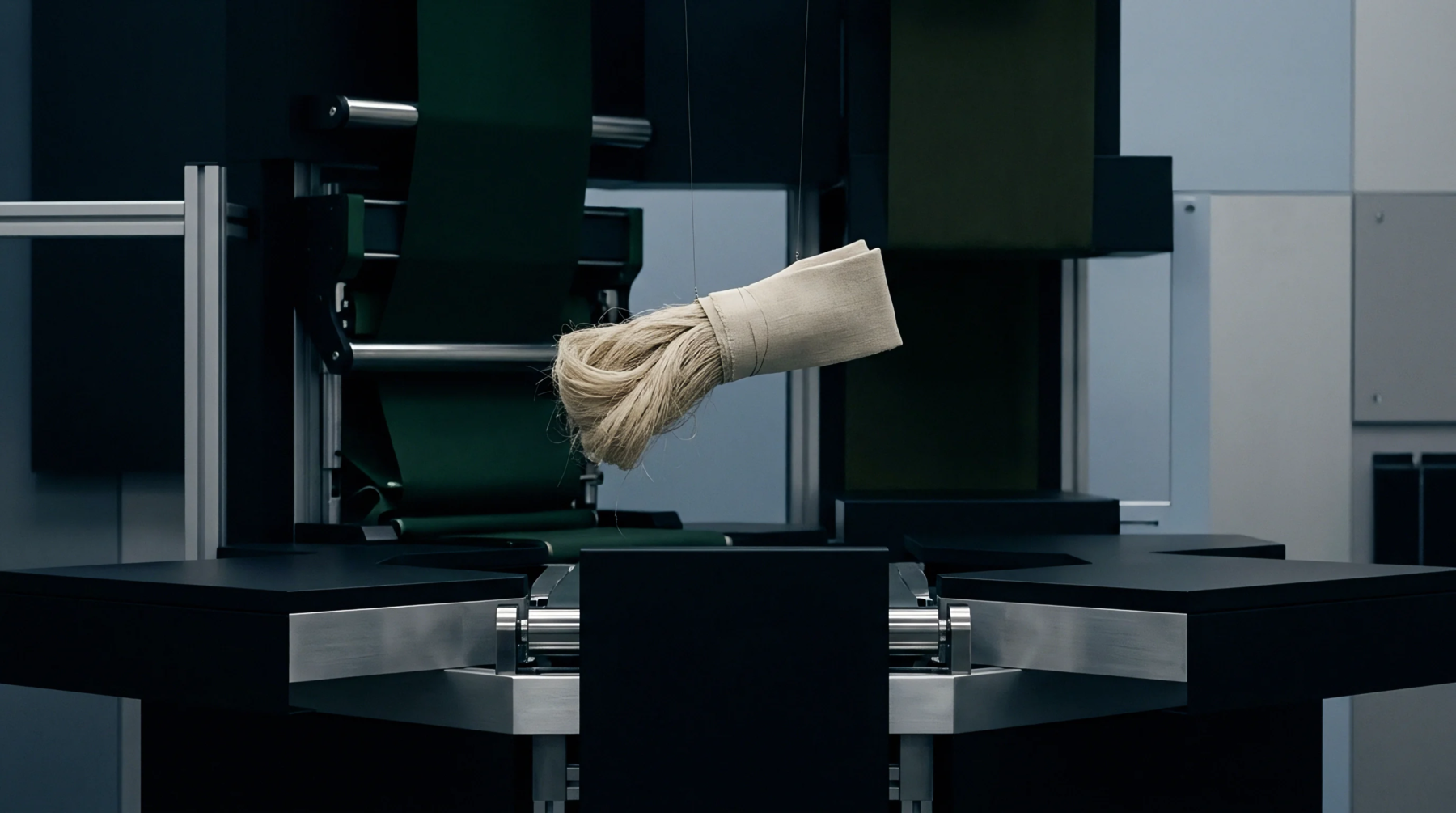
Mechanical stress applied to flax rovings during spinning determines how often yarns snap under load, a breakage frequency recorded directly on the loom floor inspection sheet. Break frequency measures end breaks per spindle hour during high speed production on wet ring frames. Wet spinning introduces high water bath temperatures to soften pectin binding agents in the flax fibre, creating a delicate balance between draft resistance and strand integrity.
Exceeding the optimal tension limit during drafting causes frequent strand ruptures that degrade overall yarn uniformity. The standard applies exclusively to spun linen yarn production up to the point of final winding onto bobbins and ceases to govern sizing or weaving processes.
Yarn Grading
The linear density variations and tensile strength limits separate raw fibre grades from finished fabric classifications during mill sorting. A fibre grade depends on natural length, fineness and residual gum content assessed before spinning begins. Fabric quality relies on thread count, cover factor and surface hairiness evaluated after wet finishing operations conclude.
Mill operators establish internal control limits to monitor equipment performance and reduce unexpected machine downtime. Buyer acceptance criteria remain tied to external commercial contracts specifying allowable knots, slubs and weak spots per standard length of finished cloth.
Process Control
Quality inspectors rely on the inspection register to trace manufacturing anomalies back to specific spinning frames and batch lots. Operators adjust twist levels and traveler weights when yarn breakage rates rise above acceptable mill thresholds. High breakage frequencies indicate excessive friction in the drafting zone or inadequate moisture absorption during the maceration stage.
Low ambient humidity in the spinning room dries out flax strands prematurely and increases yarn brittleness before winding occurs. Machine maintenance schedules depend on continuous monitoring of spindle performance to prevent repetitive mechanical failures along the production line. Yarn breakage frequency governs commercial disputes regarding delivery delays and quality penalties in international linen trade agreements.