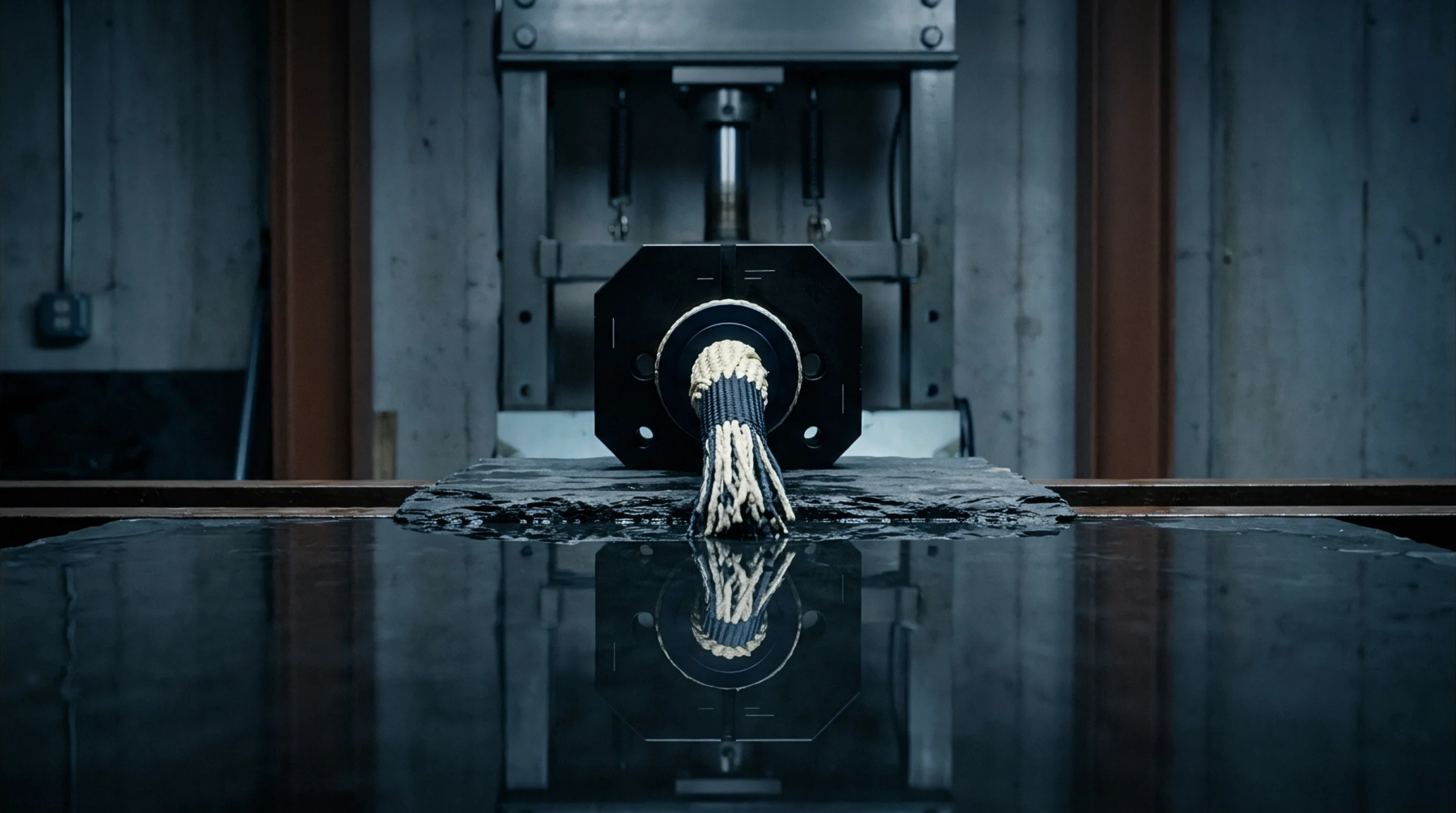
Wet Spun Flax Yarn Dynamic Tensile Fatigue Testing Protocols
Dynamic tensile fatigue protocols for wet spun flax quantify cyclic inter-fiber pectin shear, predicting high-speed loom warp stops before beam mounting.
Dynamic tensile fatigue protocols for wet spun flax quantify cyclic inter-fiber pectin shear, predicting high-speed loom warp stops before beam mounting.
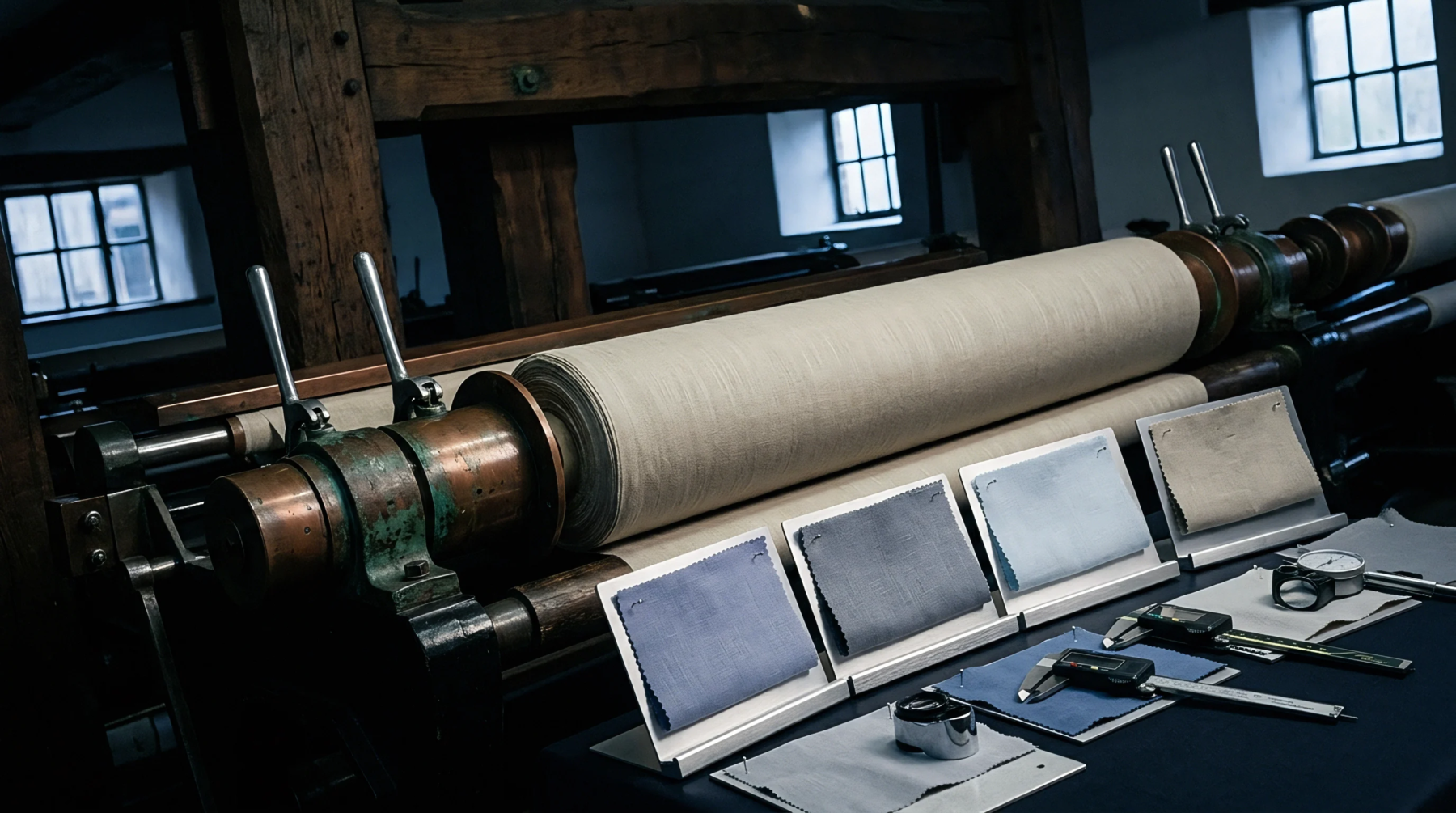
Airflow fineness measurement requires strict thermodynamic equilibrium and morphology calibration to avoid deceptive linear density readings in bast fiber trading.

High-speed rapier friction accelerates evaporative desiccation in wet spun linen, requiring targeted shed micro-climates to maintain eleven percent regain.

Calibrating inter-elementary pectin matrix cohesive parameters against dynamic loom tension spikes prevents shear failure in ultrafine wet spun linen.
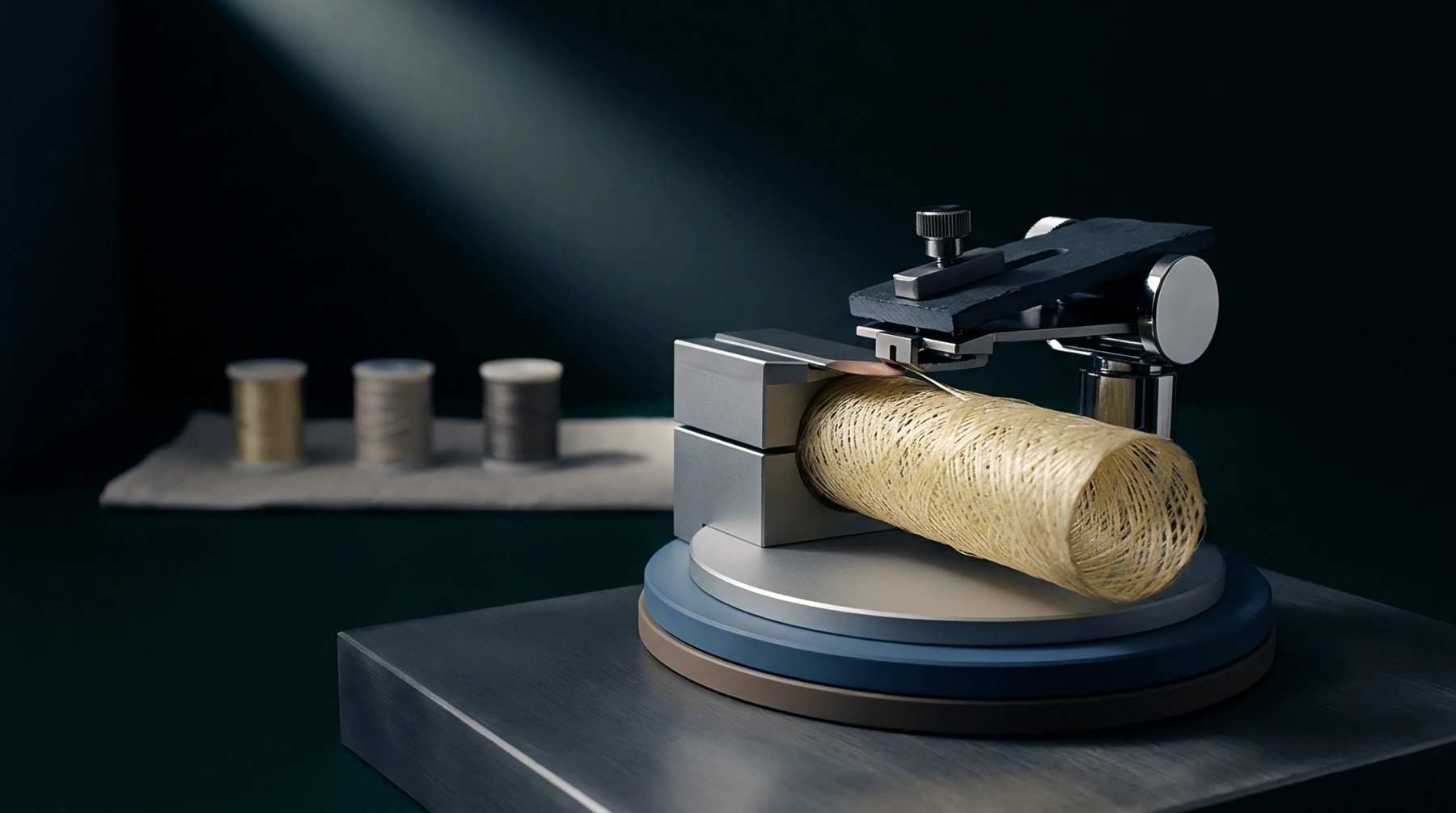
Optical diameter distributions overstate flax fineness due to non-circular cross-sections; calibrating against gravimetric ISO 2370 standards prevents mill spinning failures.

Hackling yield calculations convert scutched line flax mass into spinnable sliver through precise moisture regain corrections and mechanical tow loss balancing.

Elementary cell cross-sectional area population distributions predict wet-spinning breakage limits far more accurately than standard gravimetric tex averages.

Cyclic shedding strain in high-density ultrafine linen warps causes inter-fiber shear micro-fibrillation, controlled by optimized PVA sizing and low shed angle.

Resolving multi-party friction defect claims on ultrafine linen warps requires standardized sizing telemetry audits and retained un-sized yarn sample testing.

Optical image analysis of overlapping flax bundles demands controlled sample dispersion, distance transform segmentation, and microtome cross-sectional correction.
Expertise is a utility, not a secret. sentiention™ publishes its working knowledge as open reference: intelligence layer covering the materials it sources, the markets it enters, and the reference that serves both.