Verifying European Flax Transaction Scope against Finished Goods
Verify European Flax scope claims by matching batch transaction certificates to mill intake logs and applying stage yield losses to raw input mass.
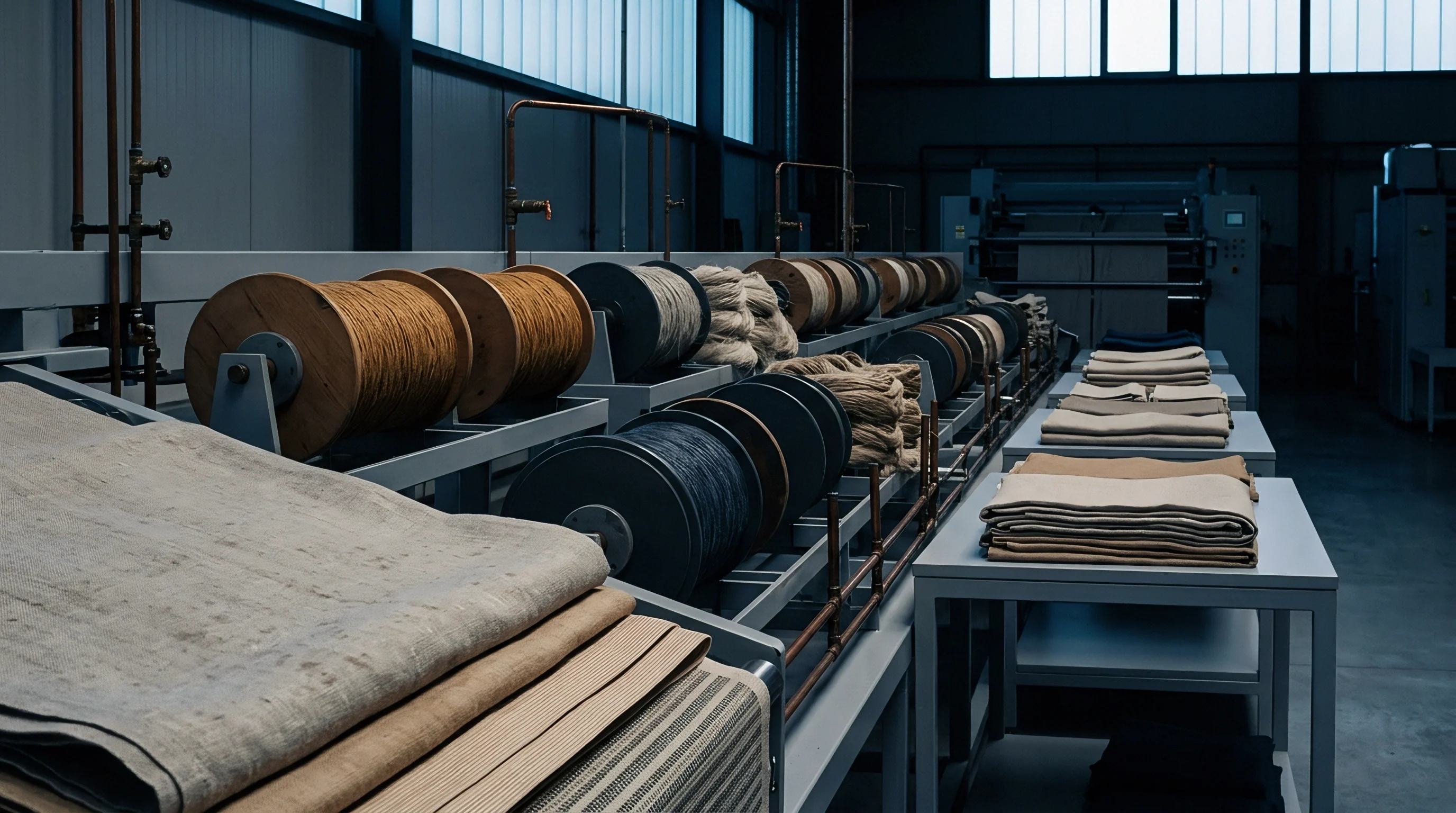
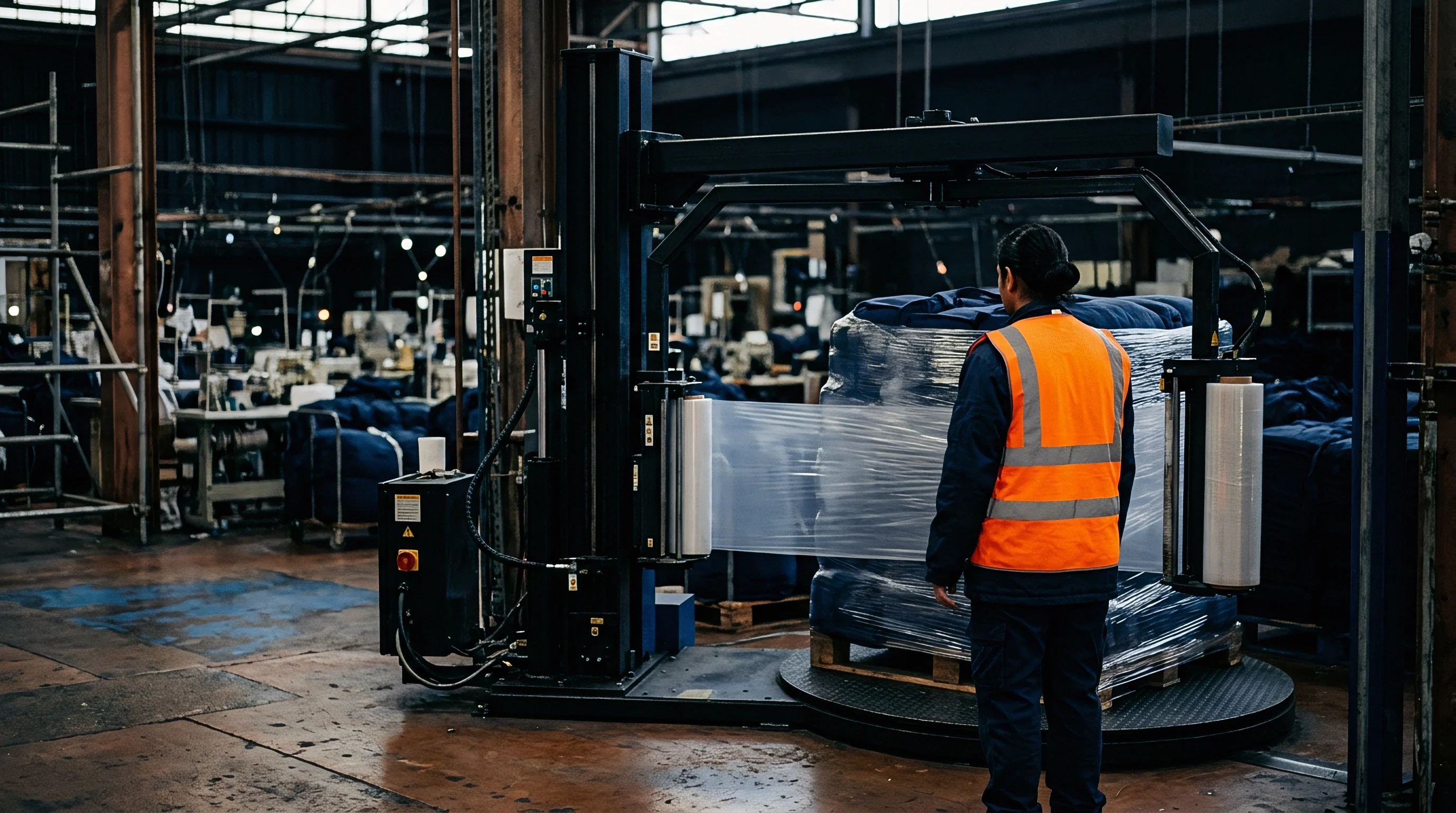
Certificate
Documentary chains governing Western European flax provenance break most often during primary mechanical processing, where raw straw is converted to long scutched fibre. A buyer holding a retail garment labelled as European Flax routinely receives an enterprise-level qualification paper from an offshore garment factory, assuming that single page covers the specific batch of cloth sitting on the shipping pallet. That assumption rarely survives customs scrutiny or independent scheme verification.
Enterprise qualifications only confirm that a manufacturing facility possesses the technical systems to handle compliant material on a given inspection date. They do not prove that a specific consignment of finished fabric contains even one kilogram of certified European flax fibre.

Scope Boundaries across Certification Schemes
Verification requires distinguishing site-level capability papers from batch-specific transfer receipts. The Alliance for European Flax-Linen & Hemp oversees the European Flax certification scheme, which guarantees origin for premium flax fibre grown in France, Belgium, and the Netherlands. This scheme operates as a chain-of-custody model tracking material from the scutching enterprise through spinning, weaving, and finishing, down to the final brand.
When flax leaves Western European scutchers, it carries a unique lot identifier tied to the agricultural producer group and the scutching facility. Once exported to spinning mills in Jiangsu, Zhejiang, or Tamil Nadu, the fibre enters processing environments that frequently run certified European flax alongside uncertified local flax, Russian fibre, or synthetic staple fibres.
A secondary regime, Masters of Linen, imposes stricter geographic requirements. While European Flax permits spinning, weaving, and garment assembly anywhere in the world provided the documentary transfer remains unbroken, Masters of Linen requires every transformation stage from scutched fibre to finished fabric to take place on European soil. An Asian mill can hold a European Flax scope paper, but no facility operating outside Europe can qualify for Masters of Linen status.
Sourcing managers who confuse these two standards often accept paperwork from Chinese weavers referencing European Flax raw materials while advertising the fabric under European processing trade marks, creating immediate exposure to misleading advertising actions in destination markets.
A scope paper proves only that a mill possessed compliant inventory and operational controls on the day the auditor walked the floor.
In reviews of documentation portfolios for cross-border transactions, the most frequent point of failure is the temporal gap between scope issuance and product manufacture. Scope papers carry an annual validity period. If an auditor inspects a spinning mill in April 2023, the scope paper remains valid until April 2024.
If the mill exhausts its certified raw fibre inventory in August 2023 but continues issuing fabric under the scope paper using uncertified flax through January 2024, paper verification alone will not catch the substitution. Transaction papers provide the necessary counterweight because an accredited issuing body generates them for each distinct shipment, balancing input weight against output volume.

Documentary Audit Traces
Tracing finished goods back to agricultural origin requires assembling a physical document ladder that moves backward from the commercial invoice. Each link in the ladder must show matching buyer and seller entities, lot numbers, net weights, and harmonious harmonized system product descriptions. An unbroken audit file contains four distinct paper tiers across the transformation sequence.
| Document Type | Issuing Entity | Coverage Unit | Primary Reconciliation Metric | Failure Mode |
|---|---|---|---|---|
| Scope Certificate (SC) | Accredited Third-Party Control Body | Manufacturing Facility / Enterprise | Process Compliance & System Audits | Facility processes uncertified fibre on uninspected shifts |
| Transaction Certificate (TC) | Certification Body via Portal Verification | Specific Commercial Batch / Consignment | Net Weight Reconciliation (Kg In vs Kg Out) | Volume inflation via uncertified yarn blending |
| Scutcher Delivery Ticket | Primary European Scutching Mill | Raw Fibre Bales | Bale Markings, Lot Numbers & Gross/Net Mass | Bale tag removal during container stuffing |
| Mill Internal Batch Card | Offshore Processing Plant | Production Lot / Spinning Frame Batch | Machine Run Time & Sliver Weight Profiles | Manual entry discrepancies in hand-written logs |
The transition between raw fibre export and yarn production generates significant compliance friction. Scutched flax enters international transit in compressed bales carrying waterproof end-cap labels. These labels detail the scutching year, producer code, bale press number, and net weight.
When the container arrives at an offshore spinning plant, mill intake personnel record these details in raw material receipt ledgers. Audit teams verifying finished goods must demand these intake records alongside the corresponding shipping bills of lading. Without matching the import bill of lading numbers to the specific transaction certificates issued by the European certifier, the paper link between the raw flax field and the offshore mill breaks completely.
Mill management often explains missing transaction records by asserting that individual batch certificates are unnecessary when the facility maintains an active, enterprise-wide scope paper.


Yarn
Converting scutched bast fibre into fine continuous threads introduces physical and mass-balance variations that complicate origin checks. Flax processing differs fundamentally from cotton carding and spinning. Long flax fibre undergoes hackling, where steel pins comb the strands to remove short fibres, knots, and residual shive, producing parallel slivers suitable for wet spinning.
Short fibres combed out during hackling become tow, which enters dry spinning or non-woven production lines. Verification protocols must track long fibre and tow fractions separately because their commercial values and yields diverge sharply during processing.

Blending Protocols and Substitution Vulnerabilities
Spinning mills frequently produce blended threads to alter fabric hand-feel, reduce cost, or improve tensile properties. Common constructions include flax blended with combed cotton, viscose, lyocell, or synthetic staple fibres. Certification schemes enforce strict mass-balance rules when certified flax blends with other fibres.
For a finished fabric to carry a European Flax claim on its commercial label, all flax content within the material must originate from certified European sources. Incorporating a blend of 50 percent certified European flax and 50 percent uncertified Russian or Chinese flax within the same yarn spool invalidates the claim for the entire batch.
Fibre substitution occurs most readily during the sliver blending stage. Spinners feed multiple slivers into draw frames to achieve uniform fibre distribution prior to roving and spinning. In an unmonitored mill, draw frames can pull three slivers of certified European flax alongside one sliver of uncertified flax of similar micronaire and staple length.
Standard microscopic fibre analysis cannot reliably distinguish European flax from uncertified flax grown in Eastern Europe or Central Asia because the physical cellular structure, lumen diameter, and cross-sectional polygonal shapes of Linum usitatissimum remain identical across geographical regions. Geographic origin relies entirely on documentary mass-balance integrity verified at the spinning frame intake.
- Uncertified Tow Substitution Replacing combed long flax slivers with short tow fractions derived from non-certified raw stocks during carding, artificially maintaining overall flax weight percentages while degrading yarn tenacity and origin integrity.
- Undisclosed Synthetic Filaments Inserting fine polyester or nylon core filaments inside wet-spun flax roving to boost spinning efficiency and reduce thread breaks without declaring the synthetic mass on mill yield sheets.
- Sliver Density Manipulation Adjusting draft ratios on draw frames during night shifts to incorporate lower-grade uncertified bast fibres when certified European roving inventory runs low.
- Waste Stream Recycling Inflation Re-introducing internal hackling waste and comb noils back into primary roving lines above permitted scheme thresholds, artificially inflating total output mass derived from certified input weight.
Processors also face challenges with thread counts expressed in Metric Number (Nm). Fine linen fabrics require high yarn counts, such as Nm 26 or Nm 39, spun from high-grade long flax. Coarser fabrics use low counts, such as Nm 9.5 or Nm 14, often spun from tow.
Because fine yarns yield fewer kilograms of finished product per machine hour than coarse yarns, mills running high Nm counts generate higher proportional waste rates during hackling and roving. Auditors must verify that input weights of raw scutched fibre match the specific yield profiles associated with the declared yarn count produced on the spinning frames.

Wet Processing Shifts
Chemical processing of spun flax threads alters overall weight through non-cellulosic substance removal. Raw flax fibre contains roughly 70 to 75 percent cellulose, with the remaining mass composed of hemicellulose, pectins, lignin, waxes, and water-soluble compounds. Roving yarn undergoes boiled-off scouring and bleaching prior to or immediately following spinning to dissolve pectins and natural waxes.
This chemical scouring reduces total fibre mass by 8 to 12 percent depending on the liquor ratio, treatment duration, and caustic concentrations used in the kiers.
Bleaching treatments using hydrogen peroxide or sodium hypochlorite further reduce fibre mass while increasing cellulose purity. An auditor conducting mass balance calculations who fails to subtract scouring and bleaching weight losses will incorrectly flag fully compliant mills for inventory deficits. Conversely, finishing plants that apply heavy starch sizings or synthetic weight-increasing finishes to grey goods can artificially inflate fabric weight, masking actual fibre deficits incurred during spinning.
Quantitative verification requires dry-weight mass determination following solvent extraction and desizing per standard ISO 1833 chemical quantitative analysis protocols.
Physical proof remains anchored to batch mass ratios established before thread bleaching alters raw strand weights.

Mass
Reconciling input tonnage against finished fabric yardage requires precise material balance calculations across every mechanical transformation node. A batch of raw scutched flax harvested in Normandy and certified under European Flax rules loses significant mass as it travels through scutching, hackling, spinning, weaving, and wet finishing. Establishing whether a finished lot of 10,000 metres of woven linen fabric corresponds correctly to an initial import of certified raw fibre demands rigorous application of stage-specific yield factors.
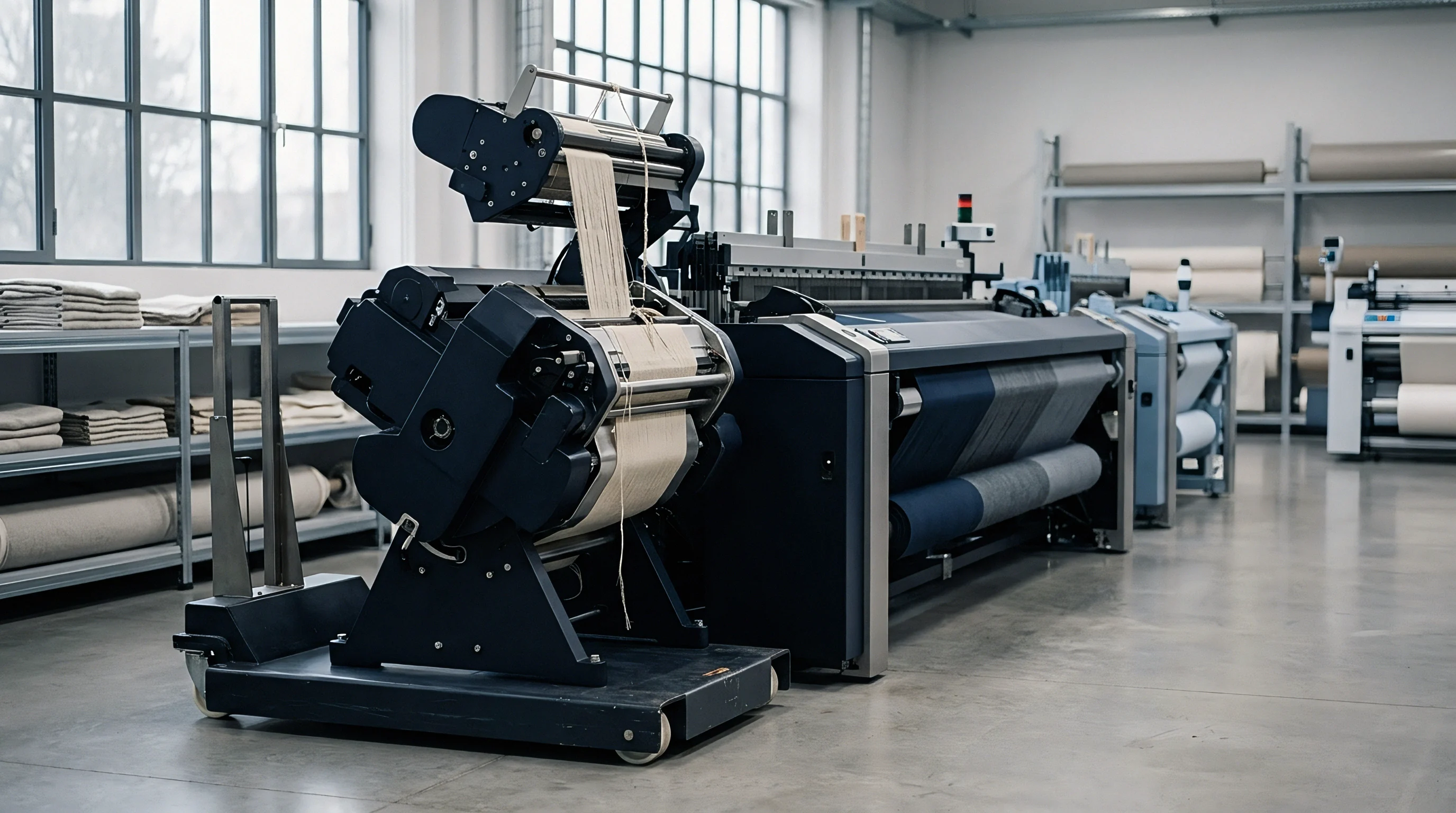
Transformation Yield Factors
The transformation sequence begins with long scutched flax entering the spinning mill. Hackling separates long fibre from short tow. On average, 100 kilograms of raw long scutched flax yields 65 to 70 kilograms of combed long sliver, 25 to 28 kilograms of hackling tow, and 5 to 8 kilograms of unrecoverable dust and shive waste.
The combed sliver proceeds to wet spinning, while the tow proceeds to dry spinning or secondary markets. If a buyer orders fabric specified as 100 percent long flax linen, the audit balance must monitor the long fibre sliver path exclusively, treating tow as a separate byproduct stream that cannot re-enter the long-flax balance sheet.
Spinning combed sliver into yarn incurs additional processing losses. Roving, spinning, and winding generate approximately 4 to 6 percent thread waste, including cut ends, floor sweepings, and slub removals. Weaving operations introduce warp preparation losses during bobbin creeling, warping, sizing, and drawing-in, followed by weaving shed losses from selvedge trimmers and fabric loom waste.
Grey fabric off loom typically weighs 2 to 4 percent more than the raw yarn incorporated into it due to warp sizing agents applied to withstand loom abrasion. Subsequent desizing, scouring, bleaching, and dyeing strip these sizing agents alongside natural waxes, resulting in an overall net weight reduction of 10 to 14 percent from grey off-loom cloth to finished dyed bolt.
| Process Stage | Input Material | Stage Yield (%) | Cumulative Yield (%) | Primary Waste / Byproduct |
|---|---|---|---|---|
| Hackling & Combing | Raw Scutched Long Flax | 68.0 | 68.0 | Hackling Tow (26%), Shive/Dust (6%) |
| Roving & Wet Spinning | Combed Long Sliver | 94.5 | 64.26 | Roving Ends, Fly Waste, Thread Slubs (5.5%) |
| Winding & Warping | Spinning Bobbins | 97.0 | 62.33 | Yarn Tail Trimming, Cone Residue (3.0%) |
| Sizing & Weaving | Warp & Weft Yarn | 102.0 (with size) | 63.58 | Selvedge Trim, Loom End Waste (3.0%) |
| Desizing & Scouring | Grey Fabric Off Loom | 89.0 | 56.59 | Removed Starch, Natural Waxes, Pectins (11.0%) |
| Dyeing & Finishing | Scoured Grey Cloth | 98.0 | 55.46 | Stenter Trimming, Shrinkage Loss (2.0%) |
To walk a complete transaction through this framework, consider a commercial order for 10,000 linear metres of finished plain-weave European Flax linen fabric. The fabric specification calls for a finished weight of 200 grams per square metre at a cuttable width of 1.40 metres. Total net mass of the finished consignment equals 2,800 kilograms of finished fabric (10,000 metres x 1.40 metres x 0.200 kg/m²).
To determine the mass of raw scutched European flax fibre required to produce this order, an engineer works backward through the cumulative yield factors established in table 2. Dividing the finished weight of 2,800 kilograms by the cumulative process efficiency factor of 0.5546 yields an initial input requirement of 5,048.69 kilograms of raw scutched long flax fibre. If the mill’s incoming transaction certificate for the dedicated lot shows only 3,500 kilograms of certified raw flax purchased, an immediate volume discrepancy of 1,548.69 kilograms exists.
That shortfall indicates that roughly 30 percent of the finished shipment contains substituted, uncertified material.
Standard conversion formulas mandate that finished fabric mass must be divided by cumulative processing yield factors to verify whether raw input scope certificates cover the declared volume.
During an assessment of a Zhejiang spinning mill processing both Western European and local flax, calculations revealed an unaccounted mass loss of 4.2 percent across the hackling stage. The mill had adjusted its internal system yield parameters to mask the blending of uncertified local flax tow into certified long flax roving lines. Audit logs revealed that raw fibre receipts matched outward shipping volumes on paper only because the mill artificially inflated its hackling yield figures above realistic mechanical thresholds, claiming an impossible 82 percent long fibre recovery rate from low-grade scutched flax.
Contracts for certified linen delivery specify that mass balance reconciliation calculations must apply standardized ISO 1833 oven-dry mass base values, adjusting for official moisture regain allowances of 12 percent for flax yarn and fabric.

Audit
Physical inspection of manufacturing plants operating in major textile hubs demands looking past presented certificates to interrogate floor-level inventory movement and machine records. Mill managers in high-volume regions are adept at presenting pristine binder files containing scope papers, ISO compliance certificates, and environmental permits during scheduled visits. Genuine verification requires cross-checking digital enterprise resource planning data against physical lot tags, raw material warehouse stocks, and daily machine operator logs.

Physical Verification Protocols on the Mill Floor
An auditor arriving at a spinning or weaving facility begins in the raw material receiving warehouse. Certified flax bales arrive wrapped in protective covers bearing stamped shipping marks. The auditor records every visible bale tag number, batch code, and scutcher identity mark present in the active storage bays.
These physical numbers must match the mill intake ledger and the corresponding European Flax transaction certificates exactly. If bales marked with European certifier tags sit next to unmarked bales of identical physical appearance with no clear segregation barriers or bin labeling, physical contamination risks invalidate batch security.
From the warehouse, physical tracking follows material to the opening and hackling hall. Hackling frames must carry job cards that explicitly list the running batch number, raw material origin, target yarn count, and customer contract identifier. If job cards on active machines show generic internal codes with no reference to the certified lot number, the mill has failed to maintain physical segregation.
The auditor observes whether hackling waste and short tow collection bins carry dedicated tags linking them back to the specific certified input lot.

Is Mass Balance Accounting Allowed across Mixed Lines?
Chain-of-custody rules under the European Flax scheme permit mass-balance accounting under controlled conditions, but forbid physical mixing within the same yarn lot unless all component flax inputs are individually certified. A mill running ten wet-spinning frames can process certified European flax on five frames while running uncertified local flax on the adjacent five frames, provided physical segregation remains absolute across roving, spinning, winding, and storage. Mass balance models allow the enterprise to balance total certified inputs against total certified outputs over a specified accounting period, typically three to six months.
Mass balance systems break down when mills apply credit transfers across dissimilar product categories. A facility cannot process 10,000 kilograms of certified heavy tow flax for coarse upholstery fabrics and transfer those credit units to clear 10,000 kilograms of fine long-flax apparel yarn. Processing losses, yarn quality, and market values differ too widely.
Verification protocols mandate that mass-balance credit accounts maintain strict equivalency across yarn counts, fibre lengths, and processing types. When an audit uncovers credit transfers between mismatched product lines, all transaction certificates generated under those credits are subject to immediate revocation.
Offshore mills audited under mass-balance criteria showed an average 8.4 percent discrepancy between digital inventory credits and physical warehouse counts during unannounced site reviews.
Inspectors examine the physical tags attached to incoming flax bales inside the mill warehouse, checking printed barcodes against the central database of the certifier before approving production runs. During an unannounced audit of an integrated spinner-weaver in Jiangsu, inspectors discovered three unlabelled containers of scutched flax being fed into hackling lines assigned to a European Flax order. The mill had exhausted its certified inventory two weeks prior but continued running production under the original scope paper to avoid missing delivery windows.
Quantifying the substituted volume required pulling thirty days of electricity consumption records for the specific wet-spinning frames, proving the facility produced double the yardage supported by its verified raw material intake.
Discrepancies identified during physical warehouse reviews frequently lead to the outright rejection of shipping containers when floor logs reveal unsegregated storage practices.


Customs
Cross-border enforcement mechanisms governing textile imports have shifted aggressively toward origin transparency and green claim verification. Importers bringing linen goods into North America or the European Union face dual regulatory scrutiny. Customs authorities enforce rules of origin determining applicable tariff rates and trade sanction compliance, while consumer protection bodies enforce greenwashing legislation targeting false or misleading environmental claims.
A European Flax certificate that satisfies a brand marketing team may prove entirely insufficient to clear customs inspection or survive an administrative regulatory inquiry.

Rules of Origin and Harmonized System Rules
Non-preferential origin determination for tariff purposes relies on international principles of substantial transformation, codified under the Union Customs Code in the EU and Title 19 of the Code of Federal Regulations in the United States. Under Harmonized System (HS) rules, flax fibre falls under Chapter 53 (Other vegetable textile fibres; paper yarn and woven fabrics of paper yarn). Raw, retted, or scutched flax classifies under HS heading 5301.
Flax yarn classifies under heading 5306, and woven fabrics of flax classify under heading 5309. Finished apparel items move into Chapter 62 or 65, while home textiles classify under Chapter 63.
Substantial transformation typically occurs when a manufacturing process results in a tariff heading change. If raw scutched flax (HS 5301) imported from France enters China and undergoes hackling, spinning, and weaving into grey linen cloth (HS 5309), the resulting fabric originates in China for customs tariff purposes. The presence of European-grown raw fibre does not confer European commercial origin on the finished fabric.
Importers who declare origin as France or Belgium on customs entry documents for fabric woven in Asia commit tariff misclassification, exposing their enterprises to severe monetary penalties, shipment seizures, and retroactive duty assessments.
| Jurisdiction | Regulatory Body | Governing Statute / Regulation | Required Provenance File Component | Enforcement Remedy |
|---|---|---|---|---|
| United States | U.S. Customs and Border Protection / FTC | 16 CFR Part 303 (Textile Fiber Products Act) | Entry Summary (Form 7501), Mill Flow Logs, TC Chain | Shipment Detention, Fines, Seizure under 19 USC 1592 |
| European Union | National Customs Authorities / European Commission | EU Regulation 1007/2011 & Green Claims Directive | Single Administrative Document (SAD), Full TC File | Customs Hold, Administrative Fines, Label Recalls |
| United Kingdom | HMRC / Competition and Markets Authority | Textile Products Labelling Regulations & CMA Code | Import Declaration C88, Transaction Certificate File | Border Seizure, Public Enforcement Undertakings |
Green claims enforcement introduces secondary compliance exposure. The U.S. Federal Trade Commission Textile Fiber Products Identification Act (16 CFR Part 303) mandates that textile labels state the country of origin where the product was processed, alongside truthful fibre content declarations. If a bedsheet label prominently features the words European Flax in bold lettering, but buries the phrase Made in China in tiny print on a secondary seam label, regulators may deem the packaging deceptively ambiguous.
The EU Green Claims Directive mandates that explicit environmental or origin claims must be backed by third-party verified transaction documentation available to regulators upon request within ten business days.
- Entry Summary Form 7501 Audit Cross-checking declared customs value, country of origin, and HS heading 5309 classifications against attached mill invoice details and scheme scope certificates.
- Fiber Content Verification File Assembling independent ISO 1833 chemical analysis lab reports confirming exact percentage flax content before submitting customs entry filings for blended fabric lines.
- Transaction Certificate Sequence Reconciliation Binding individual transaction certificates issued by accredited control bodies directly to foreign carrier bills of lading and commercial packing lists.
- Country of Origin Marking Compliance Inspecting retail packaging labels to ensure geographic claims referencing European Flax raw material clearly state the final manufacturing country without layout ambiguity.
Discrepancies between trade documents and physical goods frequently trigger customs detentions. When a container lands at a port of entry, customs officers inspect shipping manifests, bills of lading, and commercial invoices. If the invoice describes the cargo as 100 percent European Linen Fabric, but the accompanying transaction certificate lists the shipper as a trading company in Hong Kong with no direct manufacturing links to a qualified European Flax scope holder, authorities hold the container for origin verification.
Clearing the hold requires submitting complete scutching intake logs, spinning mill lot receipts, and transport invoices spanning the entire supply chain.
Whether destination enforcement agencies will harmonize digital transaction certificate verification protocols directly with automated customs clearing networks remains an operational question for cross-border sourcing teams.


Settlement
Commercial contracts for certified linen goods must translate technical chain-of-custody requirements into enforceable financial terms. Buying certified European flax fabric commands a market surcharge over standard flax goods. Scutched European flax fibre carries a price premium of $0.45 to $0.85 per kilogram above uncertified regional flax stocks, reflecting strict agricultural standards, certified retting practices, and localized supply constraints.
Processing, auditing, and documentary compliance add further costs per linear metre. Sourcing managers must structure purchase agreements to protect against paying premium rates for unverified or substituted goods.

Landed Cost Arithmetic and Surcharge Mechanics
Calculating the true landed cost of certified European flax fabric requires factoring raw material surcharges, yield loss multipliers, audit overheads, and compliance fees into the base weaving cost. A standard cost model starts with the base price of uncertified grey linen fabric. The certified fibre surcharge applies to the initial raw material input weight, meaning that processing yield losses amplify the surcharge per finished metre.
Applying the 0.5546 cumulative yield factor established in Section 3, every kilogram of finished fabric requires 1.803 kilograms of raw scutched flax input (1 / 0.5546). If the raw fibre surcharge for certified European Flax stands at $0.65 per kilogram, the actual raw material surcharge reflected in the finished fabric is $1.17 per kilogram ($0.65 x 1.803). For a 200 gsm fabric (0.280 kg per linear metre at 1.40 m width), the direct raw material premium adds $0.33 per linear metre.
Document issuance fees, transaction certificate portal charges, and third-party audit allocations typically add an additional $0.05 to $0.08 per linear metre.
Sourcing agreements must establish explicit rules for financial remedies when an audit reveals a failure in documentary scope or physical mass balance integrity. Standard commercial contracts often rely on generic warranty clauses that prove inadequate when origin claims break down months after fabric delivery. Contractual terms must link payment release directly to transaction certificate validation through the certifier’s central database.
- Transaction Certificate Milestone Release Conditioning the final 30 percent payment release on verified receipt and database validation of batch-specific transaction certificates issued by an accredited control body.
- Non-Compliance Chargeback Structure Defining automatic debit adjustments equal to twice the certified material surcharge for any fabric batch delivered without matching transaction documentation.
- Audit Cost Allocation Provision Assigning full financial responsibility for independent third-party mill audits and laboratory test costs to the supplier if verified mass balance discrepancies exceed 3 percent.
- Regulatory Indemnification Clause Requiring the supplier to indemnify the buyer against all customs fines, legal defense fees, and retail inventory recall costs resulting from invalid origin declarations or improper labelling.
Buyers specify clear commercial recourse provisions within purchase orders, establishing that fabric delivered without valid transaction certificates converts automatically to standard uncertified pricing, with the supplier absorbing all freight penalties. Purchase terms state that if a supplier presents a scope paper that expires during the production window without providing an updated, audited scope renewal within fifteen business days, the buyer retains the right to cancel the contract without penalty. These commercial mechanisms move the financial burden of verification failure back onto the seller.
When origin documentation fails verification after goods have entered retail channels, the financial loss extends far beyond raw material surcharges. Repackaging costs, seam label replacement, customs re-entry filings, and potential consumer class-action defenses quickly eclipse the original purchase value of the fabric shipment. Commercial agreements that isolate origin verification as an administrative detail rather than a core product specification leave buyers exposed to supply chain defaults.
Financial settlement mechanisms must treat provenance verification as an absolute engineering requirement, binding invoice clearance directly to verified batch mass balance receipts on every shipment.