Fiber Instrument
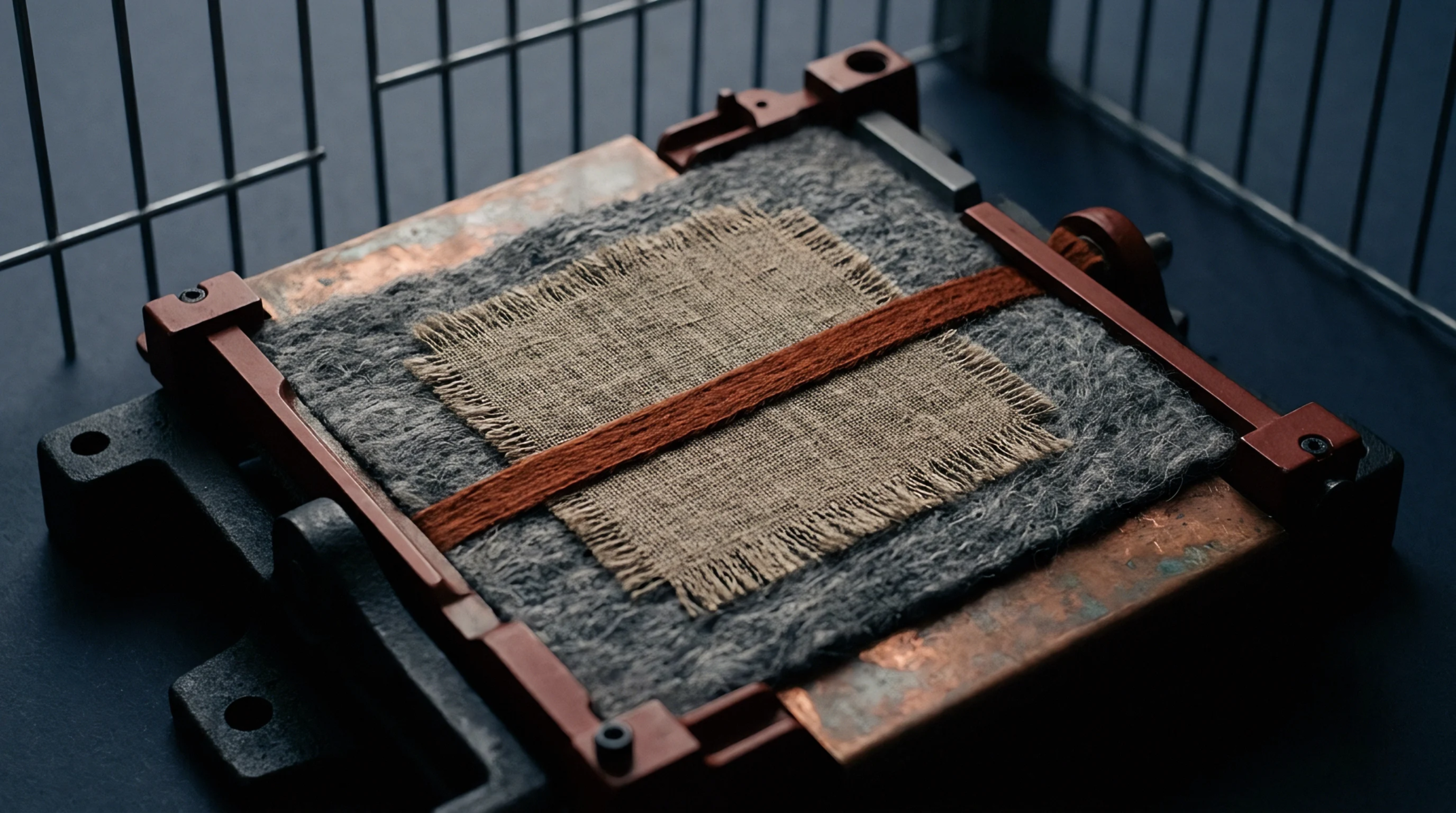
Laboratory drafting devices comprising parallel steel pin arrays measure length distribution in hackled flax and combed sliver. Precision pins retain fibre bundles while an operator draws individual length groups using manual or pneumatic clamps. Data collected from comb sorter trials generate frequency curves that reveal mean fibre length and short fibre content.
Processing performance in wet spinning depends on these numerical distributions to establish roller settings and draft ratios.
Fraction Analysis
Manual extraction of aligned fibre groups produces array diagrams that divide samples into millimeter length increments. The operator transfers long fibres across successive pin beds to isolate short fractions under fifteen millimeters. Weighing each length category on an analytical balance yields cumulative mass percentage curves for the tested batch.
Excessive short fibre proportions identified by the comb sorter signal poor hackling efficiency or mechanical fibre damage during scutching. Spinners adjust draw frame spacing based on these length histograms to prevent floating fibres from causing thick places in fine yarns. Mill laboratories archive physical sorter diagrams alongside digital lot certificates for full lot traceability.
Export contracts for high-count linen yarn often stipulate maximum allowable short fibre percentages verified through this analysis.
Spinning Impact
Fiber length uniformity determines the draft stability and end-break frequency during high-speed wet spinning frame operations. Irregular length distributions cause sliver slippage and periodic yarn mass variation on ring frames. Quality control managers reject raw sliver lots when comb sorter arrays show short fibre contents exceeding eighteen percent by weight.
Stable length profiles allow mills to maintain constant spindle speeds while producing fine thread counts. Final fabric appearance improves when uniform fibre lengths create smooth, low-hairy yarn structures.