Fibre Output
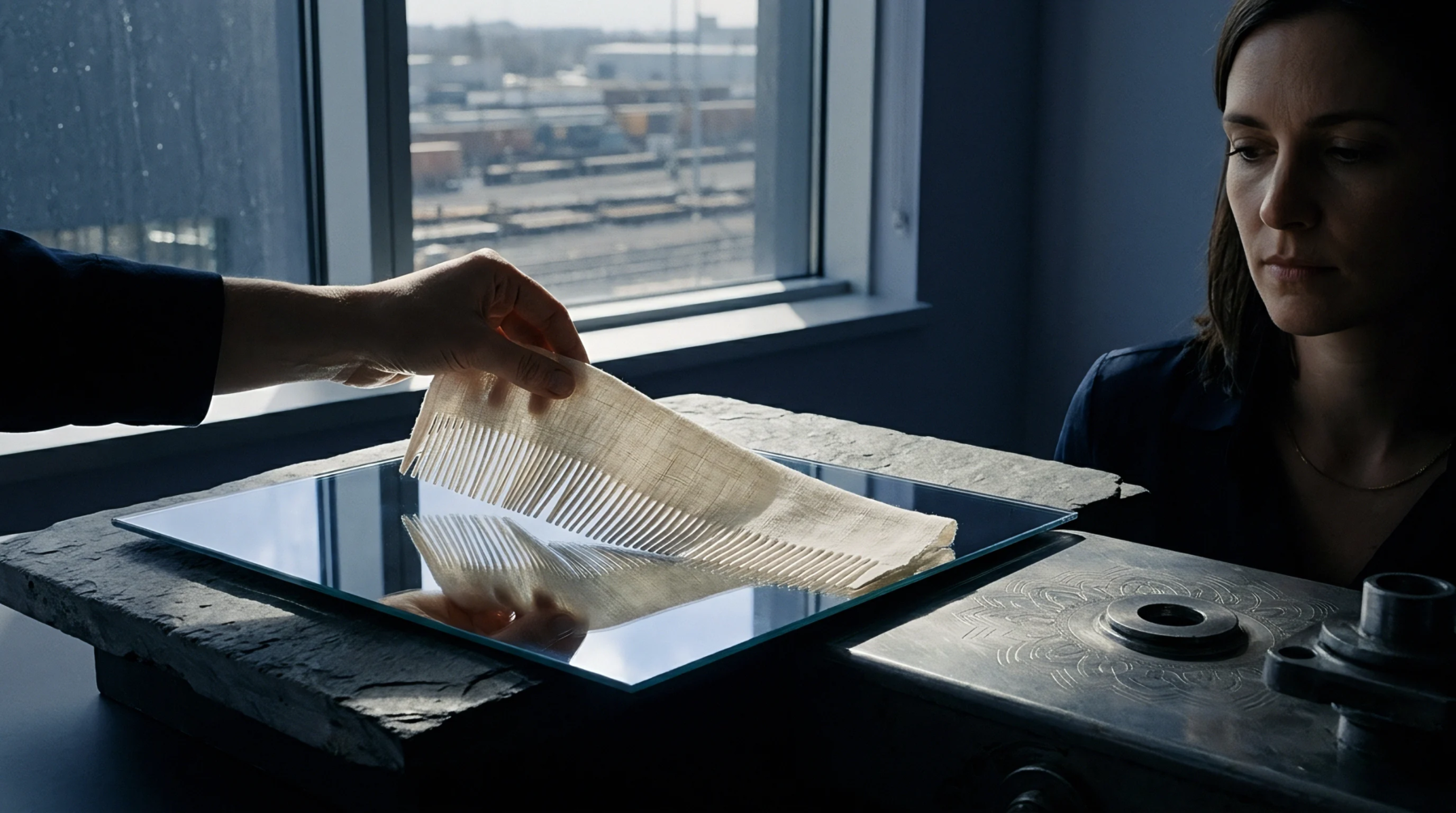
Long, aligned bast fibre bundles recovered from retted flax straw following mechanical decortication represent the primary raw material for fine linen yarn spinning. Production records and shipping manifests classify scutched line by bundle length and cleanliness after turbine scutching blades beat away woody shives. Scutched line bundles maintain full plant stem length, making them distinct from short, tangled tow fibres collected in secondary cyclone separators.
Mill receiving docks verify bale markings against official origin certificates before routing lots to hackling departments.
Scutching Operation
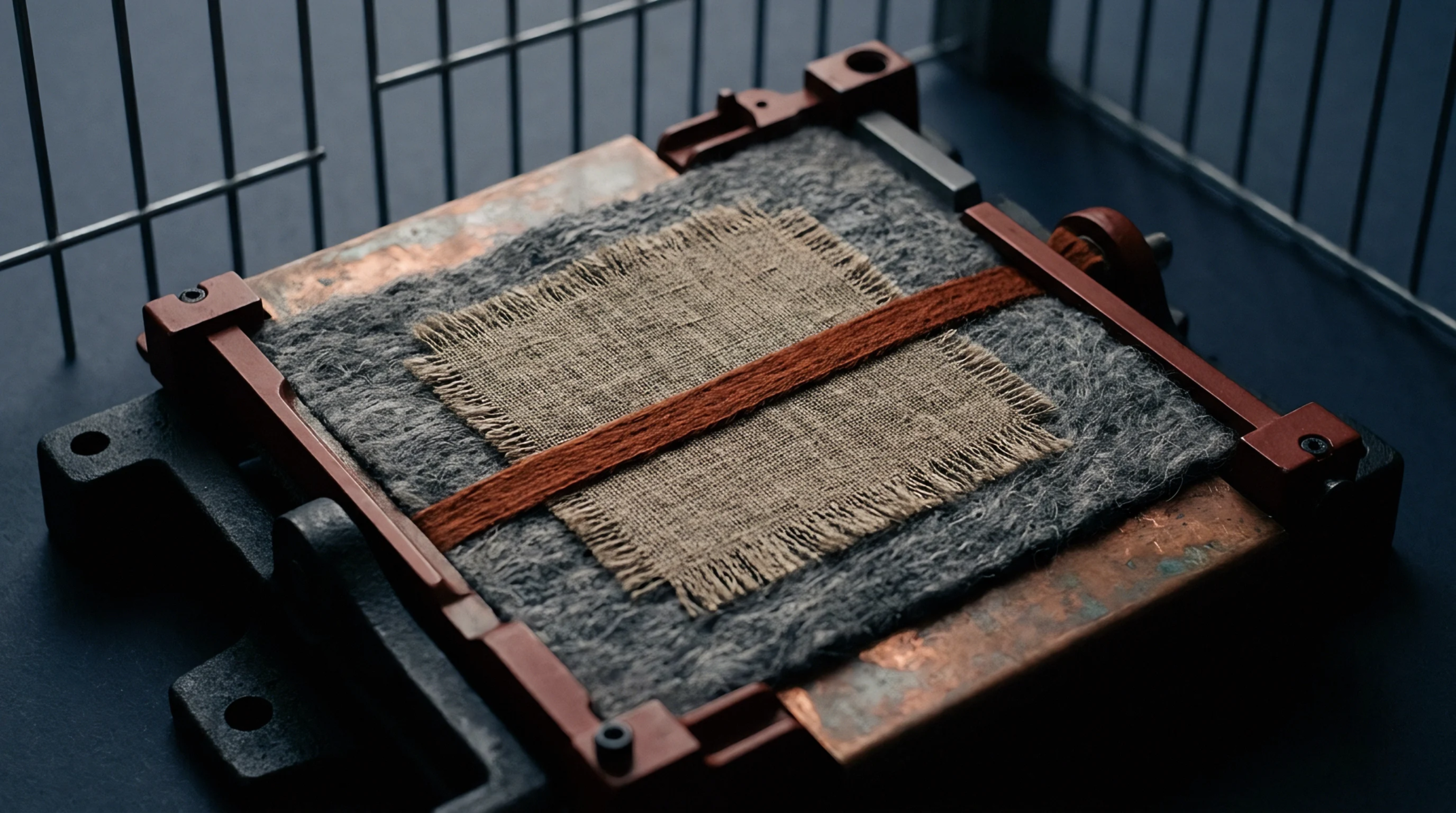
Mechanical turbine scutchers extract long fibre strands by gripping retted straw in rubber belts while revolving metal blades beat out the brittle woody core. Adjusting blade clearance and rotor speed controls the balance between clean yield and fibre breakage, optimizing long line recovery rates. Operators log scutching yield percentages on daily shift reports, monitoring raw straw input against scutched line output.
Cleanliness and parallel bundle alignment determine whether output passes directly to hackling or requires secondary cleaning.
Commercial Classification
European grading standards classify long flax fibre into commercial grades based on hand, strength and scutching quality. High-grade scutched line commands premium prices in international trading markets for wet spinning into fine dress material and bed linens.