Mechanical Calibration
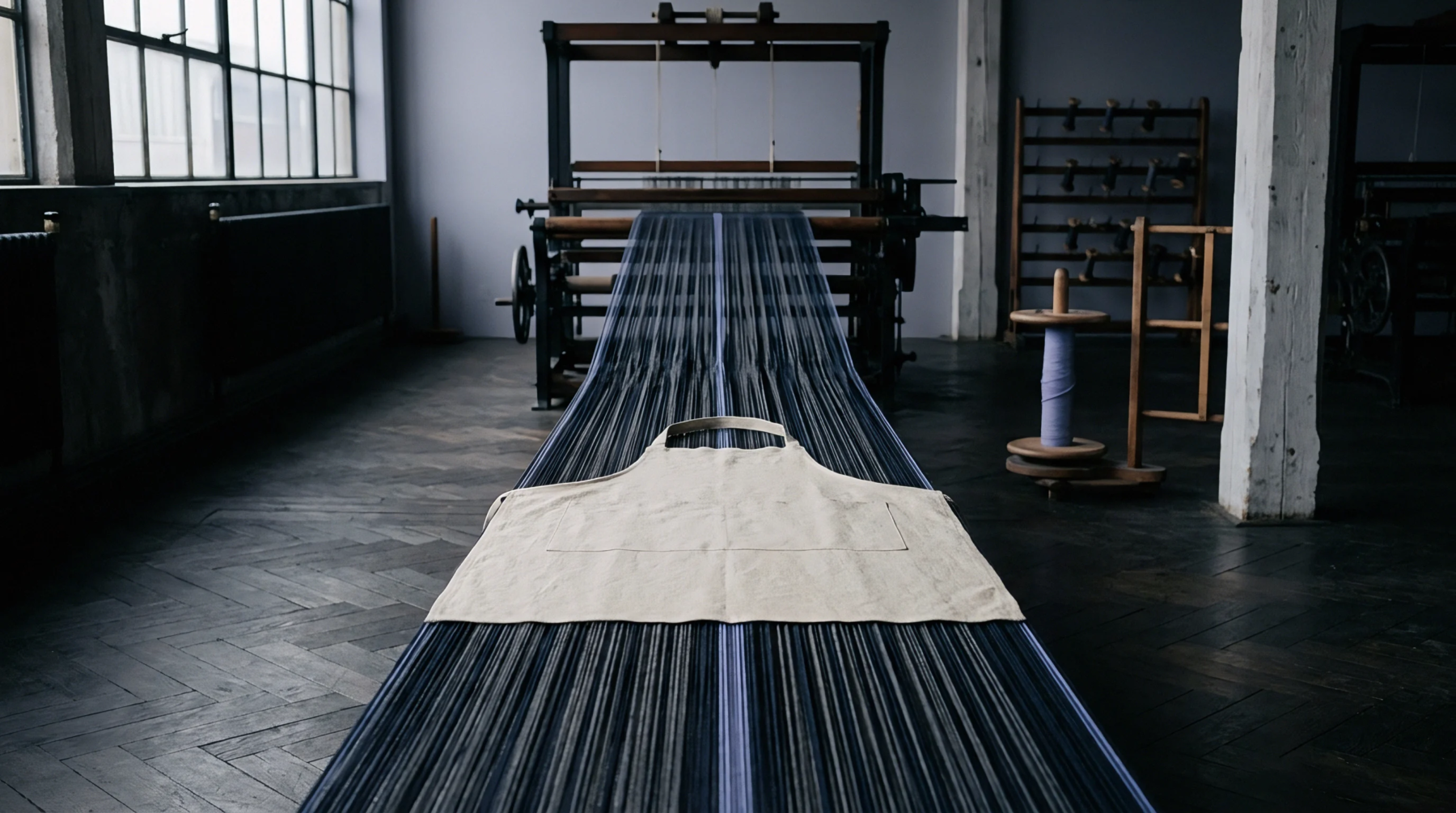
Technical alignment of horizontal and vertical shed density determines the geometric precision of complex pattern production during the final stage of linen manufacturing in Chinese export mills. Damask loom tuning modifies the dwell interval of the jacquard head to ensure the shuttle trajectory aligns with the warp tension profile. Mill technicians verify these settings against the master pattern card before the start of a production run.
A deviation from this calculated path results in fabric distortion or yarn breakage. This process governs the spatial frequency of the motif across the cloth width. It remains active until the mechanical feed rate matches the programmed beat of the beater bar.
Pattern Fidelity
Successful output depends on the precise regulation of harness cords relative to the secondary drive gears that power the loom. When damask loom tuning deviates from the target shift, the structural integrity of the repeating pattern suffers from ghosting or lateral creep. Inspectors at the facility check the cross section of the finished fabric to identify shifts in the interlocking structure of the ground and figure.
Any inconsistency between the gear phase and the shed cycle requires an immediate stop to allow for recalibration of the drive assembly. Operators record these adjustments in the daily logbook for the shift supervisor to audit. A mill achieves consistent results when the timing of the shed opening stays synchronized with the pick insertion force.
Regular checks of the drive belt tension prevent gradual slippage that could otherwise compromise the geometric regularity of the intricate pattern geometry.
Acceptance Boundary
Quality managers evaluate the physical batch against the documented specifications provided by the buyer to confirm the loom setup was adequate. This assessment differentiates between a deviation in the underlying yarn quality and an error in the mechanical positioning of the loom components. The factory standard for this operation focuses on the physical stability of the repeat rather than the aesthetic finish of the fabric surface.
If the physical measurements of the finished weave fall within the stated tolerances, the mill certifies the batch as compliant. Strict adherence to these limits ensures that every output unit meets the rigorous demands of the global export market.