Mechanical Oscillation
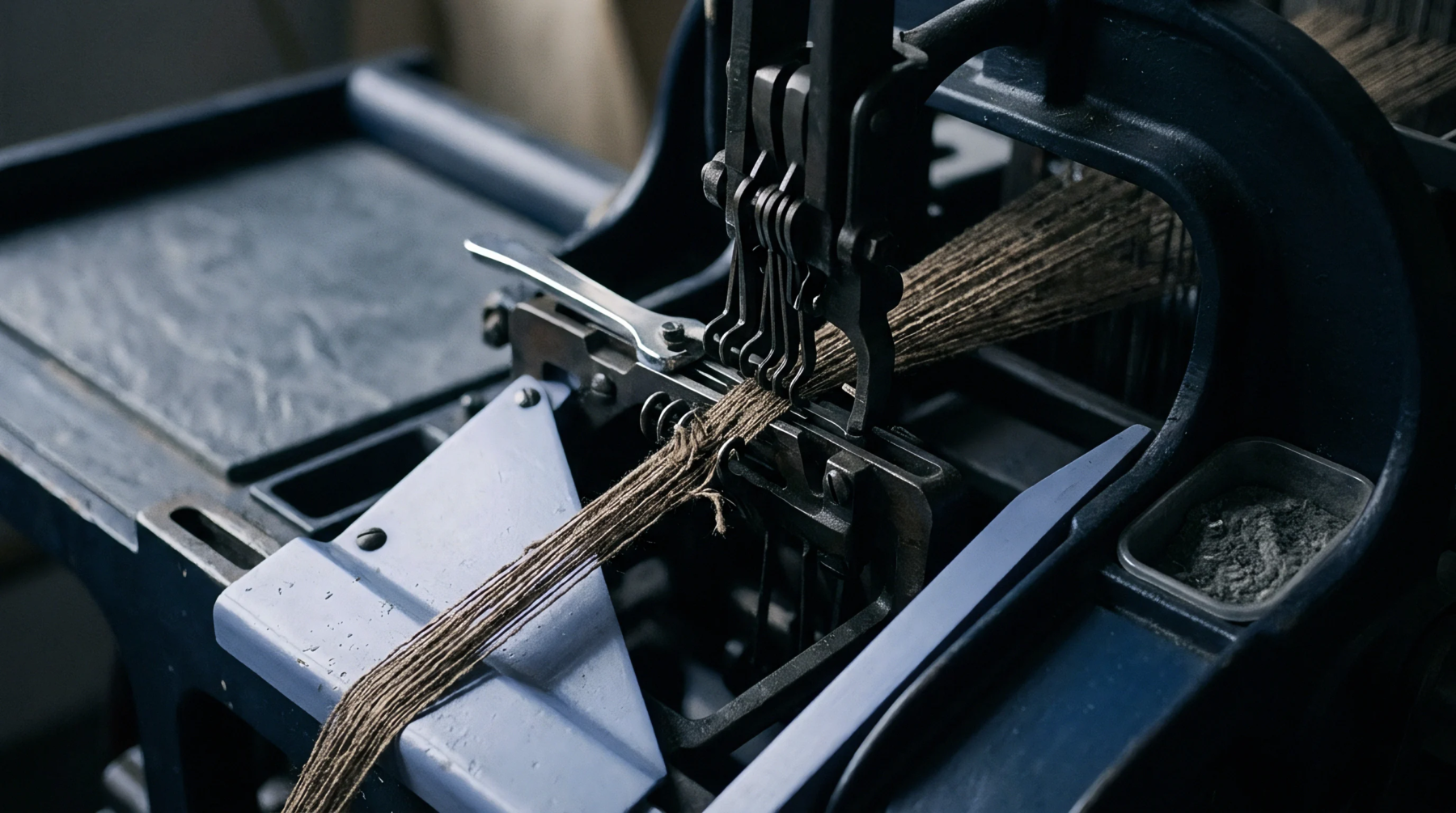
Periodic instability during the drawing phase of flax fibre spinning emerges when the resistance against motion overcomes the inertial force of the rollers. Stick slip friction occurs here as tension in the flax strand fluctuates between static and dynamic states, causing micro-tears in the fibre structure. This phenomenon limits the throughput speed of high-density drawing frames.
Spinning technicians record these occurrences on the quality assurance log during routine tension calibration checks. Excessive variance in torque output confirms that the alignment of the drafting field needs adjustment. Friction forces accumulate at the nip point where the fibres move from the slower set of rollers to the faster set, resulting in uneven yarn diameter that degrades fabric consistency during the subsequent weaving operations.
Contact Dynamics
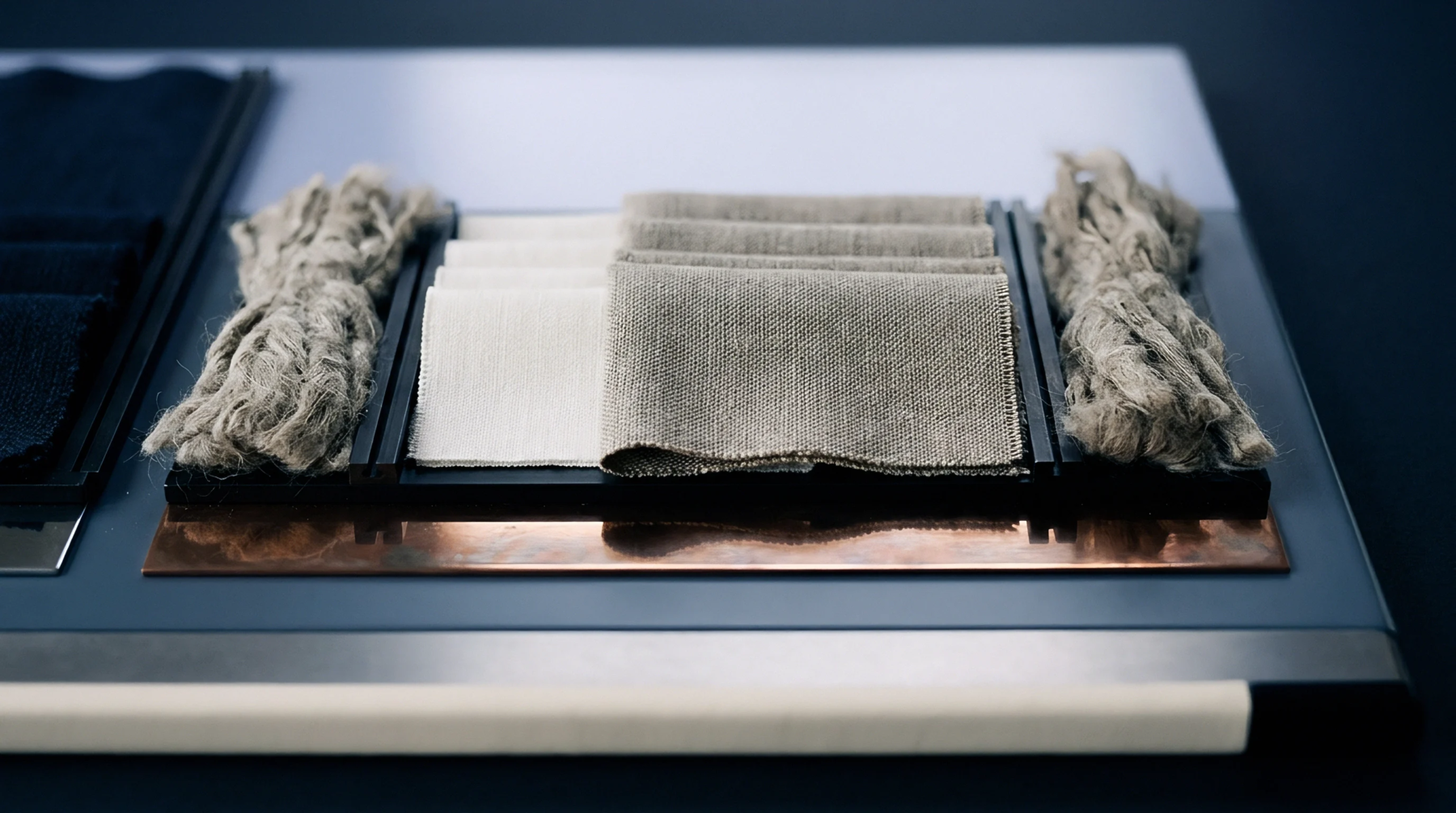
Uneven drawing causes periodic irregularities that persist through to the finishing stage where manufacturers evaluate the final textile for physical defects. When the rollers fail to maintain constant pressure, stick slip friction generates visible bands across the cloth width. These defects become apparent during the inspection of grey linen fabric before chemical bleaching or dye application.
Quality inspectors document the frequency of these bands on the technical release form to distinguish between mill process errors and inconsistencies inherent in the raw flax batch. A consistent velocity profile through the drawing zone prevents the irregular gripping of the fibre bundles. Proper surface hardness on the drafting rollers ensures the required nip pressure persists throughout the production run without slippage.
Mechanical damping systems reduce these vibrations by absorbing the surplus energy released when the fibres break their static hold.
Production Boundary
Final grade certification relies on the structural integrity of the individual yarns recovered after the scouring of the woven linen. The presence of these faults lowers the tensile strength of the cloth because the affected segments lack sufficient twist density for high-stress applications. Mills classify rolls containing frequent evidence of this motion pattern as second-quality material, suitable only for heavy industrial use rather than apparel.
Consistent tension control prevents the formation of weak sections throughout the entire length of the production line. High-grade linen fabric requires strict adherence to the speed limits defined by the fibre tensile thresholds. Excess speed increases the risk of stick slip friction, which confirms that the structural stability of the product depends on the precise regulation of movement within the drafting zone.